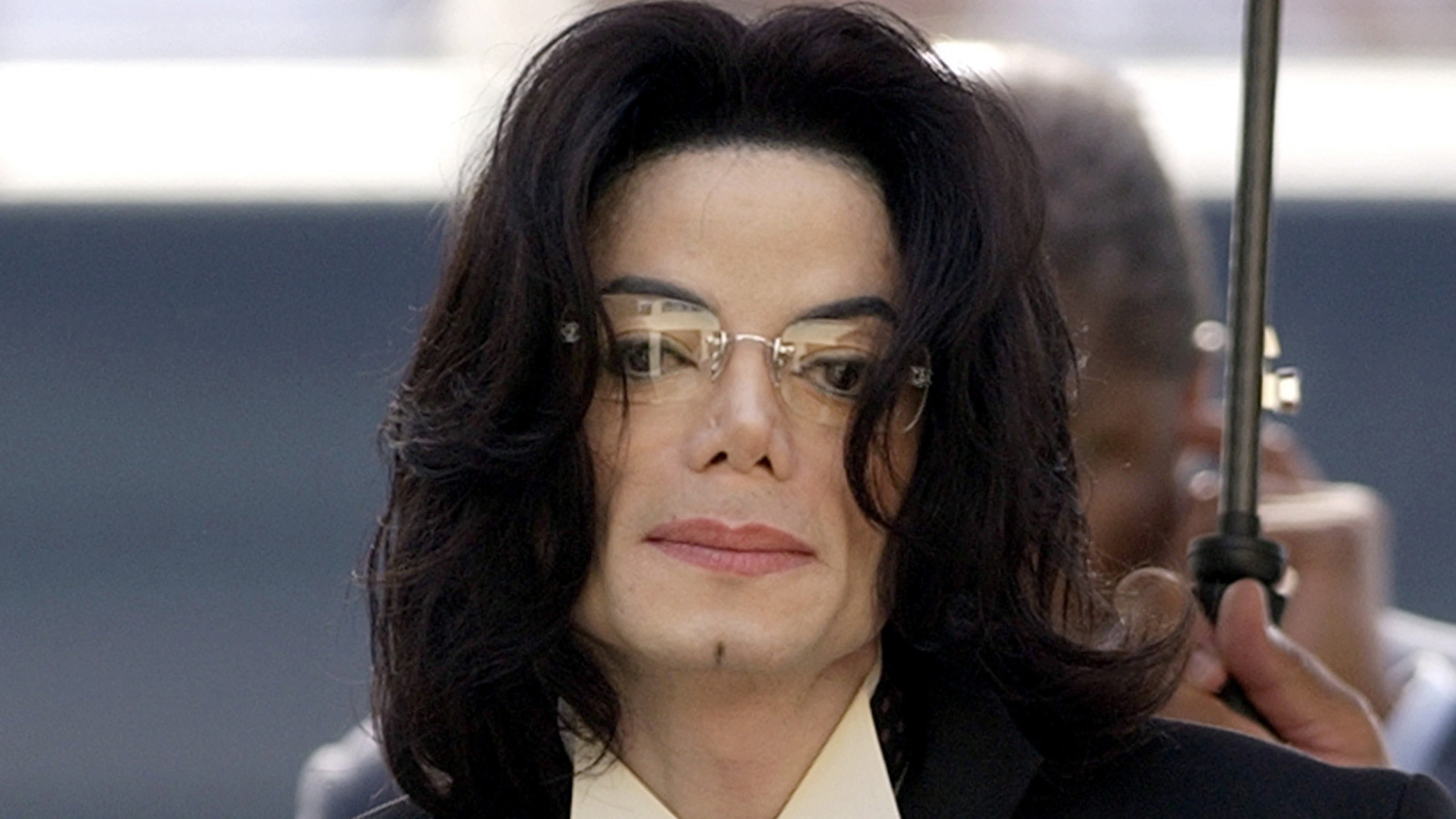
Michael Jackson is estimated to have donated between $300 million and $500 million to charitable causes throughout his lifetime. In 2000, the Guinness World Records recognized him as the pop star who supported the greatest number of charities, totaling 39 organizations through both financial contributions and direct humanitarian aid.
The scale of Michael Jackson’s philanthropy is often overshadowed by his massive commercial success and personal life, yet it remains one of the most substantial financial commitments to charity by any individual entertainer in history. His giving was not limited to one-off donations; it encompassed the founding of entire organizations, the dedication of world tour proceeds, and a lifelong commitment to child welfare, disaster relief, and medical research. Even into 2026, his estate continues this legacy, with a legal mandate that a portion of all posthumous earnings be distributed to charitable organizations.
The Financial Scope of Michael Jackson’s Giving
Quantifying the exact total of Michael Jackson's charitable contributions is a complex task because much of his giving was handled privately or through various foundations. However, forensic accounting of his public records, tour financial statements, and foundation filings provides a minimum floor of $300 million. Some biographers and estate researchers argue that when adjusted for inflation and including the value of donated goods (such as medical supplies and toys), the figure easily exceeds $500 million.
Jackson’s approach to giving was multifaceted. It included direct cash transfers to established organizations like the United Negro College Fund (UNCF), the funding of his own non-profit entities like the Heal the World Foundation, and the redirection of commercial earnings—such as endorsement deals and tour profits—directly to those in need.
The Guinness World Record for Philanthropy
In the year 2000, Guinness World Records officially listed Michael Jackson as the artist who supported the most charities. The 39 organizations cited covered a vast spectrum of social issues, including:
- Health and Research: The Elizabeth Taylor AIDS Foundation, the American Cancer Society, and the Lupus Foundation of America.
- Youth and Education: Big Brothers Big Sisters of America, Boys & Girls Clubs of America, and the United Negro College Fund.
- Humanitarian Relief: The Red Cross, UNESCO, and Operation Christmas Child.
This record established a benchmark in the entertainment industry, showing that Jackson’s involvement was not merely a public relations strategy but a broad-based effort to address systemic global issues.
Major Charitable Milestones and Events
To understand how Jackson reached such staggering figures, one must examine the specific events where multi-million dollar sums were moved from his accounts to the public good.
The 1984 Victory Tour and the Pepsi Settlement
One of the earliest and most significant examples of Jackson’s massive-scale giving occurred during the mid-1980s. Following the record-breaking success of Thriller, Jackson embarked on the Victory Tour with his brothers. Before the tour even began, Jackson announced that his entire share of the profits—estimated between $3 million and $5 million—would be donated to charity. This included the T.J. Martell Foundation for Leukemia and Cancer Research and the UNCF.
During the same period, Jackson was involved in a high-profile accident while filming a commercial for Pepsi, resulting in second and third-degree burns to his scalp. Pepsi settled for $1.5 million. Rather than keeping the settlement, Jackson donated the entire amount to the Brotman Medical Center in Culver City, California. This donation funded the creation of the Michael Jackson Burn Center, which utilized advanced technology to treat burn victims who lacked the financial means for care.
"We Are the World" and USA for Africa
In 1985, Jackson co-wrote "We Are the World" with Lionel Richie. The song was produced to raise funds for famine relief in Ethiopia. While the song itself raised over $63 million (a figure that has grown significantly with inflation over the decades), Jackson’s contribution was not just the songwriting royalties. He spent months of his own time organizing the project and used his immense star power to bring together 45 of the world's most famous musicians. The proceeds from this single project represent one of the largest single-song charitable contributions in the history of the music industry.
The Heal the World Foundation
Founded in 1992, the Heal the World Foundation was Jackson’s primary vehicle for international philanthropy during the 1990s. The foundation was established to provide medicine to children and fight world hunger, homelessness, and child abuse.
Funding through the Dangerous World Tour
Jackson leveraged his 1992-1993 Dangerous World Tour as a massive fundraising engine for the foundation. He famously pledged that all proceeds from the tour would go to Heal the World. This was not a small gesture; the tour was one of the highest-grossing of the era.
Beyond the cash proceeds, Jackson used the logistics of the tour to deliver aid. For example, in 1992, he arranged for 47 tons of winter relief supplies (including blankets, clothes, and medicine) to be flown into Sarajevo during the Bosnian War. This move demonstrated his commitment to using his professional infrastructure to bypass bureaucratic delays in war zones.
The Super Bowl XXVII Performance
In 1993, Jackson performed at the Super Bowl XXVII halftime show. Unlike modern performers, Jackson negotiated a specific deal: the NFL and Frito-Lay (the sponsor) were required to donate $100,000 and provide airtime for a Heal the World Foundation appeal. This performance, viewed by over 133 million people, resulted in millions of dollars in subsequent donations and set the precedent for the Super Bowl halftime show becoming a major cultural event.
Philanthropic Contributions by Category
Jackson’s donations were rarely concentrated in one area. He maintained a philosophy that children were the most vulnerable members of society and deserved the highest level of protection.
| Category | Key Organizations/Projects | Estimated Contribution Impact |
|---|---|---|
| Education | United Negro College Fund (UNCF), Motown Museum | Funded over 200 scholarships through the UNCF Michael Jackson Scholarship program. |
| Medical Care | Brotman Burn Center, UNESCO, Great Ormond Street Hospital | Millions dedicated to burn units, HIV/AIDS research, and children's hospitals worldwide. |
| Disaster Relief | USA for Africa, Red Cross, Sarajevo Airlift | Direct provision of food, medicine, and clothing to famine and war victims. |
| Social Justice | NAACP, Martin Luther King Jr. Center | Financial support for civil rights advocacy and African American cultural preservation. |
| Foundations | Heal the World Foundation | Acted as a clearinghouse for global pediatric medical and nutritional aid. |
Posthumous Charitable Legacy
The death of Michael Jackson in 2009 did not end his charitable contributions. His will specifically stipulated that after his debts were cleared and certain provisions were made for his family, 20% of the income generated by the Estate of Michael Jackson must be given to charity.
The Michael Jackson Estate’s Ongoing Impact
Since 2009, the Estate has become one of the most profitable entities in entertainment history. This 20% mandate has resulted in tens of millions of dollars being distributed to various causes. For instance, the Estate has continued to support the UNCF, providing ongoing scholarships to students at Historically Black Colleges and Universities (HBCUs).
In 2020, during the global COVID-19 pandemic, the Estate donated $300,000 to help music industry workers and food banks in New York, Las Vegas, and Los Angeles. These ongoing contributions ensure that Jackson’s total "lifetime plus posthumous" donation figure continues to climb toward the billion-dollar mark as the years progress toward 2030 and beyond.
Challenges in Verification and Anonymous Giving
One reason the exact total of Jackson’s donations remains a point of debate is his habit of anonymous giving. Numerous accounts from associates and friends, such as Elizabeth Taylor and David Guest, reveal that Jackson frequently wrote personal checks to individuals in crisis or funded surgeries for children without making a public announcement.
Private Humanitarian Visits
During nearly every stop on his world tours, Jackson would visit local orphanages and hospitals. These visits were often closed to the press. According to security staff and tour managers, Jackson would frequently ask what the facility needed—whether it was a new wing, specialized medical equipment, or a playground—and provide the funds immediately. Because these were private transactions between an individual and a facility, they often escaped the tallies of "official" charitable donations.
Non-Monetary Contributions
Jackson also donated the use of his Neverland Ranch as a retreat for terminally ill and underprivileged children. While it is difficult to assign a cash value to these thousands of visits, the operational costs of hosting these children, providing food, entertainment, and transportation, were entirely subsidized by Jackson. This "in-kind" giving represents a significant portion of his humanitarian profile that isn't captured by simple cash-flow analysis.
Comparisons to Other Philanthropists
When placed alongside other major celebrity philanthropists of his era, Michael Jackson’s contributions are significant due to the percentage of his net worth he gave away. While tech billionaires like Bill Gates or Warren Buffett have donated larger absolute sums, Jackson was a pioneer in the entertainment sector.
Before Jackson, it was common for celebrities to perform at benefits or serve as "poster faces" for charities. Jackson shifted the paradigm by making himself the primary financier of the causes he supported. He essentially operated his career as a non-profit engine during certain peak periods, such as the Dangerous Tour, where his personal profit was zero because every dollar was diverted to the Heal the World Foundation.
Common Misconceptions
A frequent misconception is that Jackson's financial troubles in the mid-2000s meant he had stopped giving. On the contrary, legal filings during that period showed that even when facing liquidity issues, his foundation commitments and personal gifts to charities remained a priority. Furthermore, the claim that his giving was solely for tax purposes is undermined by the sheer volume of his anonymous and "in-kind" gifts, which did not always qualify for the same tax deductions as structured non-profit donations.
Frequently Asked Questions
Which single charity did Michael Jackson give the most money to?
While figures are not always public, the Heal the World Foundation likely received the highest aggregate amount, as Jackson funneled hundreds of millions of dollars in tour revenue and merchandising royalties through it during the 1990s. The United Negro College Fund (UNCF) is another major recipient, having received millions over several decades, including the proceeds from the Victory Tour.
Did Michael Jackson donate his Super Bowl performance fee?
Michael Jackson did not receive a "fee" in the traditional sense, as Super Bowl halftime performers are generally not paid a salary. However, he negotiated a massive $100,000 donation from the NFL and Frito-Lay to his foundation, along with millions of dollars in free advertising for the foundation’s causes during the broadcast.
How many charities did Michael Jackson support?
According to Guinness World Records, Michael Jackson supported 39 charities, a record for a pop star. This number includes major international organizations like the Red Cross and UNESCO, as well as more specific research-focused groups like the T.J. Martell Foundation.
Does Michael Jackson still donate to charity now that he is deceased?
Yes. Michael Jackson’s will contains a specific provision requiring that 20% of the annual income generated by his estate be donated to various charitable organizations. This ensures that his philanthropic impact continues as long as his music and likeness generate revenue.
What was the "Michael Jackson Scholarship"?
The Michael Jackson Scholarship was established in 1986 in partnership with the United Negro College Fund. Jackson donated $1.5 million to initiate the fund, which has since provided financial assistance to hundreds of students attending HBCUs, focusing on those performing well in the arts and communications.
Final Recommendation for Researchers
To truly understand the impact of Michael Jackson’s philanthropy, one should look beyond the total dollar amount. The most effective way to gauge his legacy is to examine the longevity of the institutions he supported. For those interested in the financial mechanics of celebrity giving, reviewing the annual reports of the United Negro College Fund and historical records of the Brotman Medical Center (now Southern California Hospital at Culver City) provides the most verifiable evidence of his sustained commitment to social welfare.