In most modern Western cultures, wearing green to a wedding is not considered bad luck. While historical Scottish folklore and Victorian-era superstitions once warned against it, these beliefs have largely faded. Today, green is a popular and stylish choice for wedding guests, symbolizing growth, harmony, and renewal.
The question of whether green is an appropriate color for a wedding guest often stems from a mix of old wives' tales, regional folklore, and historical accidents. As we move through the 2026 wedding season, green has actually emerged as one of the most requested colors for bridesmaid palettes and guest attire alike. However, to understand why the "bad luck" rumor exists at all, one must look back at centuries of cultural history, ranging from the mystical hills of Scotland to the dangerous chemistry of 19th-century fashion.
The Origins of the "Green is Bad Luck" Superstition
The primary source of the "unlucky green" myth is rooted in Scottish and British folklore. For centuries, green was considered the favorite color of the "Fair Folk" or the Aos Sí. According to legend, fairies were highly protective of their signature hue. If a human wore green to a major life event like a wedding, it was believed the fairies would take offense at the "theft" of their color and bring misfortune upon the wearer or the couple.
In these traditions, wearing green was seen as a provocation. It was thought that by donning the color of the supernatural, a guest might be abducted by fairies or, at the very least, cursed with a string of bad luck. This belief was so prevalent in the Highlands that even into the 20th century, some families avoided green entirely for bridal party attire to ensure the ceremony remained undisturbed by the spirit world.
Beyond the "fairies," an old English rhyme also cast a shadow over the color: "Married in green, ashamed to be seen." This phrase suggests a loss of reputation or a sense of scandal, though the exact origin of the "shame" is debated. Some folklorists suggest it linked back to "greenwood marriages"—impromptu or unofficial ceremonies held in the woods, which lacked the social standing of a church wedding.
Scientific "Bad Luck": The Toxic History of Green Dyes
While folklore provided the spiritual reason to avoid green, 19th-century chemistry provided a very literal, life-threatening reason. In the Victorian era, the most vibrant green pigments—specifically Scheele’s Green and Paris Green—were created using copper arsenite.
These arsenic-based dyes were incredibly popular because they produced a brilliant, luminous emerald shade that had never been achieved before. However, the dresses were essentially toxic. As the wearer perspired or as the fabric brushed against the skin, the arsenic could be absorbed, leading to skin sores, hair loss, and even organ failure. Furthermore, the dust from these dresses could settle on food or be inhaled by other guests. In this historical context, wearing a green dress to a wedding truly was "bad luck," as it posed a legitimate health risk to the wearer and everyone in their immediate vicinity.
By the time safer synthetic dyes were invented, the association between the color green and "illness" or "misfortune" had already solidified in the public consciousness. While we no longer use arsenic in our textiles in 2026, the cultural echo of green being a "dangerous" or "unlucky" color lingered long enough to influence modern etiquette questions.
Cultural Interpretations of Green Around the World
The "luck" associated with green varies significantly depending on the cultural and geographic context. Before deciding on your outfit, it is essential to consider the heritage and traditions of the couple.
The Irish Paradox
In Ireland, the relationship with green is complex. While it is the national color, there is an old superstition that green should not be worn at weddings because it attracts the "Good People" (fairies) who might spirit the bride away. However, in modern times, this is largely viewed as a quaint myth. Most Irish weddings today see plenty of green, especially in the form of elegant emerald silks or forest green velvet for winter ceremonies.
Chinese Wedding Traditions
In Chinese culture, the color green carries a very specific and potentially embarrassing connotation for men. The phrase "wearing a green hat" (dài lǜ mào zi) is an idiom that means a man’s wife is unfaithful. Consequently, a male guest wearing a bright green hat or a dominant green headpiece would be a major faux pas. For dresses and suits, however, green is generally acceptable, though red remains the traditional color of luck and joy.
Middle Eastern and Islamic Contexts
In many Middle Eastern cultures and within Islam, green is a highly positive, sacred color. It is associated with paradise, life, and the Prophet Muhammad. In these contexts, wearing green to a wedding is often seen as a gesture of respect and a wish for the couple’s prosperity and fertility. It is considered an auspicious and beautiful choice.
Modern Wedding Etiquette for Green in 2026
In 2026, the "rules" of wedding fashion prioritize style, seasonality, and the couple's specific dress code over ancient superstitions. Green is currently one of the most versatile colors in a wedding guest's wardrobe.
Choosing the Right Shade
The acceptability of green often depends on the shade and the season. Sage green and seafoam have become the "new neutrals," frequently used in "boho" or garden-themed weddings. These lighter shades are soft, unpretentious, and rarely clash with a wedding's aesthetic.
On the other end of the spectrum, emerald and forest green are staples for formal, black-tie, or evening weddings. They convey a sense of luxury and sophistication. The only shade that occasionally draws criticism is "neon" or "fluorescent" green, simply because it can be distracting in photographs and may draw attention away from the couple.
Coordination with the Bridal Party
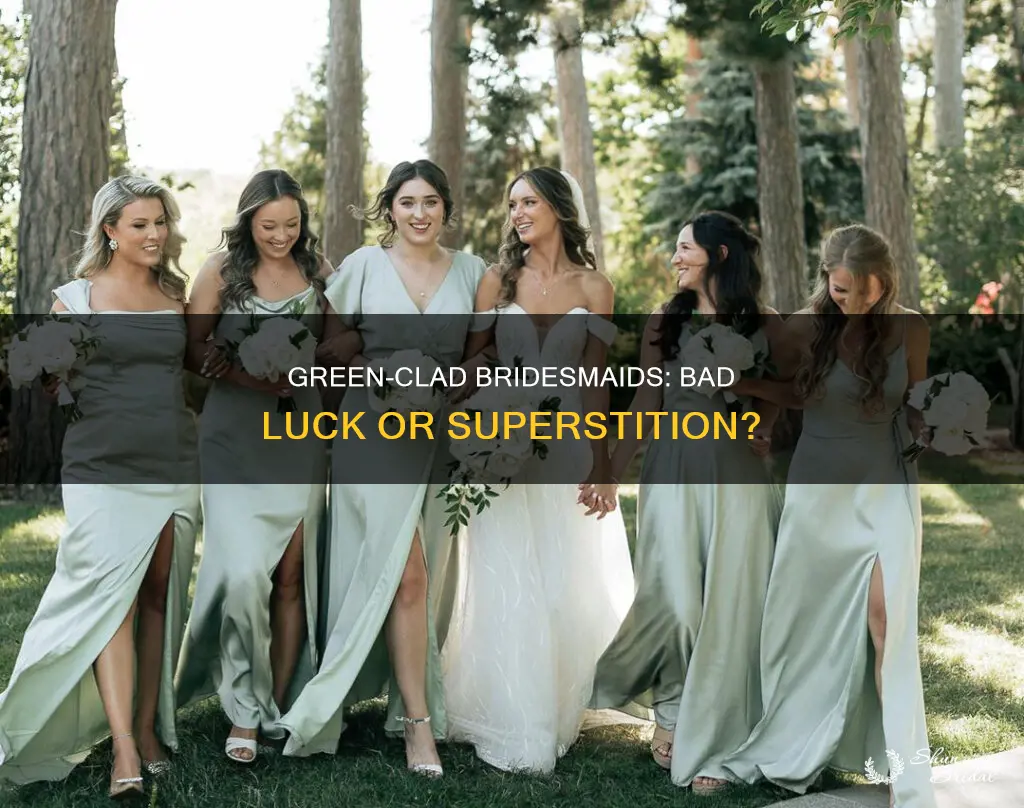
One practical concern—rather than a superstitious one—is accidentally matching the bridesmaids. Since shades like olive, moss, and eucalyptus are incredibly popular for bridal parties in 2026, a guest might find themselves blending into the official photos. If you know the wedding colors involve green, try to pick a shade that is significantly lighter or darker than what the bridesmaids are wearing to maintain a distinct look.
Comparison of Green Shades and Their Suitability
| Shade of Green | Typical Vibe/Meaning | Best Season | Formality Level |
|---|---|---|---|
| Sage / Eucalyptus | Calm, Organic, Modern | Spring / Summer | Casual to Semi-Formal |
| Emerald | Regal, Sophisticated, Bold | Winter / Autumn | Formal / Black-Tie |
| Mint / Pistachio | Youthful, Fresh, Airy | Spring | Daytime / Garden |
| Olive / Moss | Earthy, Grounded, Chic | Autumn | Semi-Formal / Rustic |
| Neon / Lime | High-Energy, Trendy | Summer | Beach / Modern Party |
| Forest / Hunter | Traditional, Serious | Winter | Black-Tie / Evening |
Practical Advice for the 2026 Wedding Guest
If you are still hesitant about wearing green due to local traditions or the couple's specific background, follow these steps to ensure your choice is appropriate:
- Check the Invitation: Many couples now include a "suggested color palette" on their wedding website. If green is on the list, the "bad luck" superstition clearly doesn't apply to them.
- Consider the Venue: A forest green dress is perfect for a mountain or woodland wedding, while a pale mint is ideal for a coastal ceremony. Matching the environment often overrides any lingering superstitions.
- Use Accessories to Pivot: If you love green but are worried about it being "too much," consider a patterned dress where green is just one of several colors. Alternatively, use green in your accessories—shoes, a clutch, or jewelry—rather than the main garment.
- Observe the Couple’s Culture: If the wedding is a traditional Scottish or Irish ceremony and the families are known to be traditional, you might choose a different color just to be safe. In almost all other cases, you are in the clear.
Frequently Asked Questions
Can a bride wear a green wedding dress?
Yes, and it is a growing trend in 2026 for non-traditional brides. While white remains the standard, green symbolizes growth and new beginnings. Some brides choose a very pale "pistachio" or "celadon" white that appears green in certain lights, while others go for bold emerald to make a statement. The old rhyme about "shame" is no longer relevant in modern fashion.
Is emerald green okay for a black-tie wedding?
Emerald green is one of the most recommended colors for black-tie events. It is a jewel tone that looks expensive and photographs beautifully. It provides a colorful alternative to black or navy without losing the formal edge required for high-end venues.
Does "Green with Envy" make the color inappropriate?
The idiom "green with envy" is a linguistic leftover from the Victorian era (and potentially Shakespeare’s "green-eyed monster"). While the phrase exists, guests are rarely perceived as being "envious" just because they are wearing the color. In the context of a wedding, green is more likely to be associated with nature and harmony than jealousy.
Is it okay for men to wear green suits to a wedding?
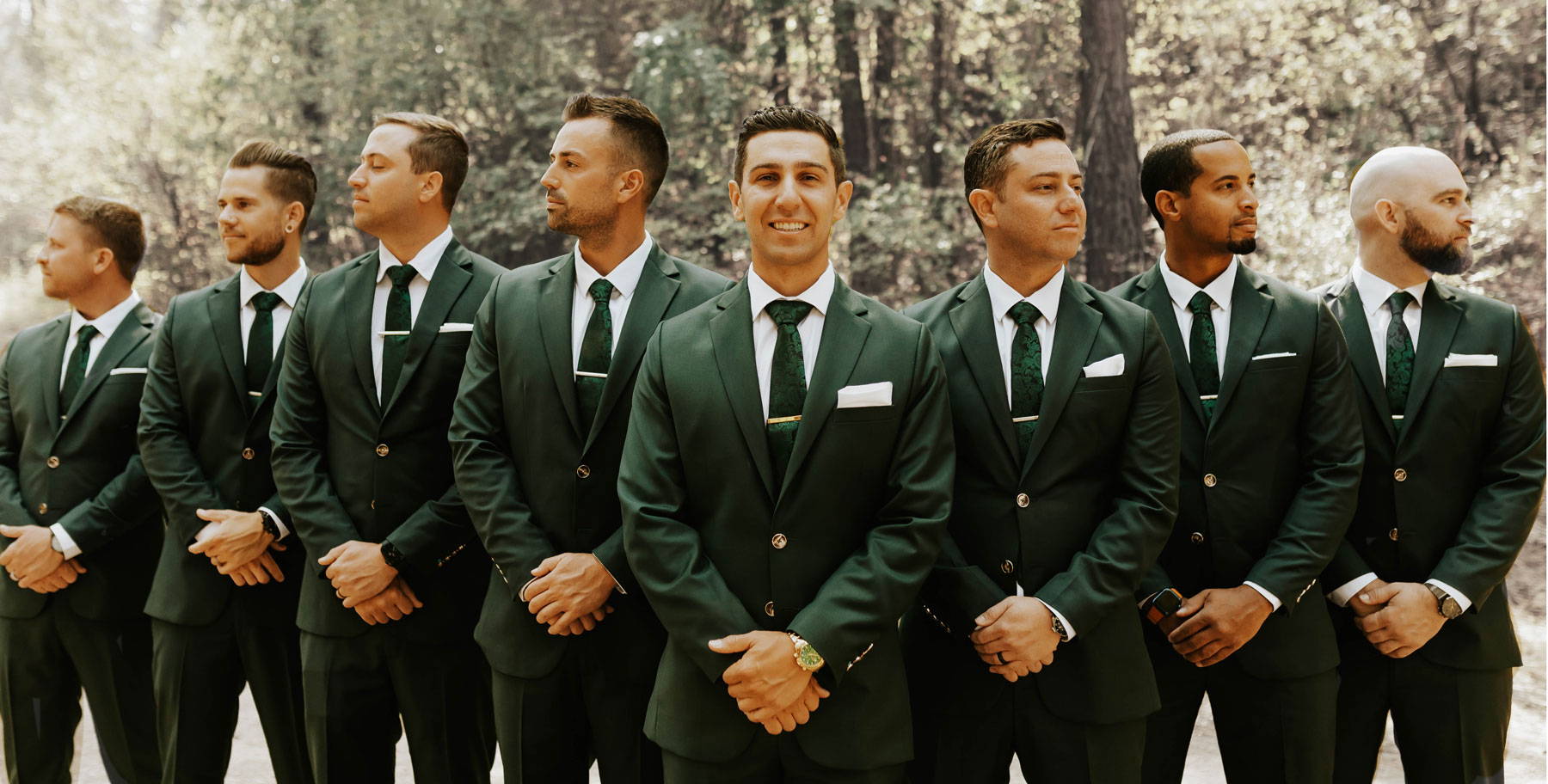
Absolutely. In 2026, dark green (forest or hunter) and textured olive suits are popular alternatives to the traditional blue or grey. A well-tailored green suit is seen as a sign of a style-conscious guest. The only exception is the specific "green hat" taboo in certain Chinese cultural contexts, as mentioned previously.
What if the bridesmaid dresses are green?
If the bridesmaids are wearing green, you can still wear green, but it is polite to choose a different shade. For example, if they are in light sage, you might wear a dark forest green. This ensures you don't look like an "uninvited bridesmaid" in the group photos.
Final Recommendation
Wearing green to a wedding is perfectly acceptable and generally considered a stylish, sophisticated choice in 2026. The "bad luck" associations are relics of a distant past—either rooted in playful folklore about fairies or the grim reality of 19th-century arsenic dyes. Unless you are attending a wedding with very specific cultural prohibitions or the couple has requested otherwise, you should feel confident in your choice. Green represents life and vitality, making it a beautiful way to celebrate a new marriage.