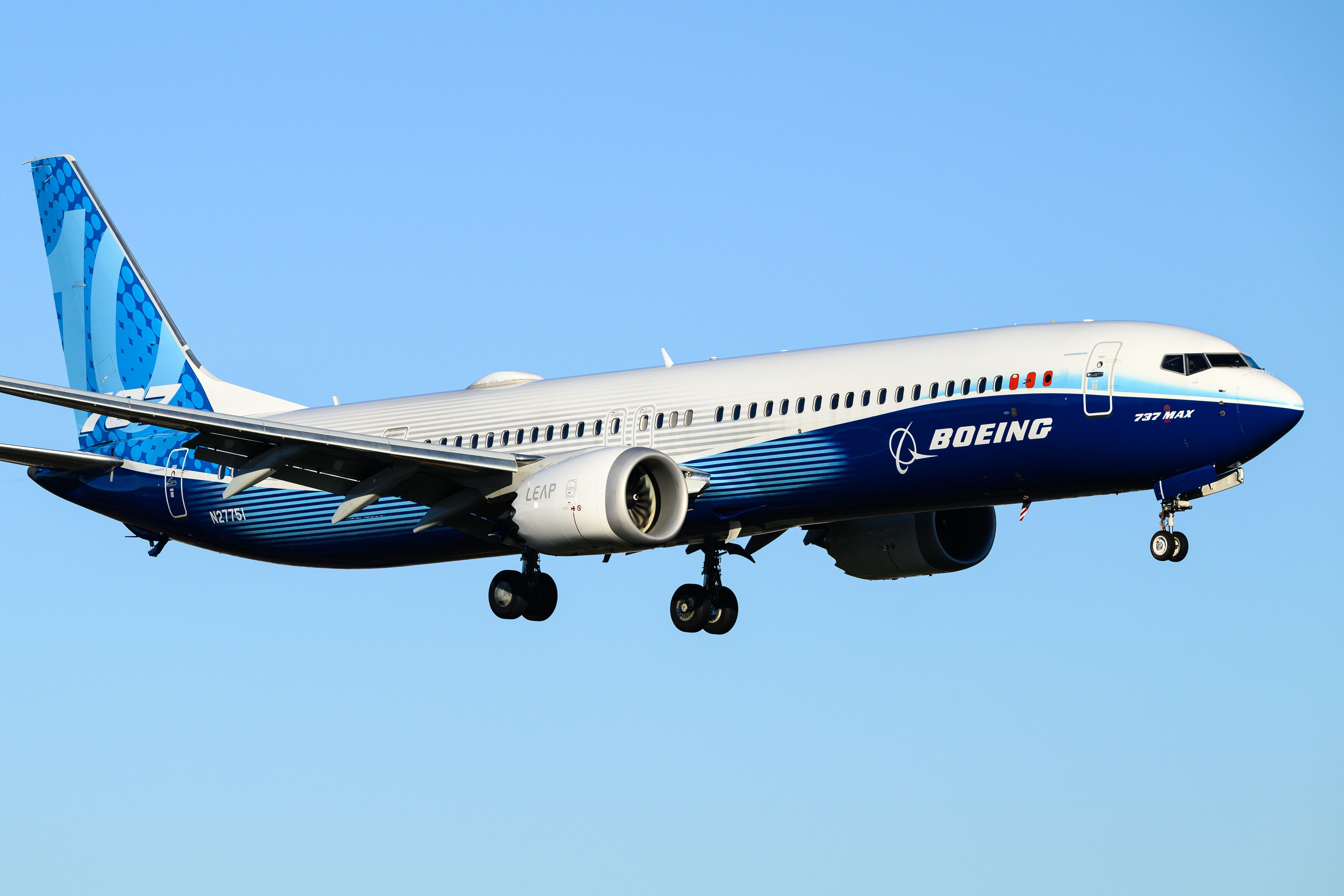
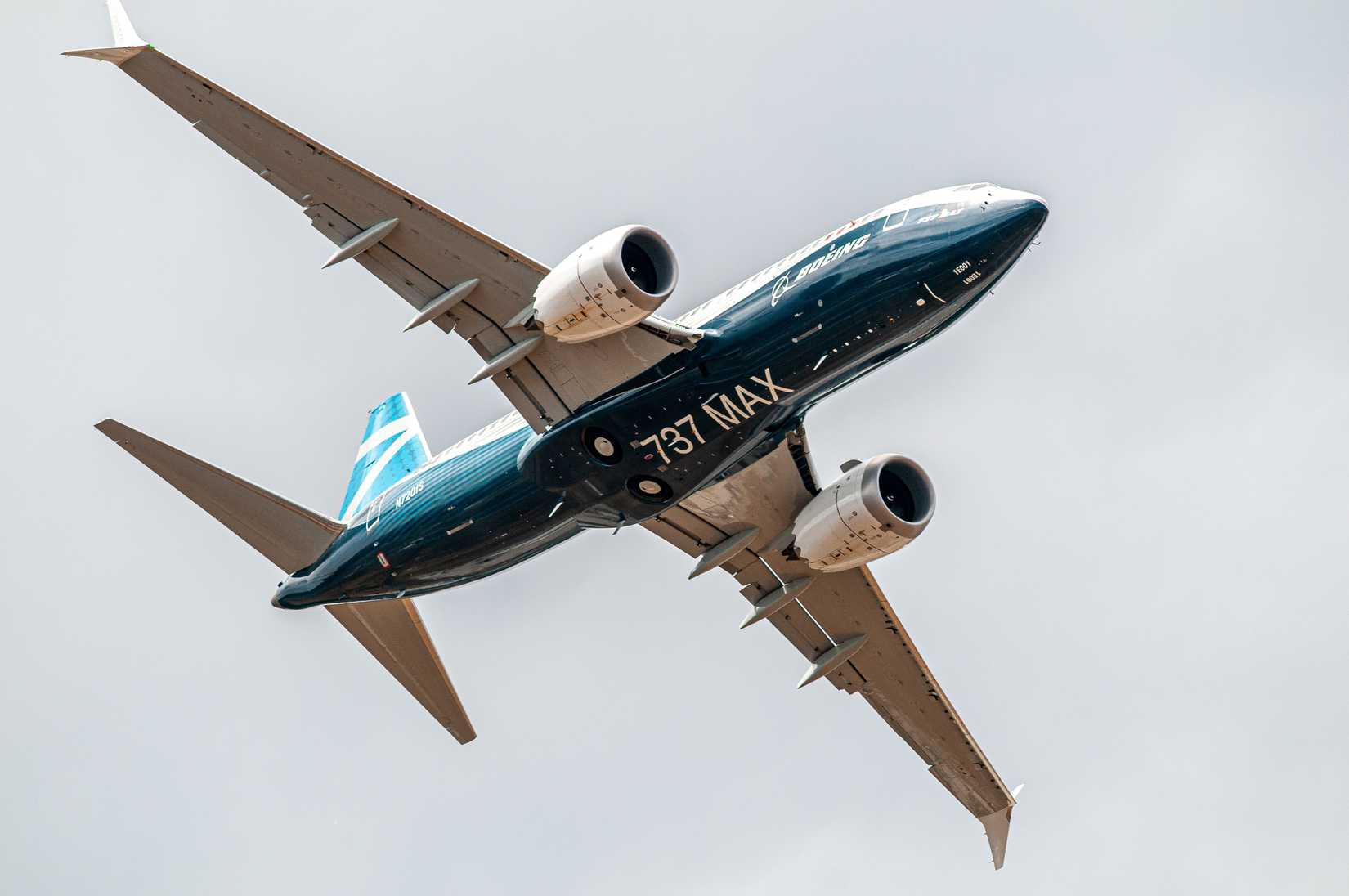
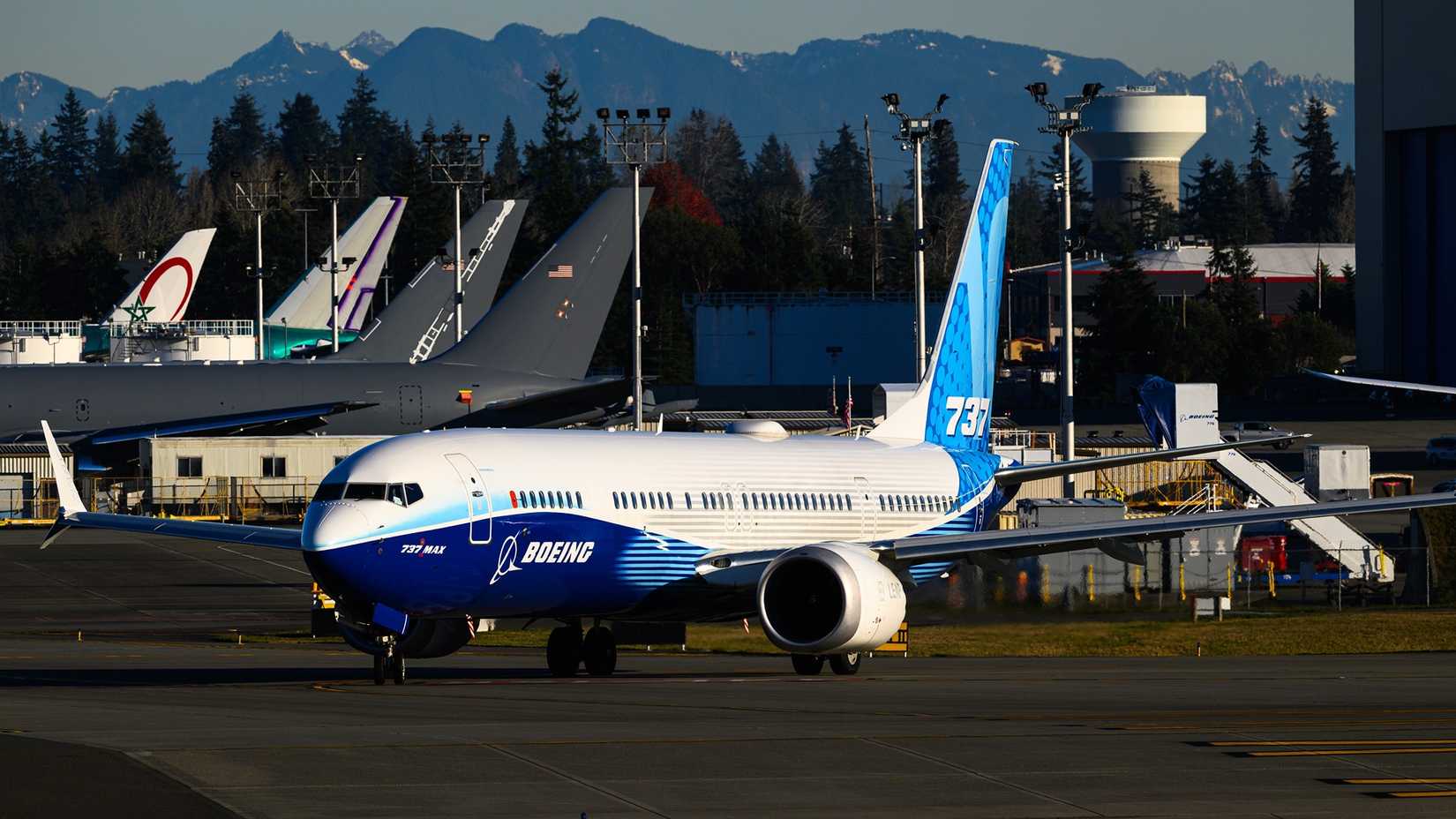
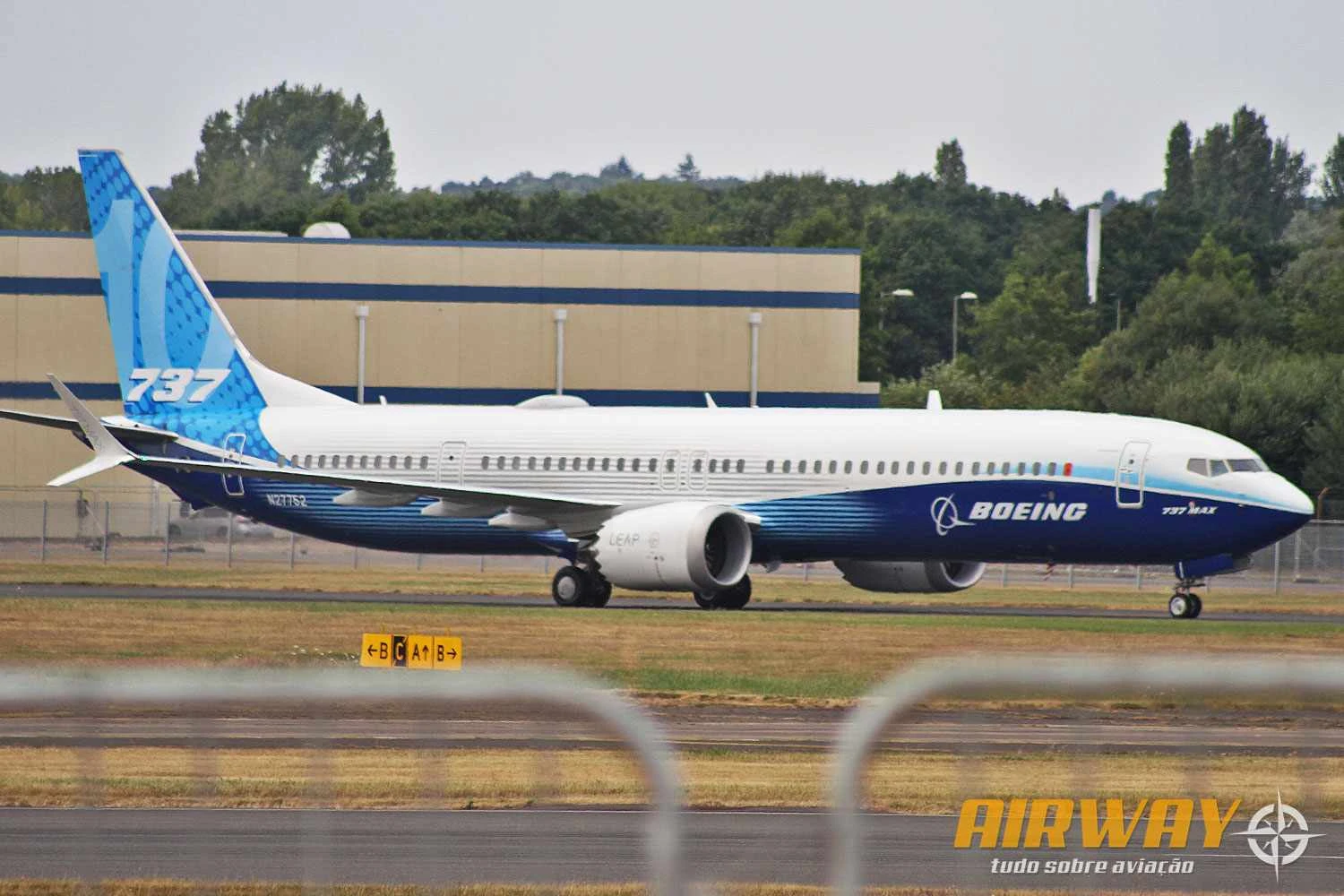
The 737 MAX documentary, most notably exemplified by the 2022 Netflix release Downfall: The Case Against Boeing, serves as a critical investigative record of the systemic failures surrounding the development, certification, and operation of the Boeing 737 MAX aircraft. This overview synthesizes the primary findings documented in investigative journalism, government reports, and court proceedings to explain the causal factors of the Lion Air Flight 610 and Ethiopian Airlines Flight 302 tragedies.
The Genesis of the 737 MAX Crisis
To understand the documentary narratives surrounding the 737 MAX, one must look at the industrial pressure that necessitated the aircraft's existence. In the early 2010s, Boeing faced a competitive threat from the Airbus A320neo, which promised significantly improved fuel efficiency. Boeing’s response was the 737 MAX—a re-engined version of the classic 737 airframe.
The "verified" aspect of the documentaries—and the supporting FAA and House Committee on Transportation and Infrastructure reports—centers on the Maneuvering Characteristics Augmentation System (MCAS). Because the new, larger engines had to be placed further forward and higher on the wings to maintain ground clearance, the aircraft exhibited a tendency to pitch up at high angles of attack. Boeing engineers developed MCAS to automatically push the nose down to simulate the handling characteristics of the legacy 737. Crucially, the system relied on a single Angle of Attack (AoA) sensor, creating a single point of failure that, when fed erroneous data, led to the catastrophic nose-down commands that overwhelmed the pilots.
Key Documentation and Investigative Pillars
Documentaries covering the 737 MAX generally rely on three pillars of evidence to reconstruct the timeline of events:
- Internal Communications: Journalists and investigators gained access to thousands of pages of internal Boeing emails. These communications revealed a culture where employees expressed concerns about the safety of the aircraft and the pressure to meet aggressive production deadlines.
- Regulatory Oversight Analysis: The Federal Aviation Administration (FAA) delegated a significant portion of the certification process to Boeing employees through the Organization Designation Authorization (ODA) program. Documentaries explore how this shifting of oversight may have prioritized speed-to-market over rigorous independent safety verification.
- Black Box and Telemetry Data: The forensic recovery of data from the downed flights provided the objective basis for understanding how MCAS behaved in the cockpit. This verified data proved that the flight crews were not adequately warned about the system's existence, nor were they trained on how to counteract its activation in a malfunction scenario.
The Human Cost and Corporate Accountability
The emotional weight of the documentaries is derived from the stories of the victims' families, who spent years documenting the corporate decisions that allowed the 737 MAX to continue flying even after the first crash. This segment of the record is verified through the findings of the 2020 House Committee report, which characterized the development of the 737 MAX as a "haunting chronicle of corporate complacency."
The legal and financial fallout remains a significant part of the historical record. In 2021, Boeing entered into a Deferred Prosecution Agreement (DPA) with the U.S. Department of Justice, paying a $2.5 billion settlement. This agreement acknowledged that Boeing employees misled the FAA regarding the scope and capabilities of the MCAS system during the initial certification process.
Comparative Analysis of Safety Systems
Understanding the technical failures of the 737 MAX requires a comparison between the 737’s legacy systems and the changes introduced by the MAX program. The following table highlights the critical differences identified in investigative documentation regarding the safety protocols and design logic of the period.
| Feature | Legacy 737 (NG) | 737 MAX (Initial) | 737 MAX (Post-Fix) |
|---|---|---|---|
| MCAS Activation | Not present | Single AoA Sensor | Dual AoA Sensors |
| Control Logic | Pilot-driven | Automatic push-down | Redundant validation |
| Pilot Training | Standard | Reduced (Computer-based) | Enhanced simulator training |
| System Authority | High control redundancy | High authority override | Limited authority |
Lessons in Aviation Safety Culture
A core theme in the documentaries is the transformation of the aviation industry from an engineering-led culture to one prioritized by financial performance and share value. This transition is not merely a critique; it is supported by structural changes in how large aerospace firms operate.
The documents produced for these investigations suggest that when engineering concerns are filtered through the lens of cost-saving and competition, the resulting safety margins can shrink. The "verified overview" of the 737 MAX crisis is, therefore, a lesson in the necessity of robust, independent regulatory oversight. The FAA's shift in 2026 and preceding years toward more stringent, direct verification of new aircraft systems reflects the lessons learned from these incidents.
Operational Status and 2026 Context
As of 2026, the 737 MAX has undergone extensive redesigns and multiple rounds of recertification by aviation authorities globally, including the FAA and EASA. The software updates, which now require input from both Angle of Attack sensors and limit the ability of MCAS to move the stabilizer repeatedly, are standard on all operational units.
The documentaries serve as a permanent archive of the specific failures of that era. They remind current stakeholders—from maintenance crews to airline executives—that aviation safety is built on the foundation of transparency. In the current landscape, the focus has shifted from the initial mechanical failures to long-term quality control and the maintenance of a safety-first culture in mass-production environments.
Frequently Asked Questions
1. Is Downfall: The Case Against Boeing considered a factual record? While Downfall is a documentary, it is widely cited for its reliance on verified government documents, sworn testimony, and internal company emails that were made public during congressional investigations. It is considered a representative summary of the public findings regarding the 737 MAX.
2. What was the primary technical failure of the 737 MAX? The primary technical failure was the MCAS system’s reliance on a single Angle of Attack sensor, which, if provided with faulty data, would trigger an aggressive, uncommanded nose-down pitch. Pilots were not adequately trained to recognize or override the system in a high-workload environment.
3. Has the 737 MAX been fixed? Yes. Following a global grounding that lasted nearly two years, the aircraft underwent significant software, hardware, and training updates. It has been recertified and has been flying safely under the new protocols for several years leading into 2026.
4. Where can I find the official government reports mentioned in these documentaries? Official reports, including the 2020 House Committee on Transportation and Infrastructure report, are available through the public archives of the U.S. government. These documents provide the most authoritative verification of the events, independent of documentary filmmaking.
5. How did the 737 MAX crisis change aviation regulations? The crisis prompted a major overhaul of the aircraft certification process. This included the Aircraft Certification, Safety, and Accountability Act (ACSAA), which gave the FAA more direct control over certification and increased the scrutiny placed on manufacturers regarding human-factors training and sensor redundancy.
Practical Recommendation for Further Research
If you are researching this topic for professional or academic purposes, move beyond documentary media by accessing the primary source material. The House Committee on Transportation and Infrastructure’s Final Report on the Design, Development, and Certification of the Boeing 737 MAX remains the definitive verified source. You can locate this through official government portal searches. For those monitoring ongoing safety, consult the FAA’s Airworthiness Directives (AD) database, which lists all current safety mandates for the aircraft in service as of 2026.