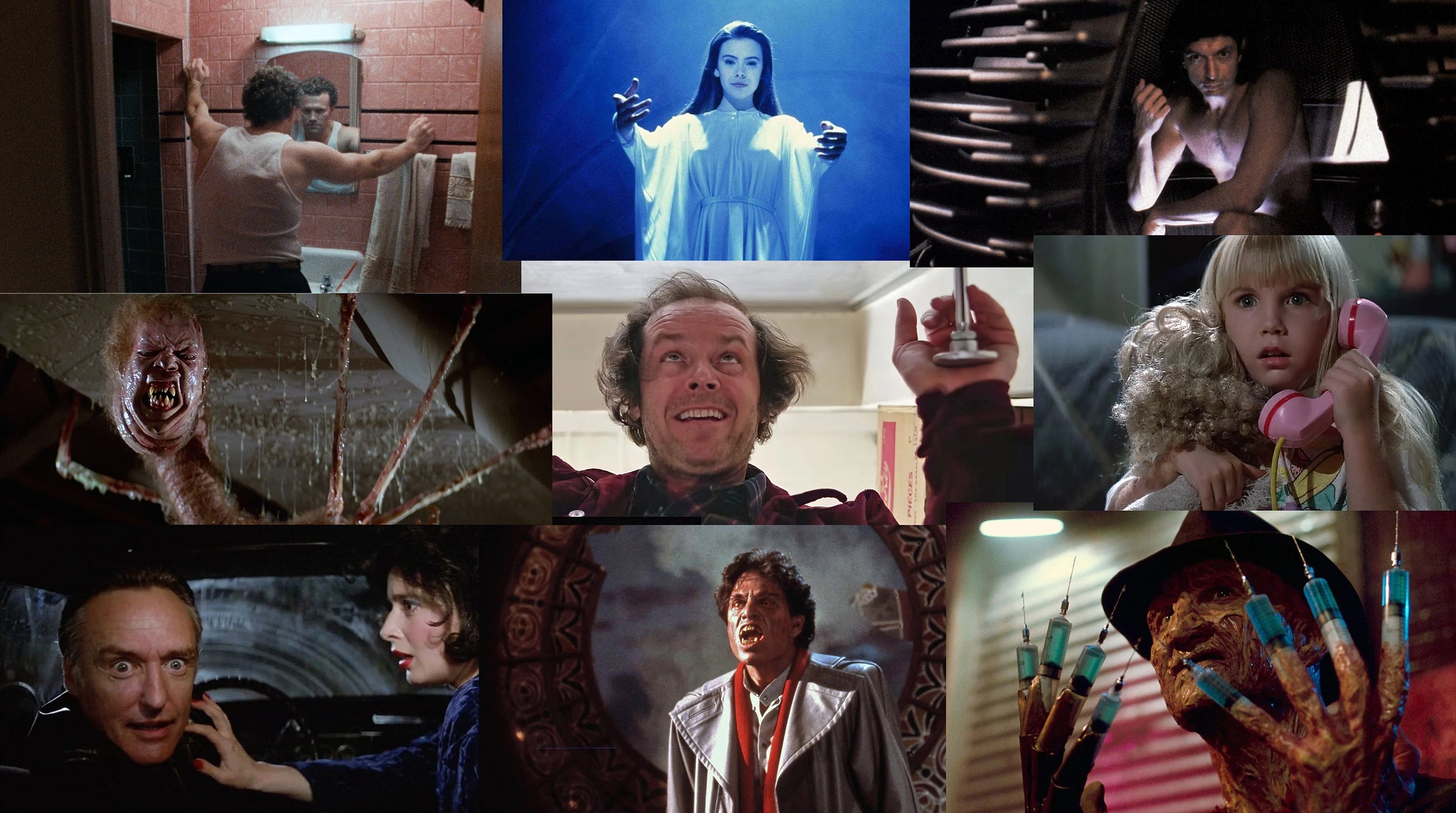
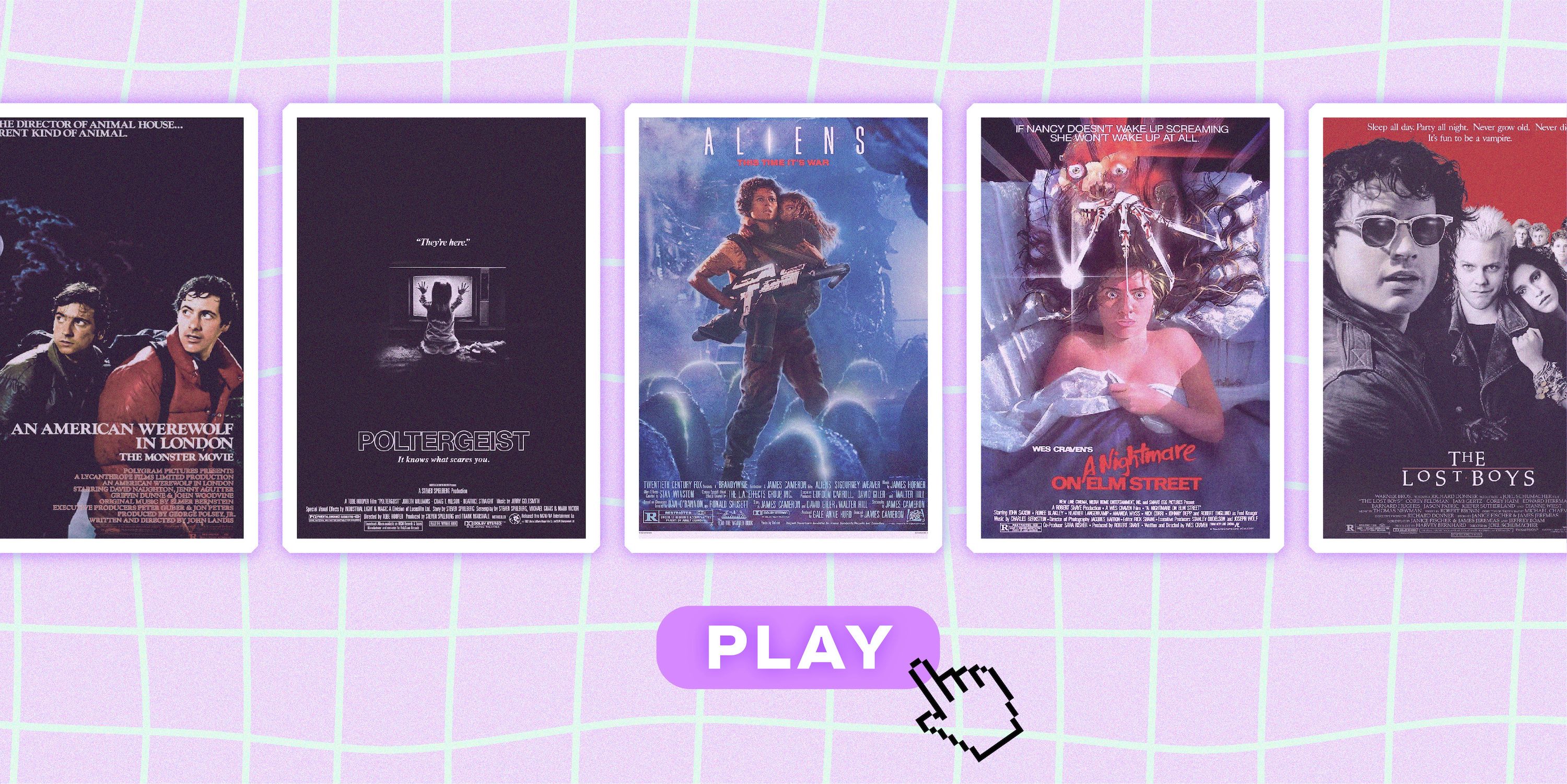
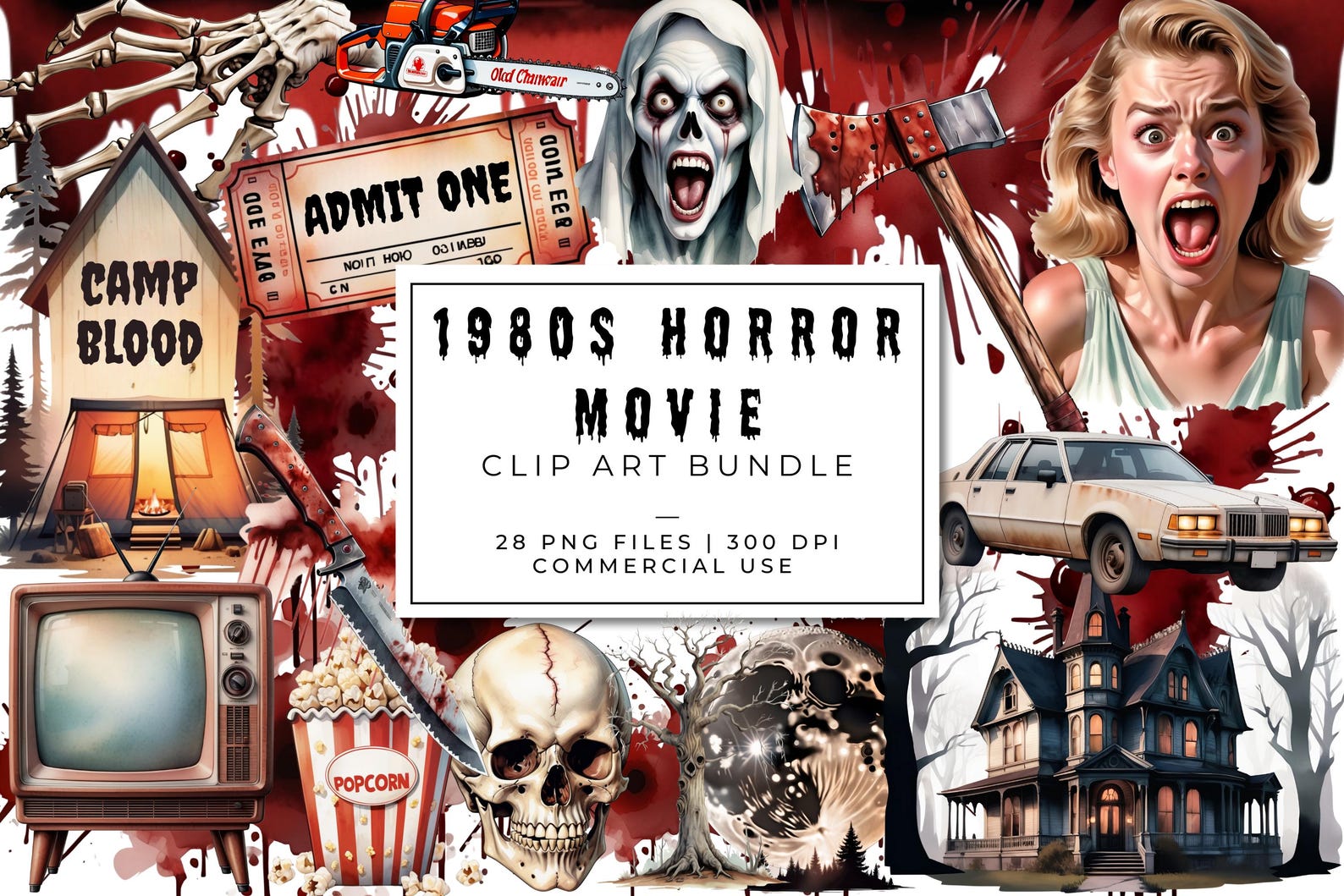
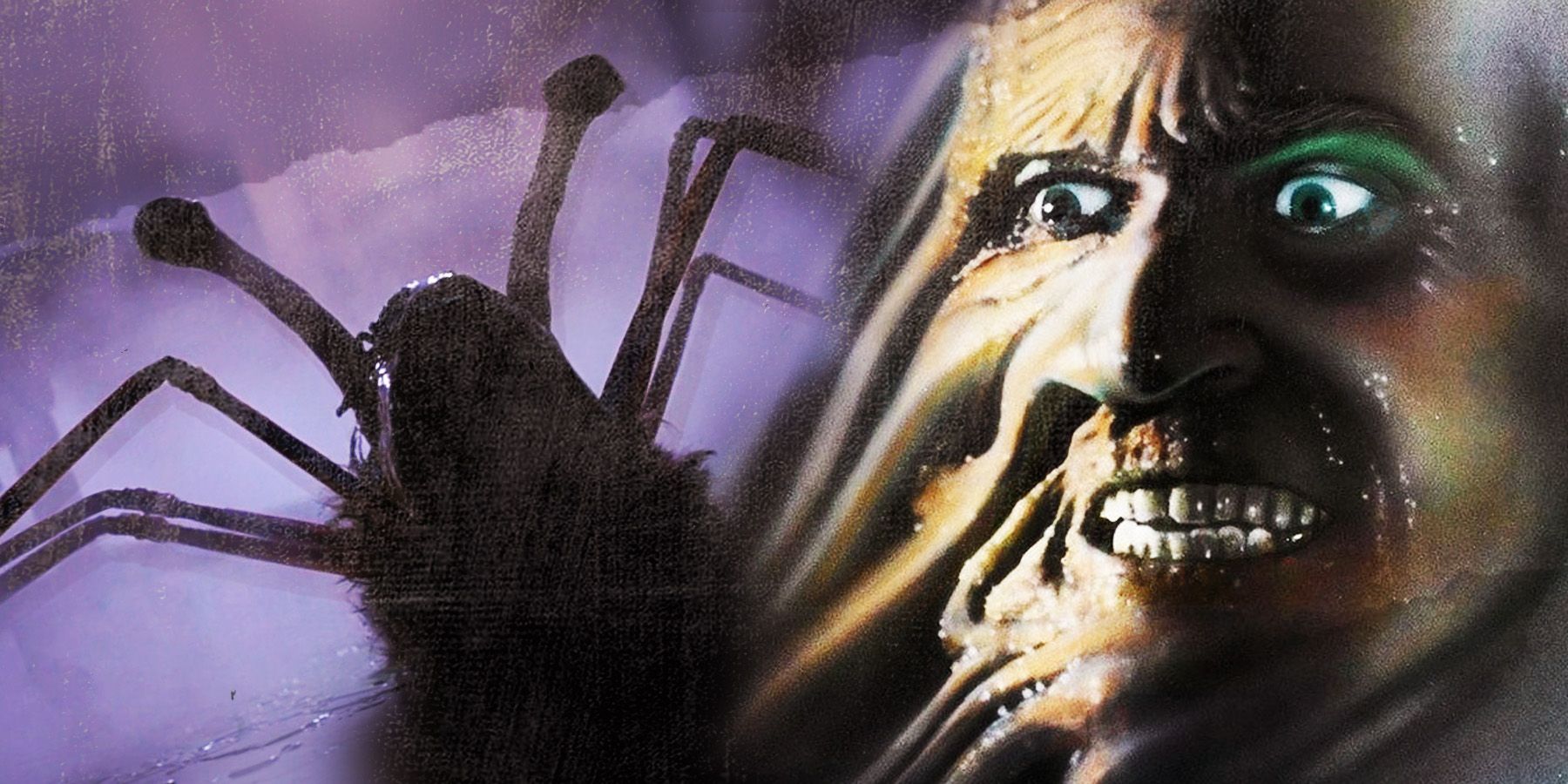
The 1980s horror genre represents a defining era of cinematic excess, technological innovation, and cultural shifting, characterized by the explosive growth of practical special effects, the codification of the slasher archetype, and the commercialization of fear through home video distribution. This period fundamentally transformed horror from a marginalized, low-budget novelty into a dominant cultural and economic force in global cinema.
The Historical Landscape of 1980s Horror
The 1980s did not emerge in a vacuum; it inherited the cynical, gritty realism of 1970s horror—exemplified by films like The Texas Chain Saw Massacre (1974) and Halloween (1978)—but quickly reshaped those foundations to reflect a changing political and social climate. As the counterculture of the previous decade gave way to Reagan-era conservatism, corporate expansion, and hyper-capitalism, horror cinema mirrored these societal anxieties.
At the same time, the widespread adoption of the Video Home System (VHS) revolutionized film consumption. For the first time, audiences could rent movies and watch them in the privacy of their living rooms or at late-night slumber parties. This technological shift created an insatiable demand for new content, allowing independent producers to bypass traditional studio gatekeepers. Low-budget filmmakers could turn a profit on video rentals alone, even if their theatrical box office returns were modest. This economic model fostered an environment of experimentation, giving rise to unique directorial voices, avant-garde creature features, and endless sequels that prioritized high-concept premises and memorable antagonists over quiet psychological dread.
The Golden Age of the Slasher Subgenre
While the supernatural and science-fiction horror hybrids claimed substantial market shares, the slasher film became the undisputed commercial engine of 1980s horror. Following the massive financial success of John Carpenter’s Halloween and Sean S. Cunningham’s Friday the 13th (1980), studios rushed to replicate their formulas.
The structural blueprint of the slasher film quickly solidified into a rigid set of tropes: a masked or disfigured killer stalking a group of morally compromised youths, usually in an isolated setting like a summer camp, a suburban neighborhood, or a college sorority house. This era introduced iconic cinematic boogeymen who transcended their individual films to become global pop-culture icons, including Freddy Krueger from A Nightmare on Elm Street (1984) and Pinhell from Hellraiser (1987).
| Franchise / Film | Primary Antagonist | Signature Weapon / Method |
|---|---|---|
| Halloween (1980s) | Michael Myers | Chef's Knife |
| Friday the 13th | Jason Voorhees | Machete |
| A Nightmare on Elm | Freddy Krueger | Bladed Leather Glove |
| Hellraiser | Pinhead (Lead Cenobite | Lemarchand's Box / Chains |
As the decade progressed, these franchises evolved from suspenseful thrillers into darkly comedic spectacles. Antagonists transformed from silent, faceless forces of nature into charismatic antiheroes who delivered witty one-liners before dispatching their victims. This self-aware shift kept audiences returning for sequels, even as the narrative logic grew increasingly strained.
The Revolution of Practical Special Effects
One of the defining technical achievements of 1980s horror was the undisputed dominance of practical special effects. Before digital computer-generated imagery (CGI) altered the filmmaking landscape, artists relied on mechanical rigs, pneumatic puppets, foam latex appliances, fake blood formulations, and stop-motion animation to bring visceral nightmares to life.
Pioneers like Rick Baker, Tom Savini, and Rob Bottin elevated gore and creature design to high art. Films such as John Carpenter’s The Thing (1982) and David Cronenberg’s The Fly (1986) pushed the boundaries of body horror, presenting transformations and mutilations that remain astonishingly convincing decades later.
Key Techniques in Practical Horror Effects
- Bladders and Tubing: Hidden pneumatic tubes filled with custom blood mixtures allowed artists to simulate spurting arteries and erupting wounds in real-time on set.
- Mechanical Puppetry: Cable-controlled and radio-controlled creatures provided actors with physical interactable targets, enhancing genuine terror and reactive performances.
- Foam Latex Appliances: Custom-molded facial and bodily prosthetics were glued directly onto actors' skin, allowing for seamless integration of wounds, burns, and mutating flesh while maintaining facial articulation.
This tactile approach gave 1980s horror a gritty, physical weight. Because the horrors on screen were physically present on the set, actors could react to tangible textures and movements, grounding fantastical scenarios in a visceral reality that continues to influence modern filmmakers seeking alternatives to digital effects.
Subgenres and Diverse Thematic Explorations
Beyond slashers and body horror, the 1980s fostered a rich ecosystem of distinct subgenres that catered to varied audience tastes, ranging from high-concept sci-fi horror to campy creature features.
Sci-Fi Horror and Extraterrestrial Terror
Merging the bleak isolation of outer space with terrestrial anxieties, films like Ridley Scott’s Alien (released at the tail end of 1979 but spawning its defining 1980s sequels and aesthetic imitators) and The Thing explored themes of contamination, paranoia, and the loss of bodily autonomy. These narratives played on Cold War fears of infiltration, presenting enemies that could mimic human appearance or burrow inside the host body.
Occult and Demonic Possession
Following the massive success of The Exorcist in the 1970s, the 1980s produced numerous variations on religious horror, demonic possession, and satanic panic. Films like The Evil Dead (1981) combined traditional demonic tropes with kinetic, roller-coaster camerawork and slapstick dark humor, establishing Sam Raimi as a visionary auteur and creating a beloved cult franchise.
The Rise of Horror-Comedy
As audiences grew accustomed to formulaic slashers, filmmakers began subverting expectations by injecting overt humor into macabre situations. Classics like An American Werewolf in London (1981) and Re-Animator (1985) balanced genuine frights with grotesque physical comedy, proving that terror and laughter could successfully coexist on screen.
Long-Term Cultural Impact and Legacy
The influence of 1980s horror extends far beyond nostalgia. The narrative structures, character archetypes, and marketing strategies developed during this era laid the groundwork for modern horror franchises and independent filmmaking.
In contemporary cinema, the aesthetics of the 1980s—synthesizer-heavy musical scores, neon lighting palettes, and practical creature designs—frequently resurface in retro-inspired hits like Stranger Things and modern indie horror productions. Film historians and archivists continue to study the decade as a unique economic and creative anomaly, where low barriers to entry for distribution coincided with a golden age of artisan craftsmanship in special effects.
Frequently Asked Questions
What defined the aesthetic of 1980s horror films?
The aesthetic was defined by practical special effects, synthesizer-driven musical scores, vibrant neon or heavily shadowed lighting, and a balance between gritty realism and high-energy cinematic spectacle.
Why did the slasher subgenre become so popular during this decade?
The slasher subgenre thrived due to the proliferation of home video rental stores, which created high demand for inexpensive, high-concept genre films that could easily attract teenage and young adult audiences.
How did practical effects differ from modern CGI in 1980s horror?
Practical effects involved physical, tangible materials—such as mechanical puppets, prosthetics, and fake blood—which were filmed live on set, allowing actors to interact directly with the physical manifestations of the horror.
What role did home video play in the 1980s horror boom?
The VHS format allowed independent filmmakers to bypass traditional theatrical distribution models. Films that underperformed in theaters could achieve profitability and cult status through home video rentals and direct-to-video sales.
Are 1980s horror films still influential in modern cinema?
Yes. Modern filmmakers frequently emulate the practical effects techniques, synthesizer soundtracks, and archetypal character dynamics pioneered during the 1980s.
Strategic Next Steps for Enthusiasts and Researchers
To deepen your understanding of 1980s horror, explore comprehensive documentary retrospectives such as Searchlight Pictures' or specialized multi-part docuseries like In Search of Darkness, which feature firsthand accounts from the directors, effects artists, and actors who defined the era. Examine original uncut prints and restored physical media releases to appreciate the tactile quality and cinematography intended by the original creators.