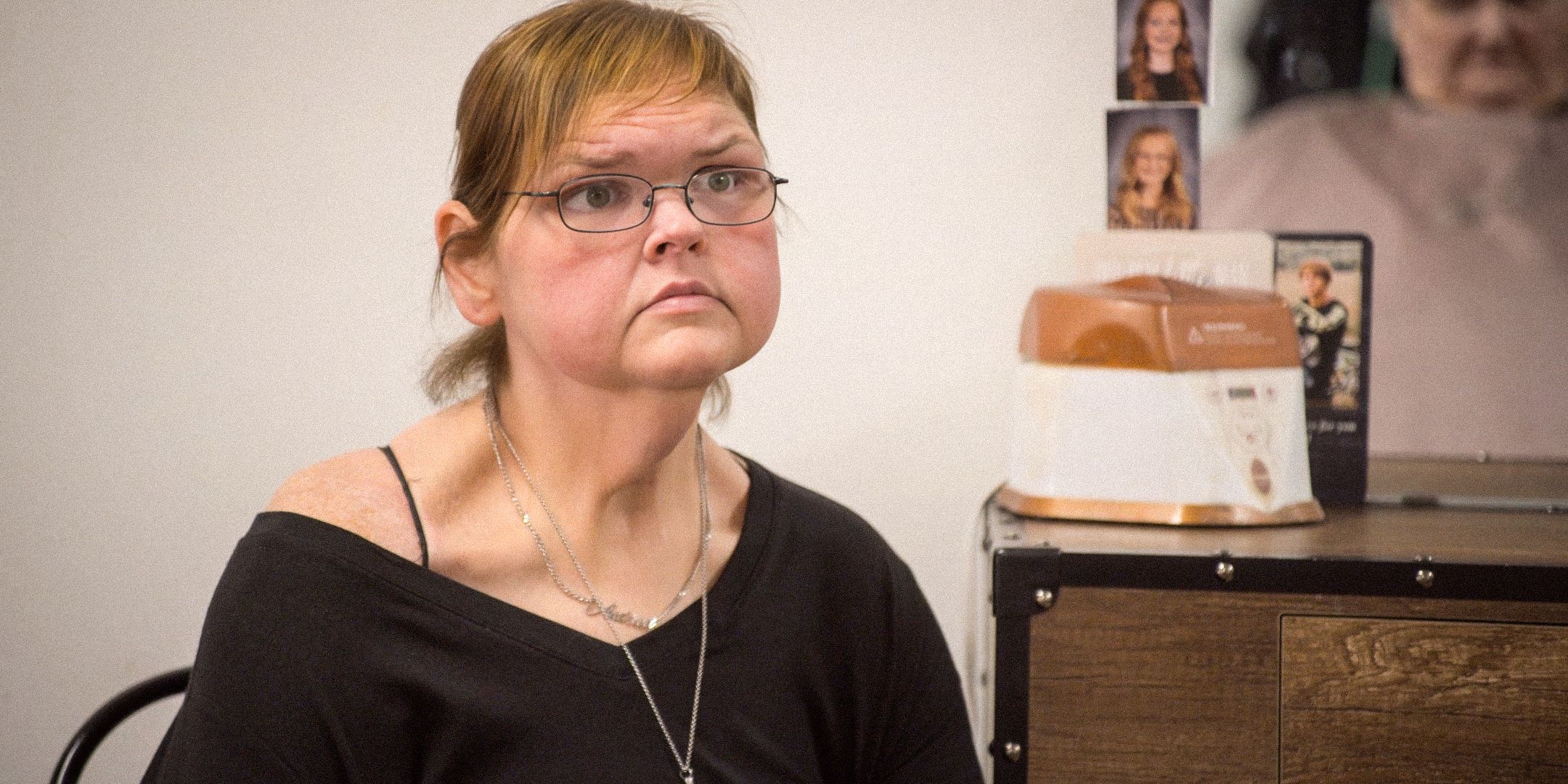
The reality of skin removal surgery following massive weight loss involves significant medical procedures aimed at contouring the body. For participants of the TLC series 1000-lb Sisters, the process is a complex, multi-stage medical journey that requires rigorous physiological health markers, substantial recovery periods, and realistic expectations regarding permanent scarring and long-term maintenance.
The Medical Necessity of Post-Bariatric Surgery
For individuals who undergo massive weight loss, such as the subjects featured on 1000-lb Sisters, the primary motivation for seeking skin removal surgery—medically referred to as body contouring or panniculectomy—is rarely purely aesthetic. When a person loses several hundred pounds, the skin loses its elasticity and fails to retract, leading to excessive folds of tissue.
This excess skin, particularly in the abdominal area (the pannus), can cause severe health complications. These include chronic skin infections, intertrigo (a severe rash caused by moisture trapped in folds), mobility limitations, and persistent back pain due to the weight of the excess tissue. Plastic surgeons typically categorize this surgery as a functional necessity rather than a cosmetic enhancement when it is performed to treat these specific physiological ailments.
Prerequisites and Eligibility Criteria
Before a surgeon clears a patient for skin removal, several stringent criteria must be met. These are not merely suggestions; they are safety protocols designed to minimize the risk of post-operative complications:
- Weight Stability: Patients must demonstrate that their weight has remained stable for a minimum of six to twelve months. Significant fluctuations post-surgery can compromise the results and increase the risk of wound dehiscence (the separation of healing skin edges).
- Nutritional Baseline: Surgeons require blood work to ensure that protein levels, iron, and essential vitamins (such as B12 and D) are within a healthy range. Malnutrition is common in post-bariatric patients, and it significantly impairs the body's ability to heal large surgical incisions.
- Smoking Cessation: Nicotine constricts blood vessels and inhibits oxygen delivery to the tissues. Because skin removal surgery involves large-scale incisions, smokers are at an extremely high risk for tissue necrosis (skin death) and are almost universally required to quit months before the procedure.
- Psychological Readiness: The recovery process is painful and mentally taxing. Surgeons often require a psychological evaluation to confirm the patient is prepared for the reality of long-term recovery and the physical changes to their body.
What to Expect: The Procedure and Results
A panniculectomy is the most common procedure performed for patients in this demographic. It involves the removal of the apron of skin and fat from the lower abdomen. In more comprehensive body contouring, surgeons may perform a circumferential abdominoplasty (a "belt lipectomy"), which removes loose skin from the front, sides, and back.
Typical Surgical Outcomes
- Contouring: The body appears smoother and more defined. The "apron" of skin that previously caused discomfort is removed.
- Scarring: Patients must be prepared for permanent, extensive scarring. While surgeons make every effort to place incisions in discrete areas, a full body contouring procedure results in long, visible lines. These scars fade over time but never disappear entirely.
- Recovery Timeline: Initial healing typically takes six to eight weeks, but full recovery, including the resolution of swelling and the settling of surgical scars, can take up to a year.
Comparison of Weight Loss Surgery Stages
| Procedure Phase | Focus Area | Recovery Time | Primary Goal |
|---|---|---|---|
| Initial Weight Loss | Gastric Bypass/Sleeve | 4–6 Weeks | Metabolic correction and fat reduction |
| Panniculectomy | Lower Abdominal Skin | 6–8 Weeks | Removal of skin infection/irritation source |
| Body Contouring | Midsection/Circumferential | 3–6 Months | Structural tightening and contouring |
| Secondary Refinements | Targeted Areas (Arms/Legs) | 4–6 Weeks | Symmetry and final aesthetics |
The Reality of "Before and After" Documentation
When analyzing the outcomes of 1000-lb Sisters participants, it is important to distinguish between "after" photos captured in a controlled studio environment and the day-to-day reality of the recovery process. The "after" results in the media often showcase the successful elimination of the pannus, but they do not always illustrate the presence of surgical drains, compression garments, or the common occurrence of post-operative lymphedema (swelling).
Patients should view "after" photos as a reflection of successful healing rather than an overnight transformation. The skin continues to contract and settle for months following the procedure. Furthermore, the final result is highly dependent on the patient's adherence to post-operative instructions, including the strict use of compression binders that prevent fluid accumulation and support the abdominal wall during the healing process.
Risks and Complications
It is a misconception that skin removal surgery is a "simple" procedure. For patients who have undergone massive weight loss, the surgery is inherently more dangerous than it is for an average-weight individual. The vascular system in the excess skin is often compromised, and the large surface area involved in the incision increases the risk of blood clots, deep vein thrombosis, and infection.
Medical professionals prioritize patient safety by breaking up the surgeries. A patient might undergo a panniculectomy first, wait several months for recovery, and then address other areas like the arms (brachioplasty) or thighs (thighplasty). This staged approach reduces the duration of anesthesia and lessens the burden on the cardiovascular system.
FAQ: Common Questions Regarding Post-Weight Loss Surgery
Is skin removal surgery covered by insurance? Often, yes, but only if it is classified as a panniculectomy for medical reasons (e.g., documented chronic rashes, infections, or ulcerations). Cosmetic body contouring for the sake of appearance is typically not covered and can cost tens of thousands of dollars out-of-pocket.
How much weight will I lose from the surgery itself? While the surgery removes significant physical weight—often between 5 and 20 pounds of skin and fatty tissue—it is not a weight loss procedure. It is a body contouring procedure. The health benefits are based on hygiene and mobility rather than the scale number.
Can I have all my skin removed at once? It is generally discouraged. Removing too much skin in one operation significantly increases the risk of shock and complications. Most surgeons will require separate sessions to ensure the body can handle the trauma of healing multiple major incision sites.
Will the skin grow back if I gain weight later? The surgery removes skin permanently, but the remaining skin can stretch, and residual fat cells can expand if the patient experiences significant weight gain post-surgery. Maintaining a stable weight is the only way to preserve the long-term structural results.
When is the best time to schedule skin removal? The ideal time is after reaching a stable weight for at least one year. Scheduling surgery too early, while the patient is still actively losing weight, often leads to suboptimal results, as the skin will continue to sag as more weight is lost.
Moving Forward with Informed Decisions
For those following the journey of individuals on 1000-lb Sisters, the key takeaway is that skin removal is an endurance test. It is the final, often grueling, step in a lifelong commitment to health. If you are considering this path, the first step is to consult with a board-certified plastic surgeon who specializes in post-bariatric body contouring. You must provide a comprehensive medical history, including all details regarding your weight loss journey and any prior metabolic surgeries.
Focus on finding a provider who prioritizes patient safety over aggressive transformation. Request to see photos of patients with similar initial weight loss profiles to your own to establish realistic expectations. Remember that your health is the primary metric for success, and the surgical journey should be navigated with the support of a multi-disciplinary medical team, including your primary physician and bariatric specialist.