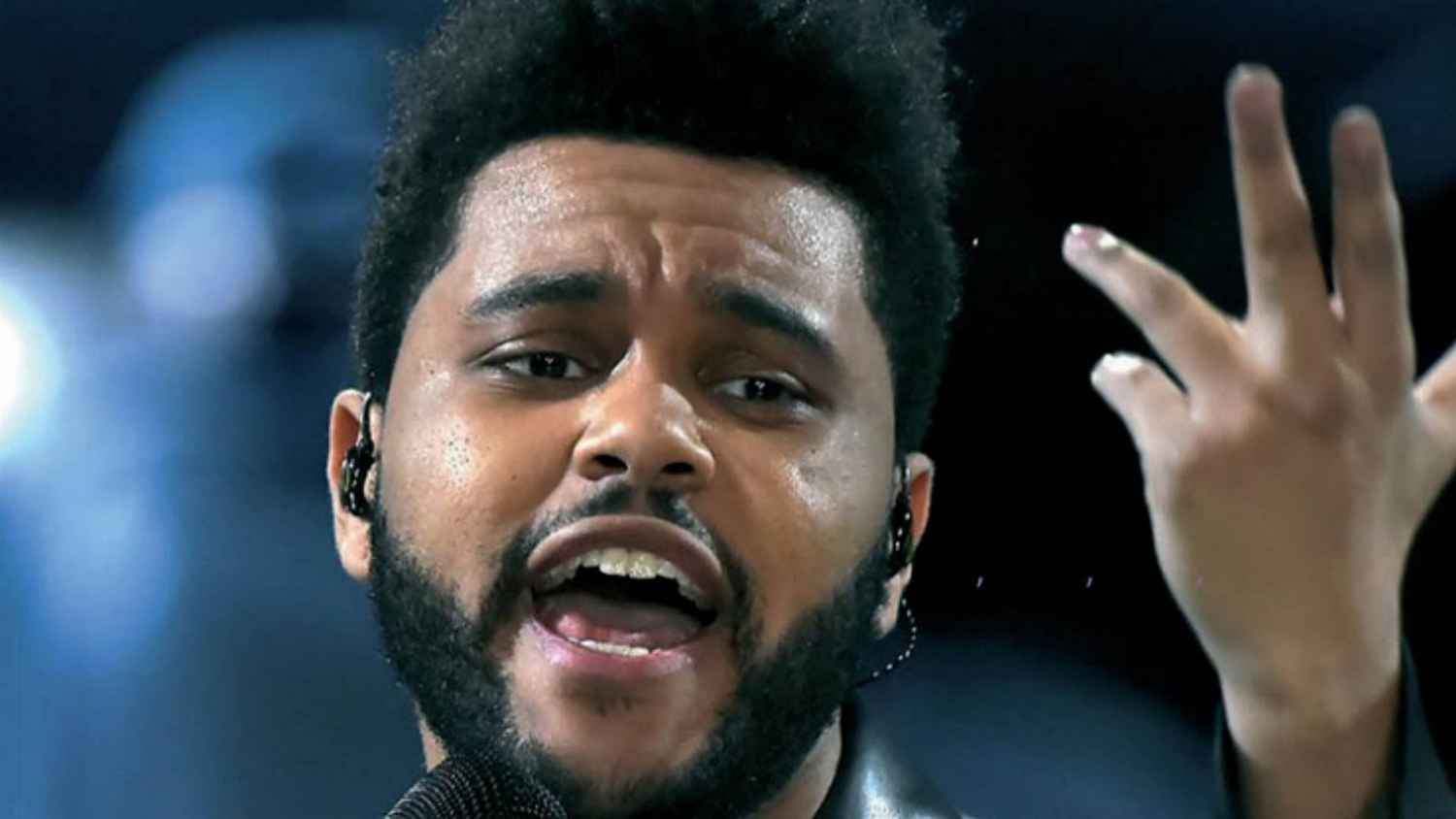
Abel "The Weeknd" Tesfaye’s debut feature film, Hurry Up Tomorrow, is a psychological thriller and horror-adjacent masterpiece directed by Trey Edward Shults. Starring Tesfaye alongside Jenna Ortega and Barry Keoghan, the film serves as a narrative extension of his final musical trilogy. As of 2026, the film has transitioned from a highly anticipated mystery into a defining moment of cinematic pop culture.
The Creative Genesis of Hurry Up Tomorrow
The transition from global pop icon to leading man and screenwriter was not an overnight shift for Abel Tesfaye. For years, his music videos—particularly those from the After Hours and Dawn FM eras—displayed a profound obsession with cinema, specifically the genres of psychological horror, body horror, and neo-noir. To bring his first full-length feature to life, Tesfaye partnered with Trey Edward Shults, the director known for the claustrophobic tension of It Comes at Night and the emotional intensity of Waves.
The project was shrouded in secrecy for much of its production cycle, which began in early 2023. By the time it reached 2026, the film’s place in the "Weeknd Universe" became clear: it is the visual soul of his final album cycle under his stage name. The collaboration between Shults and Tesfaye was born out of a mutual respect for "vibe-based" storytelling, where the atmosphere and the psychological state of the characters take precedence over traditional linear plot beats.
Lionsgate eventually secured the worldwide theatrical distribution rights, a move that signaled the film's status as a major commercial endeavor rather than a niche indie project. The studio recognized the immense crossover potential of combining one of the world’s biggest musicians with two of the most sought-after young actors in Hollywood.
Analyzing the Plot and Narrative Themes
While the production team kept specific plot points under lock and key during filming, the narrative of Hurry Up Tomorrow is deeply intertwined with the themes of fame, isolation, and the disintegration of identity. Set against the neon-soaked but hollow backdrop of Los Angeles, the film functions as a psychological thriller that flirts heavily with horror elements.
The Psychological Horror Elements
The "horror" in Hurry Up Tomorrow is not found in traditional jump scares or supernatural entities. Instead, it utilizes psychological horror to explore the terrors of the mind. The protagonist, portrayed by Tesfaye, experiences a blurring of reality and performance. This meta-commentary on his own life as "The Weeknd" provides a haunting layer to the story.
The narrative focuses on a period of intense creative and personal crisis. The film captures the feeling of being trapped in a loop—a theme mirrors the "purgatory" concept found in his Dawn FM album. Viewers are treated to a surrealist journey through high-stakes social environments and desolate, lonely spaces, creating a sense of dread that is characteristic of Trey Edward Shults’ previous work.
The Connection to the Music
As of 2026, we can confirm that the film acts as a companion piece to the album of the same name. The score, composed by Daniel Lopatin (also known as Oneohtrix Point Never) and Abel Tesfaye himself, is not merely background music; it is a character in its own right. The film utilizes the auditory landscape to heighten the sense of unease, making the theatrical experience feel like a long-form music video that has been elevated into a prestige thriller.
The Star-Studded Cast and Their Roles
One of the primary drivers of the film's success is its impeccable casting. By bringing together three actors with distinct "edge" and intensity, the production ensured a high level of dramatic gravity.
Abel "The Weeknd" Tesfaye
Taking on the lead role, Tesfaye proves his range beyond the stylized personas of his music videos. While he had a brief appearance in Uncut Gems and a controversial stint in The Idol, Hurry Up Tomorrow is his first true test as a dramatic lead. He brings a vulnerable, often unsettling energy to the screen, playing a character that feels like a deconstruction of the "Starboy" archetype.
Jenna Ortega
Jenna Ortega, who by 2026 has solidified her status as a modern "Scream Queen" and a powerhouse lead through Wednesday and the Scream franchise, provides the film’s emotional anchor. Her role is reportedly that of a confidante or a catalyst who forces the protagonist to confront the reality he is trying to escape. Her ability to convey terror and resolve simultaneously fits perfectly within the film's tense atmosphere.
Barry Keoghan
Barry Keoghan, known for his unsettling and Oscar-nominated performances in The Banshees of Inisherin and The Killing of a Sacred Deer, rounds out the main trio. Keoghan is a master of the "unpredictable" character. In Hurry Up Tomorrow, he serves as a foil to Tesfaye’s character, embodying the darker, more erratic consequences of the lifestyle depicted in the film.
| Actor | Known For | Role Type in Hurry Up Tomorrow |
|---|---|---|
| Abel Tesfaye | The Idol, Uncut Gems | Protagonist / The Creative |
| Jenna Ortega | Scream VI, Wednesday | Supporting Lead / The Catalyst |
| Barry Keoghan | Saltburn, The Batman | Antagonist / The Foil |
| Trey Edward Shults | Waves (Director) | N/A (Director/Writer) |
Production History and Technical Specifications
The production of Hurry Up Tomorrow was a massive undertaking that sought to blend the aesthetic of high-fashion photography with the grit of 1970s psychological thrillers.
Filming in Los Angeles
Principal photography took place in various locations across Los Angeles. Unlike many films that use the city for its glamour, Shults and cinematographer Chayse Irvin (who worked on Blonde and Beyoncé’s Lemonade) focused on the liminal spaces of the city. Filming locations included historic downtown theaters, desolate stretches of the 101 freeway, and brutalist architectural sites that contribute to the film’s sense of coldness and isolation.
Technical Depth and Cinematography
The film was shot with a focus on immersive visuals. Using large-format cameras, the production team achieved a shallow depth of field that keeps the audience uncomfortably close to the actors' faces, emphasizing the psychological claustrophobia. The lighting palette is dominated by deep reds and cold blues—colors that have become synonymous with The Weeknd’s visual branding over the last decade.
The Role of Lionsgate
The acquisition by Lionsgate was a pivotal moment in the production's history. By 2026, the studio’s strategy to market the film as a "prestige horror event" paid off. They treated the release not just as a movie, but as a global event, coordinating the theatrical premiere with the drop of the final album. This cross-media synergy is something few artists other than Tesfaye could successfully execute at this scale.
Release Status and 2026 Perspective
In the current landscape of 2026, Hurry Up Tomorrow has moved through its initial theatrical window and is now a staple on major streaming platforms and physical media collections.
Initial Release Timeline
- Announcement: Early 2023.
- Production: Mid-2023 through 2024.
- Theatrical Release: The film saw a wide theatrical release in late 2025, strategically positioned during the fall film festival circuit to garner critical acclaim.
- 2026 Status: Currently available for home viewing and remains a frequent topic of analysis in film schools for its unique integration of music and narrative.
The film's performance at the box office was bolstered by "The Weeknd" fan base, but it also appealed to cinephiles who follow the work of Trey Edward Shults and the rising careers of Ortega and Keoghan. It successfully bridged the gap between a "star vehicle" and an "auteur-driven thriller."
Cinematic Style: Why It’s Not Your Typical Horror Movie
To understand the release status and reception of Hurry Up Tomorrow, one must understand its specific sub-genre. It is often categorized as horror due to the intense feeling of dread it evokes, but it shares more DNA with films like Eyes Wide Shut or Jacob’s Ladder than it does with Friday the 13th.
- Atmospheric Tension: The film relies on long takes and an oppressive soundscape to make the viewer feel as though something is "wrong," even when nothing explicitly scary is happening on screen.
- Meta-Narrative: The film’s greatest "horror" is the loss of self. As Tesfaye’s character navigates the film, the audience is forced to question how much of the performance is real.
- Visual Symbolism: From the recurring imagery of masks to the use of mirrors, the film is a dense web of symbolism that invites multiple viewings.
Frequently Asked Questions
Is Hurry Up Tomorrow a sequel to The Idol?
No, Hurry Up Tomorrow is a completely standalone feature film. While both projects involve Abel Tesfaye and explore themes of fame and the darker side of the entertainment industry, the movie is a separate creative entity with a different director (Trey Edward Shults) and a distinct narrative tone.
What is the official genre of the movie?
The film is officially classified as a psychological thriller. However, due to its intense atmosphere, surrealist elements, and the involvement of horror icons like Jenna Ortega and director Trey Edward Shults, it is frequently discussed within the horror community as a "psychological horror" film.
Did The Weeknd write the script for the movie?
Abel Tesfaye is credited as a co-writer alongside Trey Edward Shults and Reza Fahim. This collaboration ensured that the film maintained the specific "Weeknd" aesthetic while benefiting from Shults’ experienced hand in narrative structure and pacing.
Where can I watch Hurry Up Tomorrow in 2026?
As of 2026, following its successful theatrical run distributed by Lionsgate, the film is available on major VOD platforms and has likely landed a streaming home on a service like Max or Hulu, depending on regional licensing agreements. It is also available in 4K Ultra HD for collectors who value the film's high-end cinematography.
Is the soundtrack different from the album?
The film features an original score by Daniel Lopatin and Abel Tesfaye. While the score shares thematic and melodic DNA with the Hurry Up Tomorrow album, the film versions of the tracks are often rearranged or extended to fit the cinematic pacing. The soundtrack and the album are intended to be experienced as two sides of the same coin.
Final Recommendation for Viewers
For those looking to experience Hurry Up Tomorrow in 2026, the best approach is to view it as a culmination of Abel Tesfaye’s decade-long journey as a storyteller. It is not a film that provides easy answers or traditional scares. Instead, it offers a haunting, visually stunning exploration of the cost of genius and the shadows that follow fame. If you are a fan of Trey Edward Shults’ previous high-tension work or the dark, atmospheric world The Weeknd has built through his music, this film is an essential watch. Prepare for a slow-burn experience that lingers long after the credits roll, and consider listening to the companion album beforehand to fully grasp the narrative parallels.