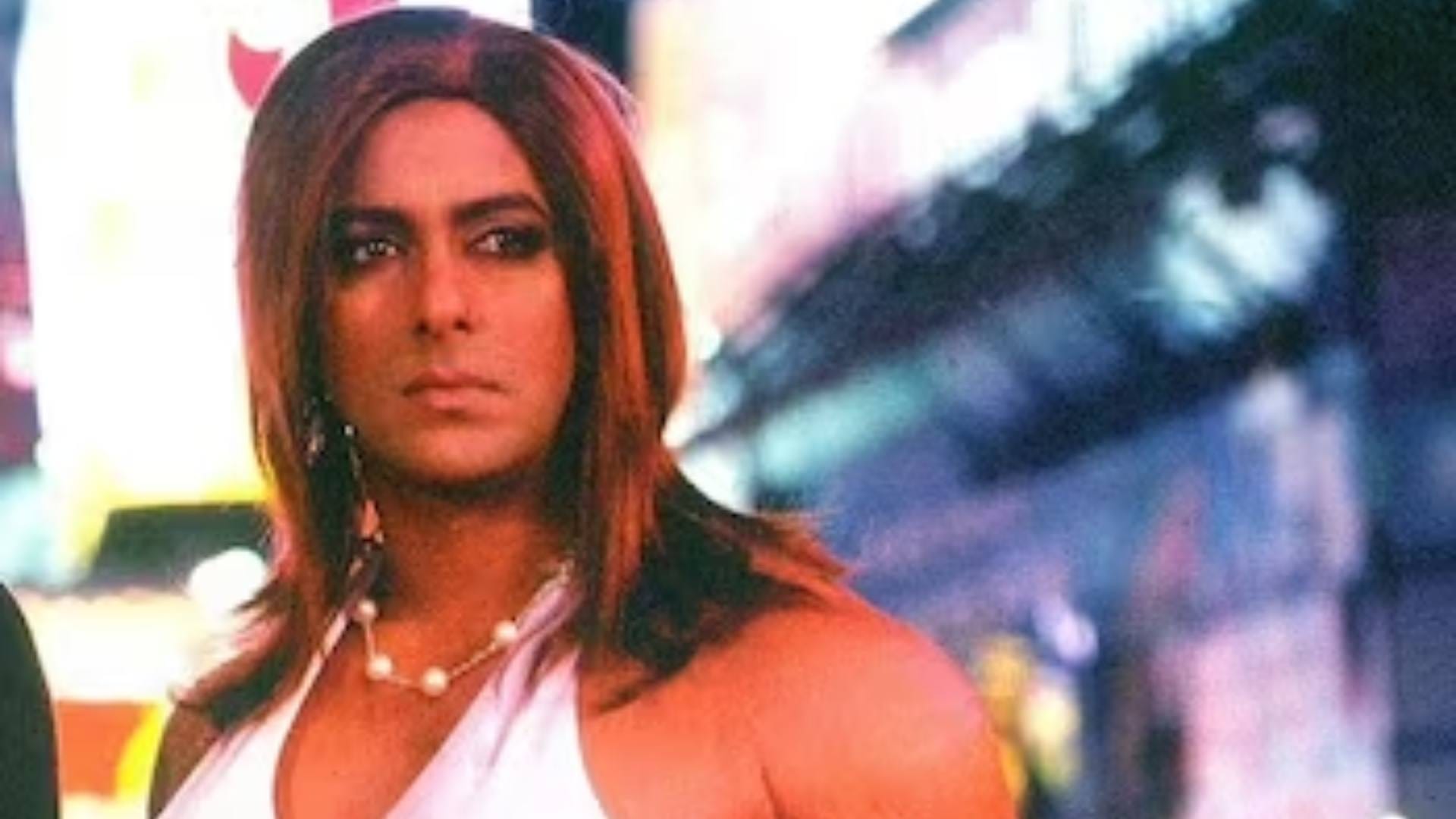
Cross-gender casting—the practice of male actors portraying female characters—represents a long-standing tradition in dramatic arts, spanning from the origins of classical theater to the modern era of film and television. While often employed for comedic effect or historical accuracy, this practice carries significant weight in performance studies, technical production, and the evolving social narrative surrounding gender identity in media.
The history of male actors playing female roles is rooted in necessity, evolving into a sophisticated form of performance art that requires distinct technical preparation. In classical Greek theater, Elizabethan drama, and traditional Japanese Kabuki, men performed all roles because women were prohibited from the stage. Today, while legal and social barriers have largely dissipated, the practice continues in film and television as a stylistic choice, a narrative device for satire, or a method for character-driven transformation.
Historical Context and The Evolution of Practice
The origins of male actors portraying women are inextricably linked to systemic exclusion. In the 16th and 17th centuries, particularly within English Renaissance theater, female characters were played by young men or boys whose voices had not yet deepened. This was not a subversive choice but a professional standard dictated by legal and cultural restrictions on women’s participation in public performance.
As these barriers crumbled, the nature of the practice shifted. By the 20th century, the "man in a dress" trope became a staple of comedic film. Works such as Some Like It Hot (1959) utilized the premise for narrative tension, while later films like Tootsie (1982) and Mrs. Doubtfire (1993) explored the psychological and social complexities of men inhabiting female personas. In contemporary media, the approach has diversified. Some actors utilize the technique for period-accurate historical depictions, such as Mark Rylance’s acclaimed stage-to-screen performance as Olivia in Twelfth Night, while others use it for character study, blurring the lines between performance art and personal transformation.
Technical and Performative Requirements
Successfully portraying a character of a different gender requires more than costuming; it demands an understanding of physicality, vocal modulation, and the socio-cultural expectations attached to the character’s identity. Actors often undergo rigorous preparation to ensure the performance remains grounded in the character’s reality rather than devolving into caricature.
- Vocal Modulation: Beyond merely raising the pitch, effective actors focus on resonance, cadence, and breath support. The objective is to establish a vocal identity that feels distinct from the actor's natural register without resorting to falsetto.
- Physicality and Movement: The way a character occupies space is often gender-coded. Professional actors analyze center of gravity, gait, and gesture. This includes the use of padding or prosthetic elements to alter the silhouette, necessitating a recalibration of how the actor interacts with props and other performers.
- Prosthetics and Makeup Application: In high-budget productions, the transition often involves complex prosthetics. Advanced silicone appliances, dental veneers, and wig work are standard. These elements require hours in the makeup chair and necessitate careful management of skin health and comfort during long shooting days.
- Psychological Grounding: The most resonant performances are those where the actor maintains a consistent internal logic for the character. Whether the role is meant to be humorous or serious, the actor must treat the character's desires, fears, and motivations as genuine, regardless of the gender disparity between the performer and the role.
Data on Cross-Gender Casting Trends
While comprehensive databases specifically tracking cross-gender casting are rare, industry observations suggest that the practice remains a consistent, albeit niche, element of film production. When analyzing roles across several decades, researchers observe a shift in the intent behind such casting decisions.
| Decade | Predominant Intent | Common Genre |
|---|---|---|
| 1950s–1970s | Narrative Necessity/Farce | Comedy |
| 1980s–1990s | Character Study/Social Commentary | Dramedy |
| 2000s–2010s | Satire and Aesthetic Transformation | Comedy/Performance Art |
| 2020s–2026 | Historical Accuracy/Stylistic Expression | Period Drama/Experimental |
The decline of the "farce-only" model reflects a changing audience awareness. Modern audiences are increasingly sensitive to the nuance of gender expression, which has pressured studios to avoid portrayals that rely on transphobic tropes or outdated stereotypes. Consequently, contemporary casting directors prioritize actors who can imbue these roles with depth rather than simple spectacle.
Navigating Ethical and Social Considerations
The practice of men playing female roles is not without controversy. Critics argue that when cisgender men play female roles, it can potentially marginalize women actors who are already underrepresented in lead positions. Furthermore, when the performance involves the depiction of a transgender or non-binary person, the use of a cisgender male actor is increasingly scrutinized.
Industry standards in 2026 reflect a heightened focus on authentic casting. Casting directors are more likely to seek performers whose lived experience aligns with the character, or who bring a specific artistic vision that requires a non-traditional approach. When a male actor is cast in a female role, it is increasingly expected that the production provides a clear artistic justification, ensuring the work adds to the narrative rather than relying on the "shock value" of gender non-conformity.
Comparative Analysis: Comedy vs. Dramatic Transformation
Understanding the difference between comedic cross-dressing and dramatic transformation is essential for analyzing the quality of a performance.
- Comedic Utility: In films intended for laughs, the focus is often on the incongruity between the actor’s identity and their appearance. The humor derives from the audience’s knowledge of the actor’s gender. Examples include White Chicks (2004), where the physical transformation serves as a plot device to facilitate comedic situations.
- Dramatic Commitment: In dramatic performances, the goal is often the dissolution of the actor’s identity. The focus shifts to the character’s emotional truth. When done well, the audience should eventually forget the actor’s off-screen identity, viewing the performance as a genuine embodiment of a female character. This requires the actor to surrender their own ego and focus entirely on the nuances of the character’s internal life.
Challenges in Modern Production
Production teams face unique logistical hurdles when casting cross-gender roles. The primary challenges involve maintaining the suspension of disbelief for the audience while ensuring the comfort and artistic integrity of the performer.
One of the most significant challenges is the "Uncanny Valley" effect, where an actor’s appearance is slightly off, causing audience discomfort. This is often mitigated through lighting design, color grading, and careful wardrobe selection. Furthermore, the duration of the role matters. A cameo or a minor role often requires less complex makeup than a lead character. A lead character may require the actor to commit to months of prep, including weight management, voice coaching, and prosthetic fittings, which adds significant costs to the production budget.
Frequently Asked Questions
Why do casting directors choose male actors for female roles instead of just casting women? Casting decisions are driven by the specific needs of the script. Sometimes, the narrative requires the character to be someone who is pretending to be a woman, which is a different performance skill than portraying a woman. In other cases, it is a stylistic choice by a director aiming for a specific aesthetic or a nod to theater traditions.
Is there a legal restriction on cross-gender casting? No. Employment law in most major film hubs focuses on equal opportunity. As long as the casting process does not discriminate against protected groups in a way that violates labor laws, producers have the creative freedom to cast whomever they believe serves the role best.
How does the audience reception of these roles change over time? Audiences are increasingly demanding high-quality performances. While slapstick cross-dressing used to be a reliable box-office draw, modern viewers are more likely to critique the performance for depth and respect toward the identity being portrayed, leading to a higher bar for actors in these roles.
What is the "Uncanny Valley" in the context of cross-gender makeup? The Uncanny Valley refers to the point where an imitation of a human becomes close enough to be "real" but remains "off," triggering a sense of discomfort in the viewer. In makeup, this usually happens when the prosthetic skin or wig does not match the actor's bone structure or natural movement, leading to a jarring visual experience.
Are there differences between theater and film approaches to this? Yes. Theater allows for a higher level of abstraction. Because theater is a live, stylized medium, the audience is generally more accepting of overt artifice. Film, with its close-ups and high-definition clarity, demands significantly more subtlety, requiring better makeup and more nuanced performance techniques.
Next Steps for Aspiring Performers and Producers
If you are involved in a project considering cross-gender casting, the priority must be artistic justification and character development. Avoid relying on stereotypes, and invest in high-quality professional consultation—be it a voice coach, a professional makeup artist specializing in prosthetics, or a movement consultant.
For actors, success in these roles comes from preparation. Treat the role with the same level of seriousness you would any other, focusing on the character's internal psychology rather than the external artifice. Research the history of the practice to ensure your performance is informed by tradition, yet sensitive to the contemporary cultural climate. By prioritizing craft over gimmickry, you can deliver a performance that is both memorable and meaningful.