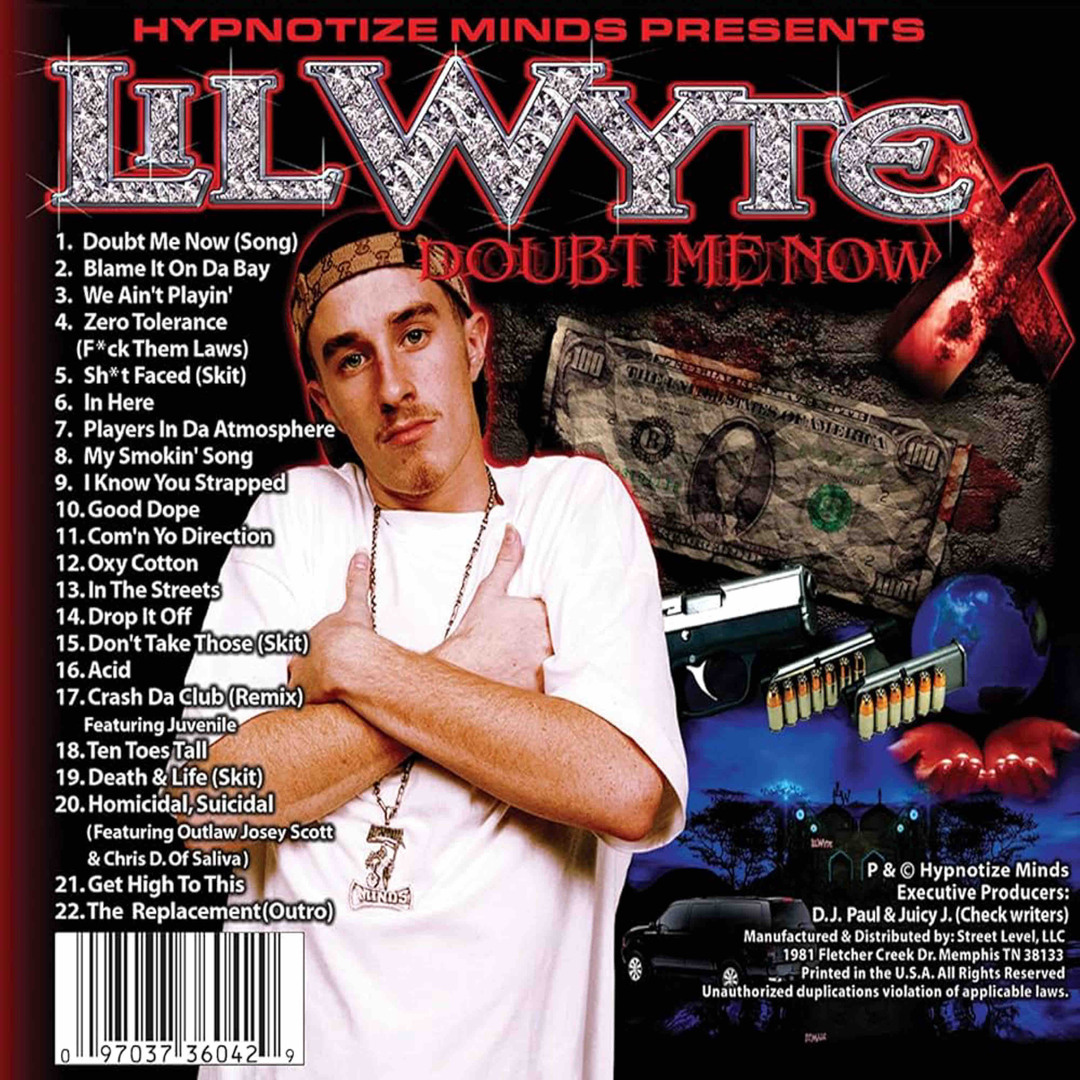
Lil Wyte, born Patrick Lanshaw, emerged from the Frayser neighborhood of Memphis, Tennessee, to become a defining figure in the Southern hip-hop landscape. Rising to prominence in the early 2000s under the tutelage of DJ Paul and Juicy J of Three 6 Mafia, he bridged the gap between underground Memphis phonk and mainstream Southern rap, crafting a distinct aesthetic that blends gritty, drug-fueled narratives with precise, high-speed rhythmic delivery.
Early Life and Emergence in the Memphis Scene
Patrick Lanshaw’s path to music was deeply intertwined with the specific social and sonic environment of North Memphis. In the late 1990s and early 2000s, the Memphis rap scene was characterized by a distinct sound—often referred to as "Memphis rap" or "horrorcore"—which prioritized dark, lo-fi production, repetitive, hypnotic synth loops, and visceral, often aggressive, lyrical themes.
Lanshaw began his career as part of the group The Prophet Posse, a collective orbiting the Hypnotize Minds label, which was arguably the most successful independent rap operation in the South at the time. His association with DJ Paul and Juicy J provided him with a platform that was both artistically authentic and commercially viable. His 2003 debut album, Doubt Me Now, serves as a historical document of this era. Tracks such as "Oxy Cotton" brought significant, albeit controversial, attention to his work, as they explicitly detailed the recreational drug culture prevalent in his surroundings.
Defining the "Wyte" Sound
What distinguishes Lil Wyte from his contemporaries is his technical ability to maintain clarity and cadence while delivering lyrics at a rapid-fire pace. While much of the Southern rap of his era relied heavily on the "chopper" style—a fast-paced rapping technique—Lanshaw combined this with a melodic sensibility that drew from the darker elements of the Memphis sound.
His production choices typically favored the heavy, distorted 808-kick drums and ominous, minor-key synth pads that defined the Hypnotize Minds aesthetic. By leveraging his position as one of the few prominent white rappers in the Memphis underground, he carved out a niche that allowed him to navigate between the hyper-local scene and a broader national audience. His lyrics often oscillate between nihilistic drug-related themes and a self-aware, sometimes satirical take on his own identity and place in the hierarchy of Southern hip-hop.
Key Contributions to Southern Hip-Hop
Lil Wyte’s career trajectory is often measured by his ability to maintain relevance through shifting eras of hip-hop. His transition from the physical CD sales era of the early 2000s to the digital distribution models of the 2020s highlights his longevity as an independent artist.
- Regional Authenticity: By staying true to the Memphis sound, he helped preserve a regional identity that could have easily been washed out by the homogenizing effects of the mainstream music industry.
- The Influence of Hypnotize Minds: His tenure with the label allowed him to participate in a production machine that set the template for modern trap music.
- Collaborative Versatility: Lil Wyte has maintained a consistent output of collaborative work, often pairing with both established legends and underground artists, keeping his name embedded in the regional discourse.
Comparative Analysis of Lil Wyte’s Discography
When examining the discography of Lil Wyte, it is helpful to categorize his releases by their production evolution and thematic scope. The following table illustrates the progression of his major solo works.
| Album Title | Release Year | Primary Production Style | Notable Thematic Focus |
|---|---|---|---|
| Doubt Me Now | 2003 | Lo-fi, Memphis-style Phonk | Suburban nihilism and drug subculture |
| Phinally Phamous | 2004 | High-fidelity Southern Trap | Increased mainstream crossover attempts |
| The One and Only | 2007 | Polished, bass-heavy beats | Personal branding and technical prowess |
| Still Doubted | 2012 | Experimental Southern | Retrospective on career longevity |
| Bay-Area Influence | 2018 | Hybrid Memphis-Bay sounds | Cross-regional collaborative production |
The Impact of "Oxy Cotton" and Lyrical Controversy
One cannot discuss Lil Wyte’s career without addressing "Oxy Cotton," a track that arguably defined his public persona for the better part of a decade. In the early 2000s, the song acted as an anthem for a specific demographic, though it drew significant criticism from media outlets for its perceived glorification of prescription drug abuse.
From a technical analysis perspective, the song is notable for its production—characterized by a minimalist, haunting melody—and its lyrical structure. Lanshaw utilized the track to establish his "dealer-turned-rapper" narrative, a common trope in hip-hop that he localized to his specific experiences in Frayser. In 2026, the legacy of this song is viewed through a more critical lens, acknowledging it as a piece of cultural history that documented a burgeoning epidemic long before it reached mainstream national discourse.
Navigating the Independent Music Business
Lil Wyte’s career offers a practical study in the advantages and limitations of the independent rapper model. Throughout the 2010s and into the 2020s, he shifted away from major label oversight, focusing instead on building a direct-to-fan relationship. This strategy includes:
- Independent Distribution: Leveraging platforms that allow for direct upload and ownership of master recordings.
- Touring as a Revenue Engine: Relying on regional and nationwide tours to maintain financial viability rather than relying on record label advances.
- Merchandising: Building a personal brand that allows for long-tail sales of apparel and digital content.
This model is particularly suited to legacy artists who have established a loyal, if niche, following. Unlike artists who require constant viral success to stay relevant, Lil Wyte’s audience has largely remained stable, allowing for a consistent, albeit less "pop-chart-focused," career path.
Challenges and Limitations
Despite his longevity, Lil Wyte’s career has faced significant hurdles, many of which are common to artists operating within the Southern underground rap scene. These include:
- Regional Labeling: Being categorized strictly as a "Memphis rapper" can sometimes limit the ability to cross over into different sub-genres, such as conscious hip-hop or more commercialized pop-rap.
- Market Saturation: In the current era of 2026, the barrier to entry for music production is near zero, meaning that established artists must compete with an infinite volume of new content on streaming platforms.
- Evolving Industry Standards: The shift from full-length album consumption to the "singles-and-playlists" model has fundamentally changed how artists like Lil Wyte package and market their music.
Frequently Asked Questions (FAQ)
1. What is Lil Wyte’s most famous song? His most famous track is arguably "Oxy Cotton" from his 2003 debut album, Doubt Me Now. It remains his most recognizable work and is a staple of early 2000s Southern rap.
2. Is Lil Wyte still releasing music in 2026? Yes, Lil Wyte continues to record and release music. His current model focuses on independent distribution and engagement with a dedicated fanbase that follows his evolution from the classic Memphis sound to more modern influences.
3. What is the "Memphis sound" associated with his music? The Memphis sound typically involves lo-fi production, heavy 808 drums, aggressive lyrical deliveries, and dark, atmospheric synthesizer melodies. Lil Wyte helped popularize this style beyond the city limits of Memphis.
4. How did his relationship with Three 6 Mafia impact his career? DJ Paul and Juicy J of Three 6 Mafia were instrumental in his early success. They provided the production infrastructure and the label support (Hypnotize Minds) that allowed him to gain national visibility early in his career.
5. How has the perception of his lyrical content changed over time? While initially criticized for his themes, in 2026, his work is often viewed as a snapshot of a specific regional culture. Critics now assess his lyrics as a gritty, honest, and sometimes raw depiction of life in Memphis during the late 90s and early 2000s.
Next Steps for Fans and Researchers
For those interested in exploring Lil Wyte’s work, the most effective approach is to begin with his debut album, Doubt Me Now, to understand the foundational "Memphis sound." Following this, listeners should investigate his collaborative projects to witness how he has adapted his style to match different production aesthetics over the last two decades. For researchers, analyzing his transition from the Hypnotize Minds collective to an independent career provides a valuable case study in the longevity of regional hip-hop stars in the digital age.