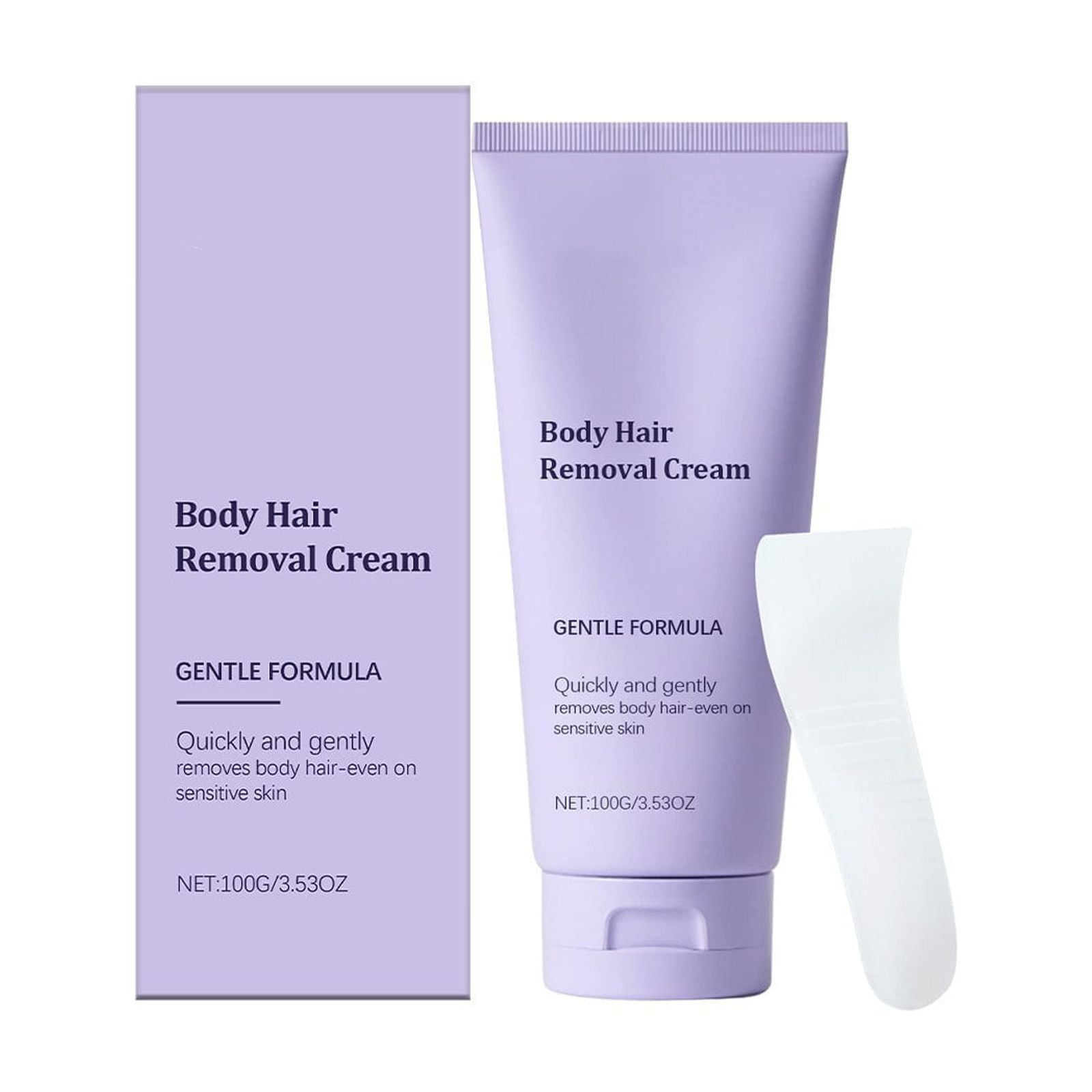
Hair removal creams, chemically known as depilatories, break down the protein structure of hair so it can be easily wiped away. While they offer a painless alternative to shaving or waxing, their safety depends entirely on correct application, skin sensitivity, and adherence to manufacturer instructions. Improper use can lead to chemical burns, allergic reactions, and skin irritation.
Understanding Depilatory Creams: Background and Mechanism
To understand whether hair removal creams are safe, it is necessary to examine how they work at a chemical level. Unlike shaving, which merely cuts the hair shaft at the skin surface, or waxing, which pulls the hair out from the root, chemical depilatories use active ingredients to dissolve the hair itself.
The primary active agents in most over-the-counter hair removal creams are alkaline salts, most commonly thioglycolic acid salts (such as calcium thioglycolate, potassium thioglycolate, or sodium thioglycolate). These chemicals disrupt and break down the disulfide bonds found in keratin, the tough fibrous protein that gives hair its structural strength. Once these bonds are cleaved, the hair structure degrades into a jelly-like mass that can be easily scraped or rinsed away from the surface of the skin.
Historically, early depilatories relied on much harsher ingredients, including heavy metals like arsenic and barium sulfide, which presented significant systemic toxicity risks. Modern formulations have evolved to be significantly safer and more refined, utilizing thioglycolates combined with moisturizing agents, oils, and stabilizing compounds to buffer the pH and protect the skin barrier. However, because the skin's surface layer (the stratum corneum) is also composed of keratin-based proteins, these products must be carefully balanced and timed to dissolve hair without attacking the living epidermal cells beneath.
Are Hair Removal Creams Safe? Core Safety Facts
The short answer is yes, hair removal creams are generally safe for most people when used strictly according to the product directions. However, they are potent chemical formulations that carry inherent risks, particularly for individuals with sensitive skin, underlying dermatological conditions, or those who misuse the product.
Common Risks and Adverse Reactions
- Chemical Burns: Leaving the cream on longer than the recommended maximum time can cause the active ingredients to break down epidermal proteins, resulting in chemical burns, blistering, and raw skin.
- Allergic Contact Dermatitis: Fragrances, preservatives, and the active thioglycolate salts can trigger allergic reactions. Symptoms include severe redness, itching, swelling, and hives.
- Irritant Contact Dermatitis: Even without a true allergy, the high alkalinity of depilatory creams can strip the skin barrier, causing a stinging sensation, localized inflammation, and flaking.
- Folliculitis and Hyper-Pigmentation: In rare cases, skin trauma from overuse can lead to inflamed hair follicles or post-inflammatory hyper-pigmentation, particularly in individuals with darker skin tones.
According to dermatological guidelines, safety is directly correlated with user compliance. Treating depilatory creams like ordinary lotions—leaving them on indefinitely or applying them to broken skin—dramatically increases the likelihood of injury.
Safety Comparison of Hair Removal Methods
To evaluate the relative safety of hair removal creams, it helps to compare them against other common hair removal modalities. Each method presents a distinct risk profile regarding skin trauma, chemical exposure, and mechanical damage.
| Method | Primary Mechanism | Common Safety Risks | Skin Barrier Impact |
|---|---|---|---|
| Hair Removal Creams | Chemical dissolution of keratin | Chemical burns, allergic dermatitis, skin irritation | High (alters surface pH and protein bonds) |
| Shaving | Mechanical cutting with a blade | Nicks, cuts, razor burn, ingrown hairs | Moderate (micro-abrasions of the stratum corneum) |
| Waxing / Sugaring | Mechanical extraction from the root | Tearing, lifting of skin, folliculitis, burns (if hot) | High (removes top layer of dead skin cells) |
| Laser Hair Removal | Thermal destruction via light energy | Burns, hyper-pigmentation, blistering, eye injury | Low to Moderate (targets melanin in hair follicle) |
As shown in the table, depilatory creams replace the mechanical trauma of blades and waxing with chemical exposure, shifting the safety focus from physical cuts to chemical tolerance and timing.
Best Practices for Safe Application
Minimizing the risk of adverse reactions requires a disciplined approach to preparation, application, and post-care. Following these structured guidelines can prevent chemical injuries:
- Perform a Patch Test 24 Hours Prior: Apply a small amount of the cream to a coin-sized area on the inner forearm or leg. Leave it on for the specified time, then rinse. If any redness, burning, or itching occurs within 24 hours, do not use the product.
- Inspect the Skin: Never apply hair removal cream to sunburned, chapped, inflamed, broken, or recently shaved skin. Avoid using it over moles, scars, or varicose veins.
- Monitor the Clock: Use a timer. Do not guess the duration. Most formulas are designed for a strict window of 3 to 10 minutes. Exceeding this limit does not improve hair removal; it only increases skin damage.
- Apply Uniformly: Use a spatula or fingers to apply a thick, even layer over the hair. Do not rub the cream into the skin.
- Rinse Thoroughly: Remove the cream using a damp cloth or rinse thoroughly with lukewarm water. Ensure all chemical residue is washed away.
- Soothe the Area: Follow up with a gentle, fragrance-free moisturizer or soothing agent like aloe vera to help restore the skin barrier. Avoid applying alcohol-based deodorants, perfumes, or harsh body washes immediately afterward.
Contraindications and Areas to Avoid
Certain body areas are exceptionally sensitive and should never be exposed to standard chemical depilatories unless the product is specifically formulated and labeled for that region.
- The Face: Facial skin is thinner and more reactive than body skin. Using standard leg or body hair removal creams on the face can easily lead to severe chemical burns and eye damage. Use only products explicitly designated for facial hair.
- Perianal and Genital Regions: The mucous membranes and thin skin of the groin are extremely vulnerable to chemical irritation. Extreme caution is required, and users must select specialized bikini formulas, avoiding internal contact entirely.
- Broken or Compromised Skin: Individuals with chronic skin conditions such as eczema, psoriasis, or rosacea should consult a dermatologist before using chemical hair removal products, as their skin barrier is already compromised.
Disclaimer: This article is for informational purposes only and does not constitute medical advice. If you experience severe irritation, blistering, or signs of a systemic allergic reaction after using a hair removal cream, wash the area immediately and seek professional medical attention.
Frequently Asked Questions
Can hair removal creams cause permanent skin damage?
In the vast majority of cases, chemical burns or irritations caused by hair removal creams are temporary and heal within days to weeks with proper care. However, severe chemical burns can occasionally result in scarring or permanent post-inflammatory hyper-pigmentation, particularly if the injured skin is exposed to UV radiation without sun protection.
Why do hair removal creams have such a strong smell?
The pungent odor associated with most depilatories is a direct result of the chemical breakdown process. When the thioglycolate salts break down the sulfur-containing amino acids in human hair, it releases hydrogen sulfide gas, which produces a characteristic sulfurous or "rotten egg" smell. Manufacturers often add heavy perfumes to mask this odor, though the chemical reaction remains the underlying cause.
Are facial hair removal creams different from body formulas?
Yes. Facial hair removal creams are specifically formulated to be milder, with lower concentrations of active alkaline agents and more soothing, protective additives. Because facial skin is delicate and prone to visible irritation, standard body creams should never be used on the face.
How long does hair removal last compared to shaving?
Depilatory creams typically provide results that last slightly longer than shaving—usually ranging from a few days to a week. Because the hair is dissolved slightly below the skin surface rather than cut flat at the top like a razor does, the regrowth can feel softer initially because the tapered end of the hair is preserved.
Is it safe to use hair removal cream during pregnancy?
While there is no definitive medical evidence proving that the chemicals in depilatory creams absorb into the bloodstream in quantities sufficient to harm a fetus, many healthcare providers recommend caution. Pregnancy increases skin sensitivity and alters hormonal balances, making pregnant individuals more prone to allergic reactions and irritation from chemical treatments. Consulting an obstetrician before use is strongly advised.
Recommended Next Actions
If you plan to use a hair removal cream, start by selecting a product formulated specifically for your target body area and skin type. Always purchase from reputable retailers to ensure product authenticity and proper expiration dating. Before full application, commit to the 24-hour patch test to verify your skin's tolerance, and keep a reliable timer on hand during the actual hair removal process to prevent chemical overexposure.