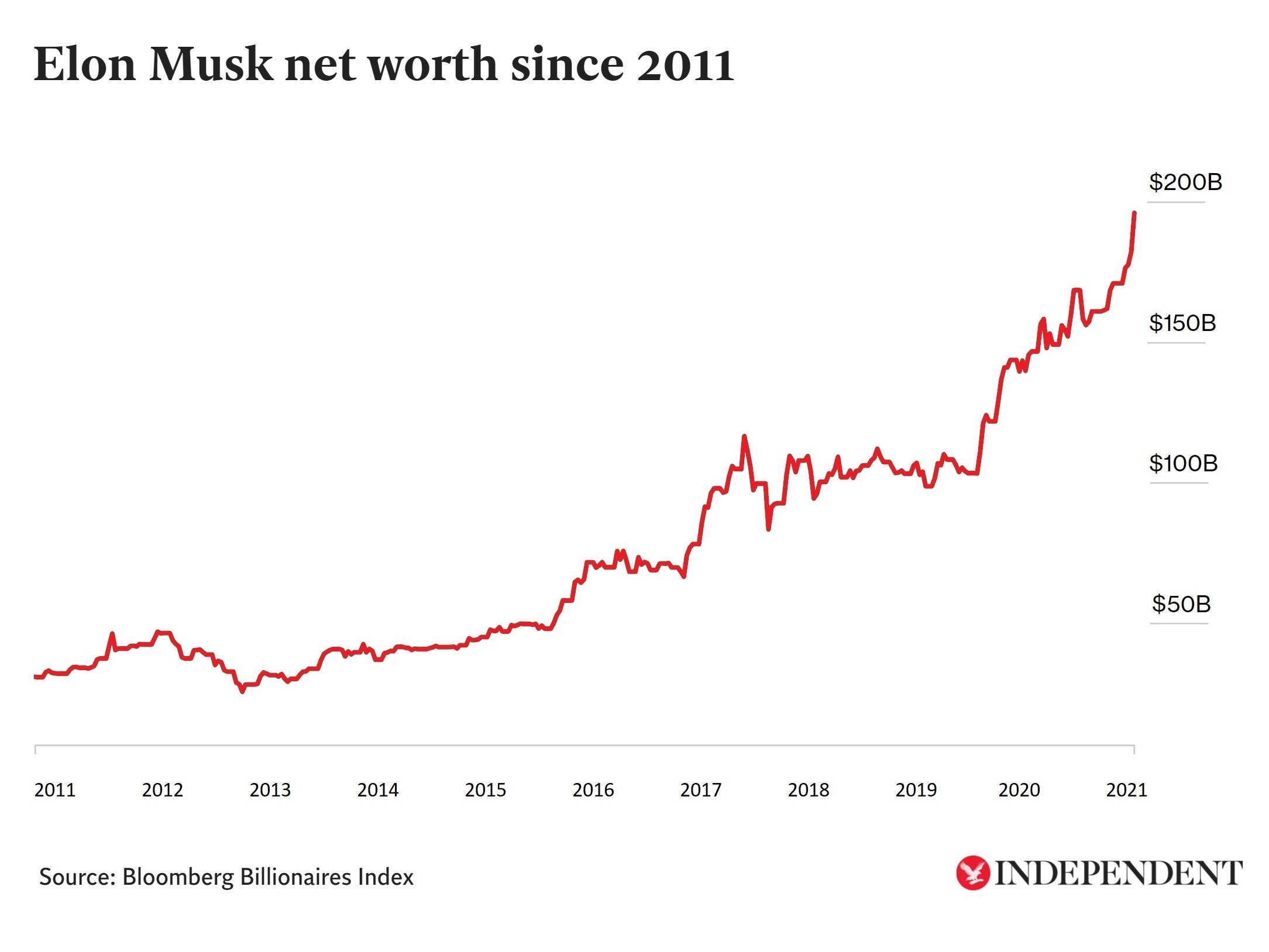
Elon Musk built his immense wealth primarily through the founding, scaling, and strategic equity retention of high-impact technology companies, including PayPal, Tesla, SpaceX, Neuralink, and The Boring Company, alongside transformative private investments like his acquisition of X (formerly Twitter). Rather than accumulating liquid cash or standard stock portfolios, his financial trajectory stems from high-risk venture capitalization, continuous equity compounding, and aggressive reinvestment of capital into asset-heavy industries.
Understanding the mechanics of how Elon Musk built his wealth requires looking beyond simple net worth calculations. His financial ascent is a blueprint of modern venture economics, leveraging software paradigms in physical engineering sectors, navigating complex regulatory landscapes, and utilizing sophisticated corporate finance tools like stock options and debt-backed equity acquisitions. This analysis examines the foundational stages, principal wealth-generating entities, investment strategies, and financial mechanics that define his economic footprint.
Early Ventures and the Dot-Com Foundation
The architecture of Musk’s financial portfolio began during the late-1990s dot-com boom, establishing the seed capital necessary for his subsequent, capital-intensive industrial ventures.
Zip2 Corporation
In 1995, Musk co-founded Zip2, a company that provided business directories and maps for newspaper publishers like The New York Times and the Chicago Tribune. Operating during the nascent phase of commercial internet adoption, Zip2 required modest initial capital—primarily funded by personal savings and a small angel investment from family and acquaintances.
When Compaq Computer Corporation acquired Zip2 in 1999 for $307 million in cash, Musk received $22 million for his roughly 7% equity stake. This transaction provided his initial high-liquidity capital event, serving as the financial springboard for his next entrepreneurial move.
X.com and PayPal
Later in 1999, Musk invested $12 million of his Zip2 proceeds into founding X.com, an online financial services and email payment company. X.com merged with Confinity in 2000, a rival firm co-founded by Peter Thiel and Max Levchin that operated a transfer service called PayPal.
Musk initially served as CEO of the combined entity before stepping down, though he remained the largest shareholder. In 2002, eBay acquired PayPal for $1.5 billion in stock. Musk’s 11.7% stake yielded approximately $165 million in eBay stock. This liquidity event cemented his status as a multimillionaire and provided the primary war chest for founding SpaceX and funding his early involvement in Tesla.
Industrial Scaling: Tesla and SpaceX
While early internet ventures provided millions, Musk’s transition into heavy manufacturing and aerospace transformed his wealth into tens and eventually hundreds of billions of dollars. This phase shifted his financial model from traditional exit-based liquidity to long-term equity retention in high-growth public and private corporations.
Tesla, Inc.
Musk joined Tesla Motors in 2004 as its primary Series A investor, injecting $6.5 million and assuming the role of Chairman of the Board. He later took over as CEO in 2008 during a severe financial crisis. Rather than drawing a traditional high salary, Musk’s compensation packages have historically tied his economic rewards directly to operational milestones and market capitalization targets.
- Equity Concentration: Musk maintained a large percentage of Tesla shares over two decades, avoiding major sell-offs outside of tax obligations and funding specific private investments.
- CEO Performance Awards: Compensation plans implemented in 2012 and 2018 granted millions of stock options contingent upon achieving aggressive production, revenue, and market valuation milestones. As Tesla's valuation surged past $1 trillion in the early 2020s, these options generated billions in unrealized paper wealth.
- Financing Operations: Tesla frequently utilized secondary stock offerings and convertible debt during its growth phases to fund gigafactories and research, while Musk used his personal Tesla stock holdings as collateral for personal bank loans to fund other ventures, such as SpaceX.
Space Exploration Technologies Corp. (SpaceX)
Founded in 2002 with roughly $100 million of his own capital from the PayPal sale, SpaceX represents one of the most capital-efficient disruptions in aerospace history. Because SpaceX is a privately held corporation, its valuation is determined by periodic private funding rounds rather than public market trading.
- Vertical Integration: By manufacturing rockets, engines, and spacecraft in-house rather than relying entirely on legacy aerospace contractors, SpaceX drastically reduced the cost per launch.
- Starlink: The development of Starlink, a satellite internet constellation operated by SpaceX, introduced a high-margin recurring revenue model distinct from traditional launch services. Starlink’s valuation heavily influences SpaceX's overall private market valuation.
- Equity Retention: Musk retains a controlling voting stake in SpaceX through specialized share classes, ensuring long-term strategic control while raising billions in institutional private equity to fund capital-heavy infrastructure.
Secondary Enterprises and Private Investments
Beyond Tesla and SpaceX, Musk diversified his portfolio into artificial intelligence, neurotechnology, infrastructure, and social media platforms. While some of these ventures started as passion projects or long-term research initiatives, they have matured into substantial economic entities.
Neuralink and The Boring Company
- Neuralink: Founded in 2016 to develop implantable brain-computer interfaces, Neuralink has relied on private venture capital funding rounds, with Musk serving as a primary initial financial backer alongside external institutional investors.
- The Boring Company: Launched in 2016 to address urban traffic congestion through underground tunnel construction, this venture leverages low-cost tunneling technology and has raised private capital while securing municipal infrastructure contracts.
X (Formerly Twitter)
In October 2022, Musk acquired Twitter for $44 billion, utilizing a complex financial stack that combined his personal equity, equity syndication from co-investors (such as Oracle co-founder Larry Ellison and sovereign wealth funds), and significant bank debt.
Unlike his wealth accumulation model in Tesla and SpaceX—where equity grew through operational expansion—the X acquisition relied heavily on leveraged buyout mechanics. The platform faced advertising revenue contractions post-acquisition, making debt-servicing obligations a focal point of its ongoing financial restructuring and private valuation adjustments.
| Company / Entity | Primary Role | Funding Model / Capital Source | Wealth Generation Mechanism |
|---|---|---|---|
| Zip2 | Co-founder | Angel investors, personal savings | Cash acquisition by Compaq ($307M total, $22M personal payout). |
| PayPal (X.com) | Co-founder / Major Shareholder | Venture capital, personal reinvestment | Stock acquisition by eBay ($1.5B total, $165M personal payout). |
| Tesla, Inc. | CEO / Product Architect | Series A venture funding, public equity markets | Long-term equity retention and performance-based stock options. |
| SpaceX | CEO / Founder | Private equity rounds, government contracts | Private valuation growth, Starlink recurring revenue. |
| X (Twitter) | Owner / Executive Chairman | Syndicated equity, bank debt, personal liquidity | Leveraged buyout and corporate restructuring. |
Wealth Mechanics: Equity, Debt, and Taxation
Analyzing how Elon Musk built his wealth requires examining the specific financial instruments and tax strategies utilized by ultra-high-net-worth individuals in the United States.
The "Buy, Borrow, Die" and Stock Option Strategy
Musk’s wealth is predominantly illiquid, tied up in shares of stock rather than bank accounts or real estate. Because the U.S. tax code taxes realized capital gains rather than unrealized appreciation (paper wealth), Musk pays minimal personal income tax during years he does not sell shares.
- Stock Options Over Salary: Musk famously accepted a nominal base salary (often $1) from Tesla, opting instead for stock option grants. When these options vest and are exercised, they trigger ordinary income tax based on the strike price versus market value at exercise.
- Margin Loans: Rather than selling shares—which would trigger massive capital gains taxes and dilute his voting control—Musk frequently borrows against his Tesla stock holdings using personal lines of credit (margin loans) from major financial institutions to fund personal expenses, tax bills, or new business acquisitions like X.
Risk Tolerance and Leverage
A defining characteristic of Musk's wealth generation is his willingness to cross-collateralize assets. During the 2008 financial crisis, when Tesla and SpaceX were weeks away from bankruptcy, Musk poured his remaining personal funds—borrowing from friends and selling his last remaining assets—into keeping the companies afloat. This asymmetric risk profile contrasts with conventional portfolio diversification; he consistently reinvests realized liquidity directly into high-risk, capital-intensive engineering ventures.
Common Misconceptions About Musk's Wealth
Public perception of billionaire wealth often relies on inaccurate assumptions regarding cash flow and liquidity.
- Cash Reserves: Musk does not possess billions of dollars in cash. His net worth fluctuates daily based on the public market valuation of Tesla stock and private market valuations of SpaceX. A drop in Tesla share price reduces his calculated net worth by billions without altering his actual day-to-day cash availability.
- Government Subsidies: While companies like Tesla and SpaceX have benefited from government contracts (NASA payloads, satellite communications) and regulatory credits (zero-emission vehicle mandates), these are transactional payments for goods, services, and regulatory compliance rather than direct cash subsidies to Musk personally.
Practical Lessons in Wealth Accumulation from Musk's Trajectory
For financial analysts and entrepreneurs studying high-growth wealth generation, Musk's path highlights several structural principles:
- Focus on High-Leverage Industries: Wealth scales faster in industries with massive addressable markets and steep technical barriers to entry (aerospace, electric vehicles, energy infrastructure) than in low-margin retail or service sectors.
- Reinvest and Compound Equity: Selling out early limits long-term upside. Retaining majority equity in scaling enterprises allows founders to capture the exponential phase of enterprise value growth.
- Master Capital Allocation: Understanding how to utilize private equity, public debt markets, and structured performance incentives enables founders to fund massive capital expenditures without surrendering strategic control.
Frequently Asked Questions
How much of Elon Musk's wealth is tied up in Tesla?
The majority of Elon Musk’s net worth is historically tied up in Tesla stock and stock options, alongside significant equity ownership in SpaceX. While exact figures fluctuate daily with market conditions, Tesla and SpaceX constitute the vast majority of his estimated net worth, with smaller allocations in Neuralink, The Boring Company, and X.
Why does Elon Musk take a $1 salary?
Musk’s decision to take a nominal base salary (such as $1 per year) is a symbolic gesture and a tax-efficient mechanism. Because his financial rewards are tied to stock option grants tied to performance milestones, his compensation aligns directly with shareholder value growth rather than corporate cash drain.
How did Elon Musk fund SpaceX initially?
Musk funded SpaceX primarily with the proceeds from the sale of PayPal to eBay in 2002. He invested approximately $100 million of his personal liquidity into founding the company, which sustained operations through its early, pre-revenue development and initial unsuccessful rocket launches before securing commercial and government contracts.
Does Elon Musk pay personal income tax?
Musk pays income taxes during years when he exercises large blocks of stock options or sells shares to cover specific financial obligations, such as the billions paid in taxes during his 2021 stock option exercises. In years where he holds all equity without realizing capital gains or exercising options, his annual personal income tax liability is minimal relative to his total net worth.
What is the role of debt in Musk's wealth strategy?
Debt allows Musk to leverage his existing equity positions without triggering taxable events. By pledging Tesla shares as collateral for personal bank loans, he accesses liquidity for investments and acquisitions (such as the X buyout) while retaining ownership and voting control of his primary operating companies.
Conclusion and Next Actions
Elon Musk’s wealth accumulation is a testament to high-risk equity compounding, industrial scaling, and the strategic deployment of venture capital in asset-heavy engineering sectors. For those studying modern corporate finance, analyzing his trajectory underscores the importance of equity retention, vertical integration, and navigating complex capital markets. To explore this subject further, examine corporate filings (SEC Form 4s and quarterly reports) for Tesla and review private market valuation reports for SpaceX to understand how operational milestones directly drive enterprise value.