Major updates to the Supplemental Nutrition Assistance Program (SNAP) introduced structural adjustments to work requirements, expanded exemptions, revised cost-of-living benefit amounts, and implemented new security measures against electronic theft. Understanding these changes helps recipients and applicants maintain compliance, report exemptions accurately, and maximize their monthly food assistance benefits.
Overview of 2024 SNAP Federal Policy Shifts
The landscape of federal food assistance underwent substantial regulatory revisions driven primarily by the Fiscal Responsibility Act of 2023 and subsequent annual administrative updates by the U.S. Department of Agriculture (USDA) Food and Nutrition Service (FNS). While SNAP provides monthly electronic benefits for purchasing eligible food items to low-income households, federal legislation continuously recalibrates who is eligible, how work mandates are applied, and how benefit amounts are calculated.
The 2024 modifications built directly upon statutory provisions designed to tighten work requirements for select adult demographics while simultaneously offering statutory protections for vulnerable populations, including unhoused individuals, veterans, and young adults transitioning out of foster care. Additionally, annual Cost-of-Living Adjustments (COLA) recalibrated maximum benefit allotments and income deduction caps to keep pace with inflation in food pricing across the 48 contiguous states, the District of Columbia, Alaska, Hawaii, Guam, and the U.S. Virgin Islands.
For household members, caseworkers, and legal advocates, navigating these federal updates requires paying close attention to state-level administrative rules. Because individual state human service agencies administer SNAP under federal oversight, the exact timeline and application procedures for these changes vary depending on state options, local labor market waivers, and administrative workflows.
ABAWD Work Requirements: Expanded Age Limits and Rules
One of the most consequential policy changes implemented between late 2023 and 2024 involves the expansion of work rules for individuals classified as Able-Bodied Adults Without Dependents (ABAWDs). Under federal SNAP law, an ABAWD is defined as an individual between the ages of 18 and 54 who lives in a SNAP household without children or dependents under age 18 and is not otherwise exempt due to disability, pregnancy, or other qualifying conditions.
Historically, the ABAWD time-limit rule applied only to individuals aged 18 through 49. However, under the phased implementation schedule established by federal law:
- September 1, 2023: The ABAWD age limit expanded to include adults aged 50.
- October 1, 2023: The age limit expanded to include adults aged 51 and 52.
- October 1, 2024: The age limit reached its full expansion to include adults aged 53 and 54.
The 3-in-36-Month Rule
Unless an individual satisfies work requirements or qualifies for a specific statutory exemption, ABAWDs can only receive SNAP benefits for 3 months within a 36-month period (often referred to as the time limit). Once those 3 months of non-compliant benefits are exhausted, the individual loses eligibility until they meet the work requirement for a 30-day period, become exempt, or wait for a new 36-month clock to begin.
How to Fulfill the ABAWD Work Requirement
To maintain continuous eligibility beyond the 3-month limit, an ABAWD must fulfill at least one of the following criteria each month:
- Paid or Unpaid Work: Work for at least 80 hours per month (an average of 20 hours per week). This can include paid employment, self-employment, or unpaid/volunteer work for a recognized organization.
- Work Training Programs: Participate in and comply with the requirements of a qualifying work program for at least 80 hours per month. Qualifying programs include the SNAP Employment and Training (SNAP E&T) program, Workforce Innovation and Opportunity Act (WIOA) programs, or trade adjustment assistance programs.
- Combination of Work and Training: Complete any combination of work and training program hours that total at least 80 hours per month.
- Workfare: Participate in a state-approved workfare program for the required number of hours determined by dividing the household's SNAP allotment by the applicable minimum wage.
Failure to report work hours or verify compliance to the state agency can lead to an automatic suspension or termination of benefits after the three non-compliant months are used.
New Statutory Exemptions Under Federal Law
While the 2024 expansion brought older adults (ages 50–54) under the ABAWD time limit, federal legislation also introduced mandatory exemptions. State agencies are prohibited from applying the 3-month ABAWD time limit to individuals who meet any of the following three criteria, regardless of their work activity:
| Target Demographic | Key Verification Standard |
|---|---|
| Military Veterans | Discharge papers (DD-214), VA card, or self-attestation where permitted |
| Individuals Experiencing Homelessness | Lack of fixed, regular, and adequate nighttime res. |
| Former Foster Youth (Ages 18 through 24) | In foster care at age 18; valid until 25th birthday |
1. Military Veterans
Anyone who served in the United States Armed Forces (including the Army, Navy, Air Force, Marine Corps, Space Force, and Coast Guard) or the Reserve components (including the National Guard) and was discharged or released under any condition. Unlike some Department of Veterans Affairs programs, SNAP veterans' exemptions apply regardless of whether the discharge was honorable, general, or under other conditions.
2. Individuals Experiencing Homelessness
An individual who lacks a fixed, regular, and adequate nighttime residence. This includes persons residing in temporary shelters, halfway houses, places not designed for regular sleeping accommodations (such as vehicles, parks, or abandoned buildings), or individuals temporarily staying in the home of another person for no more than 90 consecutive days.
3. Young Adults Aging Out of Foster Care
Individuals who are under 25 years of age and were in foster care under the responsibility of a state, tribe, or territory on their 18th birthday (or when aging out of state custody). This exemption remains in place until the individual reaches their 25th birthday.
Pre-Existing Exemptions
These new protections operate alongside standard exemptions that automatically relieve a household member from ABAWD requirements. Standard exemptions include:
- Physically or mentally unfit for employment (verified through disability benefits, medical notes, or obvious incapacity).
- Pregnant individuals (at any stage of pregnancy).
- Household members living with a child under age 18.
- Individuals responsible for caring for an incapacitated person.
- Regular participants in drug or alcohol addiction treatment programs.
- Students enrolled at least half-time in a recognized school or higher education program (subject to student eligibility rules).
- Individuals receiving Unemployment Compensation or applying for unemployment benefits.
COLA Adjustments and Monthly Household Allotments
Federal law requires annual Cost-of-Living Adjustments (COLA) to SNAP benefit amounts, standard deductions, and income eligibility standards at the start of each federal fiscal year on October 1. These adjustments reflect shifts in the Consumer Price Index for All Urban Consumers (CPI-U) and the Thrifty Food Plan (TFP), which measures the cost of a basic, nutritionally adequate diet.
The USDA FNS Allotment and COLA Standards set maximum monthly benefit allocations based on household size. A SNAP household is defined as individuals who live together and customarily buy food and prepare meals together.
Maximum Monthly Allotments (48 Contiguous States & DC)
During Federal Fiscal Year 2024 (October 1, 2023 – September 30, 2024) and Federal Fiscal Year 2025 (October 1, 2024 – September 30, 2025), maximum monthly allotments experienced targeted incremental increases to reflect food market inflation.
| Household Size | Max Allotment (FY 2024) | Max Allotment (FY 2025) |
|---|---|---|
| 1 Person | $291 | $292 |
| 2 People | $535 | $536 |
| 3 People | $766 | $768 |
| 4 People | $973 | $975 |
| 5 People | $1,155 | $1,158 |
| 6 People | $1,386 | $1,390 |
| 7 People | $1,532 | $1,536 |
| 8 People | $1,751 | $1,756 |
| Each Add'l | +$219 | +$220 |
Note: Allotments are significantly higher in Alaska, Hawaii, Guam, and the U.S. Virgin Islands to offset regional transport costs and geographic food inflation.
Calculation of Actual Benefits
The maximum allotment is paid only to households with zero net income. For households with countable net monthly income, the actual monthly benefit is calculated using the standard SNAP formula:
$$\text{Monthly Benefit} = \text{Maximum Monthly Allotment} - (0.30 \times \text{Net Monthly Income})$$
This formula assumes that a household spends roughly 30 percent of its own net cash income on food purchases.
Income Thresholds, Deductions, and Net Income Limits
To qualify for SNAP, households must meet gross and net income standards unless all household members receive Supplemental Security Income (SSI), Temporary Assistance for Needy Families (TANF), or general assistance (referred to as Categorical Eligibility).
Gross vs. Net Income Caps
- Gross Monthly Income: Total non-exempt income before any deductions are subtracted. For most households, gross monthly income must be at or below 130 percent of the Federal Poverty Level (FPL) for the prior federal fiscal year.
- Net Monthly Income: Income remaining after all allowable SNAP deductions are subtracted from gross income. Net monthly income must be at or below 100 percent of the FPL.
- Elderly or Disabled Household Rules: Households with at least one member who is aged 60 or older, or who receives disability benefits, do not have to pass the gross income test; they must only pass the net income test.
| Household Size | Gross Income (130% FPL)* | Net Income (100% FPL)* |
|---|---|---|
| 1 Person | $1,580 | $1,215 |
| 2 People | $2,137 | $1,644 |
| 3 People | $2,694 | $2,072 |
| 4 People | $3,250 | $2,500 |
| 5 People | $3,807 | $2,929 |
| 6 People | $4,364 | $3,357 |
| 7 People | $4,921 | $3,785 |
| 8 People | $5,478 | $4,214 |
| Each Add'l Member | +$557 | +$429 |
*Figures representative of standard guidelines for the 48 contiguous states and DC. State Broad-Based Categorical Eligibility rules may raise gross limits higher.
Allowable SNAP Deductions
Net income is derived by taking total gross earned and unearned income and applying standard and specific deductions allowed under federal rules:
- Standard Deduction: A fixed monthly deduction subtracted from every household's income, indexed to household size.
- Earned Income Deduction: A 20 percent deduction subtracted from total gross earned wages or self-employment earnings, designed to offset work-related expenses and tax withholdings.
- Dependent Care Deduction: Full out-of-pocket costs for child care or adult care necessary for a household member to work, look for work, or attend training/education programs.
- Medical Expense Deduction: Out-of-pocket medical expenses exceeding $35 per month incurred by elderly or disabled household members (including prescription drugs, doctor visits, and transportation costs).
- Shelter Deduction: Allowable shelter costs (rent, mortgage, property taxes, insurance) plus a Standard Utility Allowance (SUA). The deduction applies to shelter costs that exceed 50 percent of the household's remaining net income after all other deductions, up to a maximum cap set annually by FNS (unless a household member is elderly or disabled, in which case the cap does not apply).
EBT Card Security and Anti-Skimming Measures
Beyond eligibility changes, federal and state agencies prioritized Electronic Benefit Transfer (EBT) fraud protection throughout 2024. Card skimming, phishing scams, and card cloning operations caused significant losses for SNAP beneficiaries nationwide in recent years.
Under provisions originating in the Consolidated Appropriations Act of 2023, state agencies were required to establish procedures to replace stolen SNAP benefits using federal funds for fraudulent incidents occurring through September 30, 2024.
- DISCOVERY: Report unauthorized transactions to local caseworker or EBT helpline immediately.
- LOCK CARD: Cancel compromised card; request immediate card reissuance.
- SUBMIT CLAIM: Complete official Stolen Benefit Claim form within state-mandated window (typically 30 days).
- VALIDATION: State agency reviews transaction timestamps, geographic anomalies, and skimming logs.
- RESTORATION: Approved stolen funds credited directly back to new EBT card allocation balance.
Security Enhancements Rolled Out Across States
- Card Lock/Unlock Features: Many state mobile benefit management applications (such as eBTEdge, ConnectEBT, or state-specific portals) introduced features allowing beneficiaries to digitally lock their EBT card when not in use.
- Transaction Blocking: Options to block out-of-state or online transactions to prevent remote skimming syndicates from draining card balances.
- Transition to Microchip EBT Cards: Several state human service departments initiated pilot programs and transition timelines to replace traditional magnetic-stripe EBT cards with EMV chip-enabled cards, significantly reducing susceptibility to skimming devices installed at point-of-sale terminals.
State Flexibility: Broad-Based Categorical Eligibility (BBCE)
While federal rules form the core framework of SNAP, individual states utilize Broad-Based Categorical Eligibility (BBCE) to adjust asset limits and gross income caps. Understanding your state's specific implementation is essential because BBCE can override standard federal thresholds.
| Standard Federal Baseline | State BBCE Implementation |
|---|---|
| Gross Income: 130% FPL Limit | Gross Income: Up to 200% FPL in participating states |
| Federal Asset Limit: $3,000 - $4,500 Cap | Asset Test: Completely eliminated in over 40 states |
| Strict ABAWD Exemptions Managed Federally | Targeted Local Labor Area Waivers Granted for High Unemp |
Asset Limit Modifications
Under standard federal baseline rules, households are limited to $3,000 in countable assets (or $4,500 if at least one member is aged 60+ or disabled). Countable assets include cash, checking/savings accounts, and second vehicles.
However, over 40 states utilize BBCE to streamline eligibility by completely eliminating the asset test for most households. In these states, families with modest savings accounts or reliable personal vehicles can qualify without needing to spend down their liquid resources.
Higher Gross Income Thresholds
States leveraging BBCE have the authority to raise the gross income eligibility threshold up to 200 percent of the FPL. This policy allows low-wage working families—who may face high living costs, rent, or child care expenses—to access nutritional assistance even if their gross wages exceed the standard 130 percent FPL limit.
Geographic ABAWD Waivers
In areas experiencing sustained high unemployment rates or a severe lack of jobs, state agencies can apply to the USDA for temporary geographic waivers. When approved, these waivers suspend the 3-month ABAWD time limit for residents in designated cities, counties, or tribal reservations, regardless of individual work hours.
Practical Action Plan for Recipients and Applicants
To ensure benefits are not delayed, reduced, or terminated due to policy shifts, SNAP households should follow these action steps:
- Update Contact Info: Report address, phone, and email changes.
- Document Exemptions: Submit proof of veteran status, housing instablity, foster history, or medical work unfitness.
- Track Work Hours: Maintain pay stubs, volunteer logs, or training attendance records (80 hrs/mo).
- Secure EBT Card: Change PIN regularly; lock card via app when not actively purchasing food.
- Submit Recertification: Complete periodic renewals on time to prevent coverage gaps.
Verify Your ABAWD Status and Exemption Eligibility: If you are between the ages of 18 and 54 without dependents in your household, verify whether your local county has an active ABAWD waiver or if you qualify for a statutory exemption (veteran status, homelessness, or foster care history). Submit written documentation—such as DD-214 papers, shelter letters, or medical records—directly to your caseworker to officially register your exemption.
Maintain Complete Documentation of Work Hours: If you are subject to ABAWD rules and working or attending job training, log all hours systematically. Keep copies of bi-weekly pay stubs, signed timesheets from volunteer supervisors, or attendance logs from training programs. Submit these documents during your semi-annual report or recertification period.
Report Changes Promptly: SNAP regulations require households to report specific changes within 10 days of the month following the change. Key changes include:
- Gross monthly income exceeding the 130 percent FPL threshold for your household size.
- Changes in household composition (e.g., someone moving in or out).
- Changes in address and resulting shelter expense adjustments.
- Reductions in work hours for ABAWDs falling below 20 hours per week.
Enhance EBT Security Habits: Protect your monthly benefits against card skimming:
- Change your EBT card Personal Identification Number (PIN) at least once per month, ideally right before your monthly benefit issuance date.
- Inspect point-of-sale card readers at checkout lanes for loose plastic overlay devices, hidden cameras, or altered keypad covers.
- Never reveal your EBT card number or PIN to unsolicited phone calls, text messages, or unofficial websites offering gifts or benefit increases.
- Download your state's official EBT management application to lock your card and block out-of-state transactions.
Utilize Mandatory Fair Hearing Rights: If your state agency reduces, suspends, or terminates your SNAP benefits—or denies an ABAWD exemption request—you have the legal right to request an administrative Fair Hearing. Filing a request for a hearing within the state's specified deadline (often within 10 to 15 days of notice issuance) allows you to continue receiving your prior benefit level while the administrative review takes place.
Frequently Asked Questions
What happens if I am 53 years old and cannot find a job?
If you are aged 53, live in a household without dependents, and do not qualify for an exemption, you are subject to the ABAWD work requirements. You can satisfy the requirement by participating in an approved work-training program, volunteering for 80 hours per month at an authorized non-profit, or participating in a state workfare program. If job training or volunteer options are unavailable and your area does not have a federal unemployment waiver, your SNAP eligibility will be limited to 3 months within a 36-month window unless you qualify for an unfitness-for-work exemption confirmed by a medical professional.
Does receiving disability benefits exempt me from the ABAWD work rules?
Yes. Receiving federal or state disability benefits—such as Social Security Disability Insurance (SSDI), Supplemental Security Income (SSI), or veterans' disability compensation—automatically exempts you from ABAWD time limits. Additionally, if a doctor, physician's assistant, nurse practitioner, or licensed mental health professional certifies that you are physically or mentally unfit for employment, you are exempt even if you do not receive formal disability payments.
Are hot foods or prepared meals covered under SNAP rules?
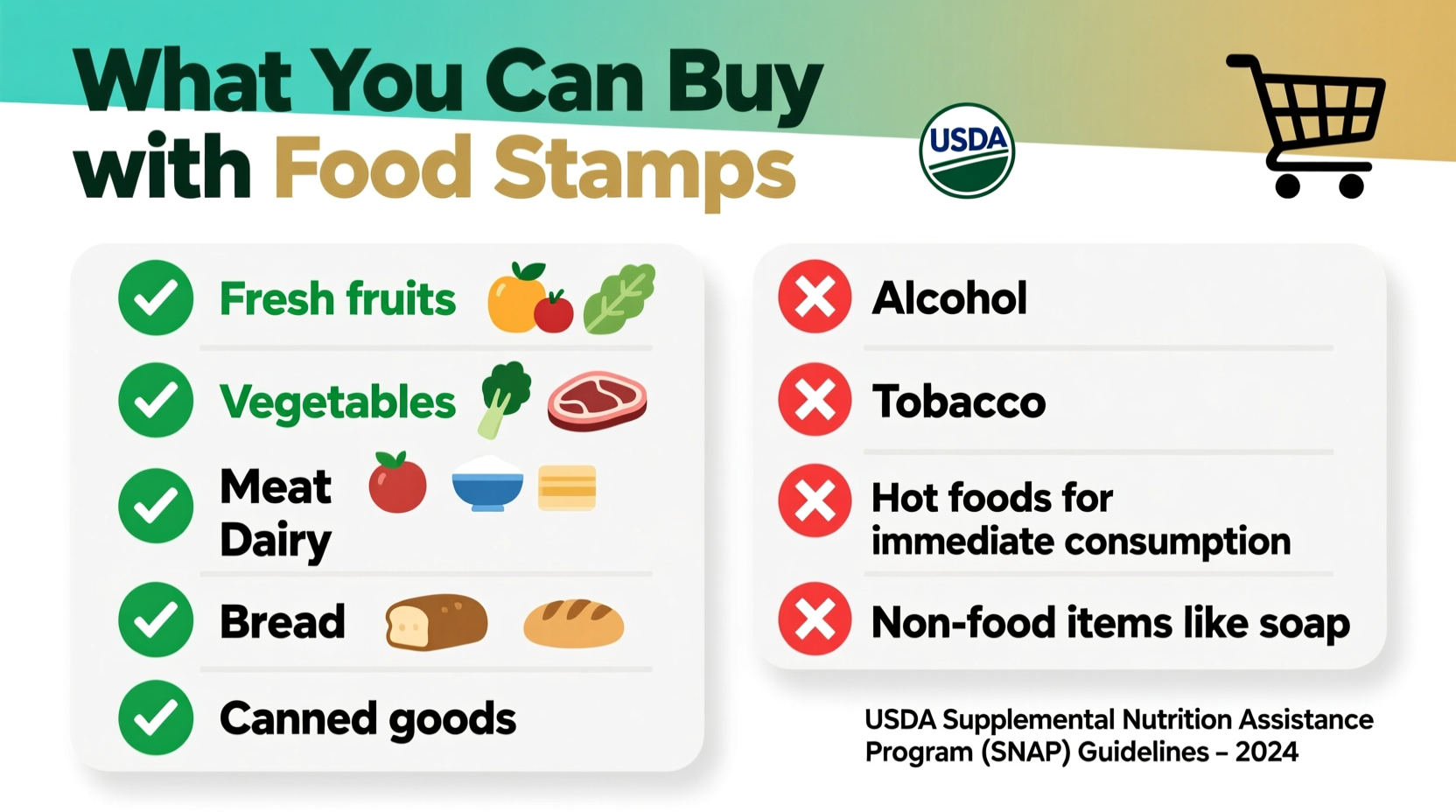
Generally, SNAP benefits cannot be used to purchase hot foods or foods that are ready to eat at the point of sale. However, under the Restaurant Meals Program (RMP), participating states can elect to allow eligible elderly, disabled, or unhoused beneficiaries to use their EBT benefits at authorized local restaurants and food providers. Check with your state human services department to determine if your state operates an active RMP.
Can college students get SNAP under current guidelines?
Students enrolled at least half-time in an institution of higher education are generally ineligible for SNAP unless they meet specific exemption criteria. Qualifying student exemptions include working at least 20 hours per week, participating in a state or federally funded work-study program, caring for a dependent child under age 6, or being enrolled in a higher education program through a qualifying SNAP E&T path.
How do I apply for stolen benefit replacement if my EBT card was skimmed?
Contact your local county welfare department or state EBT customer service hotline immediately upon discovering missing funds to cancel your card and prevent further unauthorized access. File a formal stolen benefit claim form with your state agency. You will need to provide transaction details, including unauthorized store locations, dates, and amounts subtracted from your account.
Practical Recommendation
If you currently receive or plan to apply for SNAP benefits, contact your local state human services office or visit your state’s official online public assistance portal. Take time to review your household composition, verify that your income and shelter expenses are up to date, and submit documentation for any new exemptions—such as veteran status, housing instability, or medical work limitations—that protect your benefit eligibility.
For detailed federal guidelines, official benefit allotment tables, and regional updates, consult the official USDA Food and Nutrition Service SNAP Portal.