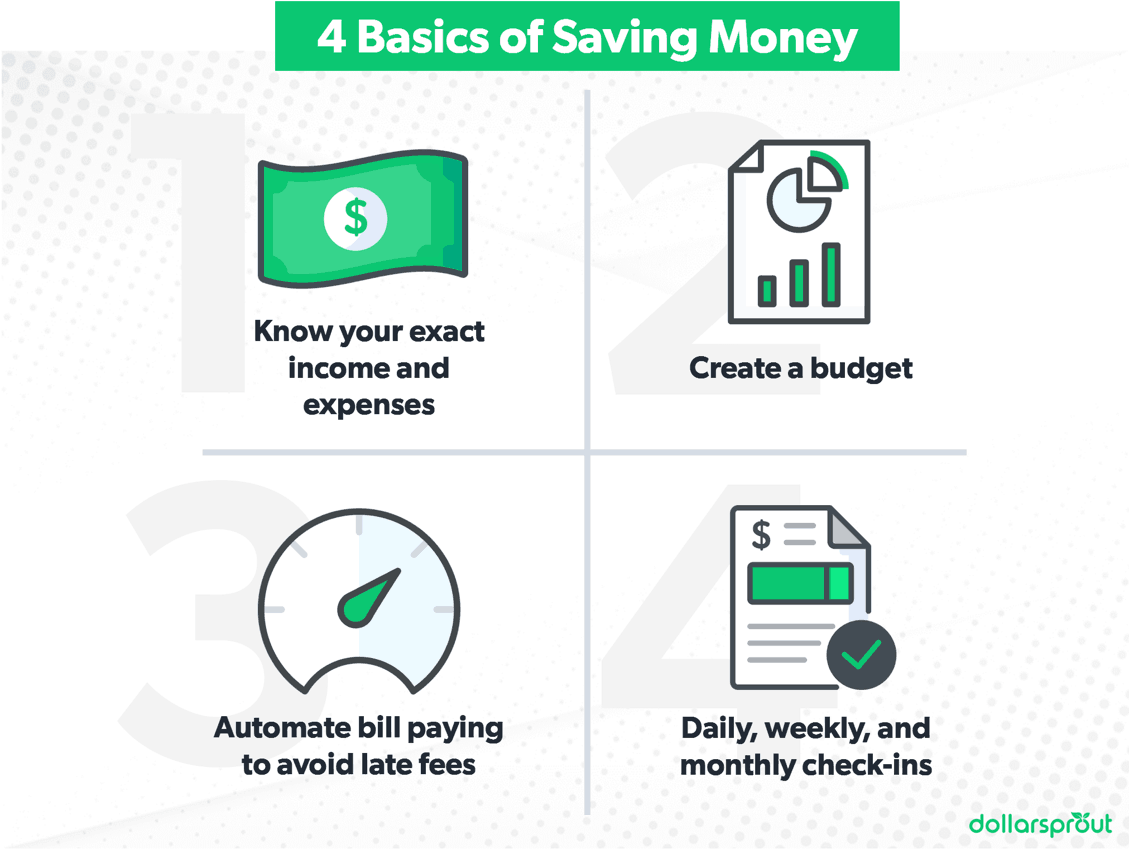
Building an emergency fund or freeing up cash for short-term goals often requires immediate adjustments to daily habits and recurring bills rather than complex long-term investments. By auditing subscription services, renegotiating routine utility rates, streamlining food expenses, and automating transfers, you can generate noticeable savings in weeks rather than years.
Achieving financial stability rarely happens by accident. For many individuals and households, the gap between earning enough and actually accumulating savings comes down to structural inefficiencies in monthly spending. When unexpected expenses arise—such as urgent car repairs, medical bills, or temporary income disruptions—having access to quick cash or liquid savings prevents reliance on high-interest debt like credit cards or payday loans.
This guide explores ten practical, actionable strategies designed to help you reduce outflow rapidly without upending your entire life. These methods range from zero-cost administrative fixes, like canceling unused services, to tactical behavioral shifts regarding grocery shopping and transportation. Implementing even a few of these steps can yield an immediate surplus, giving you the financial breathing room required to plan for the future.
1. Audit and Purge Recurring Subscriptions
Unused subscriptions represent one of the most silent drains on personal finances. Over time, recurring charges for streaming services, digital apps, gym memberships, and box deliveries accumulate quietly on bank statements, often long after their utility has expired.
To stop this leak, pull up your bank and credit card statements from the past 90 days. Highlight every recurring monthly or annual charge. Categorize each one into three buckets: essential, occasional, and obsolete.
- Obsolete subscriptions (such as a streaming platform you haven't opened in months or a niche app with a free alternative) should be canceled immediately.
- Occasional subscriptions can be rotated; instead of paying for three video streaming services simultaneously, keep only one active per month, rotating them as new content releases.
Beyond digital entertainment, check for forgotten software licenses, cloud storage tiers, and professional association dues that no longer serve your career goals. Taking thirty minutes to systematically audit these accounts can instantly recover anywhere from $30 to $150 per month, directly boosting your liquid cash flow with zero friction to your daily routine.
2. Restructure Your Grocery Spending and Meal Plan
Food is typically one of the most flexible major expenses in a household budget, making it a prime target for fast savings. Eating out, ordering delivery, and buying pre-packaged convenience foods inflate grocery bills substantially faster than cooking raw ingredients from scratch.
Transitioning to a structured meal-planning routine ensures that every item purchased has a designated purpose, drastically cutting down on food waste. Before heading to the supermarket:
- Inventory your refrigerator, freezer, and pantry to build meals around ingredients you already own.
- Create a rigid shopping list based on a weekly menu and commit to buying only what is on the list.
- Avoid shopping while hungry, a well-documented psychological trigger for impulse purchases.
Additionally, swap name-brand pantry staples, spices, and cleaning supplies for store-brand equivalents. Generic items are often manufactured by the same national brands in the exact same facilities, yet they sell for 20% to 40% less. Minimizing restaurant visits and ordering takeout down to once a week can save hundreds of dollars within your first month of tracking.
3. Renegotiate Utility, Insurance, and Telecom Rates
Many consumers treat bills for internet, mobile phones, auto insurance, and home insurance as fixed expenses, but these rates are frequently negotiable or subject to cheaper alternatives in the open market.
Start by contacting your internet service provider (ISP) or mobile carrier. Inquire about current promotional rates or loyalty discounts. Often, customer retention departments have authorization to apply temporary credits or transition you to a modern plan that costs less while offering equal or better data limits. If your current provider refuses to lower your bill, check competitor rates in your area; even the threat of switching can prompt a better offer.
For insurance policies (auto, home, or renters), shop around annually. Insurance algorithms reward loyalty with price increases over time—a phenomenon known in the industry as "price optimization." Obtaining quotes from three competing insurers can reveal identical or superior coverage at a significantly lower premium. Bundling multiple policies under a single provider can also secure immediate percentage discounts.
4. Implement a 48-Hour Rule for Non-Essential Purchases
Impulse buying driven by digital marketing, social media ads, and one-click checkout options can silently derail even the most disciplined savings plan. Developing friction between the desire to buy and the actual transaction is vital for protecting your cash.
The 48-hour rule requires you to wait two full days before purchasing any non-essential item over a modest threshold (such as $50). When you feel the urge to buy something outside of your baseline budget:
- Remove the item from your digital cart, or close the shopping tab entirely.
- Write down the item, its price, and the date in a dedicated note on your phone.
- Use the waiting period to evaluate whether the purchase solves a genuine problem or merely offers a fleeting dopamine boost.
In many cases, the emotional urge to buy dissipates completely within 48 hours. If you still want and need the item after the waiting period has elapsed, and it fits comfortably within your adjusted budget, you can purchase it knowing it was a deliberate choice rather than an emotional reaction.
5. Switch to Cash or Dedicated Debit Envelopes for Variable Spending
Credit cards offer convenience, fraud protection, and rewards, but they also detach the psychological pain of spending from the act of purchasing. Studies consistently show that consumers spend more money when using plastic compared to physical currency.
To regain control over variable categories like dining out, entertainment, and clothing, consider utilizing a modified envelope system:
- Calculate a realistic weekly cash limit for your problem spending categories.
- Withdraw that exact amount in physical cash at the start of the week.
- Divide the cash into labeled physical envelopes (e.g., "Restaurants," "Fun," "Groceries").
- Once the cash in an envelope is gone, spending in that category stops until the following week.
If handling physical cash is impractical due to online shopping habits, open a separate digital checking account linked to a single debit card. Fund that account only with your discretionary allowance for the month. This creates a hard financial boundary that prevents you from accidentally tapping into rent or grocery funds.
6. Audit and Lower Energy Consumption at Home
Utility bills—specifically electricity, gas, and water—represent substantial monthly outflows that can be managed through behavioral adjustments and minor environmental optimizations.
Begin with a thermal audit of your living space. Adjust your programmable thermostat by 1 to 2 degrees Celsius (or 2 to 3 degrees Fahrenheit): lower in the winter, higher in the summer. This minor shift can reduce heating and cooling costs by up to 10% annually. Ensure that ceiling fans rotate counterclockwise in the summer to create a cooling wind-chill effect, and clockwise in the winter to push warm air down from the ceiling.
Other rapid energy-saving actions include:
- Washing laundry exclusively in cold water, which eliminates about 75% of the energy required to run a clothes washer.
- Unplugging "phantom loads"—electronics like TVs, game consoles, and chargers that draw standby power even when turned off.
- Replacing incandescent or older compact fluorescent bulbs with high-efficiency LEDs.
- Sealing drafty windows and exterior doors with inexpensive weatherstripping or caulk.
7. Monetize Unused Possessions Through Quick Resale
Most households possess hundreds or thousands of dollars worth of physical items sitting dormant in closets, garages, and attics. Converting these neglected belongings into liquid cash is one of the fastest ways to jumpstart a savings fund.
Evaluate your possessions for items that fit the following criteria:
- You have not used or worn them in the past 12 months.
- They hold clear market value on secondary platforms (electronics, musical instruments, designer clothing, small kitchen appliances, tools, and sporting goods).
Utilize local peer-to-peer marketplaces (such as Facebook Marketplace or specialized neighborhood apps) for heavy or bulky items to avoid shipping costs and platform fees. For smaller, high-value goods like smartphones, tablets, or branded apparel, use dedicated resale sites or trade-in programs. Taking a weekend to photograph, list, and sell surplus items can clear physical clutter while generating an immediate cash injection for your savings account.
8. Pause and Optimize Transportation Costs
Transportation is typically the second-largest household expense after housing. Between fuel, maintenance, insurance, parking, and depreciation, automobiles demand a continuous stream of capital.
If your schedule and geographic location permit, reducing car dependency even slightly yields immediate dividends. Consolidate your weekly errands into a single trip rather than making multiple separate excursions, which minimizes fuel consumption and engine wear. Practice fuel-efficient driving habits, such as removing excess weight from the trunk, avoiding rapid acceleration, and maintaining correct tire pressure to maximize fuel economy.
For urban commuters, evaluate public transit passes, carpooling with coworkers, or utilizing a bicycle for short trips. If you own multiple vehicles in a household where one sits idle most days, assess whether maintaining insurance and registration on the secondary car makes financial sense compared to renting a vehicle on the rare occasions two cars are needed.
9. Automate Your Savings to Eliminate Decision Fatigue
Relying on willpower to save money at the end of the month rarely works. If funds remain in your primary checking account, they tend to be absorbed by incidental spending. The most reliable way to accumulate savings is to reverse the formula: save first, spend what is left.
Contact your bank or log into your online banking portal to set up an automatic recurring transfer. Schedule this transfer to occur the exact same day your paycheck hits your account. Even if you start small—such as $25 or $50 per paycheck—automation removes human emotion and decision fatigue from the equation.
As your cash flow stabilizes through the other methods outlined in this guide, gradually increase the automatic transfer amount by 1% every few months. Because the money moves out of your checking account before you have a chance to spend it, you will naturally adapt your daily spending to fit the remaining balance.
10. Implement a 30-Day Spending Freeze Challenge
When you need to jumpstart your savings habits aggressively, a short-term spending freeze serves as a powerful financial reset. A spending freeze (often called a "no-spend month" or challenge week) involves cutting out all non-essential purchases for a designated period.
During a spending freeze, your financial rules are stark and clear:
- Allowed expenses: Rent or mortgage, basic utilities, baseline groceries (raw ingredients only), necessary medical care, and essential debt minimums.
- Banned expenses: Dining out, coffee shop visits, clothing purchases, entertainment, streaming rentals, hobby supplies, and impulse online shopping.
Use the challenge to break unconscious spending loops, such as stopping for a daily pastry or browsing online stores out of boredom. Redirect every dollar you would have spent during this period directly into a high-yield savings account or emergency fund. The psychological clarity gained from a spending freeze often permanently alters how you view non-essential consumption long after the challenge ends.
Strategic Savings Comparison Matrix
To help you prioritize which methods to implement first based on effort and potential financial return, review the comparison matrix below:
| Savings Strategy | Estimated Setup Time | Difficulty Level | Speed of Financial Return | Impact on Daily Routine |
|---|---|---|---|---|
| Subscription Audit | 30 minutes | Low | Immediate (Next billing cycle) | Negligible |
| Grocery / Meal Planning | 1–2 hours weekly | Moderate | Immediate (Weekly) | Moderate |
| Utility / Insurance Negotiation | 1–2 hours total | Moderate | Short-term (1–2 months) | Low |
| 48-Hour Purchase Rule | Ongoing | Low | Immediate | Low |
| Cash / Envelope System | 1 hour setup | Moderate | Immediate | High |
| Energy Optimization | 1–2 hours | Low | Short-term (Next utility bill) | Low |
| Unused Item Resale | 3–5 hours | High | Immediate (Upon sale) | Moderate |
| Transportation Efficiency | Ongoing | Moderate | Immediate | Moderate |
| Automated Transfers | 10 minutes | Low | Immediate | None |
| 30-Day Spending Freeze | Ongoing for 30 days | High | Immediate | High |
Frequently Asked Questions
What is the fastest way to save money when living paycheck to paycheck?
The fastest way to free up cash is to perform an immediate audit of your recurring subscriptions and halt all non-essential variable spending, such as dining out and entertainment. By pairing this with an automatic transfer of even a small sum on payday, you redirect cash away from discretionary habits before they absorb your income.
How much of my income should I try to save each month?
While classic financial guidance often recommends the 50/30/20 rule (50% for needs, 30% for wants, 20% for savings), individuals starting out or facing tight budgets should focus on building a starter emergency fund first. Aim for a fixed cash cushion—such as $1,000 or one month of living expenses—before scaling up to longer-term savings goals.
Are budgeting apps safe to use for tracking expenses?
Most reputable budgeting apps use bank-level encryption (such as 256-bit SSL) and read-only access to monitor your accounts safely. However, if you prefer not to connect third-party software to your financial institutions, you can achieve the exact same results using a manual spreadsheet or pen-and-paper tracking.
What should I do with the money once I save it?
Short-term savings intended for emergencies or near-term goals should be kept in a liquid, FDIC-insured high-yield savings account (HYSA). This ensures your principal remains safe while earning competitive interest rates, keeping the funds accessible if an urgent expense arises.
How do I stay motivated when trying to cut back on spending?
Motivation often wanes when budgeting feels like punishment. To maintain momentum, tie your savings goals to specific, positive outcomes—such as eliminating high-interest credit card debt, funding a specific trip, or securing financial peace of mind. Celebrate small milestones along the way rather than focusing solely on the end target.
Next Steps
Begin your savings journey today by completing just one task from this list: open your banking app and cancel at least one unused subscription, or set up an automated transfer of $25 for your next payday. Small, decisive actions compound quickly, transforming sporadic financial stress into reliable, accessible savings.