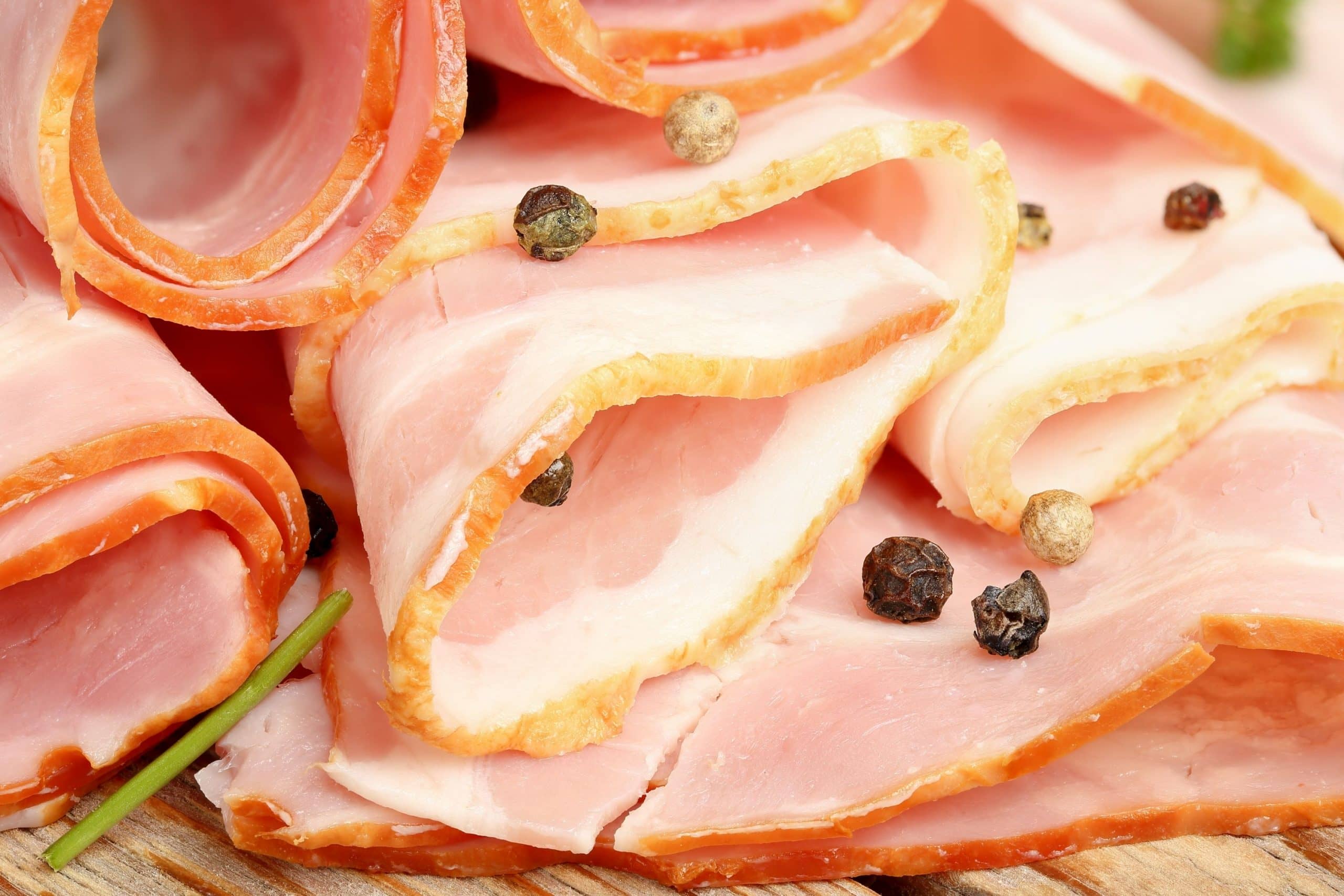
When turkey bacon turns grey, the color shift usually stems from either harmless atmospheric oxidation or dangerous bacterial spoilage. If the bacon exhibits a uniform dull grey or greenish hue, feels slimy or tacky to the touch, or produces a sour or sulfurous odor, it has spoiled and must be discarded immediately.
The Science of Color in Poultry Bacon: Why Turkey Bacon Discolors
Understanding why turkey bacon loses its characteristic pink or reddish-tan hue requires examining meat chemistry, processing methods, and how environmental factors alter cellular pigments. Unlike traditional pork bacon, which is cut from pork belly, commercial turkey bacon is typically a reformed, cured, and smoked product made from chopped, seasoned, and pressed dark and light turkey meat. The coloration of this processed poultry is delicate and susceptible to rapid chemical alteration.
Myoglobin and Meat Pigmentation
The primary pigment responsible for the color of any meat, including poultry, is myoglobin. Myoglobin is a hemoprotein that stores oxygen in muscle cells. The iron atom situated at the core of the myoglobin molecule dictates the visible color of the meat depending on its chemical oxidation state and the specific molecule bound to it:
- Deoxymyoglobin: When no oxygen is bound to the heme iron (which remains in a reduced ferrous state, $\text{Fe}^{2+}$), meat displays a purplish-red color. This is rarely seen in turkey bacon because commercial packaging and curing processes introduce other compounds.
- Oxymyoglobin: When exposed to ambient oxygen, the heme iron binds $\text{O}_2$, forming oxymyoglobin, which produces a bright red or vibrant pink appearance.
- Metmyoglobin: With prolonged exposure to oxygen, light, and heat, the iron atom loses an electron—oxidizing from the ferrous ($\text{Fe}^{2+}$) state to the ferric ($\text{Fe}^{3+}$) state. This biochemical oxidation creates metmyoglobin, which reflects light in muddy brown, tan, and grey wavelengths.
In poultry, myoglobin concentrations are inherently lower than in beef or pork. Consequently, any shift toward metmyoglobin is far more visually prominent, causing strips of turkey bacon to transition rapidly from pale pink to an unappealing dull grey.
Cured vs. Uncured Formulations: How Nitrites Affect Color Stability
The processing formulation of your turkey bacon plays a pivotal role in how resistant the product is to discoloration:
- Conventionally Cured Turkey Bacon: Conventional varieties are treated with synthetic sodium nitrite ($\text{NaNO}_2$). Nitrites react with myoglobin to form nitrosylmyoglobin. When the bacon is cooked and smoked during processing, this converts into nitrosohemochrome, a stable, heat-set pink pigment. This synthetic stabilization locks in the pink hue, making conventional turkey bacon relatively resilient against discoloration unless subjected to heavy microbial activity or prolonged air exposure.
- "Uncured" or Naturally Cured Turkey Bacon: Packages labeled "uncured" generally omit synthetic nitrites but substitute natural nitrate sources, most commonly cultured celery powder or sea salt. While these natural nitrates undergo bacterial conversion into nitrites during manufacturing, the resulting concentrations of curing agents can vary substantially across batches. Uncured turkey bacon often contains fewer chemical preservatives and antioxidants, leaving the pigments far more vulnerable to rapid oxidation, turning the bacon grey within days of opening the sealed package.
Atmospheric Oxidation vs. Enzymatic Breakdown
Discoloration occurs via two distinct pathways: non-microbial atmospheric oxidation and enzymatic decomposition driven by microorganisms.
Non-microbial oxidation happens when air infiltrates the packaging. Oxygen interacts not only with myoglobin but also with the unsaturated fatty acids present in the turkey meat. Lipid oxidation produces peroxides and aldehydes, which accelerate pigment degradation and can yield a stale, cardboard-like flavor without necessarily harboring pathogenic bacteria.
Conversely, enzymatic degradation is driven by spoilage organisms. When bacteria establish colonies on the surface of the meat, they secrete proteolytic enzymes that break down structural muscle proteins and pigments. As these proteins decompose, byproducts such as hydrogen sulfide and ammonia are released. Hydrogen sulfide reacts with remaining heme pigments to form sulfmyoglobin, which imparts a distinctly dull, grayish-green hue that signals advanced biological decomposition.
Is Grey Turkey Bacon Safe to Eat? The Three-Step Sensory Evaluation
Because oxidation can cause harmless discoloration while spoilage causes hazardous discoloration, visual inspection alone cannot provide a definitive safety assessment. To determine whether grey turkey bacon is safe to prepare or belongs in the trash, execute a systematic, three-step sensory check: sight, touch, and smell.
- Visual Check: Is the bacon grey, brown, or pink?
- Uniform Grey, Green, or Faded: DANGER / DISCARD (Microbial Breakdown)
- Local Grey/Brown (Edges/Top Slice): Proceed to Tactile Check
- Tactile Check: Does it feel slimy/sticky?
- Yes: DISCARD (Bacteria)
- No: Proceed to Olfactory Check
- Olfactory Check: Does it smell sour or off?
- Yes: DISCARD (Spoilage)
- No: SAFE TO COOK (Harmless Oxidation)
1. Visual Inspection: Pattern, Spread, and Underlying Hues
Examine the meat under clear, natural lighting:
- Localized Surface Grey: If only the top strip in an opened stack or the outer edges exposed to air pockets have turned dull brownish-grey, while the underlying meat remains pinkish, the discoloration is likely benign oxidation.
- Uniform or Mottled Grey-Green: If the discoloration is widespread throughout the entire package, penetrating between tightly stacked slices, or if you detect any iridescent sheen, greenish spots, or white fuzzy patches of mold, the product has degraded beyond safe consumption limits. Discard it immediately.
2. Tactile Assessment: Moisture vs. Bacterial Slime
Wash your hands and run your fingers along the surface of the strip:
- Normal Condensation: Fresh turkey bacon should feel slightly damp, firm, and pliable. A thin layer of moisture from vacuum-pack condensation is standard, provided the liquid is clear, watery, and non-viscous.
- Bacterial Biofilm (Slime): If the meat feels slick, excessively sticky, gummy, or tacky, discard it. This slippery layer is not water; it is an extracellular polymeric substance (a biological biofilm) produced by colonies of spoilage bacteria such as Pseudomonas and lactic acid bacteria feeding on the meat's sugars and proteins.
3. Olfactory Test: Identifying Volatile Off-Odors
Your sense of smell is one of the most reliable indicators of meat spoilage:
- Expected Scent: Unspoiled turkey bacon smells mild, faintly salty, and distinctly smoky from the processing stage. It should not present any pungent or lingering aroma.
- Spoilage Volatiles: Bring a strip near your nose. If you detect any sharp sourness, vinegary notes, sulfur (reminiscent of rotten eggs), ammonia, or a heavy, rancid, sweetish odor, microbial decomposition has generated volatile fatty acids and sulfur compounds. Never attempt to taste meat that fails the smell test.
Benign Oxidation vs. Dangerous Microbial Spoilage
To avoid throwing away edible food while protecting yourself from severe gastrointestinal illness, use this side-by-side diagnostic table to evaluate your turkey bacon:
| Characteristic | Benign Oxidation (Safe to Cook) | Microbial Spoilage (Dangerous: Discard) |
|---|---|---|
| Primary Color | Faded brownish-grey or tan | Dull ash-grey, green, or yellow-grey |
| Location of Grey | Confined to exposed edges or top layer | Spread across all slices, including interior seams |
| Surface Texture | Moist, smooth, slightly firm | Slimy, tacky, sticky, or spongy |
| Moisture Quality | Thin, watery, clear condensation | Thick, viscous, cloudy, or stringy film |
| Aroma | Neutral, faint smoke, light salt | Sour, pungent, ammonia-like, or sulfurous |
| Package Condition | Intact or properly resealed; within date | Bloated/puffy packaging or past open-storage limits |
| Underlying Slices | Normal pinkish or light-red hue | Discolored, dull, or developing dark margins |
| Recommended Action | Trim off grey edges if desired; cook to 165°F | Discard immediately; do not feed to pets |
Microbial Risks: Pathogens Associated with Expired Poultry
Consuming turkey bacon that has turned grey due to microbial proliferation poses serious food safety hazards. While spoilage bacteria make the food unpalatable through changes in odor and texture, pathogenic bacteria present an invisible, odorless, and potentially severe health threat.
Listeria monocytogenes in Processed Meats
Processed poultry and deli meats are well-documented vectors for Listeria monocytogenes, an environmental bacterium capable of surviving and multiplying at standard domestic refrigerator temperatures (34°F to 40°F / 1°C to 4°C).
Listeriosis is a particularly severe foodborne infection. While healthy individuals may experience moderate flu-like symptoms, diarrhea, or fever, high-risk demographics—such as pregnant individuals, adults over 65, and immunocompromised patients—face life-threatening complications, including septicemia, meningitis, and miscarriage. Discolored turkey bacon that has sat in a refrigerator beyond its recommended holding time presents an elevated risk for Listeria multiplication.
Salmonella, Campylobacter, and Staphylococcus aureus
In addition to Listeria, temperature-abused or spoiled poultry products can host:
- Salmonella enterica: Induces salmonellosis, marked by acute abdominal cramping, persistent watery diarrhea, high fever, and vomiting within 6 to 72 hours of ingestion.
- Staphylococcus aureus: While the bacteria themselves can be killed by heat, they produce heat-stable enterotoxins if meat sits too long in unsafe conditions. These enterotoxins trigger violent nausea, vomiting, and prostration within hours, regardless of whether the meat is subsequently cooked.
The Myth of "Cooking Out" Spoilage
A widespread and dangerous culinary myth suggests that thoroughly frying or searing spoiled grey turkey bacon will render it safe to eat. Cooking cannot neutralize all risks of food poisoning.
While bringing the internal temperature of poultry to a sustained 165°F (74°C) reliably destroys active, living bacteria, it fails to degrade bacterial endospores and heat-stable toxins already deposited into the meat matrix. If bacterial colonization has progressed to the point where the bacon has turned grey, slimy, or sour, thermal processing will kill the organisms but leave toxic chemical metabolic byproducts intact, leading directly to food intoxication.
Proper Storage and Shelf Life Standards for Turkey Bacon
Maintaining proper storage parameters preserves both the organoleptic qualities (taste, texture, color) and microbiological safety of turkey bacon. Because poultry bacon contains ground and reformed tissue, its shelf life dynamics differ from intact muscle cuts like standard pork strips.
| Turkey Bacon State | Timeline |
|---|---|
| Unopened (Factory Sealed) | Up to Printed Expiration Date |
| Opened (Refrigerated) | 7 Days Maximum (at or below 40°F / 4°C) |
| Frozen (Sub-Zero Storage) | 1 to 3 Months (at 0°F / -18°C) |
Unopened Sealed Packaging
When encased in factory packaging—typically modified atmosphere packaging (MAP) that flushes out atmospheric oxygen with inert nitrogen or carbon dioxide—turkey bacon remains stable until the manufacturer's printed "Use-By," "Best-By," or "Sell-By" date.
- Ensure your refrigerator maintains a consistent temperature at or below 40°F (4°C), and ideally between 34°F and 37°F (1°C to 3°C).
- Avoid storing bacon on interior door shelves, where ambient temperature fluctuates with every opening. Instead, position it in the lowest meat drawer or near the back of the bottom shelf.
Opened Packages and Air Mitigation Strategies
Once the hermetic factory seal is broken, atmospheric oxygen and airborne fungal spores enter the package immediately.
- According to the USDA Food Safety and Inspection Service guidelines for bacon storage, opened bacon can be safely stored in the refrigerator for up to 7 days.
- To prevent benign metmyoglobin oxidation and slow aerobic bacterial growth, do not store bacon loosely wrapped in its original plastic film.
- Transfer the remaining slices into an airtight container or a heavy-duty zip-top storage bag. Press out all residual air pockets before sealing, or consider using a domestic vacuum sealer to preserve both color and freshness.
Freezing Protocols to Prevent Freezer Burn and Discoloration
If you cannot consume an entire package within seven days of opening, freezing provides safe long-term preservation:
- Freezing Duration: Stored at 0°F (-18°C) or colder, turkey bacon remains microbiologically safe indefinitely. For optimal texture and flavor, consume frozen bacon within 1 to 3 months.
- Preventing Sublimation (Freezer Burn): When poultry bacon loses moisture through sublimation in dry freezer air, meat proteins oxidize and dehydrate, producing tough, chalky, greyish-white patches known as freezer burn.
- Packaging Method: Wrap individual portions tightly in greaseproof parchment or wax paper, followed by a layer of heavy aluminum foil, and finally place them into an airtight, freezer-rated bag with the excess air removed.
- Safe Thawing: Never thaw frozen turkey bacon on the kitchen counter at ambient room temperature. Always thaw packages overnight inside the refrigerator or submerge the vacuum-sealed package in a clean bowl filled with cold tap water, refreshing the water every 30 minutes until thawed.
Frequently Asked Questions
Why did my turkey bacon turn grey even though it is before the expiration date?
Unopened turkey bacon can turn grey before its expiration date if micro-punctures or compromised seals in the plastic allowed oxygen to penetrate, converting myoglobin into metmyoglobin. Additionally, if the product experienced temperature abuse—such as sitting out too long during transport from the grocery store or being stored in a refrigerator running above 40°F (4°C)—bacterial spoilage can accelerate long before the date printed on the label.
Can you cook grey turkey bacon to make it safe?
No, cooking cannot make grey turkey bacon safe if the discoloration is caused by spoilage. High cooking temperatures kill live vegetative bacteria, but they do not eliminate heat-stable bacterial toxins or metabolic byproducts like those produced by Staphylococcus aureus. If the grey color is accompanied by a foul smell or a slimy, tacky texture, the meat must be discarded regardless of cooking method.
What happens if you accidentally eat spoiled, grey turkey bacon?
Accidentally consuming spoiled turkey bacon can cause food poisoning, typically manifesting within 2 to 24 hours. Common symptoms include abdominal pain, nausea, severe vomiting, diarrhea, headache, and low-grade fever. If you experience persistent vomiting preventing hydration, high fever (over 101.5°F / 38.6°C), bloody stools, or severe dizziness, consult a physician or visit an urgent care facility immediately.
Why does uncured turkey bacon turn grey faster than regular turkey bacon?
Uncured turkey bacon turns grey faster because it lacks synthetic sodium nitrite, which binds tightly to heme iron to lock in a resilient, permanent pink color. Even though uncured brands use natural nitrates from celery powder, these compounds degrade more quickly upon exposure to atmospheric oxygen and light, allowing myoglobin to oxidize into brown and grey metmyoglobin within days of opening.
Does grey turkey bacon taste different?
Yes. If the grey color is simply mild surface oxidation, the bacon may taste slightly flat, dry, or stale due to oxidized fats, but it remains edible. If the discoloration is caused by bacterial spoilage, the meat will have a sour, bitter, or sulfurous flavor. You should never taste suspect meat to verify freshness; relying on touch and smell is safer and far more reliable.
Final Action Plan: What to Do Right Now
If you are holding a package of grey turkey bacon, follow this immediate, practical checklist:
- Run the Sensory Test: Check the texture and odor. If it smells sour, foul, or chemical-like, or feels tacky or slimy under your fingertips, wrap it securely in a plastic grocery bag and discard it in an outdoor trash bin.
- Verify the Package Timeline: If the bacon has been open in your refrigerator for more than 7 days, toss it regardless of its physical appearance.
- Trim Mildly Oxidized Meat: If the strips pass both the touch and smell tests, and the grey hue is restricted to exposed surface edges while the interior stays pink, slice away the grey edges if you find the appearance unappealing.
- Cook to Safe Temperatures: Cook the remaining strips until they reach a minimum internal temperature of 165°F (74°C) using a calibrated meat thermometer, or until crisp throughout.
- Secure Storage: Transfer any remaining uncooked slices into an airtight container or a vacuum-sealed bag, purge all excess air, and refrigerate immediately below 40°F (4°C).