Startup fraud is the intentional misrepresentation of a company’s financial health, product capabilities, or operational metrics to secure capital or inflate valuations. Unlike common business failures, fraud involves deliberate deception, such as falsifying revenue, fabricating user data, or misleading investors about proprietary technology to gain an unfair advantage or personal enrichment.
The venture capital ecosystem thrives on optimism and the "fake it 'til you make it" ethos, but as of 2026, the line between aggressive marketing and criminal fraud has become a central focus for regulators and investors alike. The collapse of several high-profile "unicorns" in recent years has demonstrated that even sophisticated institutional investors are not immune to well-orchestrated deception. Understanding the mechanics of startup fraud is essential for founders who want to maintain integrity and for investors seeking to protect their assets.
Defining Startup Fraud in the Modern Venture Ecosystem
Startup fraud occurs when a company’s leadership provides false or misleading information to stakeholders, including venture capitalists (VCs), angel investors, employees, and customers. While many startups fail due to market conditions or poor execution, fraud is distinguished by the presence of scienter—the intent to deceive.
In the high-pressure environment of Silicon Valley and global tech hubs, the pressure to meet "growth at all costs" benchmarks often creates a moral hazard. Founders may feel compelled to "round up" revenue figures or project product capabilities that do not yet exist, hoping the next funding round will provide the resources to make those projections a reality. When these discrepancies are hidden rather than disclosed, the company enters the realm of fraudulent activity.
The Spectrum of Deception: From Growth Hacks to Crimes
Not all misstatements are treated equally. Fraud typically falls into three categories:
- Securities Fraud: Misleading investors to purchase shares under false pretenses. This is often governed by the SEC in the United States under Rule 10b-5.
- Wire Fraud: Using electronic communications to execute a scheme to defraud, which is a common federal charge in startup cases.
- Consumer Fraud: Selling a product to customers based on technical capabilities that the company knows it cannot deliver.
Major Categories of Startup Fraud
The methods used to deceive stakeholders vary, but most startup fraud cases fall into one of three primary buckets: financial manipulation, technical overstatement, and user metric fabrication.
Financial Misrepresentation and "Ghost" Revenue
Financial fraud is perhaps the most traditional form of deception. In the startup world, this often involves the manipulation of Annual Recurring Revenue (ARR) or Gross Merchandise Volume (GMV).
- Round-Tripping: A company provides funds to a "customer" (often a shell company or a friendly partner), who then uses those same funds to purchase the startup's services. This creates the illusion of revenue growth without any actual net inflow of capital.
- Pro-Forma vs. GAAP: Startups often report non-GAAP (Generally Accepted Accounting Principles) metrics. Fraud occurs when these metrics are used to hide liabilities or double-count revenue in a way that is fundamentally dishonest.
- Fabricated Invoices: In extreme cases, such as the 2023 allegations surrounding certain fintech startups, founders have been accused of creating entirely fake invoices or customer contracts to satisfy due diligence requirements during a Series B or C round.
Product Performance and Technical Overstatement
This category is often associated with the "Theranos" model of fraud. It involves claiming that a proprietary technology is fully functional and scalable when it is actually non-existent or powered by human intervention.
- The "Mechanical Turk" Strategy: Presenting an automated AI solution to investors that is actually being operated manually by low-wage workers behind the scenes. While "Wizard of Oz" testing is a legitimate early-stage prototyping method, it becomes fraud when it is sold as a finished, scalable AI product during a late-stage fundraise.
- Vaporware: Announcing products and taking pre-order deposits for technology that the company knows is physically impossible to build under current constraints.
- Staged Demonstrations: The case of Nikola Corporation serves as a historical benchmark, where a prototype electric truck was filmed rolling down a hill to give the appearance of a functional powertrain.
Fabricated User Metrics and Traction Data
For consumer-facing startups, the number of active users is the primary driver of valuation.
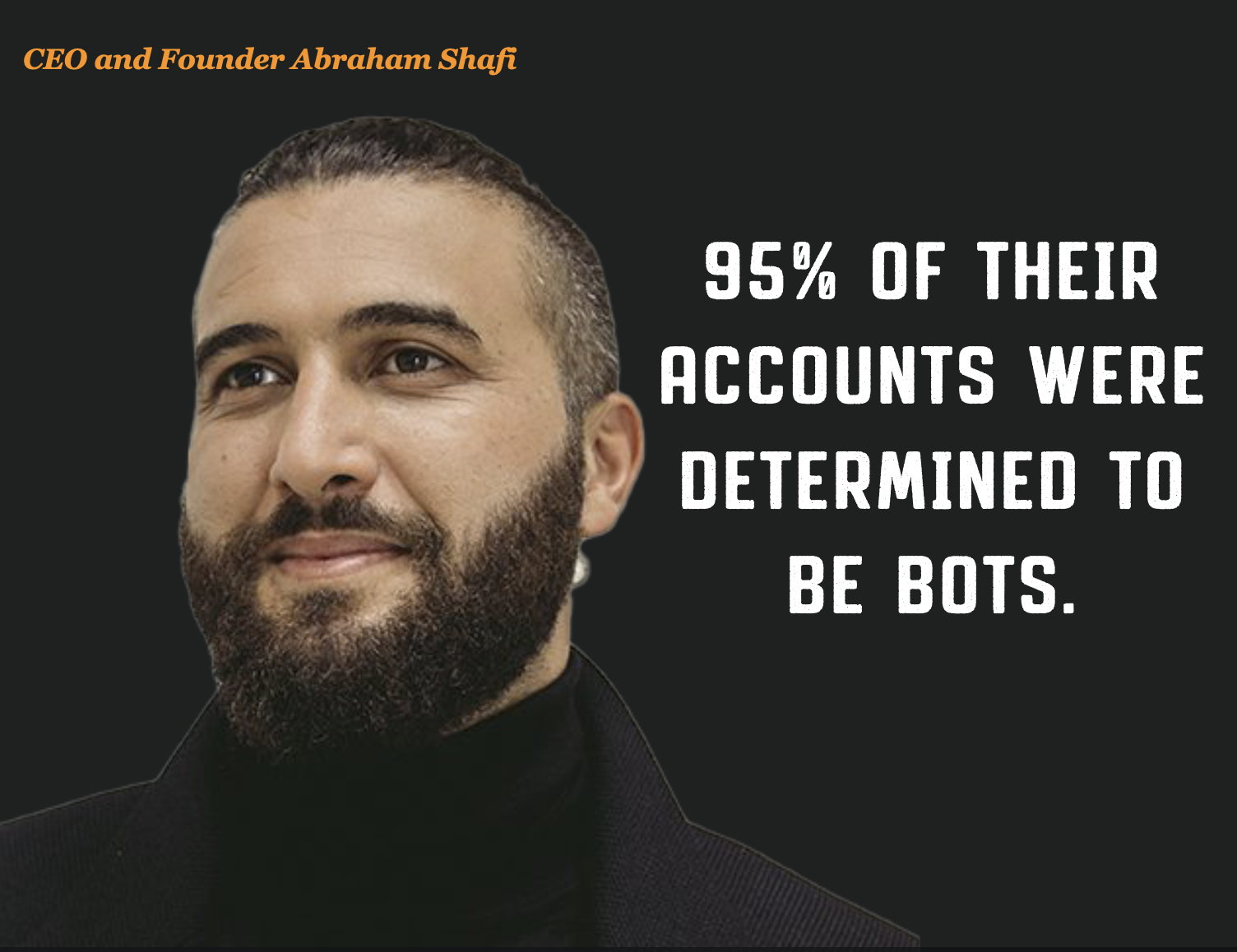
- Fake Account Creation: Founders may use "bot farms" to inflate daily active user (DAU) counts.
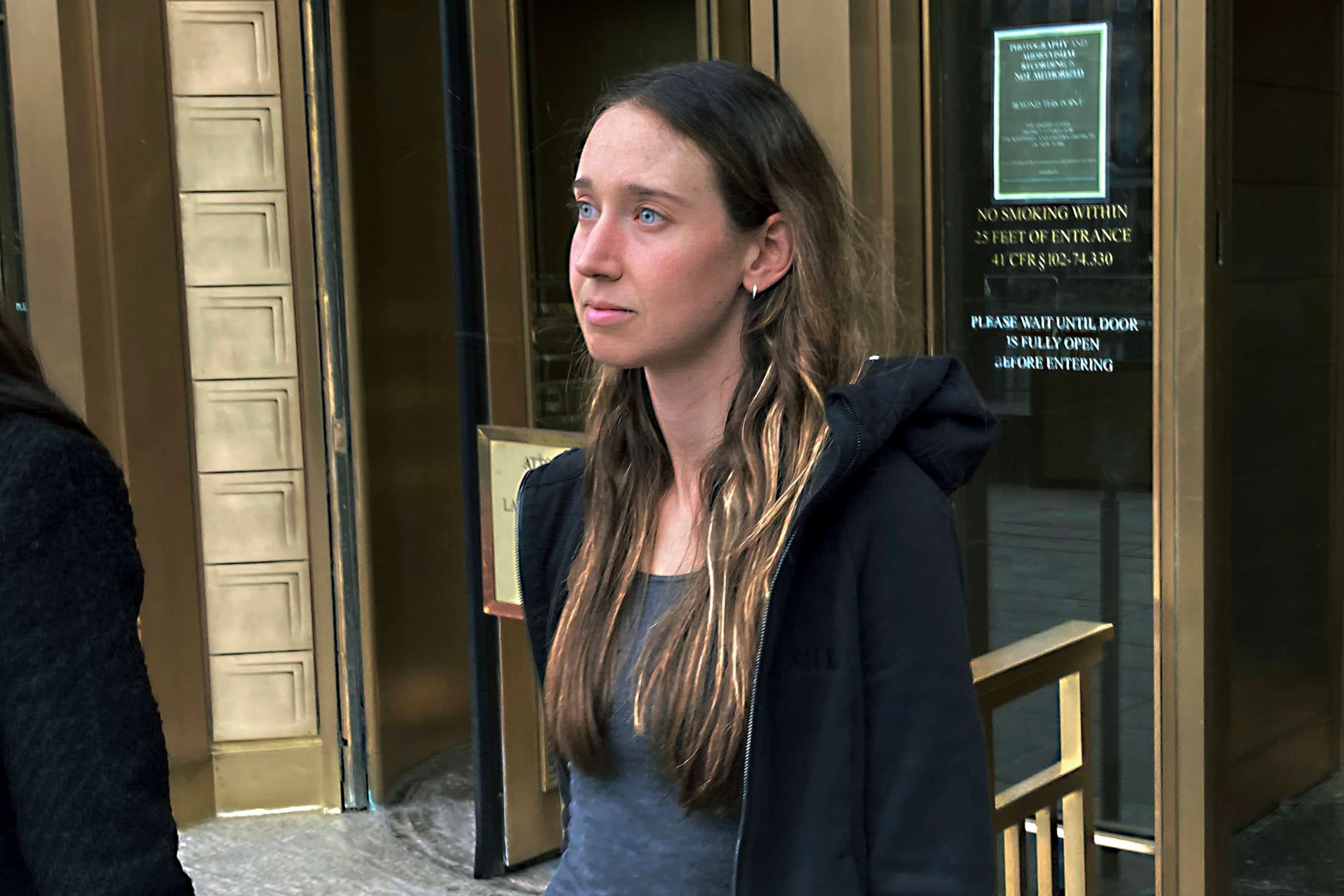
- The "Frank" Case: In 2023, JPMorgan Chase sued the founder of the student financial aid startup Frank, Charlie Javice, alleging she fabricated a list of over 4 million students to induce the bank to acquire the company for $175 million. The investigation revealed the actual user base was a fraction of that size.
- Churn Concealment: Systematically hiding the rate at which users delete an app or cancel a subscription to maintain the appearance of "sticky" growth.
Historical Case Studies: Lessons from Notorious Failures
Analyzing past frauds provides a roadmap for the red flags that investors should look for in 2026.
| Company | Primary Fraud Type | Mechanism of Deception | Consequence |
|---|---|---|---|
| Theranos | Technical Overstatement | Claimed a proprietary device could run hundreds of tests from a single drop of blood; used third-party machines instead. | Elizabeth Holmes sentenced to 11+ years; company liquidated. |
| FTX | Misappropriation of Funds | Used customer deposits from the crypto exchange to fund speculative bets at sister firm Alameda Research. | Sam Bankman-Fried convicted of multiple counts of fraud; 25-year sentence. |
| Nikola | Technical Overstatement | Misled investors about the functionality of the Nikola One semi-truck through staged videos and false claims. | Trevor Milton sentenced to 4 years for securities and wire fraud. |
| Frank | User Data Fabrication | Created a database of millions of fake student accounts to facilitate an acquisition by JPMorgan. | Federal criminal charges and ongoing litigation (as of 2024-2026 timeframe). |
| Ozy Media | Identity Misrepresentation | An executive impersonated a YouTube official on a due diligence call with Goldman Sachs to secure investment. | Founder Carlos Watson faced federal fraud charges. |
The Red Flags: How Investors Can Spot Potential Deception
In 2026, due diligence has evolved to be more adversarial. Sophisticated investors now look for specific behavioral and operational "tells" that suggest a startup may be misrepresenting its status.
1. The "Black Box" Product
If a founder refuses to allow a third-party technical audit or prevents a deep dive into the codebase under the guise of "protecting intellectual property," it is a major red flag. Legitimate IP can be protected via NDAs and clean-room environments; total secrecy often hides a lack of substance.
2. High Executive Turnover
A pattern of CFOs or Heads of Legal resigning within 6 to 12 months is often a sign of internal friction regarding ethics. Financial professionals are typically the first to see the "bodies buried" in the ledger.
3. Discrepancies in Third-Party Verifications
Investors should cross-reference a startup’s claims with external data. If a company claims to have a partnership with a Fortune 500 firm, a simple confirmatory call to that firm's procurement office can often debunk the claim. Fraudsters rely on the "aura of credibility" and the assumption that no one will actually check the details.
4. Aggressive Pushback Against Questions
Founders who respond to standard due diligence questions with personal attacks, "visionary" deflections, or threats to pull the deal are often trying to distract from a lack of data. Transparency is the hallmark of a healthy startup.
Due Diligence Frameworks for 2026
To mitigate the risk of fraud, investors and acquiring companies have adopted more rigorous verification frameworks. The 2024-2025 period saw a significant shift toward "Verified Diligence."
- Direct Data Access: Rather than accepting PDF reports, investors now demand read-only access to the company’s source systems, including Stripe for revenue, AWS/Azure for infrastructure costs, and Google Analytics for user metrics.
- Customer Calls (The "Blind" Method): Investors no longer only call the references provided by the founder. They use LinkedIn and industry networks to find "dark" customers—those who used the product and left—to get an unbiased view of technical performance.
- Forensic Accounting: Even for early-stage companies, hiring firms to perform a "light" forensic audit of bank statements against reported revenue has become standard for checks over $5 million.
Legal and Regulatory Consequences of Fraud
The legal landscape for startup founders has shifted from "civil disputes" to "criminal prosecutions." The Department of Justice (DOJ) and the Securities and Exchange Commission (SEC) have formed specialized task forces to monitor private markets.
- Securities Fraud (Rule 10b-5): This remains the primary tool for the SEC. It applies to any person who uses "any device, scheme, or artifice to defraud" in connection with the purchase or sale of securities.
- Clawbacks: In 2026, many VC contracts now include aggressive clawback provisions, allowing the firm to recoup past investments and management fees if fraud is later discovered.
- Personal Liability: The "corporate veil" is easily pierced in fraud cases. Founders can be held personally liable for the losses of investors, leading to the total loss of personal assets and long-term incarceration.
Comparison of Genuine Business Risk vs. Fraudulent Activity
Distinguishing between a struggling business and a fraudulent one is critical for stakeholders deciding whether to support or litigate.
| Feature | Genuine Business Risk | Startup Fraud |
|---|---|---|
| Pivot Strategy | Changes direction based on market feedback and data. | Changes direction to hide past failures or "unbuildable" tech. |
| Financial Reporting | Admits to missing targets or high burn rates. | Fabricates revenue or uses "creative" math to hide losses. |
| Product Demos | Showcases current features while disclosing future roadmap. | Uses mockups or manual labor to simulate "finished" tech. |
| Transparency | Openly discusses challenges with the Board. | Withholds information or lies to the Board about risks. |
| Employee Feedback | Morale may be low due to stress or lack of product-market fit. | Whistleblowers alert investors to ethical violations. |
Recovery and Next Actions for Stakeholders
If you suspect or discover fraud within a startup where you are an investor, employee, or partner, immediate action is required to minimize damage.
For Investors
- Immediate Freeze: Cease all further funding and notify legal counsel.
- Independent Audit: Commission a forensic audit that is not overseen by the current management team.
- Board Action: Use board seats to remove the CEO or offending executives immediately.
- SEC/DOJ Reporting: If the fraud is material, reporting it to federal authorities may be necessary to protect the firm from being seen as a co-conspirator.
For Employees
- Documentation: Keep a record of directives that you believe are fraudulent or unethical. Use personal devices for these notes to ensure they aren't deleted by the company.
- Legal Protection: Consult an employment lawyer before resigning or "blowing the whistle." Whistleblower protections (such as those under the Dodd-Frank Act) can provide significant legal and financial safeguards.
- Exit Strategy: Distance yourself from the fraudulent activity as soon as possible to avoid being named as a defendant in future litigation.
Frequently Asked Questions
Can a founder go to jail for "exaggerating" product capabilities?
Yes. If the "exaggeration" involves claiming a product can perform tasks that the founder knows are technically impossible, and that claim is used to secure investment, it constitutes wire fraud and securities fraud. The threshold is whether the misrepresentation was "material"—meaning it would influence a reasonable investor's decision.
How does the SEC regulate private startups?
While private companies are not subject to the same public filing requirements as Apple or Google, they are still subject to federal anti-fraud provisions. The SEC has the authority to investigate and sue any company that sells securities (including SAFEs and preferred stock) based on fraudulent information.
What is the "Frank" case, and why is it important for 2026?
The Frank case involved the fabrication of a user list used to sell a startup to JPMorgan. It serves as a warning that even the largest financial institutions can be victims of startup fraud and has led to a much higher standard for verifying user data during the M&A process.
Is "Fake it 'til you make it" illegal?
Not inherently. Using mockups to test interest or selling a vision of what will be built is standard practice. It becomes illegal when the founder represents the vision as a current reality to obtain money under false pretenses.
How can a whistleblower report startup fraud safely?
Whistleblowers can report to the SEC's Office of the Whistleblower. If the information leads to a successful enforcement action with over $1 million in sanctions, the whistleblower may be eligible for a reward of 10% to 30% of the money collected.
Practical Recommendation: Implementing the "Three-Point Verification"
To survive the investment landscape of 2026, all stakeholders should adopt a Three-Point Verification model before committing capital or career:
- Technical Proof: Demand a live, unscripted demo on an environment the founder does not control.
- Financial Proof: Verify bank statements against tax filings and Stripe/payment processor logs.
- Human Proof: Conduct back-channel references with former employees and lost customers, specifically asking about the founder's honesty when things go wrong.