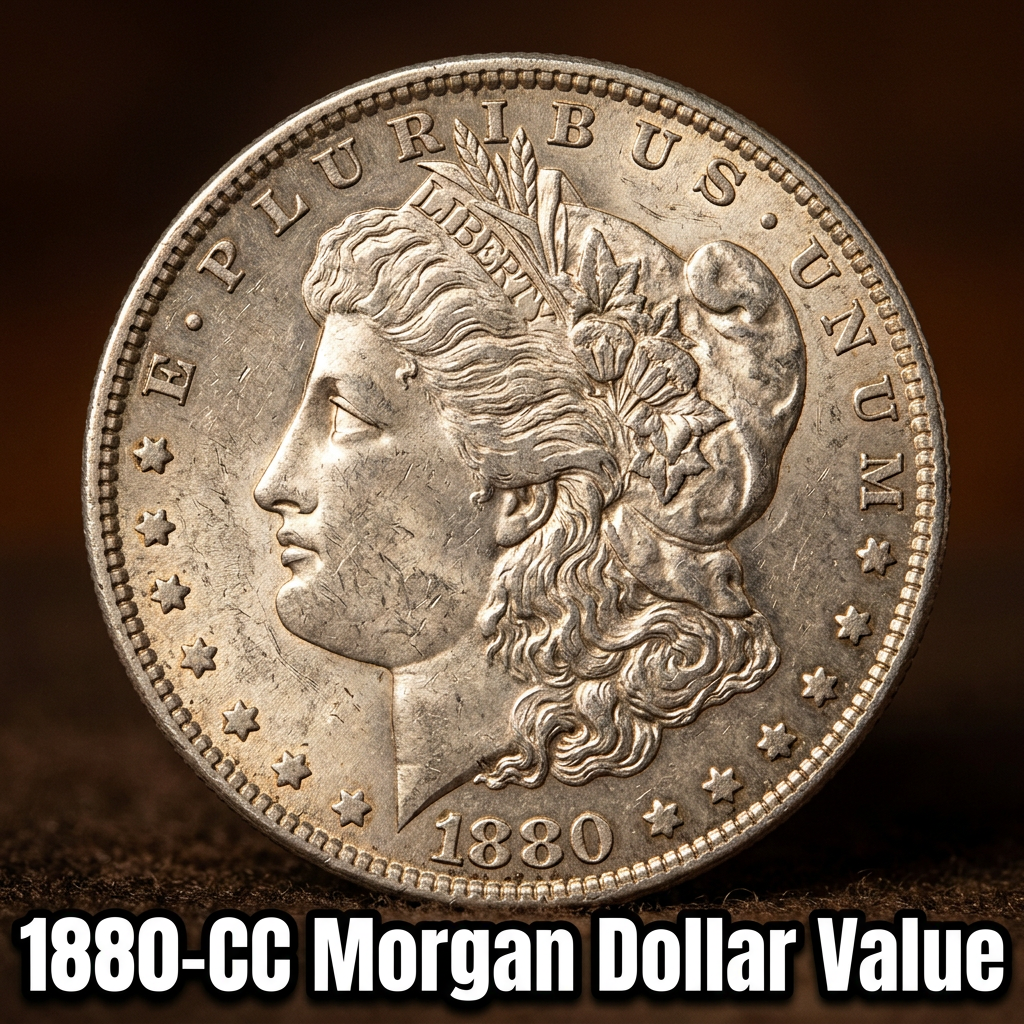
Numismatic interest in the iconic American silver coin remains remarkably robust, making an accurate, up-to-date Morgan dollar price guide essential for collectors and investors alike. First minted in 1878 and continuing intermittently through 1921—with a modern commemorative release in 2021—the Morgan Dollar represents a cornerstone of U.S. numismatics. As the market navigates 2026, precious metals volatility and shifting collector preferences demand a granular understanding of how grade, mint mark, and rare date varieties dictate actual market value.
Technical Specifications and Compositional Framework
Understanding the intrinsic and numismatic value of a Morgan Dollar begins with its physical parameters. Designed by George T. Morgan, these coins contain a high silver purity that appeals to both bullion stackers and rare coin purists.
- Diameter: 38.1 millimeters
- Weight: 26.73 grams
- Composition: 90% Silver, 10% Copper
- ASW (Actual Silver Weight): 0.77344 troy ounces of pure silver
- Edge: Reeded
Beyond the silver melt value, the coin's numismatic premium is driven heavily by strike quality, preservation state, and the specific mint facility of origin.
Key Date Morgan Dollars and Rare Varieties
While millions of Morgan Dollars were struck across five different mints (Philadelphia, Carson City, New Orleans, Denver, and San Francisco), survival rates vary drastically due to government melt acts and Treasury releases. Certain years and mint marks command extraordinary prices even in circulated conditions.
| Year and Mint Mark | Mint Facility | Total Mintage | Circulated Value Range (2026) | Mint State (MS-63) Value Range (2026) |
|---|---|---|---|---|
| 1893-S | San Francisco | 100,000 | $3,500 - $12,000 | $55,000 - $300,000+ |
| 1889-CC | Carson City | 350,000 | $800 - $3,500 | $25,000 - $90,000+ |
| 1880-CC | Carson City | 591,000 | $350 - $900 | $2,000 - $8,500 |
| 1895-O | New Orleans | 450,000 | $150 - $600 | $3,500 - $18,000 |
| 1895 | Philadelphia | 880 (Proof only) | Not Applicable | $40,000 - $150,000+ |
| 1921-D | Denver | 20,345,000 | $30 - $65 | $150 - $500 |
Carson City issues (denoted by the CC mint mark on the reverse below the wreath) consistently command the highest premiums due to lower original production numbers and high historical attrition.
The Grading Scale and Its Impact on Valuation
Numismatic valuation relies heavily on the Sheldon Scale, running from 1 (Poor) to 70 (Perfect Mint State). For Morgan Dollars, the jump from a standard Mint State 60 to an MS-65 can represent a price difference of thousands of dollars.
- Circulated Grades (VG-8 to AU-58): Coins showing wear on Liberty's hairlines and the eagle's breast feathers. Values are closely tied to base silver melt combined with a modest collector premium for common dates.
- Low Mint State (MS-60 to MS-63): Uncirculated specimens displaying contact marks, bag marks, or lackluster luster. These are common for Treasury hoard releases (such as the famous 1970s GSA hoard).
- Choice and Gem Uncirculated (MS-64 to MS-65): Highly preserved pieces with minimal distracting blemishes and strong original mint luster. These represent the sweet spot for modern portfolio investment.
- Superb Gem (MS-66 to MS-70): Exceptionally rare specimens with flawless surfaces. For early dates like 1881-S or 1882-S, MS-67 examples command five-figure sums.
Common Authenticity and Counterfeit Pitfalls
The market for vintage silver dollars attracts sophisticated counterfeits, particularly originating from overseas mints flooding online marketplaces with fake Carson City and 1895 issues. Protecting your capital requires rigorous physical testing protocols.
Expert Verification Guidelines: Always verify coin authenticity by checking three critical parameters: weight, diameter, and metallic composition. Genuine Morgan Dollars must weigh precisely 26.73 grams with a tolerance of plus or minus 0.13 grams. Any coin significantly underweight or overweight should be treated with extreme caution. Furthermore, authentic 90% silver coins feature a distinct, high-pitched ringing sound when gently struck, unlike the dull thud produced by base-metal counterfeits.
Professional Third-Party Certification Services
When buying or selling high-value Morgan Dollars, raw (ungraded) coins carry inherent risks of overpayment or hidden damage (such as cleaning, smoothing, or rim bruising). Submitting coins to industry-standard grading services provides market liquidity and guarantees authenticity.
- PCGS (Professional Coin Grading Service): Widely recognized for stringent grading standards and robust registry sets, often commanding top-tier liquidity.
- NGC (Numismatic Guaranty Company): Equally respected globally, offering secure holders and comprehensive population reports.
- ANACS: A trusted, veteran grading service known for accurate attribution of varieties, though traditionally carrying a slight discount in resale velocity compared to PCGS and NGC.
Step-by-Step Guide to Evaluating Your Morgan Dollar Collection
Assessing an inherited or accumulated stash of silver dollars requires a methodical approach to prevent accidental damage and maximize financial return.
- Inspect with Proper Handling: Hold coins exclusively by their edges using clean cotton or nitrile gloves. Skin oils contain acids that permanently etch silver surfaces over time.
- Check for Cleaning Damage: Examine the surfaces under a strong magnifying glass for fine, parallel hair-lines. Cleaned or polished coins lose 30% to 50% of their numismatic value instantly.
- Locate the Mint Mark: Turn the coin to the reverse side and look immediately above the "DOLLAR" lettering at the bottom. Identify if there is a CC, S, O, D, or no mint mark (indicating Philadelphia).
- Identify the Year and Variety: Note the date. Look closely for overdates (such as the famous 1880/7-CC) or doubled die varieties using a 10x loupe.
- Compare Against Current Price Guides: Match your findings against verified auction records from major houses or certified greysheet values for the corresponding year and estimated grade.
Frequently Asked Questions
What is the base value of a Morgan Dollar in 2026?
A common-date Morgan Dollar in worn, circulated condition is worth its underlying silver melt value plus a small numismatic floor, typically trading between $30 and $45 depending on daily spot silver prices. Common uncirculated pieces generally start around $55 to $75.
Are Carson City Morgan Dollars always expensive?
Yes, Carson City issues carry significant historical scarcity premiums, meaning even low-grade or damaged CC specimens command hundreds of dollars. Collectors prize them for their association with the Old West frontier mints.
How does cleaning a Morgan Dollar affect its price?
Cleaning severely degrades a coin's numismatic value by destroying its original mint luster and leaving microscopic scratches across the surfaces. Numismatists and dealers heavily discount cleaned coins, often pricing them strictly near bullion value.
Should I get my Morgan Dollars graded by PCGS or NGC?
Grading is financially worthwhile only if the estimated value of the coin in a certified holder exceeds the grading fees, shipping costs, and service tiers. Typically, coins worth under $150 raw do not justify the cost of professional encapsulation.
Where can I safely buy or sell Morgan Dollars?
Reputable local coin shops, major numismatic auction houses, and established online dealers who offer guaranteed authenticity and return policies provide the safest environments for transactions. Avoid unverified peer-to-peer marketplaces lacking buyer protection.
Conclusion and Strategic Next Steps
Navigating the Morgan Dollar market requires a disciplined balance of metallurgical awareness and numismatic education. Whether you are building an elite registry set or allocating capital into historical precious metals, verifying authenticity and understanding grade differentials remains paramount. Consult with an accredited professional numismatist or utilize verified auction archives before executing high-value acquisitions or liquidations in the 2026 marketplace.