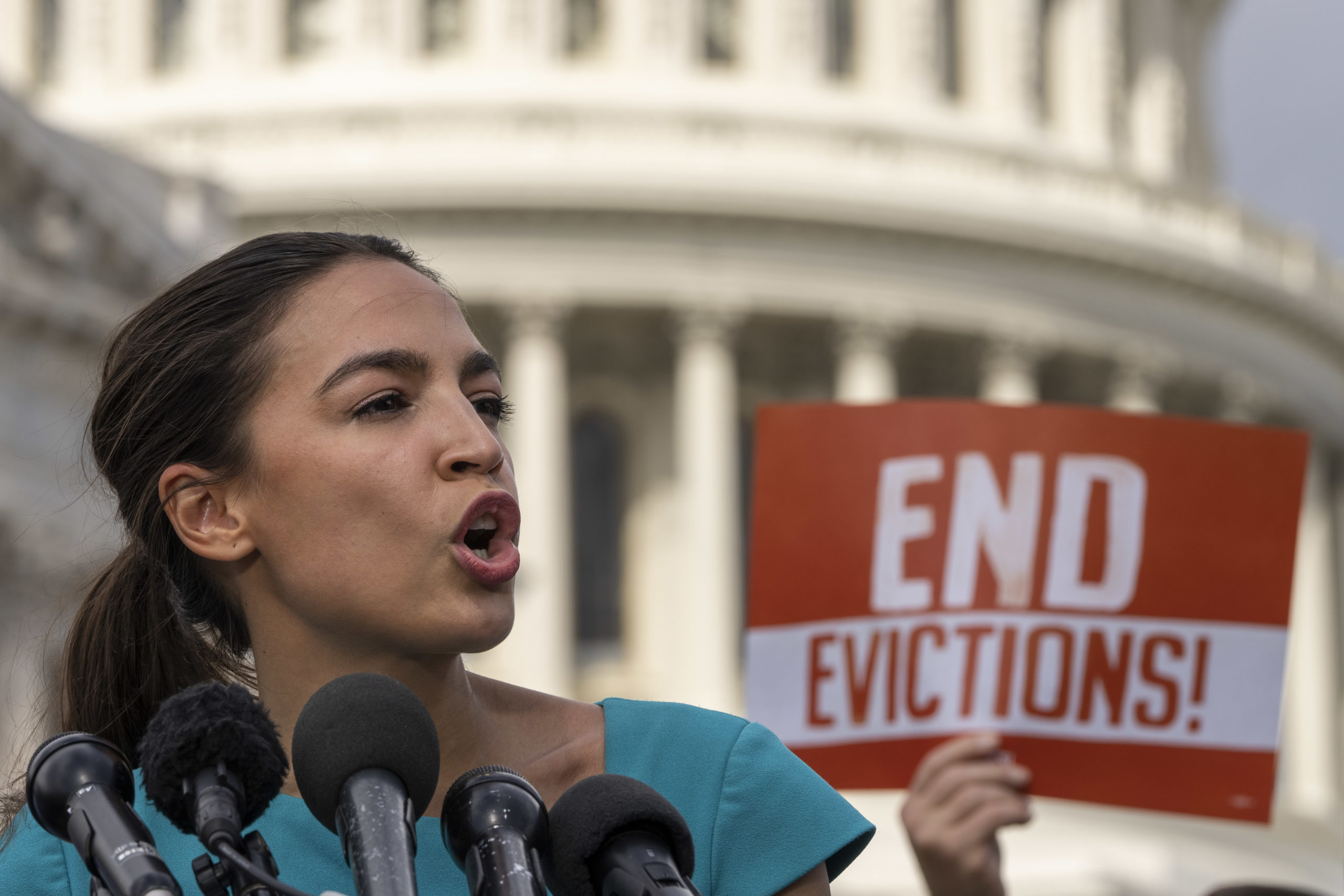
Alexandria Ocasio-Cortez's current term in the United States House of Representatives concludes at the end of the 119th Congress on January 3, 2027. Members of the House serve two-year terms that run concurrently with the biennial legislative cycle established by the United States Constitution, meaning that every even-numbered year brings a fresh election and every odd-numbered year marks the swearing-in of a new class or returning members. For voters, researchers, and political analysts tracking the trajectory of New York's 14th congressional district representative, understanding this timeline requires looking closely at constitutional mechanics, election cycles, and the precise dates that dictate the beginning and end of federal legislative service.
To fully grasp when a representative's tenure concludes, one must examine the intersection of constitutional law, federal election schedules, and congressional operations. This examination covers the structural framework of House terms, the transition between congressional sessions, how biennial elections affect incumbents, and the broader context of federal governance timelines.
The Constitutional Framework of House Terms
The structure of the United States House of Representatives is explicitly defined in Article I, Section 2 of the United States Constitution. This foundational document mandates that members of the House shall be chosen every second year by the qualified voters of the several states. Unlike United States Senators, who serve staggered six-year terms, members of the House must face the electorate every twenty-four months.
This short two-year cycle was deliberately designed by the framers of the Constitution to ensure that the chamber remained fiercely responsive to the immediate shifts in public opinion and the will of the populace. Because the electoral accountability is so frequent, a representative's term is tightly bound to the calendar year following an election. Every federal election cycle takes place on the Tuesday following the first Monday in November of even-numbered years. However, the victors of those elections do not take office immediately. Instead, there is a transitional period of approximately two months before the formal commencement of the new congressional term.
The Twentieth Amendment to the United States Constitution establishes the exact moment a congressional term begins and ends. Section 2 of the Twentieth Amendment specifies that the terms of Senators and Representatives shall end at noon on the 3rd day of January of the odd-numbered years following their election, and the terms of their successors shall then begin. This constitutional fix eliminated the old "lame duck" sessions that historically extended congressional terms deep into March, streamlining the transition of power and legislative continuity.
| Timeline of a House Congressional Term | |
|---|---|
| Event | Date / Timeframe |
| General Election | Tuesday after first Monday in Nov. |
| Term Commencement | January 3 at Noon (Odd Years) |
| Duration of Term | Exactly Two Years |
| Term Conclusion | January 3 at Noon (Two Years Later) |
Alexandria Ocasio-Cortez's Legislative Career Timeline
Alexandria Ocasio-Cortez first assumed office representing New York's 14th congressional district on January 3, 2019, following her victory in the November 2018 midterm elections. Since that initial swearing-in, she has successfully secured reelection through subsequent biennial election cycles, allowing her service in the House of Representatives to continue uninterrupted across multiple legislative sessions.
Each successful reelection campaign initiates a brand-new two-year term. To understand the exact expiration date of any given period of service, one must map her career against the numerical sequence of United States Congresses:
- 116th Congress: January 3, 2019 – January 3, 2021
- 117th Congress: January 3, 2021 – January 3, 2023
- 118th Congress: January 3, 2023 – January 3, 2025
- 119th Congress: January 3, 2025 – January 3, 2027
Because the United States is currently operating within the 2026 calendar year, Ocasio-Cortez is serving out the remainder of her term in the 119th Congress. This specific term formally concludes on January 3, 2027, at precisely 12:00 PM Eastern Standard Time. At that exact constitutional deadline, the 119th Congress dissolves, and the entire House of Representatives empties its seats in preparation for the swearing-in of the 120th Congress.
The Mechanics of Congressional Transitions and Lame-Duck Sessions
The conclusion of a congressional term is rarely a quiet affair; it is typically accompanied by intense legislative activity and institutional transitions. A single Congress consists of two distinct one-year sessions. For instance, the 119th Congress convenes its first session in January 2025 and its second session in January 2026, concluding fully in early January 2027.
During the final weeks of a second session, Congress often enters what is commonly known as a "lame-duck session." This period occurs after the November general election but before the new Congress is sworn in. Members who were defeated in the election, those retiring voluntarily, and returning incumbents all participate in legislative business during this window.
However, once the clock strikes noon on January 3 of the odd-numbered year, all pending legislation and committee assignments from the expiring Congress officially die. Any bill or resolution that was not passed by both chambers and signed into law (or passed over a presidential veto) before January 3 must be formally reintroduced from scratch in the subsequent Congress if lawmakers wish to pursue it further. This procedural reality means that the end of a term acts as a hard legislative reset button for the entire federal legislature.
Reelection Cycles and Future Terms
Because House members do not face constitutional term limits—unlike the President, who is restricted to two terms under the Twenty-Second Amendment—a representative like Alexandria Ocasio-Cortez may run for reelection as many times as they choose, provided they continue to win the support of their constituents in both primary and general elections.
The process of renewing a congressional term involves several distinct regulatory milestones:
- Petitioning and Ballot Access: Candidates must gather required signatures from registered voters within New York's 14th congressional district, which spans parts of the Bronx and Queens, to secure a spot on the primary ballot.
- Primary Elections: Party primaries are typically held in June of even-numbered years, where candidates compete for the nomination of their respective political parties.
- General Elections: The primary victors face opposing party candidates and independent challengers on the Tuesday following the first Monday in November.
- Orientation and Swearing-In: Upon winning the general election, the member prepares for the convening of the new Congress on January 3 of the following year.
If a representative wins a subsequent election, their service continues seamlessly into the next two-year term without any structural interruption in governance, though administrative setup and committee assignments are officially re-ratified at the start of each new Congress.
Frequently Asked Questions
Does Alexandria Ocasio-Cortez face term limits in the House?
No, the United States Constitution does not impose term limits on members of the House of Representatives or the Senate. Representatives can serve an unlimited number of two-year terms, provided they continue to win election by the voters in their district every two years.
What exact date and time does the current congressional term end?
Under the Twentieth Amendment to the Constitution, a representative's term ends at precisely noon on January 3 of odd-numbered years. For the current term in the 119th Congress, this expiration occurs on January 3, 2027.
What happens to unfinished bills when a congressional term ends?
All pending legislation, resolutions, and committee investigations that have not been enacted into law expire automatically when a Congress concludes. Lawmakers must reintroduce these measures in the subsequent legislative session if they wish to restart the legislative process.
How are congressional districts structured in New York?
New York's 14th congressional district encompasses parts of the New York City boroughs of the Bronx and Queens. Representatives are elected to represent this specific geographic constituency every two years following district boundary reviews and state-level redistricting processes.
Can a representative's term end prematurely?
Yes. While terms are structurally fixed at two years, a House seat can become vacant early due to resignation, expulsion by a two-thirds vote of the chamber, or death. In such rare instances, the governor of the representative's state must call a special election to fill the vacancy for the remainder of the unexpired term.
Conclusion and Next Actions
Tracking the legislative schedule of a federal representative requires monitoring both the official congressional calendar and the biennial election cycle. For those following Alexandria Ocasio-Cortez's tenure, her current term in the 119th Congress runs through January 3, 2027, at which point the results of the intervening federal elections determine the composition of the succeeding legislative session. To verify ongoing legislative actions, review committee schedules, or examine official voting records, consult primary federal resources such as Congress.gov or the Clerk of the U.S. House of Representatives.