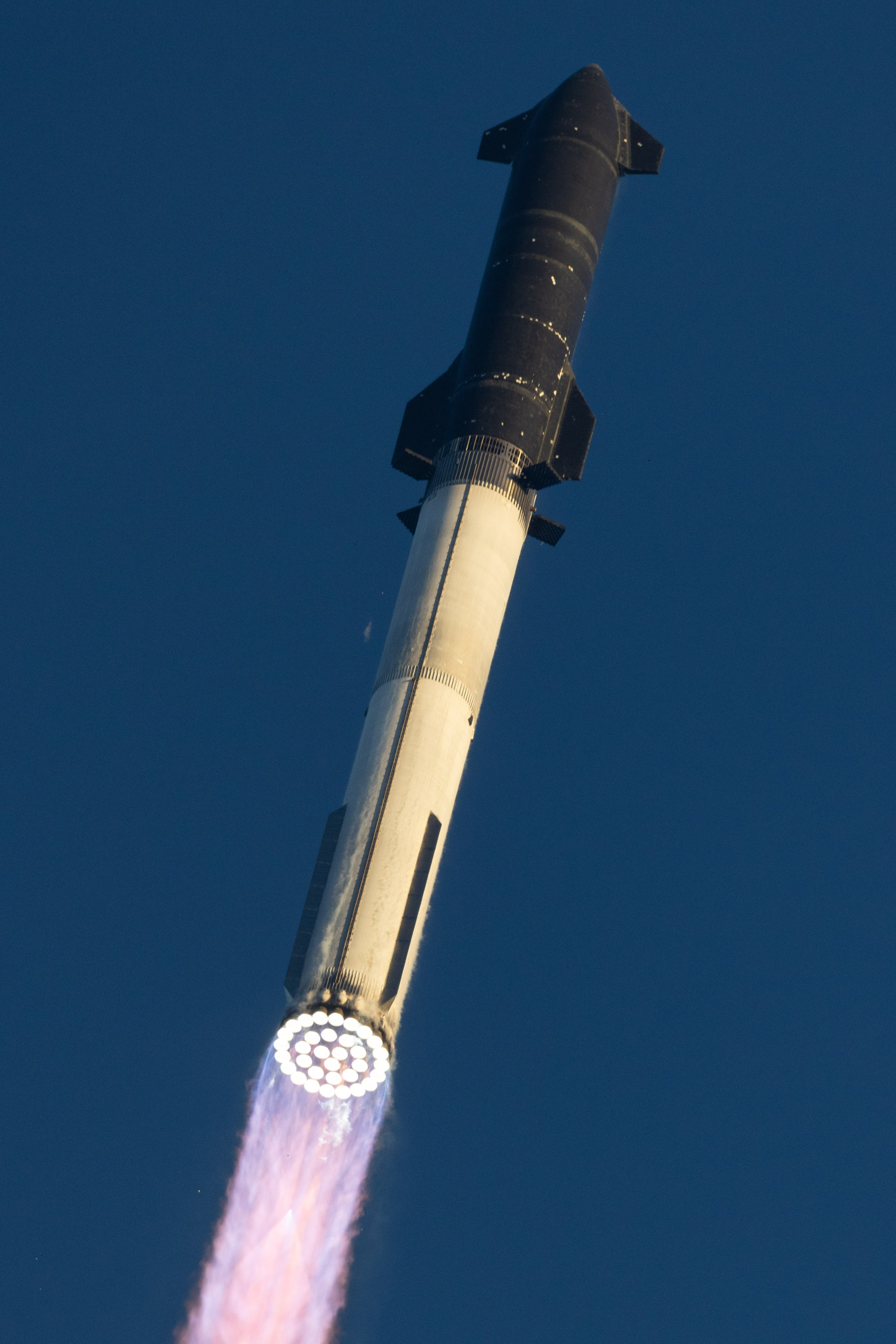
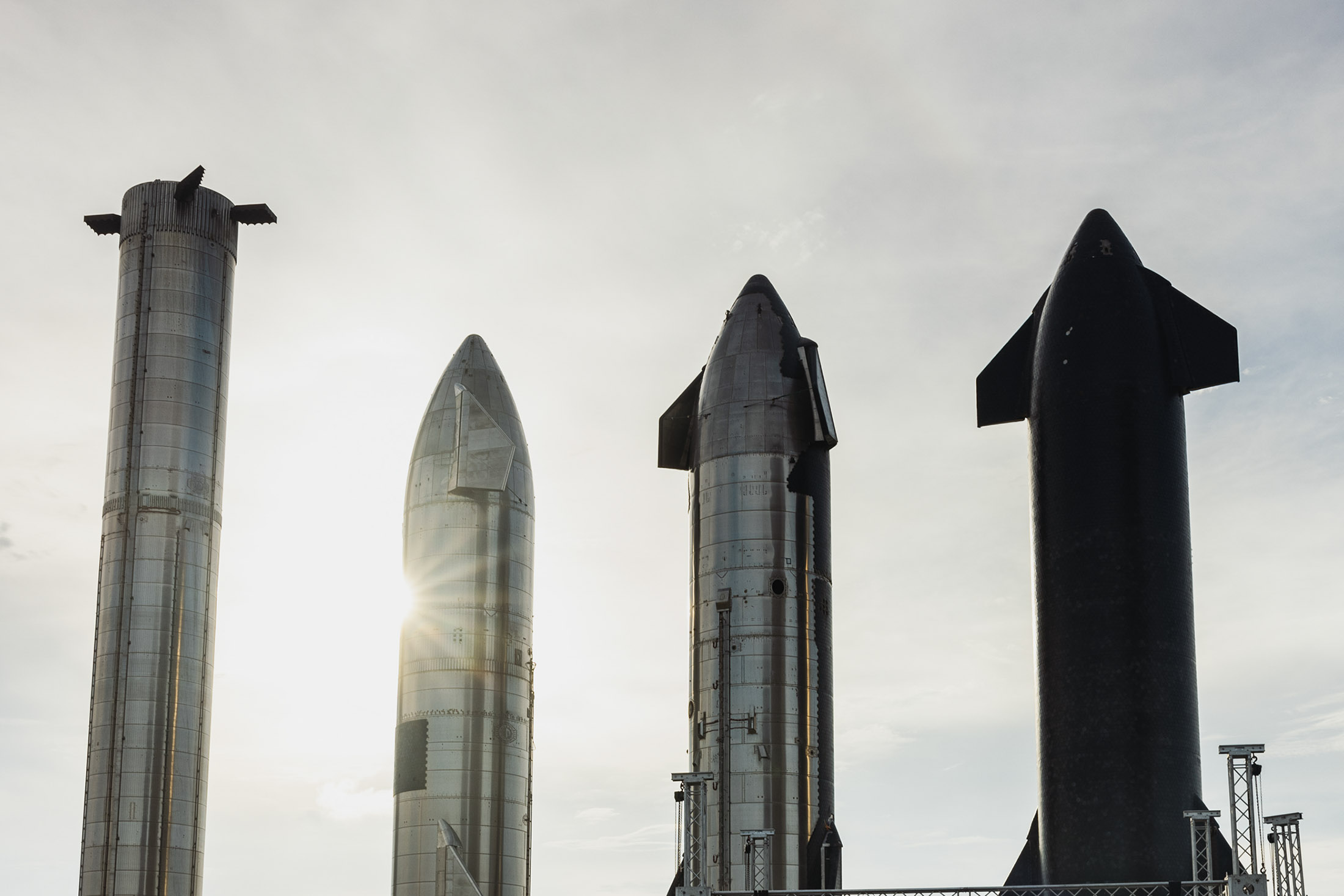
The SpaceX Starship represents a paradigm shift in aerospace engineering, serving as a fully reusable, two-stage-to-orbit heavy-lift launch vehicle. Designed to carry both crew and cargo to Earth orbit, the Moon, Mars, and beyond, it is the most powerful flight vehicle ever built, capable of carrying over 100 metric tons to low Earth orbit.
As of 2026, the Starship program has transitioned from a series of high-altitude prototype tests to a more stabilized operational cadence. The system is the cornerstone of NASA’s Artemis program and SpaceX’s own ambitions for Mars colonization. Understanding Starship requires a deep dive into its unique architecture, the revolutionary Raptor engine technology, and the logistical infrastructure required to support a rapid-turnover launch schedule. This guide explores the technical specifications, mission profiles, and the current status of the program as it prepares for the next era of human spaceflight.
The Architecture of the Starship System
The Starship system is comprised of two distinct but integrated components: the Super Heavy booster (the first stage) and the Starship spacecraft (the second stage). Unlike previous rockets that discarded expensive stages into the ocean or atmosphere, both components of this system are designed to return to the launch site, be caught or landed, and reflown within a short timeframe.
The Super Heavy Booster
The Super Heavy booster is a massive first-stage rocket designed to provide the initial thrust necessary to escape Earth’s deep gravity well. Standing approximately 71 meters tall and 9 meters in diameter, it is constructed from 304L stainless steel. This choice of material was a strategic pivot by SpaceX, moving away from carbon fiber. Stainless steel provides excellent structural integrity at cryogenic temperatures (essential for liquid propellants) and maintains strength at the high temperatures experienced during atmospheric reentry.
The booster is powered by an array of Raptor engines—typically 33 in the current configuration—producing more than 16 million pounds of thrust. This is more than double the power of the Saturn V rocket used during the Apollo missions. The Super Heavy does not use landing legs; instead, it is designed to be caught by the "Mechazilla" launch tower arms at Starbase, Texas, or future offshore platforms. This "catch" mechanism reduces the dry weight of the vehicle by removing the need for heavy landing gear and allows for faster integration back onto the launch mount.
The Starship Spacecraft
The upper stage, also confusingly named "Starship," is 50 meters tall and serves as the integrated payload section and second-stage spacecraft. It features four aerodynamic flaps—two forward and two aft—which are used to control the vehicle’s orientation during its unique "belly flop" reentry maneuver. This maneuver allows the ship to dissipate kinetic energy through atmospheric drag before flipping vertically for a precision landing.
Starship is designed in several variants:
- Integrated Crew: Equipped with life support and pressurized cabins for up to 100 people.
- Cargo: Featuring a "chomper" style door or a specialized deployment slot for Starlink satellites.
- Human Landing System (HLS): A NASA-specific variant designed to land astronauts on the lunar surface as part of the Artemis III and IV missions.
- Tanker: Dedicated to orbital refueling, which is the "linchpin" of long-duration space travel.
The Raptor Engine: Methane-Powered Innovation
At the heart of Starship’s capability is the Raptor engine. The Raptor is a methane-fueled, full-flow staged combustion cycle engine. This design is significantly more complex and efficient than the Merlin engines used on the Falcon 9.
Full-Flow Staged Combustion
In a full-flow staged combustion cycle, all of the fuel and all of the oxidizer pass through separate pre-burners before entering the main combustion chamber. This ensures that the propellant is fully gasified, allowing for higher pressure and more efficient combustion. As of 2026, the Raptor 3 iteration has further simplified the engine's external plumbing, increasing reliability and thrust-to-weight ratios while reducing the need for thermal shielding.
The Choice of Liquid Methane (Methalox)
SpaceX chose liquid methane (CH4) and liquid oxygen (LOX) for several strategic reasons:
- Efficiency: Methalox provides a higher specific impulse (efficiency) than the RP-1 (kerosene) used in the Falcon 9.
- Cleanliness: Methane burns cleanly, leaving almost no soot in the engine. This is critical for rapid reusability, as it minimizes the need for extensive engine refurbishment between flights.
- In-Situ Resource Utilization (ISRU): Methane can be synthesized on Mars using the Sabatier reaction, which combines Martian atmospheric carbon dioxide with hydrogen (likely derived from ice). This allows future Mars missions to "live off the land" and refuel for the return journey to Earth.
Comparative Specifications: Starship vs. Legacy Heavy-Lift Vehicles
To understand the scale of Starship, it is helpful to compare it with the historic Saturn V and the NASA Space Launch System (SLS).
| Feature | SpaceX Starship | NASA SLS (Block 1) | Saturn V (Apollo) |
|---|---|---|---|
| Height | 121 Meters | 98 Meters | 110 Meters |
| Diameter | 9 Meters | 8.4 Meters | 10 Meters |
| Lift-off Thrust | ~72 MN (16.7M lbf) | ~39 MN (8.8M lbf) | ~34 MN (7.6M lbf) |
| Payload to LEO | 100+ Metric Tons | 95 Metric Tons | 140 Metric Tons |
| Reusability | Fully Reusable | Fully Expendable | Fully Expendable |
| Propellant | LOX / Liquid Methane | LOX / Liquid Hydrogen | LOX / RP-1 |
While the Saturn V had a slightly higher initial payload capacity in its expendable configuration, Starship’s full reusability and orbital refueling capability mean its "effective" payload to the Moon or Mars is far greater than any expendable system in history.
The Role of Orbital Refueling
One of the most technically demanding aspects of the Starship architecture is orbital refueling. A single Starship cannot carry enough fuel to reach the Moon or Mars with a heavy payload and still have enough to land. To solve this, SpaceX utilizes a "depot" model.
After a Starship spacecraft reaches orbit, several "tanker" versions of Starship are launched to meet it. These tankers transfer cryogenic propellant to the primary spacecraft or an orbiting fuel depot. This process, known as cryogenic fluid transfer in microgravity, is a critical technology that SpaceX and NASA have been testing extensively through 2025 and 2026. Once refilled, the Starship can depart Earth orbit with a full tank of propellant, enabling it to transport massive amounts of cargo to deep-space destinations.
Starbase and Launch Infrastructure
The development of Starship is centered at Starbase in Boca Chica, Texas. This facility is more than just a launch site; it is a vertically integrated factory where rockets are built, tested, and launched in rapid succession.
The Launch and Catch Tower
The launch tower at Starbase is a feat of engineering in itself. It features two massive mechanical arms, nicknamed "Chopsticks." During launch, these arms hold the vehicle in place. During recovery, the tower is designed to catch the Super Heavy booster as it hovers briefly near the structure. This eliminates the need for the heavy landing legs found on the Falcon 9, allowing for a higher payload fraction.
Environmental and Regulatory Overlook
The Starship program has faced significant regulatory scrutiny from the Federal Aviation Administration (FAA) regarding environmental impacts on the surrounding wetlands and wildlife. SpaceX has implemented various mitigation strategies, including a water-deluge system to suppress the acoustic and thermal energy produced during ignition. This system, colloquially called the "giant showerhead," prevents the destruction of the launch pad and reduces the distribution of debris during lift-off.
Key Mission Profiles for 2026 and Beyond
The Artemis Program: NASA’s Human Landing System (HLS)
NASA has selected Starship HLS to return humans to the lunar surface. For these missions, Starship will not launch from Earth with humans on board. Instead, astronauts will launch on NASA’s SLS rocket inside the Orion capsule. Orion will dock with a Starship that has already been refueled in lunar orbit. The astronauts will then transfer to Starship for the descent to the lunar South Pole.
Starlink Gen 2 and Gen 3 Deployment
To support the growing demand for global high-speed internet, SpaceX relies on Starship to deploy larger, more capable Starlink satellites. While the Falcon 9 can carry dozens of satellites per launch, Starship can carry hundreds, significantly reducing the cost per bit of data for the Starlink network.
Point-to-Point Earth Travel
A long-term application of Starship is "Earth-to-Earth" transport. By traveling through space at suborbital speeds, Starship could potentially transport passengers between any two points on Earth in under an hour. While this remains in the experimental and regulatory phase in 2026, the technical feasibility is supported by the vehicle’s heat shield and re-entry design.
Technical Challenges and Safety Considerations
Despite the rapid progress, the Starship program faces several ongoing challenges:
- Heat Shield Integrity: The Starship spacecraft is covered with thousands of hexagonal ceramic thermal tiles. These tiles must withstand temperatures exceeding 1,400 degrees Celsius during reentry. Ensuring that these tiles do not crack or fall off during the vibrations of launch is a primary focus of current engineering efforts.
- Engine Reliability: Managing 33 Raptor engines simultaneously requires complex avionics and plumbing. A single engine failure must be handled by the flight computer to ensure the mission can continue (engine-out capability).
- The Landing Flip: The transition from a horizontal "belly flop" to a vertical landing burn is a high-risk maneuver. It requires the rapid gimbaling of Raptor engines and precise fuel header tank management to ensure the engines have a steady flow of propellant while the ship is rotating.
Common Questions About SpaceX Starship
How much does a Starship launch cost?
Elon Musk has stated the long-term goal is to reduce the marginal cost per launch to under $10 million. However, in 2026, the current costs are significantly higher due to ongoing R&D and infrastructure build-out. Compared to the $2 billion+ cost per launch of the SLS, Starship remains the most cost-effective heavy-lift option in development.
Can Starship really go to Mars?
The physics of Starship support Mars missions, provided that orbital refueling is successful. The use of methane is specifically intended for Martian return trips. SpaceX plans to send uncrewed cargo missions to Mars first to test landing and ISRU technologies before attempting a crewed mission.
Why is Starship made of stainless steel instead of carbon fiber?
Carbon fiber is lighter but much more expensive and difficult to work with at scale. Stainless steel (304L) is cheaper, easier to weld in the outdoor environment of South Texas, and performs better under extreme heat and cryogenic cold. The mass penalty of steel is offset by its high melting point, which allows for a thinner and lighter thermal protection system.
How many people can fit in a Starship?
While the pressurized volume is roughly equal to that of a Boeing 747, the number of passengers depends on the mission duration. For short Earth-to-Earth trips, it could carry hundreds. For months-long journeys to Mars, the capacity would likely be limited to 40–100 people to allow for living space, radiation shielding, and supplies.
The Path Forward: What to Expect Next
As we move through 2026, the focus of the Starship program is shifting from "flight tests" to "operational demonstrations." The most critical upcoming milestone is a successful long-duration orbital flight that includes a propellant transfer demonstration. Once this is achieved, the path to the Moon via the Artemis program is essentially cleared.
For those tracking the progress of the program, the official NASA Artemis and SpaceX websites provide the most up-to-date information on launch schedules and technical upgrades. The evolution of Starbase into a multi-pad launch site also suggests that the frequency of launches will increase, potentially reaching a monthly or even weekly cadence by the end of the decade.
The success of Starship would not only make life multi-planetary but would also revolutionize the satellite industry and space-based research by making mass and volume constraints a thing of the past. For the first time in history, the bottleneck to space exploration is no longer the cost of the rocket, but the imagination of the missions we choose to send.