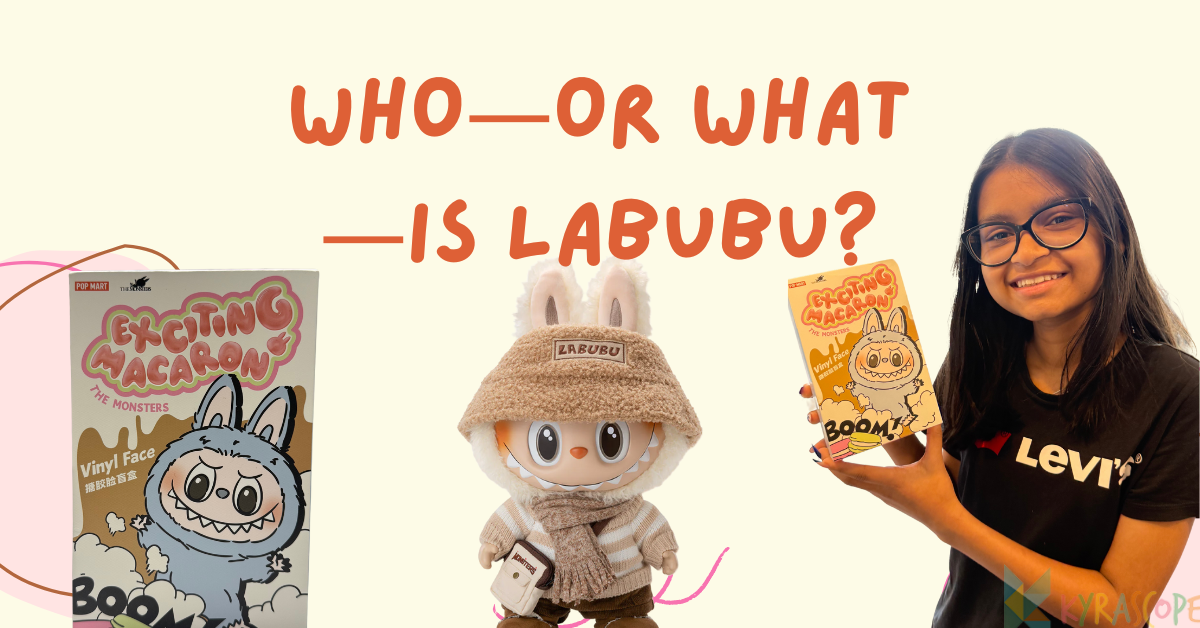
Labubu was popularized globally as a designer art toy primarily through a massive viral endorsement by BLACKPINK member Lisa in early 2024, combined with Pop Mart’s strategic blind box retail model, exclusive limited-drop marketing, and widespread celebrity culture adoption across Southeast Asia and international markets.
The designer toy landscape shifted dramatically when obscure collector items transformed into mainstream luxury accessories. At the center of this movement is Labubu, a mischievous, elf-like creature with towering pointed ears, a serrated smile featuring nine sharp teeth, and a quirky, chaotic charm. While the character existed as a niche artistic creation for years, a confluence of celebrity endorsement, social media virality, and retail engineering propelled it into a multi-million-dollar global obsession. Understanding who popularized Labubu requires examining the intersection of contemporary pop culture, designer toy history, and modern consumer psychology.
The Origins of Labubu: Kasing Lung and Pop Mart
Before achieving mainstream luxury status, Labubu was an artistic creation born from the imagination of Hong Kong-born, Netherlands-raised illustrator and artist Kasing Lung. In 2015, Lung introduced Labubu as part of his "The Monsters" storybook series, which drew heavy inspiration from Nordic folklore, fairy tales, and mythical woodland creatures. The character was initially conceived not as a plastic figurine, but as a hand-drawn illustration residing in a rich, imaginative universe alongside other characters like Zimomo and Tycoco.
| Phase | Key Milestone |
|---|---|
| 2015 | Created by Kasing Lung in Nordic stories |
| 2019 | Exclusive licensing deal with Pop Mart |
| 2024 | Global viral surge via celebrity uptake |
The turning point for the physical manifestation of these characters came in 2019, when Kasing Lung signed an exclusive licensing agreement with Pop Mart, a Chinese art toy company renowned for popularizing the "blind box" retail model. Pop Mart translated Lung's 2D illustrations into high-quality vinyl art toys. While these early vinyl releases cultivated a dedicated base among hardcore designer toy collectors, the character remained relatively underground, traded primarily within specialized enthusiast circles, collector conventions, and secondary markets like eBay or specialized Asian trading platforms.
The Catalyst: Lisa of BLACKPINK and Social Media Virality
The single most influential figure in popularizing Labubu to a worldwide audience is Lalisa Manobal, universally known as Lisa from the global K-pop supergroup BLACKPINK. In April 2024, Lisa posted images on her personal Instagram account—which boasts over 100 million followers—featuring a large Labubu plush pendant attached to her luxury handbag.
This single endorsement acted as an immediate cultural lightning rod. Because Lisa is a legendary fashion icon and trendsetter, her endorsement instantly reframed Labubu from an obscure niche collectible into a high-fashion streetwear accessory. Fans, fashion influencers, and celebrities across South Korea, Thailand, China, and Western markets scrambled to replicate the look.
Following Lisa’s post, other prominent Asian celebrities, including Thai actresses and regional influencers, began posting their own Labubu collections, wearing them as bag charms on Hermès, Chanel, and Dior purses. This high-low fashion juxtaposition—pairing a luxury handbag with a mischievous, sharp-toothed monster plush—created an irresistible trend for millennial and Gen Z consumers.
| Catalyst Factor | Primary Influence | Market Impact |
|---|---|---|
| Celebrity Endorsement | Lisa (BLACKPINK) | Sparked immediate international trend and mainstream visibility. |
| Fashion Integration | Luxury Bag Charms | Transformed toys into high-status, wearable status symbols. |
| Retail Scarcity | Pop Mart Blind Boxes | Created artificial urgency, secondary market flipping, and FOMO. |
| Digital Virality | TikTok / Instagram Unboxings | Fueled algorithmic interest through unboxing videos and styling guides. |
Pop Mart’s Retail Engineering and Blind Box Psychology
While celebrity endorsement opened the door, Pop Mart’s sophisticated retail strategy locked the phenomenon in place. Pop Mart capitalized on the sudden surge in demand by leveraging its signature merchandising frameworks:
- The Blind Box Model: Buyers purchase sealed packaging without knowing which specific colorway or edition is inside, gamifying the acquisition process.
- Secret Editions: Rare "chase" figures hidden within shipments at exceptionally low probabilities drove collectors to buy multiple boxes in hopes of hitting the jackpot.
- Limited Drop Strategy: Controlled inventory releases created intense fear of missing out (FOMO), resulting in long physical queues outside Pop Mart flagship stores worldwide, from Bangkok and Singapore to Los Angeles and London.
This retail framework transformed buying a Labubu from a simple retail transaction into an interactive social media event. Millions of users took to TikTok and Instagram Reels to film "blind box unboxings," driving algorithmic reach and sustaining organic consumer interest without traditional advertising expenditures.
Cultural Impact and Secondary Market Dynamics
The rapid popularization of Labubu triggered significant economic and cultural ripples across the retail sector. Official Pop Mart retail stores experienced unprecedented foot traffic. In Thailand, where the craze reached fever pitch, the government and tourism authorities even welcomed special shipments of Labubu toys with official media events, reflecting the character's massive economic footprint.
Simultaneously, a thriving secondary resale market emerged. Rare editions and viral colorways—such as the Macaron series featuring pastel tones—retailed initially for modest sums but commanded exponential markups on resale platforms. Counterfeiters quickly flooded online marketplaces with fake Labubus, prompting Pop Mart and independent collectors to publish detailed authentication guides to help buyers distinguish authentic figures from unauthorized replicas.
Common Misconceptions About Labubu
As the character became a mainstream sensation, several misconceptions arose regarding its ownership, origins, and purpose:
- Misconception: Labubu is manufactured and exclusively owned by Pop Mart.
- Reality: Labubu was created solely by artist Kasing Lung. Pop Mart holds an exclusive master license to produce and distribute physical vinyl and plush merchandise, but the intellectual property rights and artistic universe remain rooted in Lung's original creations.
- Misconception: Labubu is intended strictly as a children's toy.
- Reality: Labubu figures are classified as designer art toys intended for adult collectors, adolescents, and fashion enthusiasts. They are collector items rather than playthings for young children, often carrying price points and fragility unsuited for rough play.
- Misconception: The character was designed specifically to be a handbag charm.
- Reality: Early iterations were standalone vinyl figurines. The plush pendant versions that became viral bag accessories were developed later in response to changing consumer preferences and lifestyle integration trends.
Next Actions and Buying Advice for New Collectors
For individuals looking to enter the Labubu collecting space or purchase a figure following its viral popularity, navigating the market requires caution and strategy:
- Buy from Authorized Channels: Purchase directly from official Pop Mart retail stores, their verified online flagship websites, or authorized pop-up events to avoid inflated secondary market prices and counterfeit risks.
- Learn Authentication Markers: If buying on the secondhand market, inspect the box holographic stickers, the shape of the teeth (authentic versions have precisely nine distinct, clean-cut teeth), and the official Kasing Lung copyright stamps on the foot or tag.
- Understand Series Variations: Familiarize yourself with specific collections—such as The Monsters - Tasty Macarons or Exciting Macaron series—as pricing, rarity, and design traits vary wildly between releases.