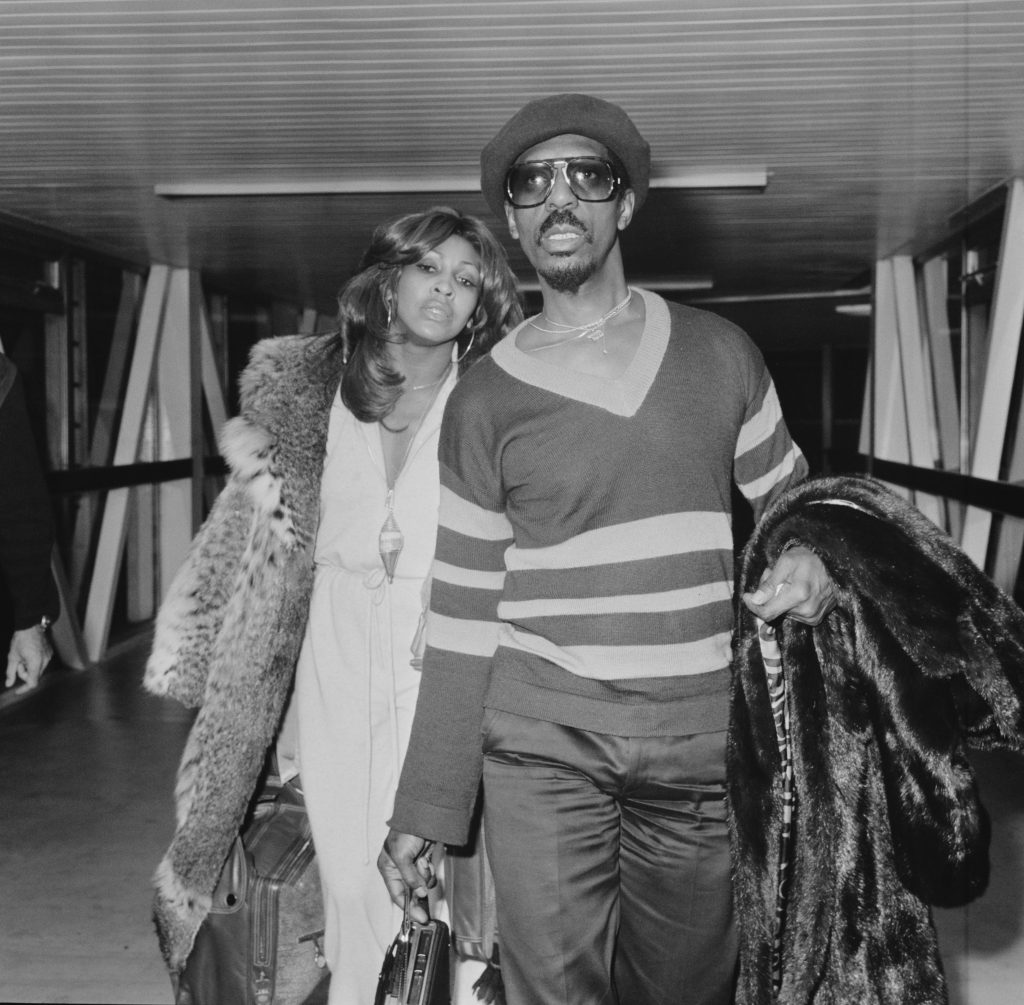
Ike Turner was a pioneering figure in rock and roll whose musical brilliance remains permanently overshadowed by a history of domestic violence, drug addiction, and legal turmoil. While he is credited with recording what many consider the first rock song, his legacy in 2026 is primarily defined by the abuse detailed by his former wife, Tina Turner.
The Architect of Rock and Roll: Early Career and Innovation
To understand the controversy surrounding Ike Turner, one must first acknowledge the magnitude of his musical influence. Born in Clarksdale, Mississippi, in 1931, Turner was a central figure in the transition from rhythm and blues to rock and roll. In 1951, he and his band, the Kings of Rhythm, recorded "Rocket 88" at Sam Phillips' Sun Studio. Although the record was credited to his saxophonist Jackie Brenston, Turner was the creative force behind it.
The song featured a distorted guitar sound—the result of a damaged amplifier—which became a foundational element of the rock and roll aesthetic. Beyond his own recording career, Turner acted as a high-level talent scout and session musician for Modern Records, where he helped discover legends like B.B. King and Howlin' Wolf. His technical proficiency as a pianist and guitarist made him a sought-after producer in the Memphis and St. Louis scenes long before he met Anna Mae Bullock, the woman who would become Tina Turner.
The Ike & Tina Turner Revue: Success and Systematic Abuse
The formation of the Ike & Tina Turner Revue in the early 1960s brought Ike global fame, but it also established the framework for his most enduring controversy. Ike was the architect of the show, managing every detail from the choreography of the Ikettes to the musical arrangements and the financial distribution.
While the duo produced hits like "A Fool in Love," "River Deep – Mountain High," and "Proud Mary," the internal dynamics were characterized by Ike’s absolute control. In her 1986 memoir, I, Tina, and the subsequent 1993 film What’s Love Got to Do with It, Tina Turner detailed a horrific pattern of physical, emotional, and sexual abuse. She described instances of Ike striking her with shoe stretchers, burning her with cigarettes, and forcing her to perform while injured.
The controversy is not merely about the acts of violence themselves but about the systematic way Ike used fear and financial dependence to keep Tina in the marriage. This period of his life serves as a primary case study in the music industry regarding the exploitation of talent and the intersection of domestic battery with professional management.
Explaining the Legal Issues and Drug Addiction
Ike Turner's legal troubles were extensive and spanned several decades, often exacerbated by his severe addiction to cocaine. By the late 1970s and throughout the 1980s, his personal and professional life began to collapse under the weight of substance abuse.
- Drug Offenses: Throughout the 1980s, Turner faced numerous arrests for drug possession and distribution. His addiction to crack cocaine became a public spectacle, leading to a downward spiral that saw him lose his recording studio, Bolic Sound, to a fire and subsequent financial seizure.
- Incarceration: In 1989, Turner was convicted on drug charges and sentenced to four years in prison. He served 18 months in the California Men's Colony. This incarceration was a pivotal moment, as it prevented him from attending the 1991 induction of Ike & Tina Turner into the Rock and Roll Hall of Fame.
- Domestic Violence Allegations: While Tina's allegations were the most prominent, they were not the only reports of Ike’s volatile behavior. His reputation for violence followed him through various relationships, contributing to his status as a pariah in the mainstream entertainment industry for much of the 1990s.
His legal history reflects a broader pattern of "high-functioning" addiction that eventually gave way to total dysfunction. Even after his release from prison and his subsequent sobriety, the shadow of these legal failures remained central to his public profile.
Ike Turner's Net Worth: Historical Context and 2026 Valuation
At the time of his death in December 2007, Ike Turner’s net worth was estimated to be between $500,000 and $1 million. This figure was remarkably low for a man of his historical significance, primarily due to years of legal battles, tax liens, and the costs of his drug addiction. Unlike Tina Turner, whose net worth reached an estimated $250 million by the time of her passing in 2023, Ike did not see the same level of sustained commercial success in his later years.
In 2026, the valuation of the Ike Turner estate remains a point of interest for music historians and legal experts. The estate's value is derived almost entirely from his publishing catalog and intellectual property. As a songwriter and producer, Turner held rights to a vast library of early rock and blues recordings.
The posthumous value of his estate has seen a slight uptick due to the continued licensing of his early work in documentaries and period-piece films. However, the "morality clauses" often found in modern advertising contracts mean that Ike Turner’s music is rarely used for major brand endorsements, which significantly limits the estate's earning potential compared to his peers.
Comparison of Financial and Career Standing
| Feature | Ike Turner (At Death/2007) | Tina Turner (At Death/2023) | Contextual Legacy in 2026 |
|---|---|---|---|
| Estimated Net Worth | ~$500,000 - $1 Million | ~$250 Million | Large disparity due to solo success vs. legal issues. |
| Primary Income | Royalties & Small Tours | Global Tours & Rights Sales | Ike's estate relies on "Rocket 88" & early R&B. |
| Legal Status | Multiple Felonies (Drug-related) | No Criminal Record | Ike's record complicates posthumous branding. |
| Major Awards | 2 Grammys, Hall of Fame | 12 Grammys, Hall of Fame (2x) | Tina is celebrated; Ike is studied as a cautionary tale. |
| Estate Heirs | Children & Ex-Spouse (Disputed) | Erwin Bach (Husband) | Ike's estate was subject to a long-term legal battle. |
The Legal Battle Over the Ike Turner Estate
Following his death from a cocaine overdose in 2007, a complex legal battle erupted over who would control his assets and his likeness. Because Turner died intestate (without a valid, undisputed will), his children and his ex-wife/collaborator, Audrey Madison Turner, entered into a protracted dispute.
The central conflict involved a handwritten will that Audrey Madison Turner claimed was valid, which left the majority of the estate to her. However, Ike’s children—Ike Jr., Michael, Ronald, and Mia—contested the document. In 2009, a California judge ruled that the handwritten will was not legally binding. Consequently, the estate was divided among his biological children according to California's intestacy laws.
In 2026, the management of his legacy is handled by his heirs, who have focused on preserving the technical history of his music while acknowledging the dark reality of his personal life. This management involves navigating the delicate balance of promoting his role as a "founding father" of rock while respecting the massive public support for Tina Turner’s survivor narrative.
The Dual Legacy: Musical Genius vs. Personal Infamy
The legacy of Ike Turner is a primary example of the "art vs. artist" debate. In musicology, he is an essential figure. Without his innovations in distortion and his ability to fuse different genres, the development of rock and roll would have looked significantly different. His 2006 album, Risin' with the Blues, which won a Grammy for Best Traditional Blues Album, proved that his technical talent remained intact until the end of his life.
However, the cultural legacy of Ike Turner is inextricably linked to domestic abuse. In the decades since the release of I, Tina, he has become a symbol of the "monstrous" husband. This narrative has only strengthened over time, especially as the #MeToo movement and increased awareness of domestic battery have reshaped how the public views historical figures.
In 2026, educational curricula regarding the history of American music often include Ike Turner as a mandatory subject for his technical contributions, but these lessons are almost always accompanied by discussions on the ethics of power dynamics in the industry and the history of domestic violence.
Frequently Asked Questions
Was Ike Turner ever convicted of domestic abuse?
Despite the detailed accounts from Tina Turner and other associates, Ike Turner was never formally convicted of domestic battery. During the era of their marriage (1962–1978), domestic violence was rarely prosecuted with the severity it is today. His prison time was served for drug-related offenses rather than his treatment of Tina.
Who inherited Ike Turner's money and rights?
After a legal battle concluded that he died without a valid will, his estate was divided among his children: Ike Turner Jr., Michael Turner, Ronald Turner, and Mia Turner. They currently manage his royalties and the use of his name and likeness.
What did Ike Turner say about the abuse allegations?
In his 2001 autobiography, Takin' Back My Name, Ike Turner admitted to hitting Tina, stating, "Sure, I've slapped Tina. There have been times when I punched her to the ground without thinking. But I never beat her." This distinction was widely rejected by the public and by Tina herself, who maintained that the violence was frequent, severe, and premeditated.
Is Ike Turner in the Rock and Roll Hall of Fame?
Yes, he was inducted in 1991 as part of the duo Ike & Tina Turner. While there have been periodic public calls for his removal due to his personal history, the Hall of Fame generally maintains inductions based on musical impact at the time of the award.
How did Ike Turner die?
Ike Turner passed away on December 12, 2007, at the age of 76. The San Diego County Medical Examiner’s office determined the cause of death was an overdose of cocaine, with hypertensive cardiovascular disease and pulmonary emphysema as contributing factors.
Professional Guidance for Researching Historical Figures
When evaluating figures like Ike Turner, it is essential to separate historical impact from moral conduct. For researchers and students of music history in 2026, the most effective approach is to utilize primary sources—such as court records, contemporary interviews, and technical musicological analyses—to form a complete picture.
The case of Ike Turner serves as a reminder that professional success does not provide immunity from legal consequences or the judgment of history. For those looking to support survivors of domestic violence or learn more about the legal frameworks surrounding these issues, resources like the National Domestic Violence Hotline provide modern support and educational context that was often unavailable during the height of the Turner controversy.