The career trajectories and financial profiles of Khalil Shakir and Wan’Dale Robinson offer a compelling study of modern NFL wide receiver development, as both players have transitioned from high-ceiling prospects into integral components of their respective passing attacks. Understanding their contractual value, statistical output, and long-term financial trajectories requires a comparative look at their draft pedigree, rookie contract structures, and on-field roles within their respective offensive systems.
The Draft Pedigree and Entry into the League
Khalil Shakir and Wan’Dale Robinson entered the NFL with distinct profiles, shaped by their college backgrounds and physical measurements. Khalil Shakir, drafted by the Buffalo Bills in the fifth round of the 2022 NFL Draft (148th overall), was viewed as a versatile, high-IQ playmaker coming out of Boise State. His game was predicated on elite situational awareness, reliable hands, and the ability to operate effectively from the slot or the perimeter.
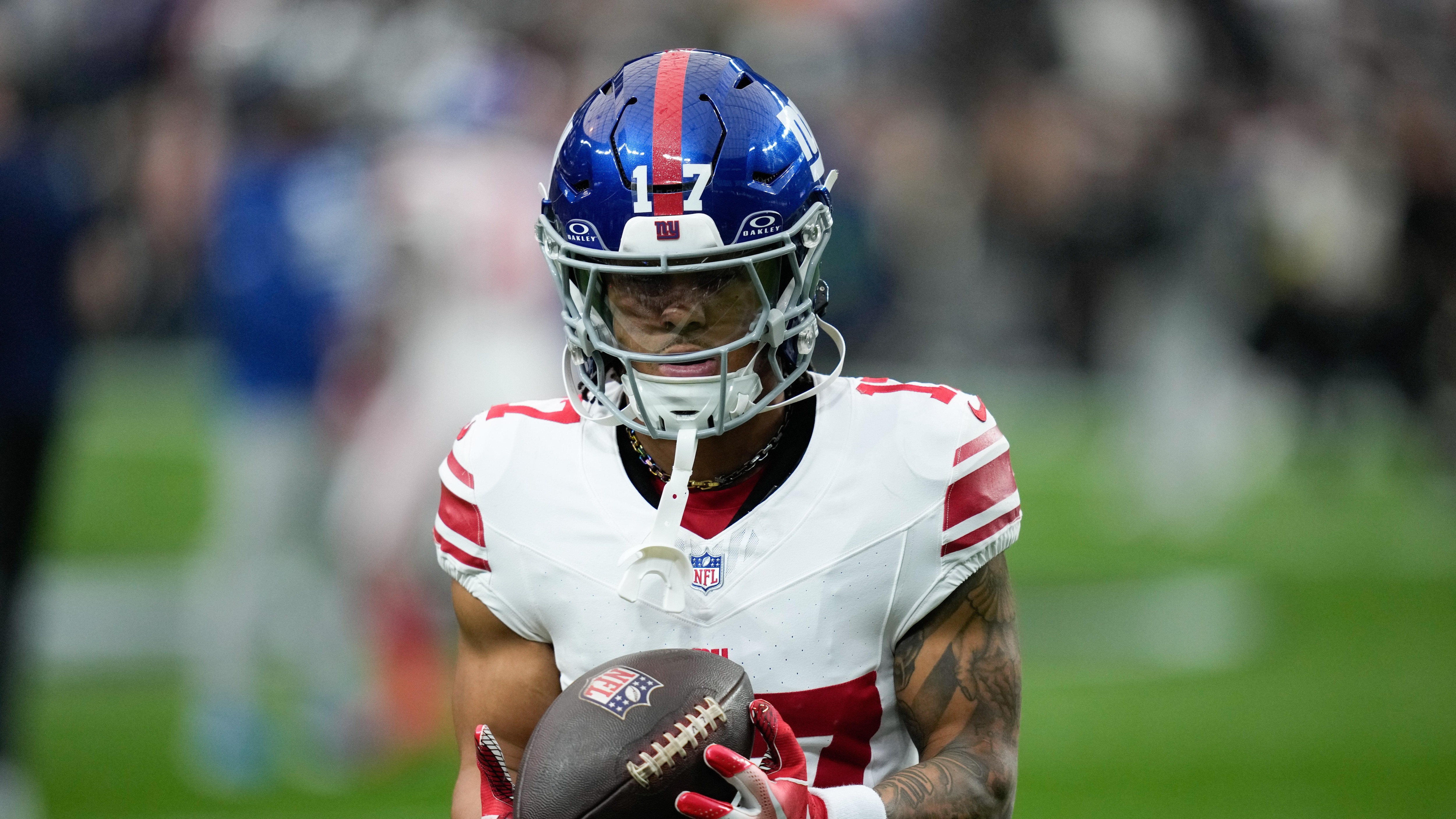
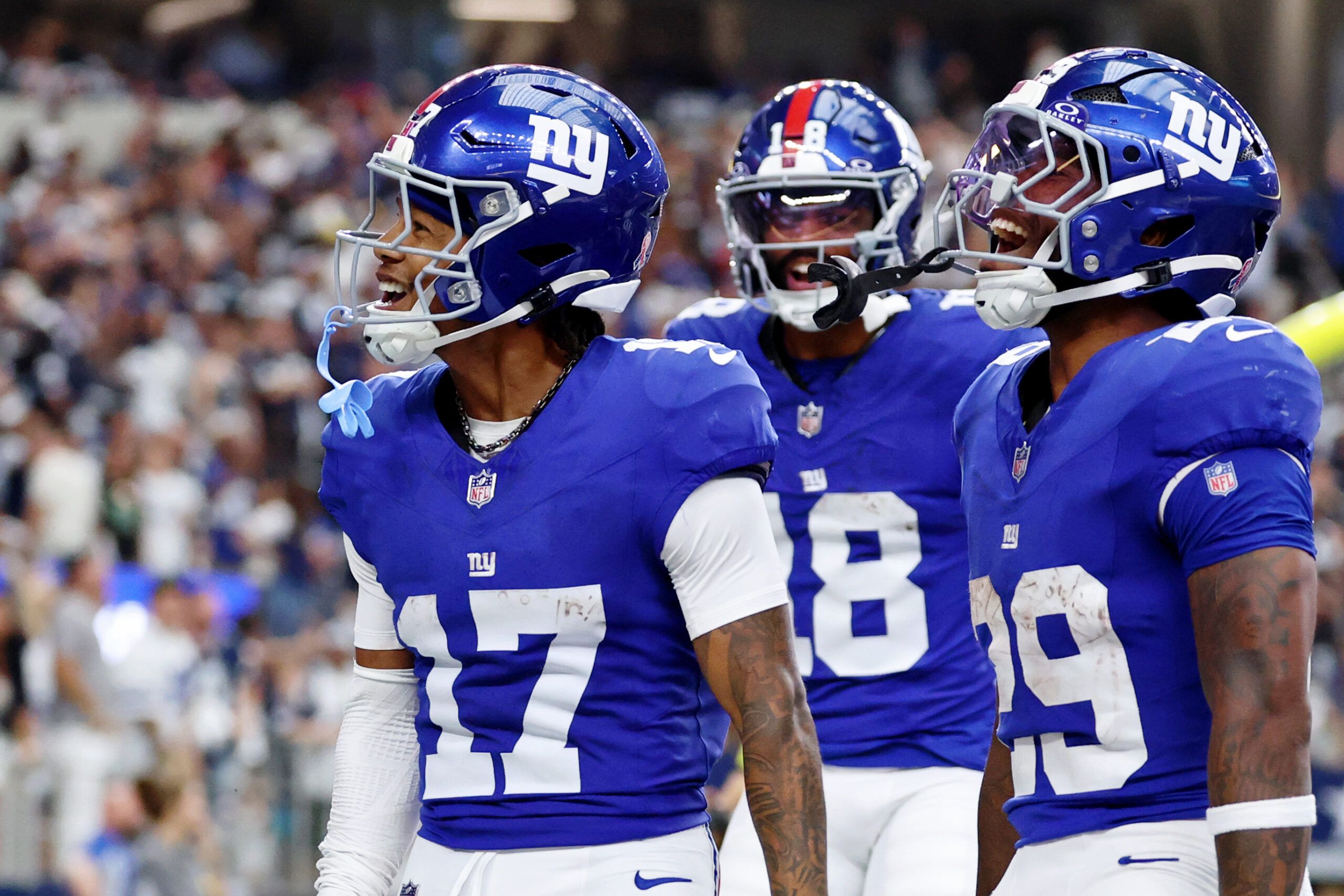
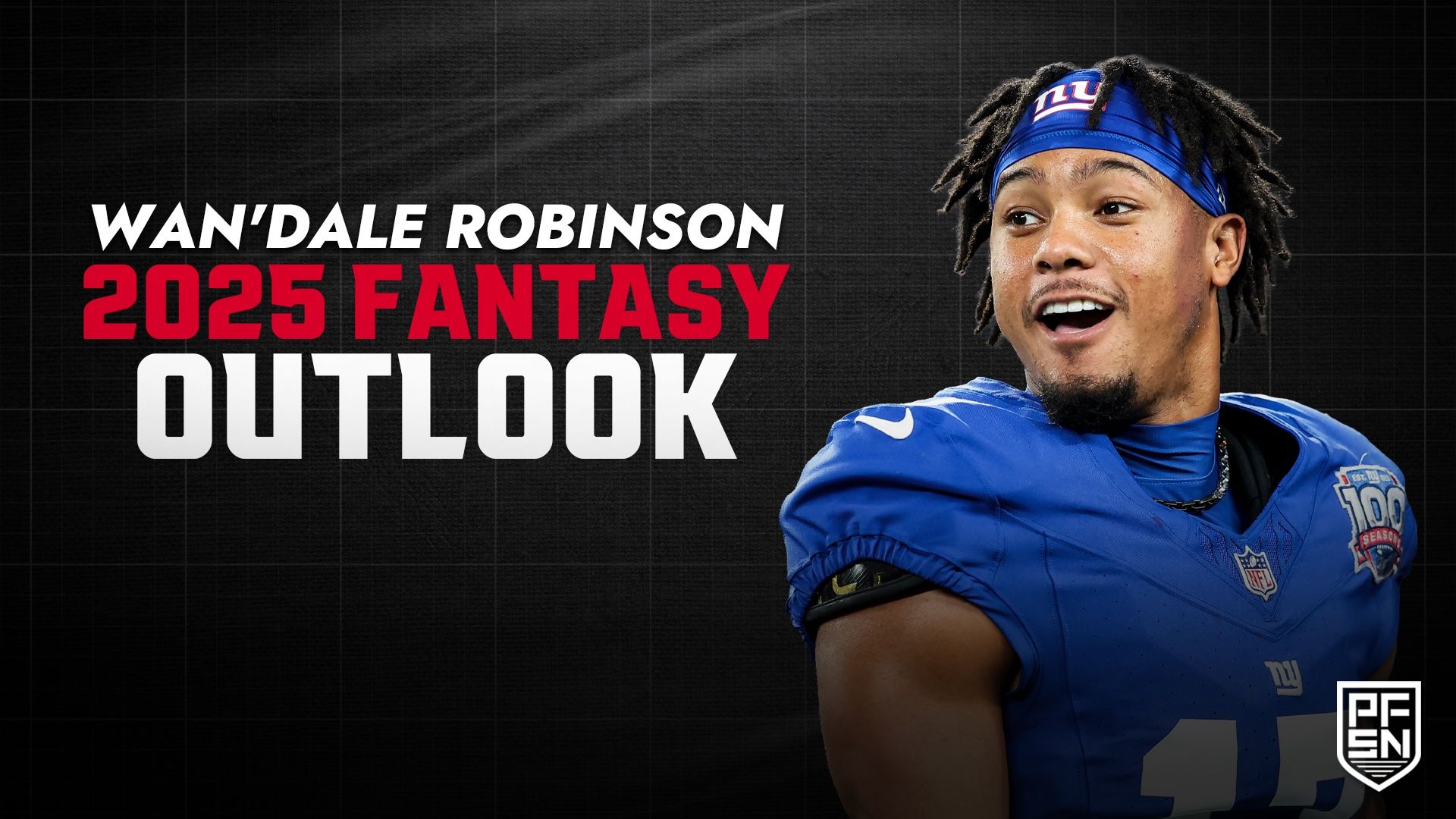
Wan’Dale Robinson, conversely, entered the league as a second-round pick (43rd overall) by the New York Giants in the 2022 NFL Draft. His selection in the top 50 reflected the Giants’ belief in his explosive potential as a “gadget-plus” receiver—a player capable of lining up in the backfield, taking handoffs, and dominating the short-to-intermediate passing game. While Robinson’s draft capital was significantly higher than Shakir’s, the nature of NFL contracts means that their rookie deals operate on predetermined salary scales based on draft position, leading to different financial realities in their early professional years.
Breakdown of Rookie Contract Structures
In the NFL, rookie contracts are strictly regulated by the Collective Bargaining Agreement (CBA). These contracts are four-year deals, with the specific base salary and signing bonus determined by the player’s slot in the draft.
- Wan’Dale Robinson (Second Round): As a high second-round pick, Robinson signed a four-year contract worth approximately $8.1 million. This deal included a substantial signing bonus—a standard feature for players selected in the first three rounds. His financial profile is front-loaded with guaranteed money, reflecting the investment the Giants made in his development as a primary offensive weapon.
- Khalil Shakir (Fifth Round): Shakir’s contract is a four-year deal valued at roughly $3.9 million. Because he was a fifth-round selection, his signing bonus is significantly lower than Robinson’s. However, the lower cap hit makes him a “value” asset for the Buffalo Bills, allowing the team to allocate more salary-cap space to veteran positions while still receiving high-level production from a cost-effective roster spot.
For both players, the current year of 2026 represents the conclusion of their initial four-year rookie windows. As they enter potential free agency or negotiate extensions, their performance metrics become the primary driver for their next tier of earnings.
Comparative Performance Metrics
To understand the financial future of these players, one must look at how their on-field output influences potential contract extensions.
| Metric | Khalil Shakir | Wan’Dale Robinson |
|---|---|---|
| Draft Position | 5th Round (2022) | 2nd Round (2022) |
| Primary Role | Slot/Possession Receiver | Slot/YAC Specialist |
| Key Strength | Catch Efficiency/Clutch Plays | Explosive Speed/Mismatches |
| Contract Status (2026) | Entering Extension Window | Entering Extension Window |
| Team Context | High-Volume Passing Attack | High-Target Share Role |
Khalil Shakir has established himself as a critical chain-mover. In the Buffalo offense, his ability to diagnose zone coverages and find soft spots has made him a favorite target for his quarterback. His financial value is currently linked to his reliability; teams typically pay a premium for receivers who exhibit high completion percentages and low drop rates, even if they aren't the primary deep-threat targets.
Wan’Dale Robinson has focused on maximizing his yards after catch (YAC). His profile as an undersized but twitchy athlete makes him a nightmare for linebackers and safeties in man coverage. His value is tied to his versatility. If a team can use him as both a receiver and a runner, his market value increases, as he effectively fills two roles for the price of one roster spot.
Financial Growth and Market Value Considerations
As we look at the financial landscape of 2026, the market for wide receivers has shifted significantly. The "mid-tier" of the receiver market—where players like Shakir and Robinson reside—has seen a surge in annual average value (AAV).
Factors influencing their next contracts include:
- Salary Cap Inflation: The annual increase in the NFL salary cap means that even players with mid-level production are commanding higher percentages of team budgets than they would have five years ago.
- Positional Scarcity: Reliable slot receivers who understand complex route trees are increasingly valued as defenses move toward nickel-heavy packages.
- Durability: Both players have dealt with the typical wear and tear of a physical league. Staying on the field for 16-17 games during the 2024 and 2025 seasons is the single most important factor in securing a lucrative multi-year extension.
Addressing Common Misconceptions
One common mistake when analyzing these players is focusing solely on "total yardage." In the modern NFL, raw yardage can be misleading. A player with 800 yards on 100 targets is fundamentally different in value than a player with 800 yards on 60 targets. Shakir’s financial ceiling is tied to his efficiency, while Robinson’s is tied to his total target share and unique role in the Giants' offensive scheme.
Another misconception is that draft status dictates long-term earnings. While draft status determines the rookie contract, performance dictates the "second contract." Many players drafted in the later rounds, like Shakir, often find themselves in better positions to negotiate because they have been "battle-tested" in systems that required them to play high-leverage snaps earlier in their careers than some high-round picks who struggled with injuries or coaching turnover.
Frequently Asked Questions
1. Is Khalil Shakir considered a "steal" based on his contract value? Yes. As a fifth-round pick performing at a starting level, Shakir provides the Bills with surplus value. Teams often use such savings to bolster the offensive line or secondary, which indirectly benefits the player by contributing to a winning environment.
2. How do injuries affect the financial prospects of Wan’Dale Robinson? Injuries are the primary variable in NFL contract negotiations. For a player like Robinson, who relies on agility and quick-twitch athleticism, medical records are scrutinized heavily. His ability to remain healthy through 2026 is critical to proving he can handle the rigors of an NFL starter’s workload.
3. Will the 2026 market favor slot receivers? The market is increasingly rewarding slot receivers who function as "safety valves." As defensive schemes become more exotic, quarterbacks prioritize players who can find space in the middle of the field. Both Shakir and Robinson are well-positioned to benefit from this trend.
4. What is the difference between a signing bonus and a base salary in these contracts? A signing bonus is paid out shortly after the contract is signed and is prorated against the salary cap over the length of the deal. The base salary is paid over the course of the season. Players generally prefer higher bonuses because they are guaranteed, whereas base salaries can sometimes be impacted by injury settlements or roster moves.
5. How do these players compare to the league-wide receiver market? While they are not currently in the "top-of-market" tier (which includes players signed to $30M+ annually), they represent the high-floor, high-upside group that forms the engine of most successful NFL offenses. Their next contracts will likely reflect their status as high-level WR2 or primary slot options.
Strategic Outlook and Next Steps
For both Khalil Shakir and Wan’Dale Robinson, the immediate next step is leveraging their 2026 performance into a long-term commitment. For Shakir, the goal is consistency and maintaining his chemistry within the Buffalo system. For Robinson, the goal is demonstrating that he can be the focal point of a passing attack regardless of the opposing defensive coverage.
For observers tracking their financial profiles, the key date to watch is the start of the next league year. NFL teams typically begin restructuring contracts and initiating extension talks well before free agency opens. If these players continue their current trajectories, expect them to move from their modest rookie-deal earnings into a compensation tier that reflects their status as established, reliable starters in the modern NFL landscape.
While individual performance is paramount, players in this bracket are also beneficiaries of team-wide success. A deep playoff run in 2026 can elevate a player’s market profile significantly, as the national spotlight increases their visibility to other teams in the league. As they head into this critical career junction, both Shakir and Robinson have established the necessary foundation to secure their futures as high-earning professionals in the sport.