Halloween consumer trends reflect shifts in economic confidence, cultural priorities, and shopping channels, as shoppers balance seasonal traditions with broader financial considerations. Understanding these patterns requires examining retail data, spending categories, and emerging shifts in how people celebrate the holiday.
The Evolution of Halloween Spending and Economic Factors
Seasonal spending serves as a reliable economic bellwether, capturing consumer sentiment as summer turns into autumn. Halloween has expanded from a localized children’s neighborhood activity into a major multi-category retail event that spans candy, costumes, decorations, and greeting cards.
Historically, total seasonal spending has demonstrated resilience even during periods of broader economic uncertainty. Consumers often treat seasonal celebrations as accessible, relatively low-cost opportunities for social engagement and mood elevation. Rather than cutting out celebrations entirely, shoppers frequently adjust their budgets through tactical purchasing choices—such as buying lower-cost decorations, repurposing past costumes, or purchasing candy in bulk to manage expenses.
Understanding these shifts requires looking at structural spending categories. Market research consistently breaks seasonal expenditures down into four primary pillars:
- Costumes: Purchases for adults, children, and pets.
- Decorations: Indoor and outdoor displays, lighting, and yard props.
- Candy: Confectionery products for trick-or-treaters and personal consumption.
- Greeting Cards: Seasonal cards exchanged among friends and family.
Core Spending Categories Analyzed
Each of the four core categories experiences distinct consumer behaviors influenced by shifting cultural preferences and marketing strategies.
Costume Trends and Demographics
Costumes remain a cornerstone of seasonal retail. While children's costumes retain steady demand driven by school events and trick-or-treating, the adult and pet costume segments have experienced notable growth. Pet costumes, in particular, represent an expanding sub-market where pet owners increasingly purchase themed apparel, driving higher average order values for specialty retailers.
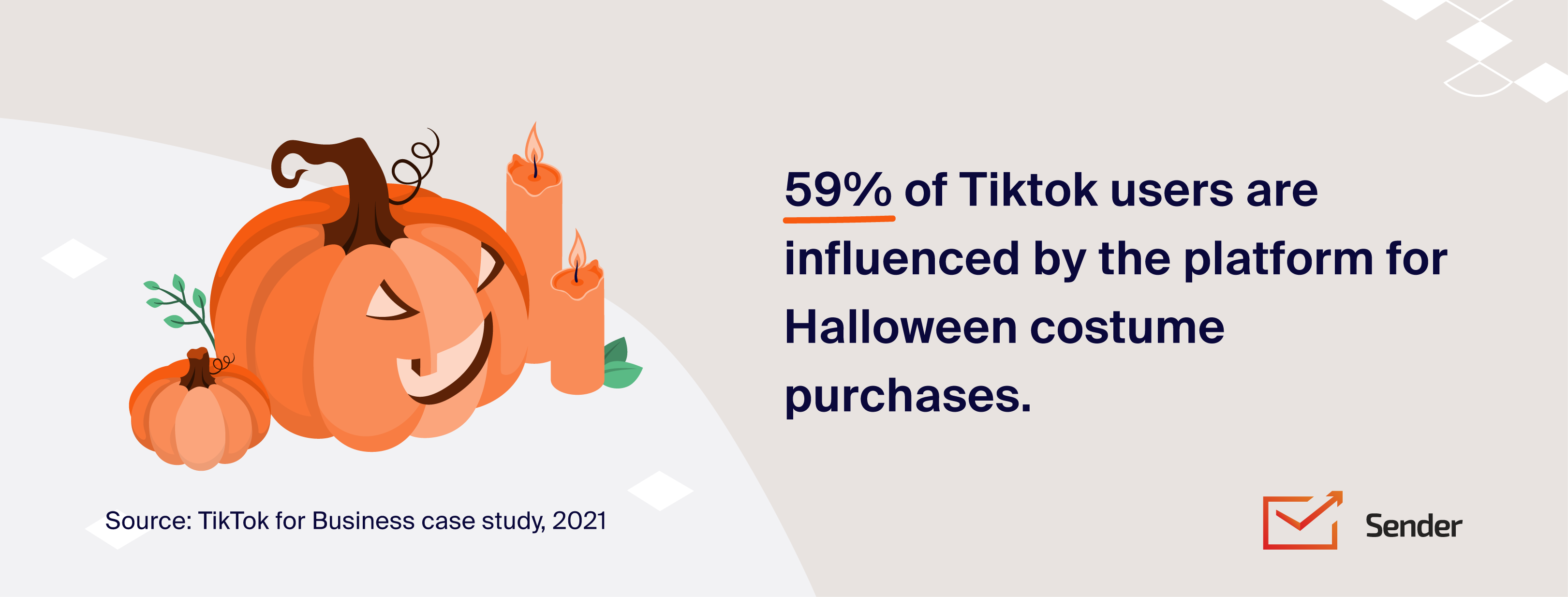
Pop culture heavily influences costume selection, with streaming television series, blockbuster films, and viral internet memes dictating top-selling designs each year. However, classic archetypes—such as witches, vampires, and ghosts—maintain a stable baseline of sales due to their timeless appeal and lower price points.
The Rise of Home Decoration
Home decoration has transformed from simple window decals into elaborate outdoor displays that rival winter holiday setups. Consumers increasingly invest in statement pieces, animatronics, and synchronized lighting systems. This trend is amplified by digital platforms like TikTok and Instagram, where homeowners share their decorating progress and compete for community engagement.
Confectionery Purchases and Supply Chain Realities
Candy represents the most dependable category of Halloween spending, as purchasing sweets is viewed as an essential social obligation for neighborhoods expecting trick-or-treaters. However, macroeconomic factors directly impact this category. Fluctuations in cocoa, sugar, and packaging material costs influence retail pricing. Consequently, consumers often notice changes in packaging sizes or a shift toward private-label and bulk alternatives to manage household budgets.
Retail Channels and Omnichannel Shopping Behaviors
The timeline for seasonal retail has lengthened significantly. Major retailers and specialty Halloween pop-up shops frequently begin stocking shelves and launching digital campaigns as early as July and August. This early merchandising strategy caters to dedicated enthusiasts while spreading out retail revenue.
| Retail Channel | Primary Advantage | Consumer Behavior |
|---|---|---|
| Specialty Pop-Up Stores | Vast physical assortment, immediate availability | Visited primarily for immersive costume try-ons and niche props. |
| Mass Merchants & Big-Box | Value pricing, convenience, one-stop shopping | Preferred for bulk candy purchases and staple decorations. |
| E-Commerce Marketplaces | Infinite selection, customer reviews, home delivery | Utilized for unique items, hard-to-find sizes, and early-season research. |
| Discount & Dollar Stores | Low cost, high volume of basic supplies | Popular for budget-conscious decorators and classroom distribution. |
Omnichannel retailing plays a vital role in modern seasonal shopping. Consumers frequently research products online, compare prices across multiple platforms, and read customer reviews before visiting a physical store or completing an online transaction. Buy-online-pickup-in-store (BOPIS) options have also become essential for managing last-minute purchases without risking inventory shortages.
Sustainability and Changing Consumer Values
Modern consumer trends increasingly emphasize sustainability, waste reduction, and ethical manufacturing. The seasonal retail sector faces scrutiny regarding single-use plastics, synthetic costume fabrics, and discarded decorations that contribute to landfill waste.
In response, a growing segment of consumers seeks sustainable alternatives:
- Secondhand Shopping: Thrift stores and peer-to-peer marketplaces are frequently utilized for vintage or pre-owned costumes.
- DIY Crafting: Upcycling household items into costumes or decorations reduces packaging waste and lowers overall spending.
- Durable Goods: Investing in higher-quality, multi-year decorations rather than disposable items reduces long-term environmental impact.
Retailers are slowly adapting by introducing recyclable packaging and eco-friendly decoration materials, though cost and durability remain considerations for mass-market adoption.
Strategic Recommendations for Retailers and Consumers
Navigating the seasonal landscape requires distinct strategies depending on whether you are a market participant, a small business owner, or an individual consumer planning a celebration.
For retailers, understanding inventory timing is critical. Stocking shelves too late risks missing early planners, while holding excess inventory past October 31 leads to steep post-season markdowns. Emphasizing clear omnichannel inventory visibility helps capture both planned purchases and last-minute shoppers.
For consumers, effective budgeting involves planning purchases ahead of peak shopping weeks in mid-October. Buying candy and non-perishable decor early prevents stockouts, while monitoring post-season sales can secure discounted items for subsequent years. Balancing experiential desires with practical financial limits ensures a sustainable and enjoyable holiday season.