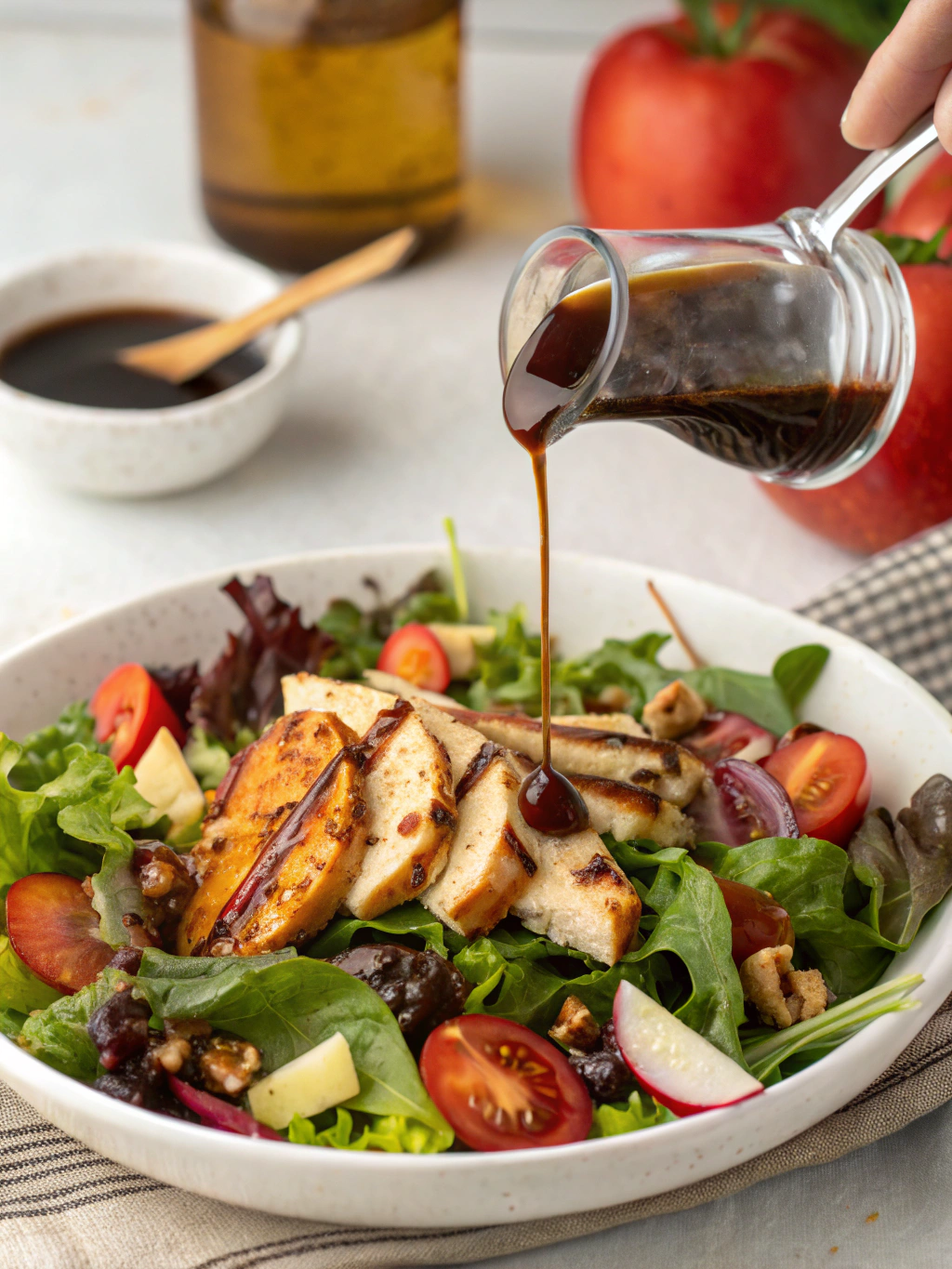
The 5-letter secret to creating a perfect salad dressing every time is the RATIO. Specifically, the "Golden Ratio" of three parts oil to one part acid serves as the foundational blueprint for nearly every successful vinaigrette. By mastering this simple balance, you can move beyond rigid recipes and begin creating professional-grade dressings using whatever ingredients you have on hand.
The Fundamental Science of the 3:1 Ratio
In the culinary world of 2026, where home cooking has become increasingly focused on precision and ingredient integrity, the concept of the RATIO remains the most powerful tool in a chef's arsenal. While many amateur cooks struggle with dressings that are either too greasy or too sharp, the 3:1 ratio provides a reliable equilibrium. This means for every three tablespoons of oil, you use one tablespoon of vinegar or citrus juice.
The reason this ratio is considered "secret" by many is that it balances the palate's perception of fat and acidity. Fat (the oil) provides a luxurious mouthfeel and carries flavors, while the acid (the vinegar) cuts through that richness to brighten the dish and stimulate the taste buds. When these two are in harmony, the dressing enhances the vegetables rather than masking them. However, it is important to note that the 3:1 ratio is a starting point. Depending on the strength of your acid—such as a particularly potent 2026 artisanal balsamic versus a milder rice vinegar—you may need to adjust slightly to 2:1 or even 4:1.
Understanding the science of the ratio also involves understanding emulsification. Oil and water-based liquids like vinegar do not naturally mix. They are "immiscible." To create a cohesive dressing, you must force these two elements together into an emulsion. Without the correct ratio, your emulsion will likely break, leaving you with a puddle of oil at the bottom of your salad bowl. By sticking to the 5-letter secret, you ensure there is enough fat to encapsulate the acid droplets, creating a thick, creamy texture without the need for dairy.
Choosing Your Canvas: The Role of Fats
The "3" in your 3:1 ratio is almost always a fat, and in 2026, the options for high-quality culinary oils have never been more diverse. While Extra Virgin Olive Oil (EVOO) remains the gold standard for its polyphenols and robust flavor, other oils provide different structural and taste benefits. The choice of oil dictates the "weight" of your salad.
Extra Virgin Olive Oil is prized for its peppery, grassy notes, which pair excellently with hearty greens like kale or arugula. However, for more delicate salads, a neutral oil like avocado oil or grapeseed oil might be preferable. These oils allow the flavors of the herbs and vegetables to shine through without competition. In recent years, we have also seen a rise in the use of nut oils—such as walnut or hazelnut oil—which add an earthy complexity to autumnal salads featuring fruits or cheeses.
When selecting your fat, consider the viscosity. Heavier oils will cling to leaves more aggressively, while thinner oils may require a stronger emulsifier to stay integrated. It is also essential to ensure your oils are fresh. Because fats can go rancid, especially when exposed to light and heat, always taste your oil before starting your dressing. A rancid oil will ruin even the most perfectly balanced ratio, leaving a metallic or "off" aftertaste that no amount of seasoning can fix.
The Brightness: Selecting the Right Acids
If the oil is the canvas, the acid is the highlight. The "1" in your 3:1 ratio provides the necessary "zip" that makes a salad refreshing. Vinegars and citrus juices are the most common acids used in dressings, each bringing a unique chemical profile and flavor depth to the table.
Vinegars are the result of a secondary fermentation process where alcohol is turned into acetic acid. In 2026, many home cooks are exploring fermented fruit vinegars, such as raspberry, quince, or even black garlic vinegar. These provide not just acidity, but also a layer of sweetness and "umami" that simplifies the need for additional sweeteners. Standard pantry staples like Red Wine Vinegar or Apple Cider Vinegar are versatile workhorses, while Champagne Vinegar offers a softer, more elegant profile for seafood-based salads or delicate bibb lettuce.
Citrus juices, such as lemon, lime, or grapefruit, offer a different kind of acidity—citric acid. This is often perceived as "brighter" and more immediate than the "longer" acidity of vinegar. Lemon juice is particularly effective at preventing the oxidation of ingredients like avocados or apples in a salad. When using citrus, the 5-letter secret of the RATIO becomes even more critical because the acidity levels in fresh fruit can vary significantly. A very tart lemon may require you to lean closer to a 4:1 ratio to keep the dressing from becoming unpleasantly sour.
The Glue: Emulsifiers and How They Work
While the ratio of oil to acid is the secret to flavor balance, an emulsifier is the secret to physical stability. An emulsifier is a substance that contains both a water-loving (hydrophilic) end and an oil-loving (lipophilic) end. This allows it to bridge the gap between the oil and the acid, holding them together in a smooth, unified liquid.
The most common and effective emulsifier for a 5-letter secret dressing is Dijon mustard. Even a small half-teaspoon can hold a cup of vinaigrette together for hours. The mucilage in the mustard seeds acts as a stabilizer. Other popular emulsifiers include:
- Honey or Maple Syrup: These provide viscosity and help hold the emulsion while adding a touch of sweetness to balance the acid.
- Egg Yolks: Used in Caesar dressings or mayonnaises, yolks contain lecithin, one of the most powerful natural emulsifiers known to science.
- Miso Paste: A 2026 favorite for its savory depth, miso provides excellent structural support for dressings.
- Tahini: This ground sesame paste is naturally emulsified and can create incredibly creamy dressings when whisked with lemon juice and water.
Without an emulsifier, your dressing is a "temporary emulsion." This means that if you shake it in a jar, it will look combined for a few minutes but will quickly separate back into distinct layers. By adding an emulsifier, you create a "permanent" or "semi-permanent" emulsion that coats every leaf of lettuce evenly, ensuring every bite has the same perfect flavor profile.
Beyond the Basics: Seasoning and Aromatics
Once you have mastered the 3:1 RATIO and selected your emulsifier, the final step in the perfect salad dressing recipe is the "flavor layer." This includes salt, pepper, and aromatics like garlic, shallots, or fresh herbs.
Salt is non-negotiable. It does not just make things "salty"; it acts as a flavor enhancer that suppresses bitterness and makes the other ingredients taste more like themselves. In 2026, flaky sea salts or smoked salts are often used to add texture and a final pop of flavor. Black pepper provides a subtle heat that cuts through the fat of the oil.
Aromatics provide the "nose" or the scent of the dressing. Finely minced shallots are a classic addition to a French vinaigrette because they offer a mild, sweet onion flavor without the harshness of white or red onions. Garlic should be used sparingly; grating it on a microplane allows it to distribute evenly through the dressing, but it can quickly become overpowering. Fresh herbs like parsley, chives, tarragon, or cilantro should be added at the very end to preserve their vibrant color and delicate oils.
Step-by-Step: Crafting Your Perfect Vinaigrette
To put the 5-letter secret into practice, follow this systematic approach. This method ensures that the emulsion forms correctly and that the flavors are perfectly integrated.
- Combine the "Base" Ingredients: In a small bowl or a glass jar, add your acid (1 part), your emulsifier (e.g., 1 tsp mustard), and your seasonings (salt, pepper, minced shallots).
- Dissolve the Salt: Salt does not dissolve in oil, but it does dissolve in acid. By mixing it with the vinegar or lemon juice first, you ensure an even distribution of saltiness throughout the dressing.
- Slowly Add the Fat: If using a bowl, whisk the mixture constantly while drizzling in the oil (3 parts) in a slow, steady stream. If using a jar, you can pour all the oil in at once, seal the lid tightly, and shake vigorously for 30 seconds.
- Taste and Adjust: This is the most important step. Dip a leaf of the salad greens you intend to use into the dressing. Tasting it on the lettuce gives a better representation of the final dish than tasting it off a spoon.
- Final Tweak: If it is too sharp, add a drop more oil. If it tastes flat, add a pinch more salt or a squeeze of acid.
| Dressing Component | Example Ingredients | Function | 2026 Trend Tip |
|---|---|---|---|
| Fat (3 Parts) | EVOO, Avocado Oil, Walnut Oil | Mouthfeel, flavor carrier | Use cold-pressed, single-origin oils for maximum nutrient density. |
| Acid (1 Part) | Balsamic, Lemon, Rice Vinegar | Brightness, cuts through fat | Experiment with "living" vinegars containing the "mother." |
| Emulsifier | Dijon Mustard, Honey, Miso | Stability, prevents separation | Use white miso for a hidden "umami" boost without changing the color. |
| Aromatics | Shallots, Garlic, Fresh Herbs | Complexity, aroma | Toasted spices like cumin or coriander add a modern global twist. |
| Seasoning | Sea Salt, Black Pepper, Chili | Flavor enhancement | Use fermented salt or seaweeds for added mineral depth. |
Troubleshooting and Common Mistakes
Even with the 5-letter secret of the RATIO, things can occasionally go wrong. The most common issue is a "broken" dressing, where the oil and acid have separated into unappealing puddles. This usually happens because the oil was added too quickly or there wasn't enough emulsifier. To fix a broken dressing, place a teaspoon of mustard or a splash of water in a clean bowl and slowly whisk the broken mixture into it. This "re-seeds" the emulsion.
Another common mistake is over-seasoning. Because salad greens are delicate, a dressing that is too salty or too acidic will wilt the leaves almost instantly. This is why it is vital to dress the salad just before serving. If you find your dressing is too potent, do not just add more oil; try adding a teaspoon of water. Water thins the dressing without changing the flavor profile as drastically as more oil would.
Finally, consider the temperature of your ingredients. If you are using a high-quality Extra Virgin Olive Oil, it may solidify in the refrigerator. If you make your dressing ahead of time and store it in the fridge, let it sit at room temperature for 15 minutes and give it a good shake before using. This ensures the fats are liquid and the emulsion is smooth.
The Evolution of Dressing in 2026
As we move through 2026, the "perfect" dressing is also evolving to meet new dietary preferences and sustainability goals. We are seeing a move away from heavy, sugar-laden bottled dressings toward "functional" vinaigrettes. These use ingredients like turmeric, ginger, and fermented liquids to provide health benefits alongside flavor.
The 5-letter secret remains relevant because it is adaptable. For those following low-fat diets, the ratio can be adjusted by replacing a portion of the oil with "thick" liquids like aquafaba (chickpea soaking water) or reduced vegetable stocks. These provide the body and "cling" of an oil-based dressing with significantly fewer calories. However, the core principle of balancing the acid with a softening agent remains the key to culinary success.
Frequently Asked Questions
What is the 5-letter secret mentioned in the title?
The secret is the word RATIO. Understanding the 3:1 ratio of oil to acid is the fundamental principle that allows you to create a balanced, professional-quality salad dressing without needing a specific recipe for every variation.
Can I use something other than oil for the "3" in the ratio?
Yes, though oil is traditional, you can substitute parts of the oil with other fats or thickeners such as tahini, nut butters, or even full-fat Greek yogurt. However, keep in mind that these will change the texture from a vinaigrette to a creamy dressing, and you may need to add a splash of water to achieve the right consistency.
Why does my homemade dressing taste better than store-bought?
Store-bought dressings often rely on cheap oils (like soybean oil), high-fructose corn syrup, and chemical stabilizers to remain shelf-stable for months. Homemade dressing using the RATIO secret uses fresh, high-quality fats and acids, which provide a cleaner, more vibrant flavor profile and better nutritional value.
How long can I store my 5-letter secret dressing?
A simple vinaigrette made of oil and vinegar can last in the refrigerator for up to two weeks. However, if you add fresh aromatics like garlic, shallots, or fresh herbs, the shelf life reduces to about 3-5 days. Always store in a sealed glass container to prevent the oil from absorbing other refrigerator odors.
Is the 3:1 ratio mandatory for all salads?
No, it is a starting point. For bitter greens like radicchio or endive, you might prefer a slightly sweeter or more acidic dressing (2:1) to stand up to the strong flavors. For very delicate greens like mâche, a lighter touch (4:1) is often better. The "secret" is knowing the ratio so you have a baseline to adjust from.
What is the best way to mix the dressing?
While whisking is the traditional method, the "Jar Method" is highly recommended for home cooks. Placing all ingredients in a small mason jar and shaking vigorously creates a very strong emulsion with minimal cleanup. In 2026, many also use small milk frothers or immersion blenders for an even creamier result.
Recommendation for Next Actions
To master the 5-letter secret of the RATIO, start by making a classic French Vinaigrette tonight. Use 3 tablespoons of high-quality Extra Virgin Olive Oil, 1 tablespoon of Red Wine Vinegar, a teaspoon of Dijon mustard, and a pinch of salt and pepper. Shake them in a jar and taste the difference. Once you are comfortable with this balance, begin experimenting by swapping the Red Wine Vinegar for lime juice or the Olive Oil for toasted sesame oil, always maintaining that foundational 3:1 balance as your guide.