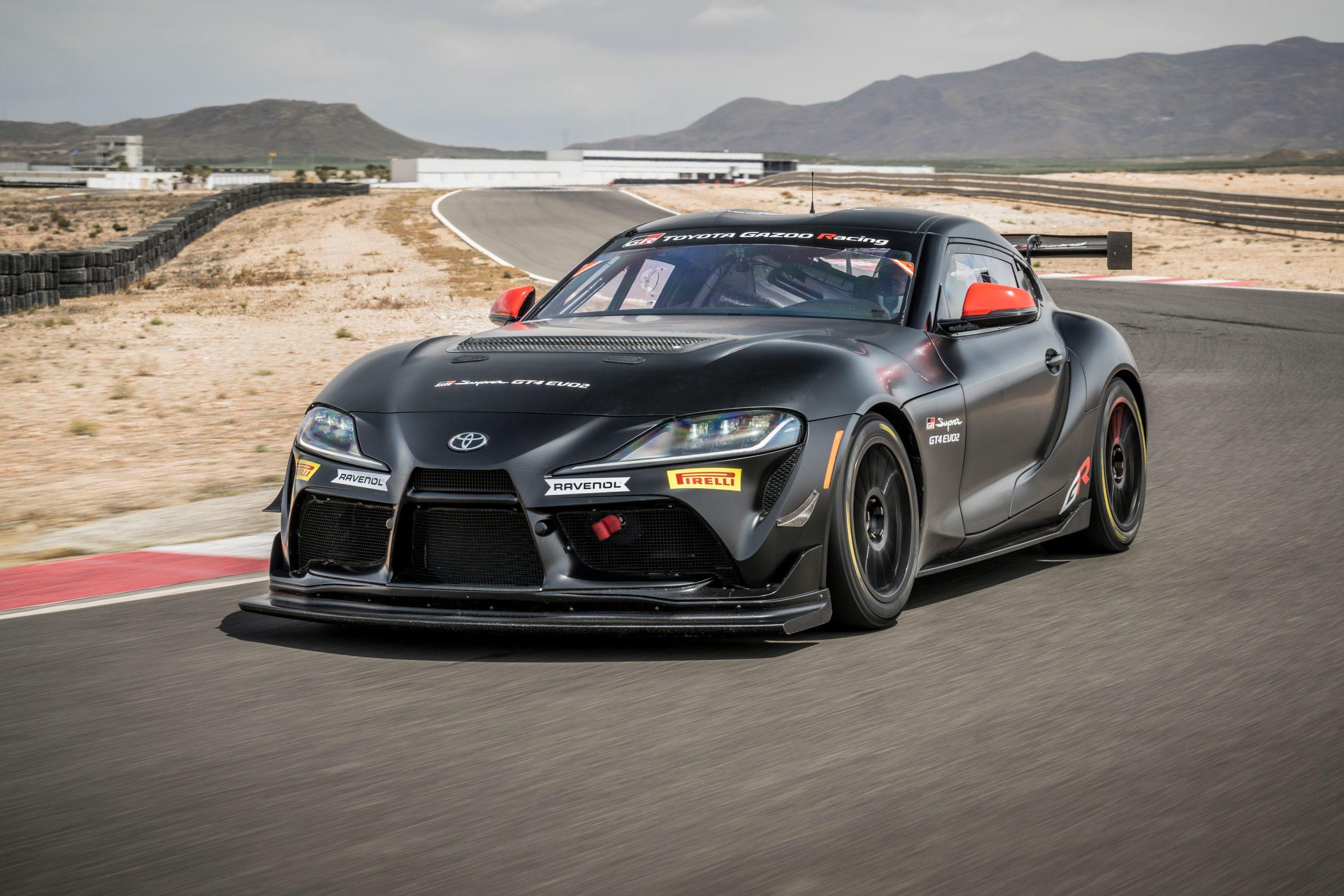
The 2025 Formula 1 season represented the 76th running of the FIA Formula 1 World Championship and served as the definitive conclusion to the "ground-effect" era of technical regulations introduced in 2022. It featured a record-breaking 24-race calendar and was historically significant for the landmark transition of Lewis Hamilton to Scuderia Ferrari.
As we look back from the vantage point of 2026, the 2025 season is characterized as a year of peak engineering maturity. It was the final season where the 1.6-liter V6 turbo-hybrid power units operated under the 2014-era architecture before the massive 2026 redesign. Teams were faced with a strategic paradox: whether to invest heavily in the final refinements of their 2025 chassis or divert all resources toward the radically different 2026 regulations. This tension defined the technical development path and the competitive hierarchy throughout the year.
The Technical Framework of the 2025 Formula 1 Cars
The 2025 season saw the third and final evolution of the ground-effect aerodynamic philosophy. While the foundational rules remained consistent with the 2022 overhaul, the technical directives (TDs) issued by the FIA in late 2024 and early 2025 significantly narrowed the "grey areas" regarding floor flexibility and front-wing aero-elasticity.
Aerodynamics and Ground Effect Maturity
By 2025, the problem of "porpoising" (aerodynamic oscillation) was largely a matter of historical record, solved through a combination of mandatory floor edge height increases and sophisticated suspension damping. The focus shifted toward maximizing the efficiency of the Venturi tunnels. Engineers aimed to generate the highest possible downforce with the least amount of drag, a challenge exacerbated by the increasingly complex "outwash" designs.
Teams utilized intricate "vortex generators" on the floor edges to seal the low-pressure area beneath the car. Because the 2025 regulations restricted the use of active suspension, teams had to rely on perfectly tuned passive systems to maintain a consistent "ride height window." Even a 1mm deviation in ride height could result in a significant loss of downforce, making the 2025 cars some of the most sensitive racing machines ever built.
Power Unit Constraints and Development Freezes
The 2025 season operated under a strict homologation freeze for the Internal Combustion Engine (ICE), Turbocharger, MGU-H, and MGU-K. Only reliability upgrades were permitted, meaning the performance hierarchy of the power units—led by Honda (Red Bull Powertrains), Mercedes, Ferrari, and Renault—was largely locked in.
Engineers focused on "Power Unit Mapping" and energy deployment strategies. In 2025, the thermal efficiency of these units reached nearly 50%, a staggering achievement for internal combustion technology. The integration of the Energy Recovery System (ERS) was the primary area for optimization, with teams refining how they harvested energy under braking and deployed it to mitigate turbo lag and provide "overtake" boosts on long straights.
The 2025 Race Calendar and Logistics
The 2025 calendar was a masterpiece of logistical regionalization, part of Formula 1's "Net Zero by 2030" initiative. By grouping races geographically, the FIA and FOM (Formula One Management) reduced the total carbon footprint of the sport’s massive freight operations.
The season commenced in March with the Australian Grand Prix at Albert Park, a return to tradition that was highly welcomed by fans. The schedule then flowed through East Asia, the Middle East, Europe, and the Americas, before concluding in Abu Dhabi in December.
| Grand Prix | Location | Circuit Type | Key Technical Demand |
|---|---|---|---|
| Australian GP | Melbourne | Street/Permanent | Front-end bite and braking stability |
| Japanese GP | Suzuka | Permanent | High-speed lateral load and aero efficiency |
| Monaco GP | Monte Carlo | Street | Maximum downforce and low-speed mechanical grip |
| British GP | Silverstone | Permanent | High-speed cornering and tyre durability |
| Singapore GP | Marina Bay | Street | Thermal management and traction |
| Las Vegas GP | Las Vegas | Street | Tyre warm-up and straight-line speed (low drag) |
| Abu Dhabi GP | Yas Marina | Permanent | Balanced setup and ERS deployment |
The "Silly Season" Realized: Key Driver and Team Dynamics
The 2025 season was defined by the most seismic shift in the driver market in the history of the sport: Lewis Hamilton’s move to Scuderia Ferrari. This move triggered a domino effect across the grid, fundamentally altering team dynamics and engineering focus.
The Hamilton-Ferrari Integration
Hamilton’s arrival at Maranello was more than a PR masterstroke; it was a technical integration challenge. Ferrari had to adapt their cockpit ergonomics and steering wheel interfaces to suit Hamilton’s specific requirements, which famously differ from the standard Italian layout. Furthermore, the collaboration between Hamilton and Senior Performance Engineers aimed to address Ferrari’s historical struggle with tyre degradation—an area where Hamilton’s "feel" for the Pirelli rubber provided immediate dividends.
Red Bull and the Post-Newey Transition
2025 was a pivotal year for Red Bull Racing as they navigated the departure of legendary designer Adrian Newey. While the RB21 (the 2025 car) still carried the DNA of Newey’s ground-effect philosophy, the mid-season development was overseen by the next generation of Red Bull engineers. The team focused on refining the "triple DRS" effect and maintaining their advantage in pit-stop execution, which remained the fastest on the grid, often sub-2.0 seconds.
Financial Regulations and the Cost Cap Impact
In 2025, the FIA Financial Regulations maintained a base cost cap of approximately $135 million, adjusted for inflation and the 24-race schedule. This cap forced teams to make brutal decisions regarding "in-season development."
- Manufacturing Efficiency: Teams could no longer afford to bring three or four different front-wing designs to every race. Instead, they relied on CFD (Computational Fluid Dynamics) and wind tunnel testing to ensure that a single update would work across multiple track types.
- Crash Damage Costs: In a 24-race season, the financial impact of a "total loss" accident became a strategic threat. A major crash in a Sprint race could literally subtract a planned aerodynamic update from the year's budget.
- Personnel Retention: The cost cap also applied to staff salaries (excluding the top three highest-paid employees and drivers). This led to a "brain drain" where junior engineers moved between teams to secure higher wages within the cap limits, leading to a flattening of the competitive field.
Comparison: 2025 vs. 2026 Technical Regulations
Understanding the 2025 season requires a comparison with the 2026 rules that followed it. The 2025 cars were the pinnacle of "heavy, high-downforce" hybrids, while 2026 introduced "nimble, active-aero" machines.
| Feature | 2025 Regulation (The "Race" Standard) | 2026 Regulation (The New Era) |
|---|---|---|
| Minimum Weight | 798 kg | 768 kg (approx.) |
| Power Unit | 1.6L V6 + MGU-H + MGU-K | 1.6L V6 (No MGU-H) + Increased MGU-K |
| Fuel Type | E10 (10% Ethanol) | 100% Sustainable Fuel |
| Aero Strategy | Fixed Wings / DRS | Active Aerodynamics (X-Mode/Z-Mode) |
| Wheelbase | Max 3600 mm | Max 3400 mm |
| Tire Width | 305mm (Front) / 405mm (Rear) | Reduced width for lower drag |
Operational Challenges and Troubleshooting
The 2025 season pushed the limits of human and mechanical endurance. With 24 races, teams faced significant "burnout" issues, leading to the widespread adoption of "rotating crews" for non-essential garage personnel.
Technically, the most common "troubleshooting" area involved brake cooling and thermal management. As cars reached peak downforce levels in 2025, the speeds through corners increased, putting unprecedented kinetic energy into the carbon-fiber brake discs. At tracks like Mexico City (high altitude) or Qatar (extreme heat), managing the temperature of the calipers while maintaining aerodynamic "sealing" of the wheels was a constant battle.
Furthermore, the Pirelli 18-inch tires reached their developmental limit in 2025. The FIA frequently had to issue "Technical Directives" regarding minimum tire pressures to prevent sidewall failures caused by the extreme vertical loads generated by the 2025 floors.
Frequently Asked Questions
Why was the 2025 Australian Grand Prix the season opener?
The Australian Grand Prix returned to the season-opener slot in 2025 to improve the logistical flow of the calendar. By starting in Melbourne and moving through China and Japan, Formula 1 was able to "cluster" the flyaway races, reducing the back-and-forth travel for teams based in Europe and lowering carbon emissions from air freight.
How did the Lewis Hamilton Ferrari move affect the 2025 standings?
Hamilton’s move to Ferrari in 2025 provided the team with a level of consistency and technical feedback that bridged the gap to Red Bull. While the car's peak pace was often similar to 2024, Hamilton’s ability to manage the "Hard" and "Medium" tire compounds during long stints allowed Ferrari to win races through strategy rather than just raw qualifying speed.
What happened to the MGU-H in 2025?
In 2025, the MGU-H (Motor Generator Unit - Heat) was still a core component of the Power Unit. It was responsible for recovering energy from the exhaust gases and eliminating turbo lag. However, because it was known that the MGU-H would be removed for the 2026 regulations, teams stopped all fundamental research on this component, focusing only on reliability to ensure no DNF (Did Not Finish) results during the long 24-race season.
Was there a "budget cap" scandal in 2025?
The FIA tightened its auditing process for the 2025 season. While there were minor procedural breaches regarding "non-F1 activities" (where teams tried to hide engineers in other projects), the strict oversight ensured that no team significantly overspent. The focus was on "capital expenditure" (CapEx) limits, which allowed lower-ranked teams to invest in better wind tunnels to catch up with the leaders.
How did the 2025 Sprint races differ from previous years?
In 2025, the Sprint format was further refined to separate "Sprint Day" from the "Grand Prix" more cleanly. Qualifying for the Sprint (the "Sprint Shootout") took place on Friday, followed by the Sprint Race on Saturday morning. The main Qualifying for the Sunday Grand Prix took place on Saturday afternoon. This ensured that a mistake in the Sprint race didn't unfairly ruin a driver's starting position for the main event on Sunday.
Final Recommendations for Fans and Analysts
For those analyzing the data from the 2025 race season, it is vital to look beyond the final podium standings. The real story of 2025 was the development rate. By the final race in Abu Dhabi, the gap between the fastest car and the slowest car on the grid was the narrowest it had been in the history of the sport (often less than 1.2 seconds in Q1).
If you are looking to understand the current 2026 season, you must study the 2025 technical logs regarding battery deployment. The teams that mastered energy management in 2025 were the ones best prepared for the 50/50 power split (Internal Combustion vs. Electric) that we see in the cars today. For enthusiasts, the 2025 season remains the "high-water mark" for pure, unadulterated ground-effect downforce, providing a level of cornering speed that we may not see again for many years.