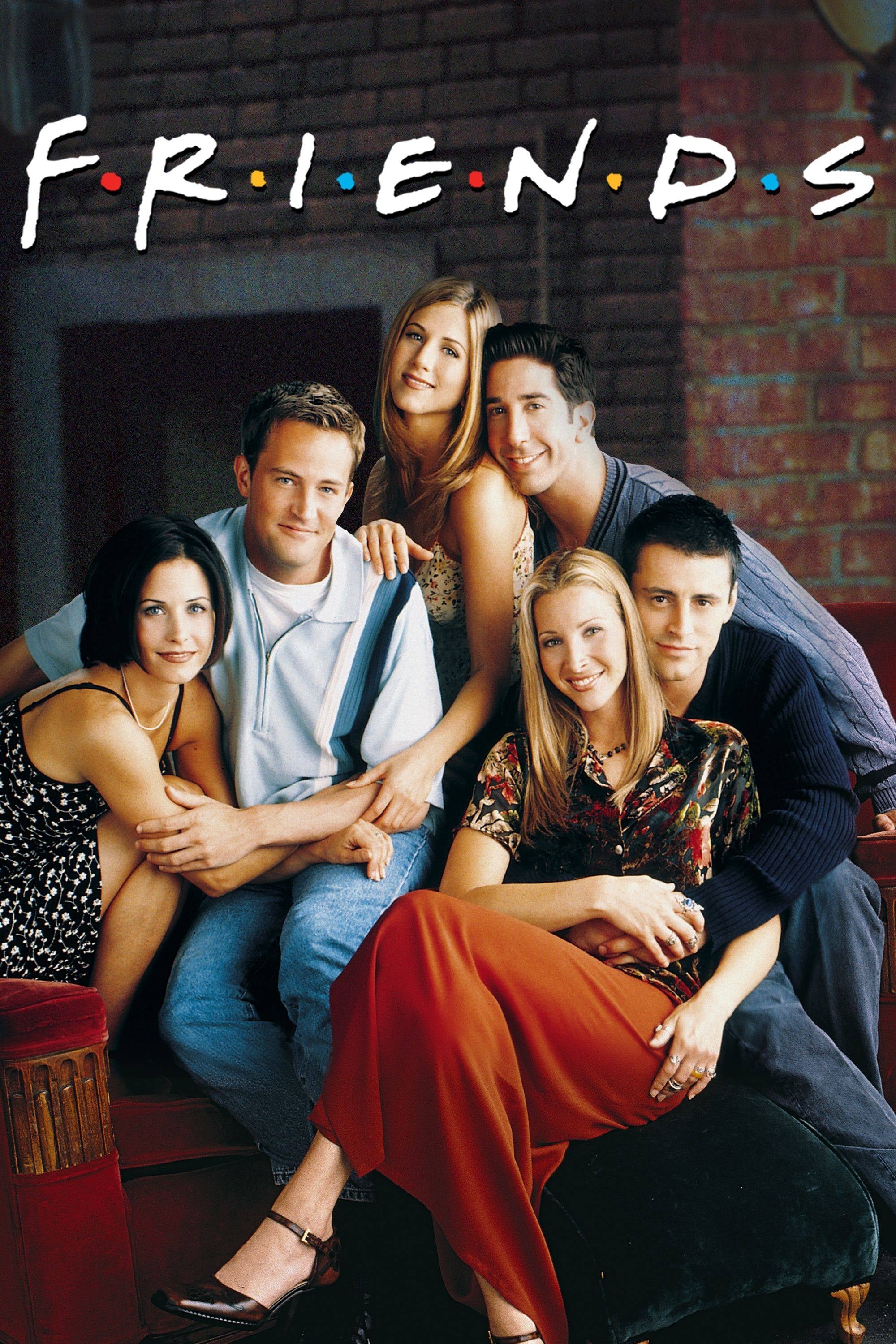
The 1990s sitcoms era represents a golden age of television comedy characterized by a shift toward urban ensemble casts, serialized character arcs, and high-concept premises that moved away from traditional domestic setups. This period transformed the television landscape by combining multi-camera studio formats with single-camera stylistic innovations, redefining how humor, social issues, and demographic representation were packaged for mainstream audiences.
The Cultural and Historical Context of 1990s Television
The landscape of American television underwent a seismic transformation as the 1980s gave way to the 1990s. The decade was framed by the expansion of the "Big Three" broadcast networks (ABC, CBS, NBC) and the rapid maturation of the Fox network, which launched in the late 1980s and aggressively targeted younger, counter-cultural demographics with edgy programming.
At the same time, cable television began to claw away at traditional broadcast ratings, forcing network executives to greenlight smarter, sharper, and more culturally resonant comedies to hold onto dwindling viewing blocks.
This environment birthed the dominant scheduling blocks of the decade, most notably NBC’s "Must See TV" Thursday night lineup. This specific block created a shared cultural experience for millions of viewers, turning the act of watching television into a communal, next-day watercooler ritual.
The social backdrop of the decade—marked by a booming economy, the rise of internet culture in its infancy, shifting gender roles, and changing urban dynamics—directly influenced the thematic material of the era's most successful comedies. Writers moved away from the idealized, suburban nuclear family models of the 1950s through 1980s, favoring groups of friends, unconventional family structures, and cynical urbanites navigating the complexities of modern adulthood.
Structural Evolution: From Domestic Units to Urban Ensembles
One of the most significant shifts in 1990s sitcoms was the evolution of the primary cast structure. While earlier decades relied heavily on the traditional married-couple-with-children formula, the 1990s popularized the "hangout sitcom."
The Hangout Sitcom Phenomenon
Pioneered largely by shows like Cheers in the 1980s and perfected by Friends and Seinfeld in the 1990s, the hangout sitcom focused on peer groups who functioned as surrogate families. These characters typically gathered in a central, recurring location—a coffeehouse, a diner, or a rent-controlled New York apartment—where the primary action consisted of witty banter, dating mishaps, and career struggles.
- Friends (NBC, 1994–2004): Created by David Crane and Marta Kauffman, the series followed six twenty-somethings in Manhattan. It relied heavily on serialized romantic tension, milestone life events, and fast-paced comedic dialogue.
- Seinfeld (NBC, 1989–1998): Co-created by Larry David and Jerry Seinfeld, the show famously operated on a "no hugging, no learning" rule. It subverted traditional sitcom sentimentality, focusing instead on the minutiae of daily life and urban etiquette.
The Modernized Domestic Family
Even when 1990s sitcoms retained a family structure, the portrayal of domestic life changed. Shows introduced working-class economic realities, sarcasm, and fractured households.
- Roseanne (ABC, 1988–1997): Portrayed the working-class Conner family of Illinois, directly addressing issues of financial struggle, job loss, health insurance hurdles, and marital strain with a sharp, cynical working-class wit.
- The Fresh Prince of Bel-Air (NBC, 1990–1996): Used a fish-out-of-water premise to examine class, race, and cultural friction by thrusting a street-smart teenager from West Philadelphia into the wealthy, upper-crust environment of his relatives in Bel-Air.
Production Mechanics and Technical Craft
The creation of a 1990s sitcom was a sophisticated industrial process that blended theatrical staging with cinematic pacing. Understanding the mechanics of these productions sheds light on why they achieved their distinct rhythm and timeless visual presentation.
Multi-Camera vs. Single-Camera Formats
The vast majority of 1990s comedies relied on the multi-camera setup filmed in front of a live studio audience. This format required distinct logistical steps:
- Table Read: The cast, writers, and network executives gathered to read through the script, making immediate adjustments to pacing and joke delivery.
- Blocking and Rehearsal: Actors spent days walking through the physical space of the permanent soundstage sets, mapping out physical comedy and camera angles.
- Filming: The episode was shot in real-time sequence over the course of an evening, utilizing three to four film or high-end video cameras, with laughter captured live (or sweetened in post-production if timing required it).
Conversely, a small subset of shows experimented with single-camera setups without laugh tracks, paving the way for the stylistic choices of the 2000s. Shows like The Larry Sanders Show (HBO, 1992–1998) utilized a mockumentary style and single-camera workflow to deliver biting, satirical humor about the entertainment industry.
| Sitcom Title | Network | Primary Setting | Core Premise / Focus | Key Production Format |
|---|---|---|---|---|
| Seinfeld | NBC | New York City | Observational humor about mundane daily annoyances | Multi-camera, studio audience |
| Friends | NBC | New York City | Romantic and platonic dynamics among six friends | Multi-camera, studio audience |
| Roseanne | ABC | Lanford, Illinois | Financial and social realities of a working-class family | Multi-camera, studio audience |
| The Fresh Prince of Bel-Air | NBC | Bel-Air, Los Angeles | Cultural clashes and coming-of-age comedy | Multi-camera, studio audience |
| Frasier | NBC | Seattle, Washington | High-brow intellectual farce and family dynamics | Multi-camera, studio audience |
Thematic Shifts and Social Representation
The 1990s served as an ideological testing ground where network television began to reflect shifting social norms, civil rights advancements, and evolving attitudes toward identity.
Representation of Diversity and Identity
While television historically lagged behind real-world demographic shifts, the 1990s saw a notable wave of culturally specific sitcoms that achieved massive mainstream success.
- Living Single (Fox, 1993–1998) and Martin (Fox, 1992–1997) highlighted Black urban life, centering on young professionals and couples in Brooklyn and Detroit, respectively.
- Ellen (ABC, 1994–1998) made television history when its star, Ellen DeGeneres, came out publicly as a lesbian both in her personal life and through her titular character in the infamous 1997 "Puppy Episode," marking a watershed moment for LGBTQ+ representation on network television.
Workplace Dynamics and Professional Satire
Workplace comedies also evolved. Rather than simple occupational settings, workplaces became arenas for cynical commentary on corporate bureaucracy and professional ambition.
- Frasier (NBC, 1993–2004): A spinoff of Cheers, this sophisticated farce centered on a psychiatry radio host in Seattle. It leaned heavily on theatrical door-slamming, high-brow cultural references, and complex family dynamics between two fussy brothers and their blue-collar father.
- NewsRadio (NBC, 1995–1999): Set in the chaotic offices of a fictional New York AM radio station, the show combined fast-paced, absurd workplace humor with sharp deadpan delivery.
Economic Impact and Syndication Models
The financial ecosystem of 1990s sitcoms was anchored by the traditional syndication model. During this era, producing a successful network television show carried immense financial upside once a series crossed the threshold of 100 episodes—the golden number required to sell daily rerun packages to local television stations and basic cable networks.
Studios and production companies operated on long-term deficit financing, often losing money on initial network license fees during the first two or three seasons. They gambled on the long-term value of the intellectual property. Shows that achieved syndication status generated billions of dollars in residual payments and licensing revenue.
This economic reality incentivized networks to protect their flagship comedies, allowing creative teams substantial leeway in developing complex narrative arcs, star-studded guest-star rosters, and historic salary negotiations for primary ensemble actors.
Common Misconceptions About 1990s Television
When analyzing the era, viewers and critics frequently misinterpret the production conditions and cultural impact of these shows.
- The Myth of Complete Spontaneity: The casual, loose atmosphere of hangout sitcoms often led viewers to believe the dialogue was improvised. In reality, every physical gag, interruption, and line delivery was meticulously scripted, rehearsed, and timed to account for studio audience reactions.
- Uniform Economic Portrayals: While shows like Friends frequently drew criticism for depicting lavish apartments on modest incomes, the decade also housed aggressively realistic working-class representations like Roseanne and The Drew Carey Show, proving that economic diversity varied widely across the network schedules.
- The Death of the Multi-Cam: It is a common misconception that the single-camera format dominated the 1990s. While single-camera experiments existed on cable and niche networks, the multi-camera setup remained the absolute financial engine and dominant ratings powerhouse of broadcast network television throughout the decade.
Frequently Asked Questions
What defined the "Must See TV" programming block?
"Must See TV" was an NBC promotional branding campaign launched in the 1990s for its Thursday night primetime lineup. It featured back-to-back hit comedies and dramas—including Cosby, Cheers, Seinfeld, Friends, Frasier, and ER—creating an appointment-viewing ritual that captured tens of millions of simultaneous viewers.
Why did 1990s sitcoms rely so heavily on New York City as a setting?
New York City offered a dense, walkable urban environment where diverse characters naturally intersected. Shows like Seinfeld, Friends, Mad About You, and Spin City used the city as a narrative device that allowed characters to move fluidly between apartments, workplaces, coffeehouses, and public streets without requiring sprawling suburban logistics.
How did the syndication market affect 1990s show production?
Hitting the 100-episode milestone was the primary financial goal for producers. This threshold allowed a series to be sold into daily syndication for local stations and cable networks, turning profitable shows into long-term financial assets that generated revenue for decades through domestic and international reruns.
Did 1990s sitcoms feature serialized storylines?
While traditional sitcoms historically reset their status quo at the end of every episode, 1990s comedies increasingly incorporated multi-episode and multi-season story arcs. Relationships evolved, characters changed jobs, apartment moves occurred permanently, and major life milestones like marriages and births carried consequences across multiple seasons.
What caused the decline of the traditional multi-camera sitcom format?
As cable channels and streaming services expanded in the 2000s, audience tastes shifted toward more cinematic, single-camera comedies that did not use laugh tracks. Shows like Arrested Development and The Office popularized a documentary-style, fast-paced comedic rhythm that made traditional studio-audience setups feel dated to younger demographics.
Conclusion and Next Actions
The legacy of 1990s sitcoms endures through global streaming platforms, persistent rerun syndication, and their foundational influence on modern television writing. For researchers, media historians, and entertainment enthusiasts, examining this era reveals how broadcast television adapted to cultural fragmentation and changing audience demographics.
To explore this subject further, review contemporary television trade publications from the 1990s, analyze the corporate histories of network scheduling strategies, or examine the original shooting scripts of landmark series to observe the technical mechanics of multi-camera comedy writing firsthand.