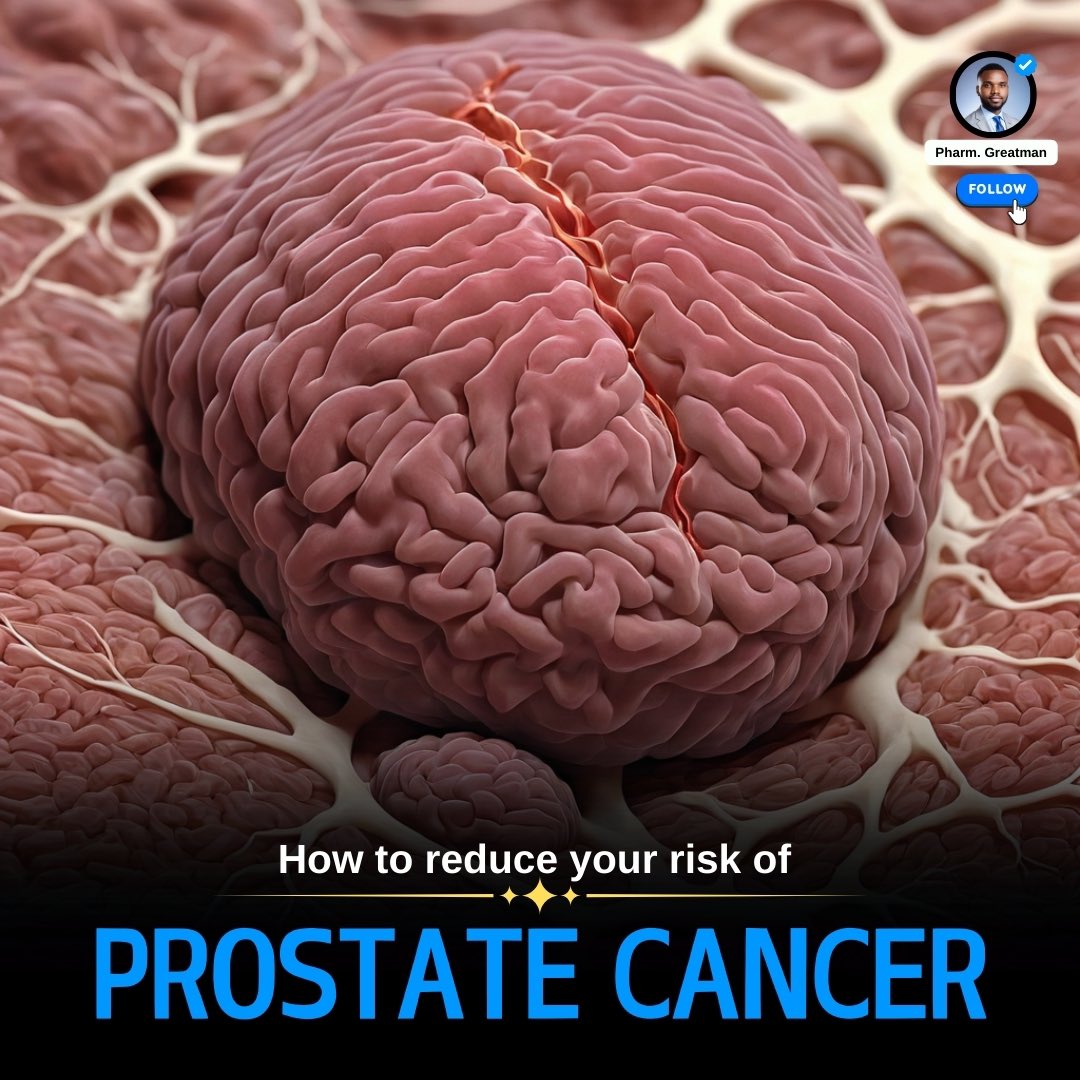
Dietary choices play a critical role in mitigating prostate cancer risks, with specific whole foods containing bioactive compounds like lycopene, sulforaphane, and catechins that target cellular health, inflammation, and hormonal balance.
Understanding Prostate Cancer and Dietary Prevention
Prostate cancer is one of the most commonly diagnosed malignancies among men worldwide. While age, family history, and genetics are unchangeable risk factors, lifestyle choices—particularly nutrition—exert a powerful influence on the initiation, promotion, and progression of the disease. Medical oncology and nutritional epidemiology increasingly emphasize that a diet rich in specific whole foods can modulate systemic inflammation, balance hormone levels, and reduce oxidative stress within prostate tissues.
Oxidative stress damages cellular DNA, lipids, and proteins, potentially driving mutations that lead to uncontrolled cell proliferation. Dietary antioxidants neutralize reactive oxygen species, protecting genomic integrity. Furthermore, certain micronutrients regulate apoptosis (programmed cell death) in aberrant cells and inhibit angiogenesis, the process by which tumors form new blood vessels to sustain their growth. Integrating 15 powerhouse foods into a daily dietary pattern offers a proactive, evidence-based approach to supporting long-term prostate health.
Note: Dietary interventions complement, but do not replace, standard medical screenings such as Prostate-Specific Antigen (PSA) blood tests and digital rectal examinations recommended by urologists and oncologists.
1. Tomatoes and Cooked Tomato Products
Tomatoes are globally renowned for their high concentration of lycopene, a potent carotenoid pigment responsible for their red color. Lycopene accumulates in prostate tissue, where it exerts significant antioxidant and anti-inflammatory properties.
Unlike many vitamins that degrade during cooking, the bioavailability of lycopene actually increases when tomatoes are cooked, processed, or paired with a healthy fat such as olive oil. Thermal processing breaks down rigid plant cell walls, allowing the human digestive system to absorb lycopene far more efficiently than from raw fruit. Paste, sauce, and stewed tomatoes represent superior dietary sources for prostate protection.
2. Cruciferous Vegetables: Broccoli and Broccoli Sprouts
Broccoli, cauliflower, brussels sprouts, and kale belong to the cruciferous vegetable family, which is uniquely rich in glucosinolates. When these vegetables are chopped, chewed, or digested, an enzyme called myrosinase converts glucosinolates into biologically active compounds, most notably sulforaphane.
Sulforaphane has been extensively studied for its ability to induce phase II detoxification enzymes, clear potential carcinogens, and inhibit histone deacetylase (HDAC) enzymes associated with cancer cell proliferation. Broccoli sprouts are particularly potent, containing up to 50 times the concentration of sulforaphane precursors found in mature broccoli heads.
3. Fatty Fish: Salmon, Sardines, and Mackerel
Marine sources of omega-3 fatty acids—specifically eicosapentaenoic acid (EPA) and docosahexaenoic acid (DHA)—exert powerful anti-inflammatory effects that counteract the chronic, low-grade inflammation often linked to prostate carcinogenesis.
Dietary omega-3s compete with pro-inflammatory omega-6 fatty acids in cell membranes, reducing the production of inflammatory eicosanoids and cytokines. Incorporating cold-water fatty fish such as wild-caught salmon, sardines, and mackerel into meals two to three times per week supports metabolic health and cellular signaling pathways favorable to the prostate.
4. Green Tea
Green tea has been consumed for millennia, but modern nutritional science has illuminated its cellular-level protective mechanisms. The beverage is rich in polyphenols known as catechins, with epigallocatechin gallate (EGCG) being the most abundant and biologically active.
EGCG acts as a scavenger of free radicals and has been shown in laboratory studies to modulate androgen receptor signaling, induce apoptosis in human prostate cancer cell lines, and suppress tumor invasion. Consuming brewed green tea regularly provides a steady stream of these protective catechins without the additives found in commercial bottled varieties.
5. Pomegranates and Pomegranate Juice
Pomegranates contain an exceptionally complex profile of antioxidants, including punicalagins, anthocyanins, and hydrolyzable tannins. Pomegranate juice has gained significant attention in urological research for its potential to slow the doubling time of PSA levels in men treated for localized prostate cancer.
The bioactive compounds in pomegranates inhibit the proliferation of cancer cells and promote apoptosis. When selecting pomegranate products, opting for 100% pure juice with no added sugars ensures maximum phytochemical density without metabolic drawbacks.
6. Berries: Strawberries, Blueberries, and Blackberries
Berries are nutritional powerhouses packed with anthocyanins, ellagic acid, and vitamin C. These micronutrients protect cells from oxidative DNA damage and support immune function.
Blackberries and raspberries contain high levels of ellagitannins, which gut bacteria convert into urolithins—compounds demonstrated to possess anti-inflammatory and anti-proliferative activities in prostate tissue. Their low glycemic index also makes berries an ideal fruit choice for metabolic regulation, which indirectly influences hormonal balance.
7. Walnuts
Among tree nuts, walnuts stand out due to their exceptional nutritional composition, featuring high levels of alpha-linolenic acid (ALA), a plant-based omega-3 fatty acid, alongside gamma-tocopherol (a unique form of vitamin E) and polyphenols.
Clinical and animal studies suggest that walnut consumption can slow the growth rate of prostate tumors and alter gene expression related to cancer cell survival and energy metabolism. A daily handful of walnuts provides a convenient, nutrient-dense snack that supports cardiovascular and prostate health simultaneously.
8. Pumpkin Seeds (Pepitas)
Pumpkin seeds are one of the richest natural plant sources of zinc, a trace mineral concentrated in the human prostate gland at levels significantly higher than in any other soft tissue. Zinc plays a vital role in maintaining normal prostate cellular function and suppressing abnormal cell growth.
In addition to zinc, pumpkin seeds contain phytosterols and carotenoids that help reduce inflammation and support urinary tract function, mitigating symptoms associated with benign prostatic hyperplasia (BPH) and reducing long-term cellular risks.
9. Legumes: Lentils, Beans, and Chickpeas
Legumes are staple foods in plant-forward diets, offering a rich supply of dietary fiber, complex carbohydrates, and phytoestrogens known as isoflavones. While often associated with soy, lentils and dried beans also contribute valuable minerals and bioactive compounds.
Soluble fiber from legumes binds to bile acids in the gut, promoting cholesterol excretion and supporting healthy systemic hormone metabolism. Regular legume consumption helps stabilize blood glucose and insulin levels, avoiding the insulin spikes that promote chronic inflammatory states.
10. Soy Foods: Edamame, Tofu, and Tempeh
Traditional soy foods such as edamame, tofu, and tempeh are rich in isoflavones, specifically genistein and daidzein. Epidemiological data historically highlighted the lower incidence of clinical prostate cancer in Asian populations consuming traditional high-soy diets compared to Western populations.
Isoflavones act as weak phytoestrogens that can bind to estrogen receptors, modulating hormone activity and inhibiting the enzymes involved in testosterone metabolism within the prostate. Incorporating whole, minimally processed soy foods provides safe, beneficial exposure to these compounds.
11. Turmeric (Curcumin)
Turmeric, the bright yellow spice derived from the Curcuma longa plant, owes its therapeutic properties to curcumin, its primary active curcuminoid. Curcumin is a pleiotropic molecule capable of interacting with multiple molecular targets involved in inflammation, cell cycle regulation, and apoptosis.
Because curcumin has relatively low oral bioavailability on its own, pairing turmeric with black pepper (which contains piperine) increases absorption by up to 2,000%. Adding turmeric to soups, roasted vegetables, and grain dishes offers a flavorful way to harness its anti-cancer potential.
12. Garlic and Allium Vegetables
Garlic, onions, leeks, and shallots belong to the Allium genus and are characterized by distinctive organosulfur compounds, such as allicin, diallyl disulfide, and S-allylcysteine.
When allium vegetables are crushed or chopped, allicin is formed, contributing to their pungent aroma and protective biological activity. Organosulfur compounds help detoxify potential carcinogens, inhibit tumor cell proliferation, and boost immune surveillance against abnormal cellular changes.
13. Citrus Fruits: Oranges, Grapefruits, and Lemons
Citrus fruits deliver an abundant supply of vitamin C, hesperidin, and naringenin—flavonoids known for their robust antioxidant and anti-inflammatory properties.
Vitamin C acts as a primary water-soluble antioxidant in the body, protecting cellular components from free radical damage. Citrus flavonoids also support microvascular health and help modulate inflammatory signaling cascades that contribute to tissue degradation.
14. Extra Virgin Olive Oil
Extra virgin olive oil (EVOO) is a cornerstone of the Mediterranean diet, valued for its monounsaturated fatty acids (primarily oleic acid) and potent phenolic compounds such as oleocanthal and hydroxytyrosol.
Oleocanthal exhibits anti-inflammatory activity comparable to over-the-counter non-steroidal anti-inflammatory drugs (NSAIDs) without the associated gastrointestinal side effects. Incorporating EVOO as a primary cooking and dressing fat reduces systemic inflammation and supports metabolic homeostasis.
15. Brazil Nuts
Brazil nuts are the single richest dietary source of selenium, an essential trace mineral that acts as a cofactor for antioxidant enzymes like glutathione peroxidase, which protect cells from oxidative damage.
Selenium plays a critical role in DNA synthesis and immune defense. Because soil selenium content varies widely by geographic region, consuming just one to two Brazil nuts per day provides an optimal, food-based dose of selenium without the risks associated with high-dose synthetic supplements.
Nutritional Comparison of Key Prostate-Protective Foods
| Food Item | Primary Active Compound | Primary Mechanism of Action | Recommended Intake |
|---|---|---|---|
| Cooked Tomatoes | Lycopene | Neutralizes free radicals; accumulates in prostate tissue | 1/2 cup cooked daily or several times a week |
| Broccoli Sprouts | Sulforaphane | Induces detoxification enzymes; inhibits HDAC | 1 ounce daily or a few times a week |
| Fatty Fish | EPA and DHA Omega-3s | Suppresses systemic and local tissue inflammation | 2 to 3 servings per week (approx. 4–6 oz each) |
| Green Tea | EGCG Catechins | Induces apoptosis; modulates androgen receptors | 2 to 3 cups freshly brewed daily |
| Pomegranate Juice | Punicalagins | Slows PSA doubling time; inhibits tumor cell growth | 4 to 8 ounces of 100% pure juice daily |
| Brazil Nuts | Selenium | Cofactor for antioxidant enzymes protecting DNA | 1 to 2 nuts daily |
Frequently Asked Questions
Can diet alone cure existing prostate cancer?
Dietary modifications cannot cure established prostate cancer on their own. While whole foods rich in antioxidants and anti-inflammatory compounds play a powerful role in reducing risk, slowing disease progression, and supporting overall health, they must be used in conjunction with evidence-based medical treatments prescribed by qualified oncologists and urologists.
Are dietary supplements as effective as whole foods for prostate health?
Clinical trials investigating isolated nutrient supplements (such as high-dose Vitamin E or single-agent selenium) have often failed to show the same protective benefits observed with whole-food diets. Whole foods provide synergistic combinations of vitamins, minerals, fiber, and phytochemicals that interact in complex ways that isolated supplements cannot replicate.
How does lycopene in tomatoes become more bioavailable through cooking?
Cooking breaks down the rigid cellular walls of raw plant tissue and alters the chemical structure of lycopene from a trans-isomer to a cis-isomer, which is much easier for the human small intestine to absorb into the bloodstream and transport to prostate tissue.
Is soy consumption safe for men concerned about prostate cancer?
Modern scientific consensus confirms that moderate consumption of traditional, whole soy foods (such as tofu, tempeh, and edamame) is safe and potentially beneficial for men. The phytoestrogens in soy do not negatively impact male testosterone levels and may actually help modulate hormone-driven cancer pathways.
How many Brazil nuts should I eat to get enough selenium?
Consuming just one or two Brazil nuts daily is sufficient to meet or exceed the recommended dietary allowance for selenium. Because Brazil nuts are exceptionally dense in this mineral, consuming excessive quantities daily should be avoided to prevent selenium toxicity.
Practical Next Steps for Dietary Implementation
Transitioning toward a prostate-protective dietary pattern does not require radical restriction, but rather consistent, sustainable additions to your daily routine. Begin by auditing your weekly meals to ensure that at least half of your plate consists of colorful vegetables, berries, and high-fiber plant foods. Replace refined cooking oils with extra virgin olive oil, swap sugary beverages for freshly brewed green tea or water infused with citrus, and incorporate fatty fish twice a week. Consulting a registered dietitian or clinical nutritionist can help tailor these recommendations to your specific metabolic health markers and medical history.