Evaluating defensive greatness in the National Basketball Association requires moving past basic box scores into advanced spatial metrics, scheme versatility, and historic impact. As basketball enters 2026, the game has evolved through pace-and-space eras, positionless switching, and sophisticated offensive tracking data. To determine the absolute best defenders in NBA history, we must analyze how elite rim protectors, lockdown perimeter stoppers, and versatile defensive anchors transformed the game across different generations.
Decoding Defensive Excellence Through Advanced Metrics and Era Adjustments
Comparing a center from the 1960s to a modern perimeter switch-defender requires a multi-faceted analytical framework. Traditional statistics like steals, blocks, and rebounds tell only a fraction of the story. Modern basketball analytics look deeper into Defensive Rating (DRtg), Defensive Win Shares (DWS), Defensive Box Plus/Minus (DBPM), and tracking data such as opponent field goal percentage at the rim and contested shots.
However, numbers alone cannot capture defensive intimidation. The psychological impact of a premier rim protector altering an opponent's driving angles changes an entire offensive scheme. Historical context matters immensely; hand-checking rules, illegal defense guidelines, and three-point volume drastically shifted how defenders operated. The gold standard for historical defensive ranking relies on a combination of individual accolades—specifically Defensive Player of the Year (DPOY) awards and All-Defensive First Team selections—coupled with championship-level defensive anchoring.
The Mount Rushmore of Rim Protection: Anchors Who Defined Eras
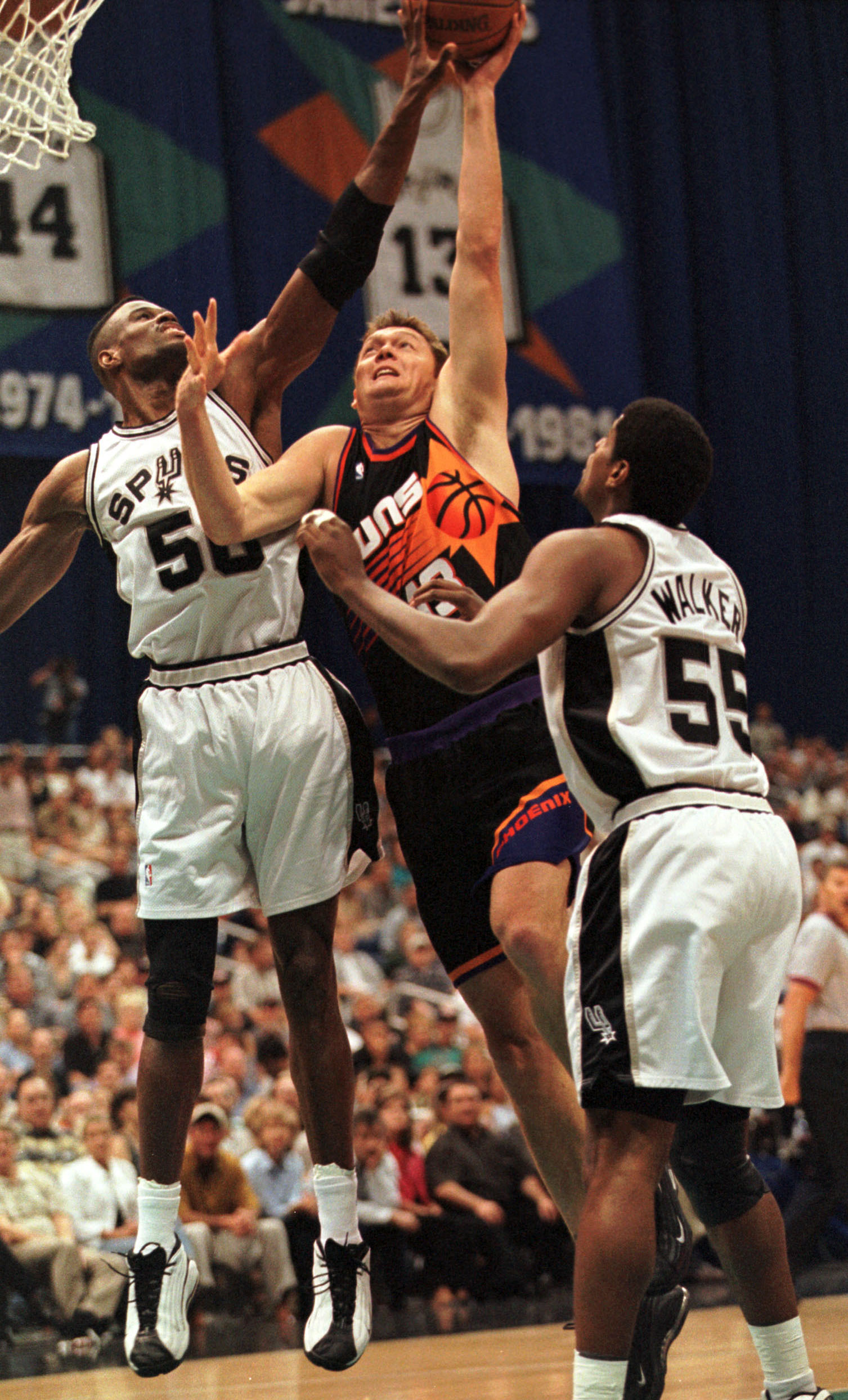
No historical defensive conversation can begin without acknowledging the towering figures who made the paint a no-fly zone. These players did not just contest shots; they completely broke opposing game plans.
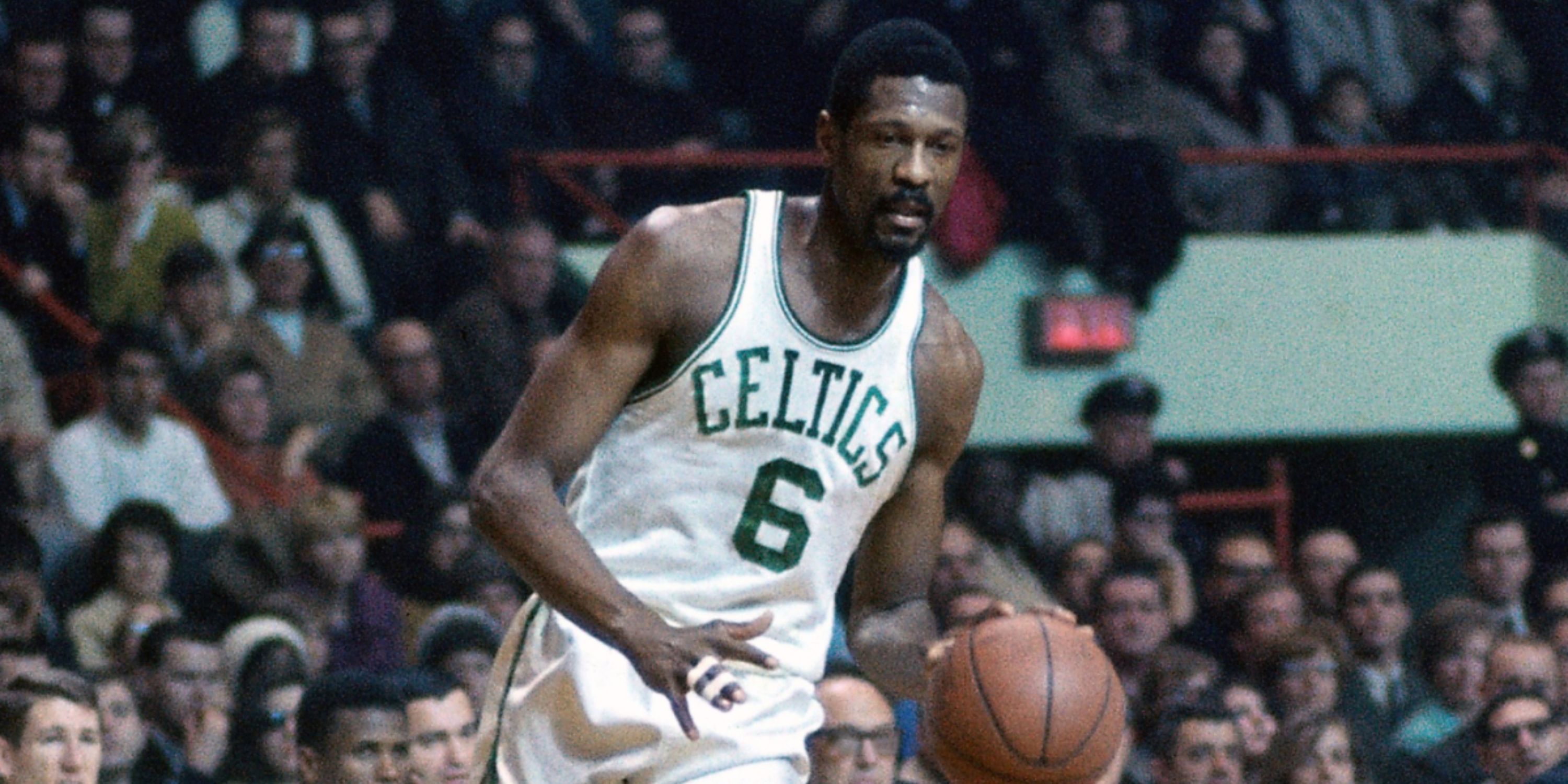
- Bill Russell: The undisputed pioneer of defensive impact. Though official blocks were not recorded during his era, Russell's ability to block shots to teammates for fast-break opportunities revolutionized transition defense. His 11 championships were built on an unmatched basketball IQ and vocal defensive quarterbacking.
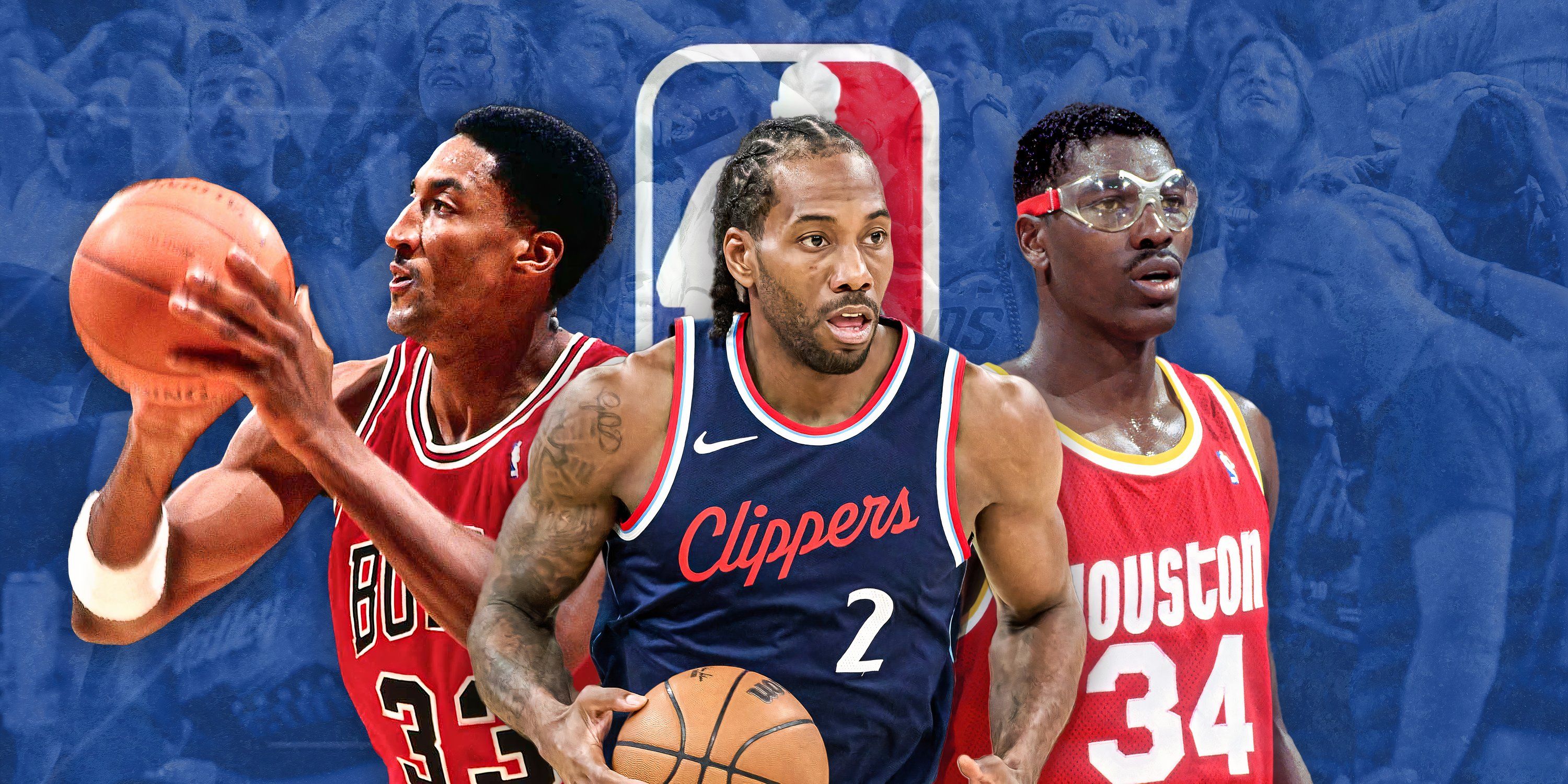
- Hakeem Olajuwon: The NBA's all-time leader in blocked shots (3,830). Olajuwon combined unprecedented footwork with lightning-fast hands, allowing him to block guards on the perimeter and dominate centers in the post. He remains the only player to win Defensive Player of the Year and league MVP in the same season multiple times.
- Dikembe Mutombo: A four-time DPOY winner, Mutombo was a traditional drop-coverage savant whose famous finger-wag signaled the total shutdown of interior penetration. His strength and verticality made him the ultimate defensive pillar for multiple franchises.
- Rudy Gobert: As a multi-time DPOY winner active into the mid-2020s, Gobert represents the peak of modern drop-coverage and vertical deterrence. His mere presence forces opposing offenses to completely abandon paint-scoring strategies, anchoring elite regular-season defenses year after year.
| Player | Defensive Player of the Year Awards | All-Defensive First Team Selections | Career Blocks Per Game | Primary Defensive Scheme |
|---|---|---|---|---|
| Bill Russell | 0 (Award created post-career) | 0 (Team created in final year) | 13.5 (Estimated RPG/Blocks) | Man-to-Man / Team Help |
| Hakeem Olajuwon | 2 | 5 | 3.1 | Post Defense / Active Help |
| Dikembe Mutombo | 4 | 3 | 2.8 | Drop Coverage / Rim Protection |
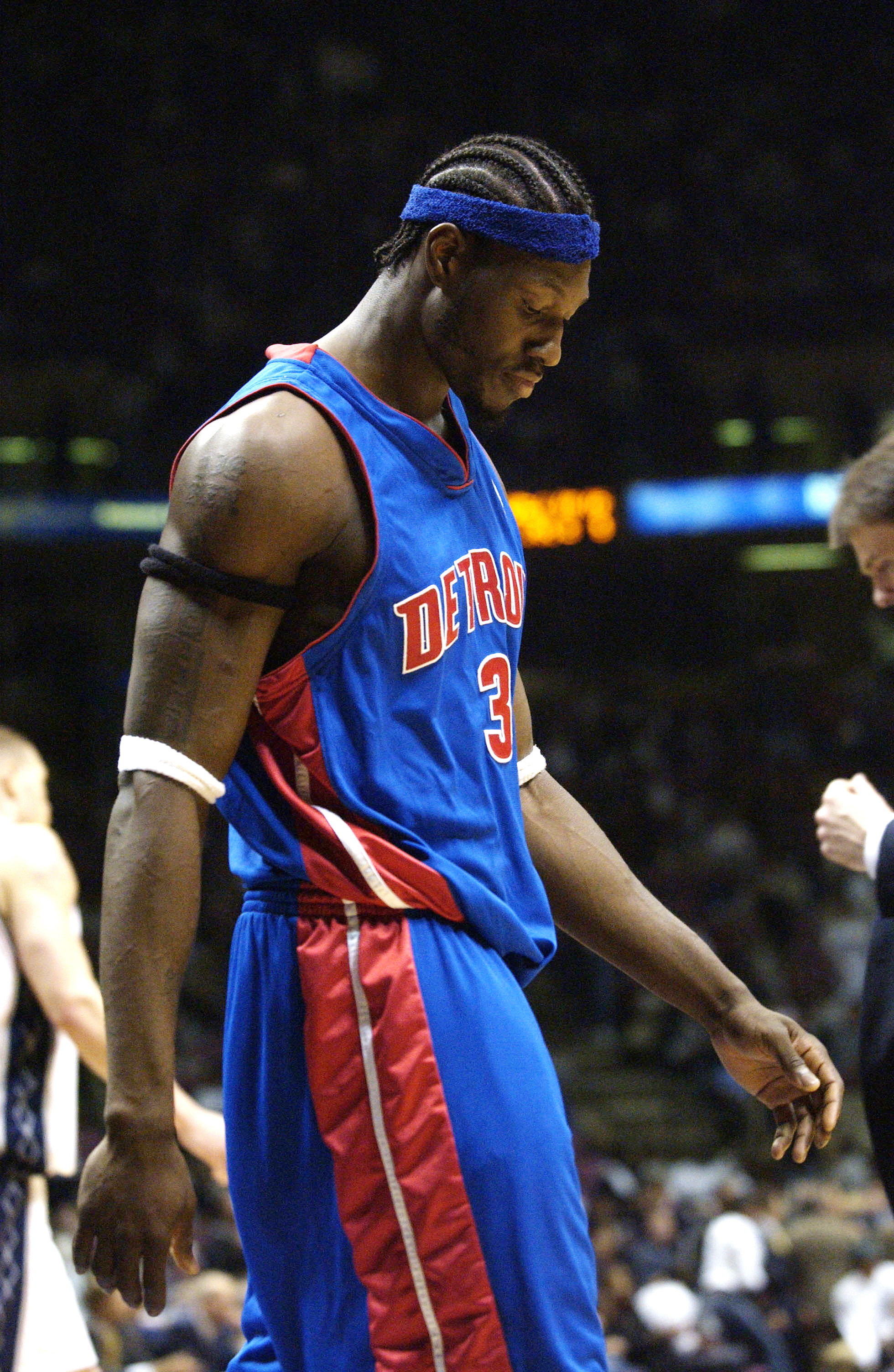
| Ben Wallace | 4 | 5 | 2.0 | Switch-Heavy / Physical Post |
| Rudy Gobert | 4 | 7 | 2.1 | Drop Coverage / Paint Deterrence |
Perimeter Stoppers and Wing Defenders Who Choked Out Superstars
While rim protectors guard the basket, elite perimeter defenders stop the play at its source. The rise of isolation scoring and high-pick-and-roll dominance made wing stoppers equally valuable.
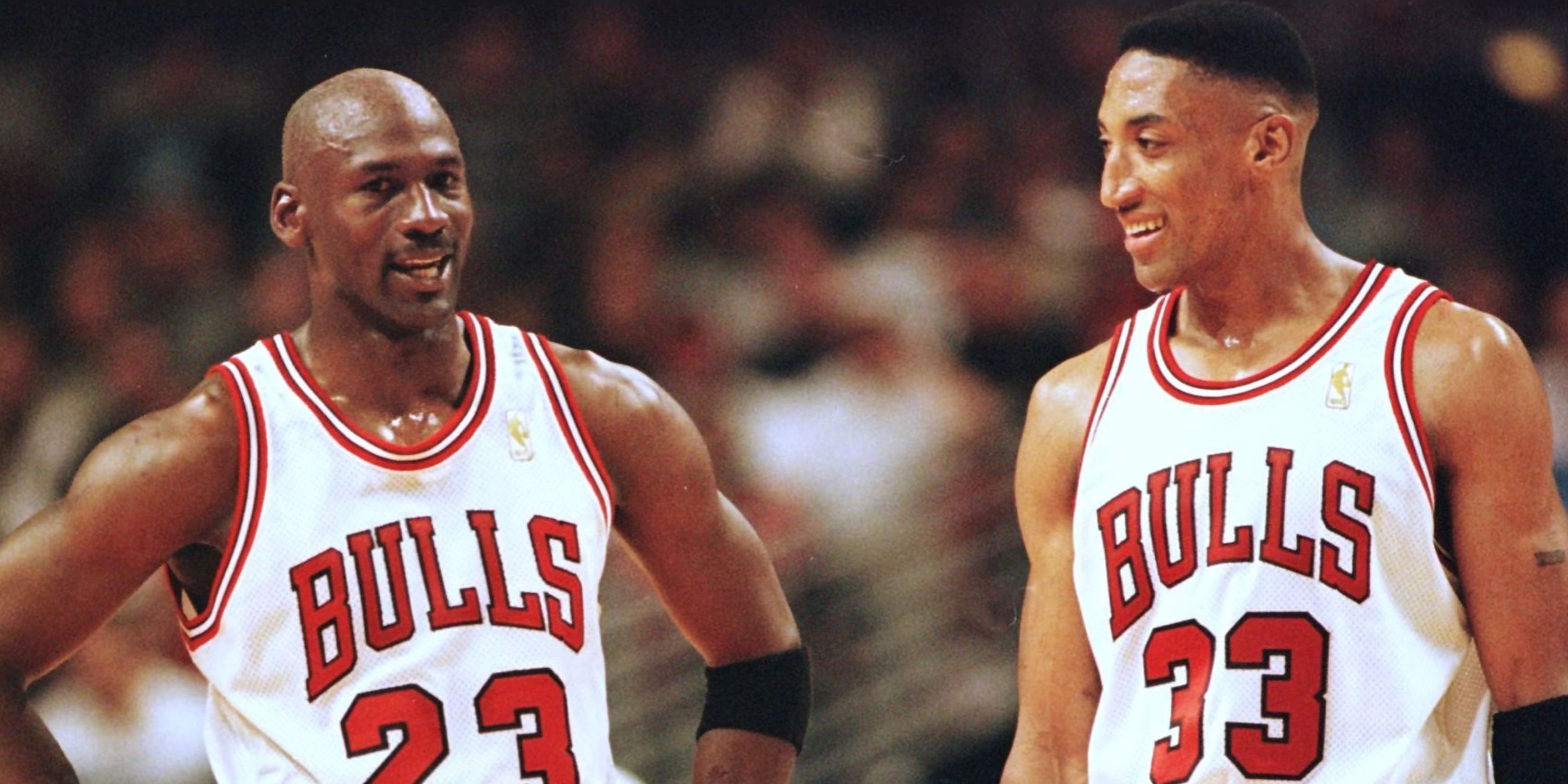
- Michael Jordan: Beyond his offensive accolades, Jordan was a ferocious on-ball defender who earned a DPOY award in 1988. His relentless pressure, quick hands, and anticipation led to countless transition opportunities and demoralized opposing point guards and shooting guards.
- Gary Payton: Nicknamed "The Glove," Payton is the only point guard in NBA history to win the Defensive Player of the Year award. His trash-talking, physical full-court pressure disrupted the opposing team's offensive initiation from the opening tip.
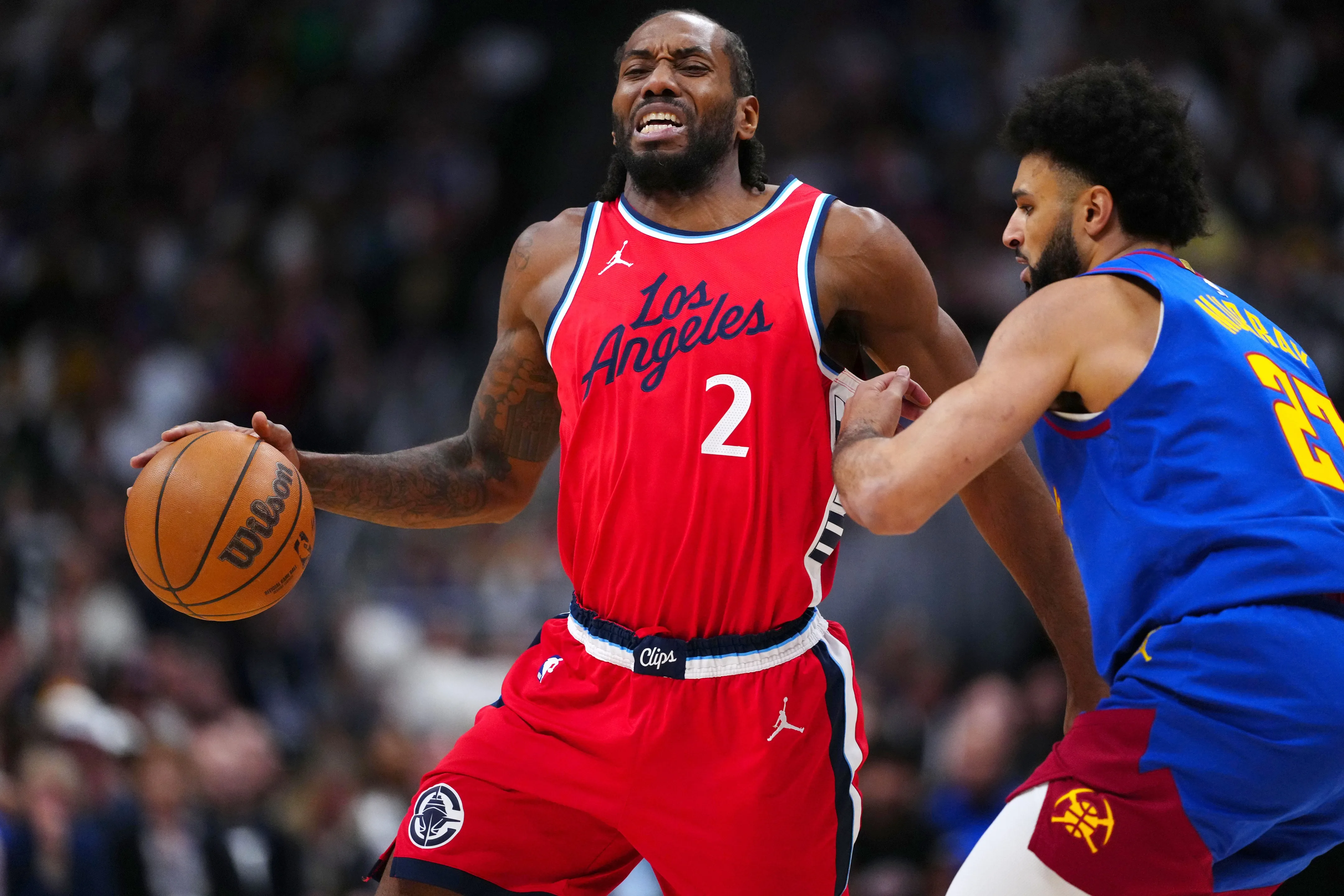
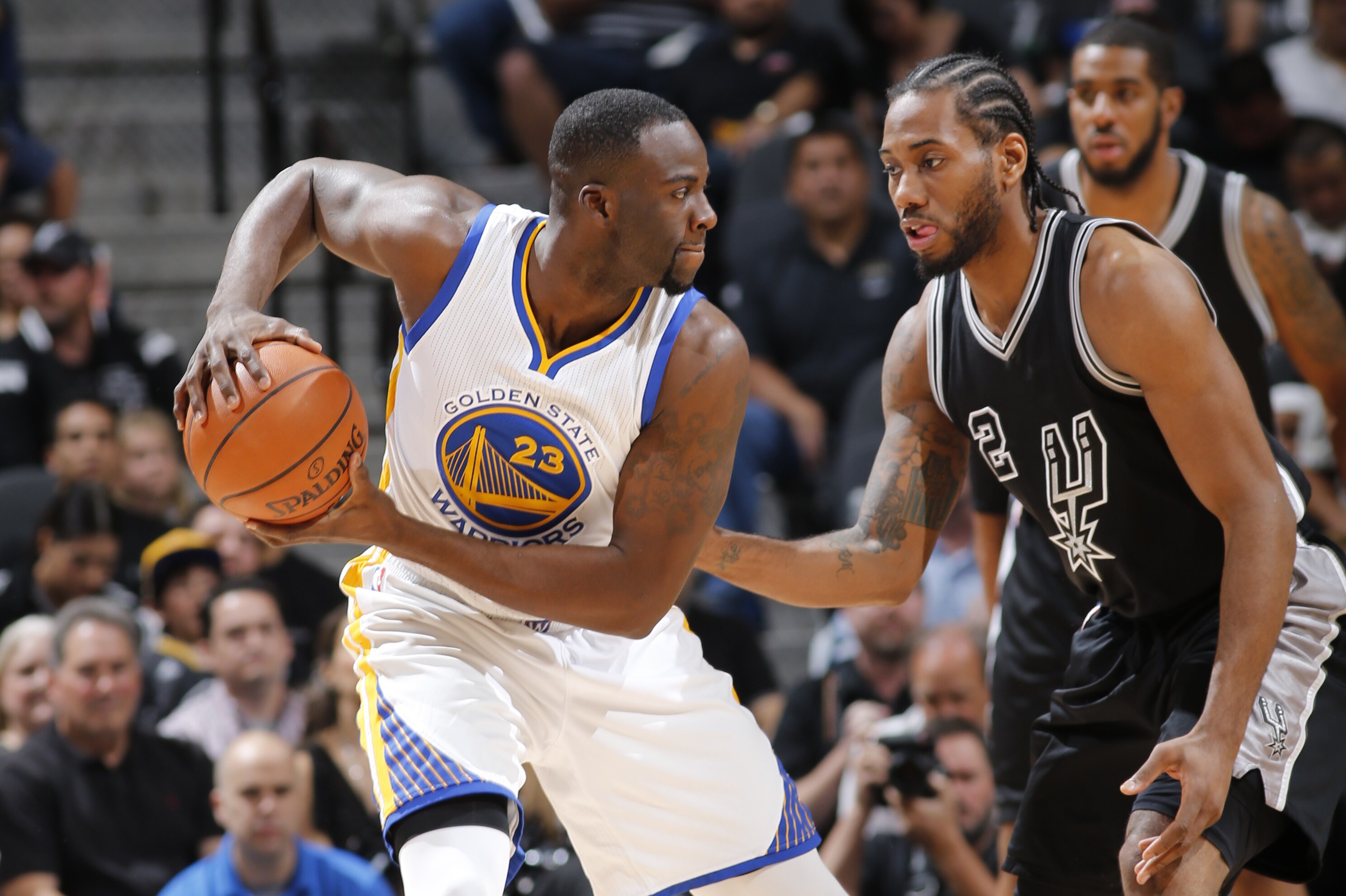
- Kawhi Leonard: A two-time DPOY winner, Leonard's massive wingspan and enormous hands allowed him to swallow up elite wings during the 2010s. His ability to strip ball-handlers from behind while navigating screens set the template for modern wing defense.
- Draymond Green: The ultimate defensive mastermind of the modern era. Green possesses zero elite physical measurements for a center, yet his unmatched spatial awareness, communication, and ability to guard positions one through five fueled the Golden State Warriors dynasty.
The Evolution of Defensive Schemes Early eras relied heavily on rigid man-to-man assignments and illegal defense rules that prohibited zone schemes. The removal of illegal defense guidelines in the late 1990s and the introduction of defensive three-second rules opened the door for complex hybrid zones, aggressive trapping, and modern switching defenses that define the game today.
Comparing Defensive Eras: Rule Changes and Impact
Evaluating players across decades requires understanding how rule enforcement changed the definition of a legal defensive play.
- The Physical Era (1980s–1990s): Characterized by heavy contact in the post, physical hand-checking on the perimeter, and referees allowing defenders to lean on cutters. Rim protectors could physically punish drivers without drawing automatic flagrant fouls.
- The Modern Era (2010s–2026): Defined by freedom-of-movement rules, elimination of illegal defense restrictions, and an emphasis on perimeter shooting. Defenders must master lateral quickness, recovery speed, and verticality rules to avoid fouling three-point shooters.
Frequently Asked Questions About NBA Defensive History
Who has won the most Defensive Player of the Year awards in NBA history?
Dikembe Mutombo and Ben Wallace share the all-time record with four Defensive Player of the Year awards each, a benchmark later tied by Rudy Gobert. Both players built their legacies on historic shot-blocking, rebounding, and anchoring disciplined defensive systems.
Was Michael Jordan an elite defender?
Yes, Michael Jordan won the NBA Defensive Player of the Year award in 1988 and earned nine NBA All-Defensive First Team selections. His combination of on-ball ball-pressure and off-ball anticipation made him one of the greatest perimeter defenders ever.
Why is Draymond Green considered a historical defender despite his size?
Draymond Green compensates for a lack of traditional center height with elite basketball IQ, rapid processing speed, and exceptional lateral mobility. His ability to quarterback a defense and switch onto elite guards makes him a generational defensive engine.
How do advanced metrics measure historical defense?
Advanced metrics like Defensive Rating, Defensive Win Shares, and Defensive Box Plus/Minus estimate a player's individual contribution to preventing opponent scoring while adjusting for team context and era-specific pace.
Did Bill Russell play in an era with official blocked shot statistics?
No, the NBA did not officially record blocked shots or steals until the 1973-74 season, which occurred after Bill Russell retired. Historical film studies and estimates suggest he averaged astronomical block numbers that would comfortably lead all-time lists.
Securing Your Understanding of Defensive Legacy
Analyzing the best defenders in NBA history reveals that defensive greatness transcends mere statistics. It requires a rare blend of anticipation, physical conditioning, communication, and unselfish intensity. Whether evaluating the towering dominance of Hakeem Olajuwon, the perimeter cage-match style of Gary Payton, or the modern orchestration of Draymond Green, understanding defensive impact provides a complete appreciation of basketball history. True mastery of the game requires recognizing that championships are won on the defensive end.