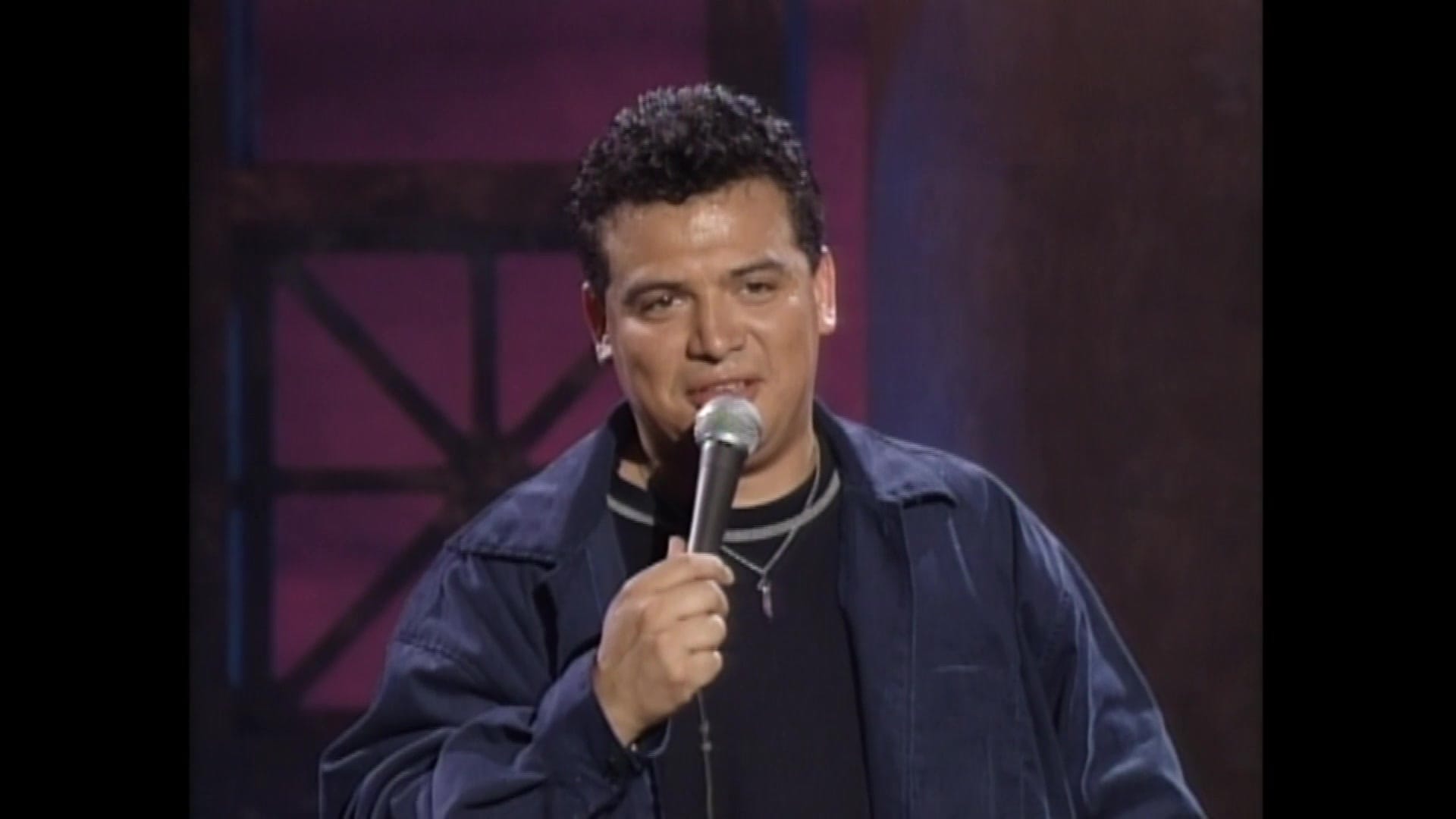
Carlos Mencia was once one of the most prominent and ubiquitous figures in American stand-up comedy, best known for anchoring Comedy Central’s hit sketch series Mind of Mencia. During the mid-2000s, his aggressive style, socio-political commentary, and signature catchphrases drove massive television ratings and sold-out arena tours. However, a severe public backlash regarding allegations of joke theft permanently altered the trajectory of his career, shifting him from mainstream superstardom to the independent comedy club circuit.
Understanding what happened to Carlos Mencia requires a look at the intersection of early-2000s cable television, the rising tide of internet comedy sleuthing, and the enduring code of ethics within the stand-up community. By examining the roots of his career, the specific controversies that derailed it, and his ongoing work in the current comedy landscape, a complete picture emerges of a polarizing figure navigating the aftermath of industry-wide ostracization.
The Rise of Carlos Mencia and Mind of Mencia
Born Ned Holarte Arnelas in San Pedro Sula, Honduras, and raised in Los Angeles, Carlos Mencia developed an interest in comedy while studying electrical engineering at California State University, Los Angeles. Adopting the stage name Carlos Mencia to appeal more easily to comedy club bookers, he steadily built a reputation on the Los Angeles stand-up circuit during the late 1980s and 1990s. His material frequently touched on race, culture, politics, and the immigrant experience, delivered with an intense, confrontational stage presence that resonated with audiences seeking edgy, unfiltered humor.
His major breakthrough arrived in 2005 with the premiere of Mind of Mencia on Comedy Central. The sketch comedy series combined field segments, guest stars, and traditional stand-up bits, instantly tapping into the cultural zeitgeist. At its peak, the show drew millions of viewers, ranking as one of the network's highest-rated programs behind Chappelle's Show.
Mencia parlayed this television success into lucrative stand-up tours, multiple Comedy Central specials, and acting roles in feature films such as The Heartbreak Kid (2007). He positioned himself as a populist comedian willing to speak uncomfortable truths, a branding strategy that generated immense popularity while simultaneously alienating critics and peers who viewed his comedic style as derivative or offensive.
The Joke Theft Controversy and Industry Backlash
As Mencia's visibility reached its zenith, discontent within the professional comedy community began to surface. Comedians had long whispered about similarities between Mencia's routines and established material from other performers. The tipping point arrived through a combination of grassroots industry whistleblowing and the dawn of viral video culture on platforms like YouTube.
The accusations centered primarily on allegations of joke theft—the cardinal sin of the stand-up profession. Critics, audience members, and fellow comics alleged that Mencia had appropriated material from numerous comedians, including George Lopez, Ari Shaffir, Bobby Lee, and most notably, Joe Rogan.
The Joe Rogan Confrontation
The conflict reached a public climax in February 2007 at The Comedy Store in West Hollywood. Joe Rogan, a fellow comedian and television host, took the stage while Mencia was present and launched into a blistering verbal assault, accusing Mencia of stealing jokes from multiple performers and presenting them as his own. Rogan compiled video evidence, blog posts, and audio clips to support his claims, which quickly circulated across the nascent internet.
| Accusation Aspect | Details & Allegations |
|---|---|
| Core Allegation | Appropriation of jokes without credit |
| Prominent Accusers | Joe Rogan, Bobby Lee, Ari Shaffir |
| Public Catalysts | Viral YouTube videos, Comedy Store event |
| Industry Impact | Loss of network support, peer boycott |
The confrontation severely damaged Mencia's reputation. While Mencia consistently denied the allegations—arguing that parallel thinking occurs frequently in comedy and that jokes evolve organically—the narrative took hold in the public consciousness. Comedy Central canceled Mind of Mencia in 2008 after four seasons. The controversy transformed Mencia from a mainstream network star into a cautionary tale regarding intellectual property and ethics in stand-up comedy.
Career Rebuilding and Transition to the Independent Circuit
Following the cancellation of his television show and the widespread dissemination of the controversy, Mencia experienced a prolonged period of professional exile from major networks and high-profile bookings. Major venues grew hesitant to book him, fearing backlash from audiences and peers alike.
Rather than abandoning comedy entirely, Mencia adopted a grueling road schedule, returning to the grassroots level of the art form. He began performing in independent clubs across the United States, slowly rebuilding his brand one audience at a time. This period forced him to refine his stage persona, often addressing the elephant in the room—his past controversies—directly in his act to disarm skeptics.
In interviews during the 2010s and 2020s, Mencia reflected openly on the toll the controversy took on his mental health, family, and finances. He described the period as a humbling crucible that stripped away the trappings of television fame and compelled him to reconnect with the pure mechanics of writing and performing stand-up comedy. Over time, independent club operators noted that despite the lingering stigma online, live audiences at his shows remained largely receptive, drawn to his enduring stage craftsmanship.
Current Projects and Contemporary Status
In recent years, Carlos Mencia has maintained a steady, if understated, presence in the entertainment industry. Operating largely outside the studio system, he focuses on touring, podcasting, and independent digital media ventures.
Stand-Up Touring and Digital Self-Release
Mencia continues to tour extensively across the United States, performing weekend headlining sets at comedy clubs and theaters. Eschewing traditional network specials, he has utilized digital platforms and independent distribution models to release new material directly to his fanbase. His modern stand-up routines frequently explore aging, cultural shifts, family life, and his reflections on navigating cancel culture long before the term became a dominant fixture of modern media discourse.
Podcasting and Interviews
Like many veteran comedians, Mencia embraced podcasting as a medium for long-form conversation and rehabilitation of his public image. He has appeared as a guest on various podcasts, engaging in candid discussions about his past conflicts, the mechanics of joke writing, and the shifting landscape of free speech in comedy. These appearances have allowed a new segment of comedy fans to evaluate him outside the narrow lens of the 2007 controversy.
Frequently Asked Questions
Did Carlos Mencia ever admit to stealing jokes?
No, Carlos Mencia has consistently denied intentional joke theft throughout his career. While acknowledging that similarities can occur in comedy due to parallel thinking or shared cultural experiences, he has maintained that he did not knowingly appropriate other comedians' material.
Why was Mind of Mencia canceled?
Comedy Central canceled Mind of Mencia in 2008 following a sharp decline in ratings during its fourth season, compounded by mounting negative publicity surrounding the ongoing plagiarism allegations and friction within the comedy community.
Is Carlos Mencia still performing stand-up comedy?
Yes, Carlos Mencia continues to tour regularly as a stand-up comedian, performing headlining sets at independent comedy clubs and theaters across the United States.
How did the controversy affect his relationship with other comedians?
The controversy resulted in a significant rift between Mencia and many peers in the stand-up community, leading to professional ostracization from prominent clubs and industry events for a number of years, though some relationships have thawed over time.
Where can I watch his current material?
Mencia's current material can be experienced primarily through his live stand-up tour dates, independent digital releases, and guest appearances on various comedy podcasts and streaming channels.
Conclusion and Next Steps
The trajectory of Carlos Mencia serves as a complex case study in the modern entertainment industry, illustrating how rapidly public perception can shift based on professional ethics and peer accountability. While the shadow of the mid-2000s controversy remains a defining chapter of his biography, his persistence on the independent touring circuit demonstrates the enduring viability of live performance for seasoned comics. For comedy enthusiasts interested in exploring his current work, checking his official tour schedule for live club appearances remains the most direct way to observe his contemporary comedic style.