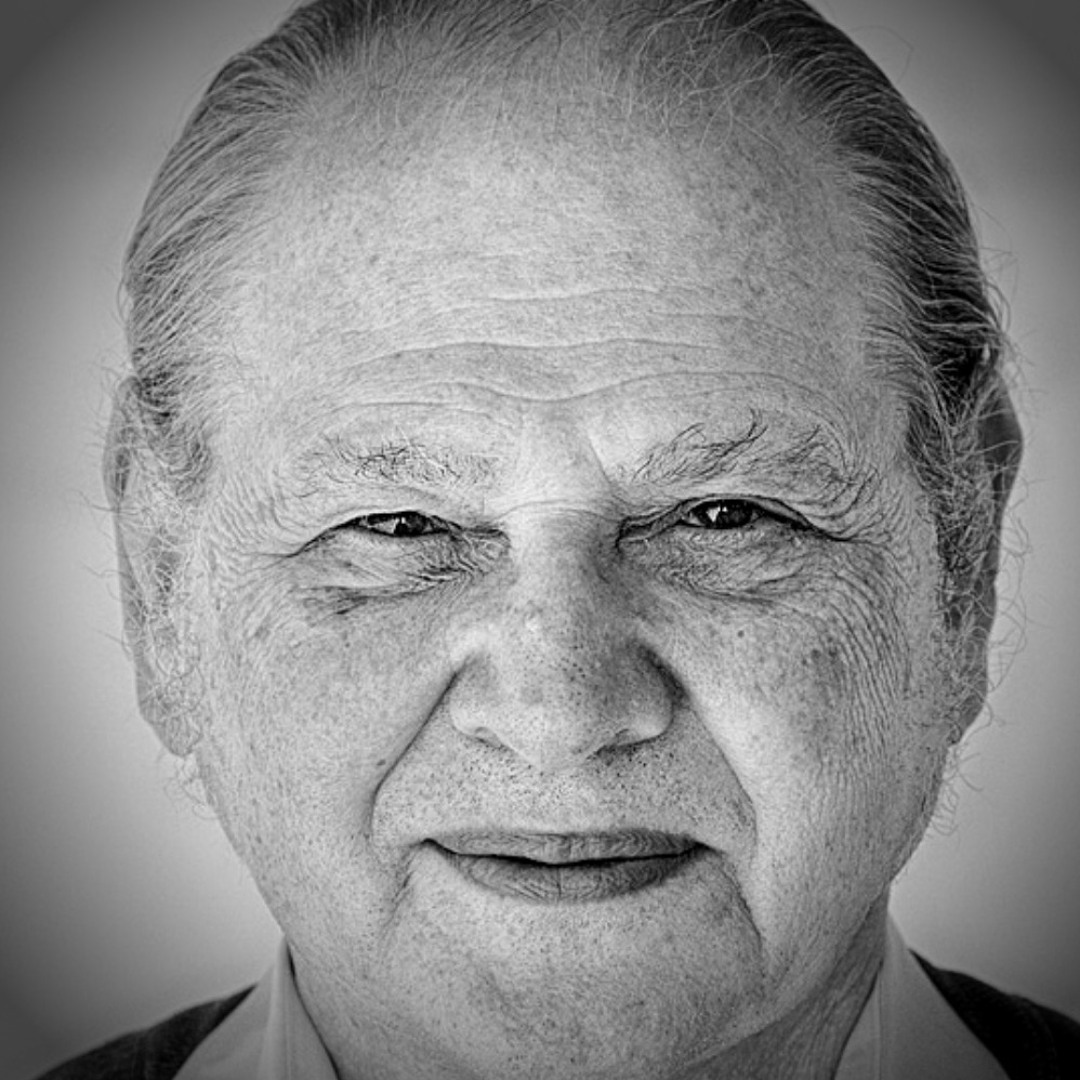
Ronald Wayne is widely recognized as the "forgotten" third co-founder of Apple, playing a pivotal role during the company's precarious inception in 1976. Unlike Steve Jobs and Steve Wozniak, whose paths remained inextricably linked to the tech giant's multi-trillion-dollar ascent, Wayne’s involvement was brief, driven by a desire for risk mitigation. His exit, characterized by the sale of his 10% equity stake for $800, represents one of the most famous missed opportunities in corporate history, though his net worth today reflects a life of cautious financial management rather than tech-billionaire status.
The Origins of Apple Computer Company
In 1976, the personal computer industry was in its infancy. Steve Jobs and Steve Wozniak, both brilliant but young and relatively inexperienced in the formal structures of business, sought a mentor and a steady hand to help formalize their partnership. Ronald Wayne, who was working with Jobs at Atari at the time, was 41 years old—significantly older than his co-founders.
Wayne’s specific role in the early days was that of an adult supervisor and administrative architect. He provided the organizational scaffolding necessary to transition from a garage project to a legal business entity. He was responsible for writing the original partnership agreement, drafting the logo, and assembling the first manual for the Apple I. His technical contributions were secondary to his legal and documentation work, which provided the legitimacy required to secure early interest and operations.
The 1976 Partnership Agreement and Equity Split
The initial structure of Apple Computer was established as a partnership, not the corporation that exists today. The ownership was divided as follows:
- Steve Jobs: 45%
- Steve Wozniak: 45%
- Ronald Wayne: 10%
Wayne was intended to act as a tie-breaker in the event of deadlocks between Jobs and Wozniak. However, his tenure was remarkably short. Just twelve days after the company was officially registered on April 1, 1976, Wayne withdrew from the partnership.
His decision was rooted in financial pragmatism and risk aversion. Wayne had previously experienced a failed business venture and feared that if the partnership failed, he would be personally liable for its debts. Because he had more personal assets than the two younger Steves, he felt he had the most to lose. He sold his 10% share back to Jobs and Wozniak for $800, an amount that was supplemented by a small subsequent payment of $1,500 to finalize his exit.
Comparative Value: Then vs. Now
The financial implications of Wayne’s departure have become a staple of business folklore. By selling his 10% stake in 1976, Wayne forfeited an asset that would be valued at hundreds of billions of dollars in 2026. However, it is essential to contextualize this "loss."
At the time, the $800 was not seen as a pittance; it was a fair market value for a volatile, high-risk startup that had yet to sell a significant number of units. The following table provides a perspective on the changing landscape of Apple's valuation and the stake Wayne held.
| Timeframe | Context | Value of 10% Stake |
|---|---|---|
| April 1976 | Purchase Price | $800 |
| Early 1980s | Post-IPO Valuation | Millions (estimated) |
| 2010s | Mid-Market Expansion | Tens of Billions |
| 2026 | Modern Market Cap | Hundreds of Billions |
The figures in the table are illustrative of the massive growth trajectory of the entity. It is important to note that even had Wayne held his stock, it would have been heavily diluted during subsequent venture capital funding rounds, the initial public offering (IPO) in 1980, and various stock splits over the decades. He would not own 10% of the company in 2026, though the current value of even a fraction of a percent would still be substantial.
Ronald Wayne’s Net Worth in 2026
Estimating Ronald Wayne’s net worth requires separating the myth of the "lost billionaire" from his actual financial reality. As of 2026, Wayne is not a billionaire. His financial situation is that of a private individual who has lived a relatively modest life, characterized by a series of career moves following his departure from Apple.
He remained in the tech industry for a time, working for various companies, and eventually pursued interests in philately (stamp collecting) and the sale of rare coins. His net worth is estimated to be in the low seven-figure range—an amount that, while respectable by general standards, is a far cry from the wealth of his former partners.
Wayne has frequently stated in interviews that he has no regrets regarding his departure. He maintains that he made the best decision possible given the information available to him in 1976. He chose stability and the avoidance of personal debt over the high-risk, high-reward path of a startup founder. For Wayne, the pursuit of his own interests and the preservation of his personal peace of mind took precedence over the potential financial windfall of a company that, at the time, was far from guaranteed to succeed.
The Role of Risk in Entrepreneurship
The story of Ronald Wayne serves as a case study in risk management. In the venture capital and startup world, the "founder's risk" is a well-understood phenomenon. Most startups fail, and the burden of that failure can be catastrophic for those who have signed personal guarantees on business loans.
Risk Tolerance vs. Potential Reward
Wayne’s perspective emphasizes the difference between the entrepreneur’s mindset and the risk-averse professional’s mindset. Jobs and Wozniak were young, with little to lose, which allowed them to adopt a "zero-risk" approach to their personal finances while taking massive risks with their professional endeavors. Wayne, being older and having experienced failure, prioritized the protection of his assets.
The Role of Equity Dilution
A common misunderstanding in public discourse is that an original ownership percentage remains fixed. In reality, as a company grows, it issues more shares to investors, employees, and the public. If Wayne had stayed, his 10% would have shrunk as the company took on investment. This reality often tempers the "lost fortune" narrative, although the theoretical value would still have been life-changing.
Frequently Asked Questions
Did Ronald Wayne have any legal claim to Apple after he left? No. When Wayne left the partnership in 1976, he signed a legal document forfeiting his interest in the company in exchange for the payment of $800. This was a binding legal agreement, and he has never pursued litigation to reclaim his status or stake in the company.
Why did Steve Jobs and Steve Wozniak buy out his share? They bought his share to clean up the partnership structure. By removing Wayne, they simplified the ownership, ensuring that they held the primary equity stakes and simplifying decision-making moving forward.
Does Ronald Wayne receive any money from Apple? He does not receive royalties, dividends, or any compensation from Apple. He has had no professional or financial relationship with the company since his departure in 1976.
What is Ronald Wayne’s primary source of income now? In his later years, Wayne has primarily lived off his personal savings and has occasionally sold memorabilia, including original Apple documents and his own recollections of the founding, which have garnered interest among collectors.
Was Ronald Wayne’s role in creating the Apple logo significant? Yes, Wayne designed the original, highly detailed logo featuring Isaac Newton sitting under an apple tree. While it was quickly replaced by Rob Janoff’s iconic rainbow-striped bitten apple logo in 1977, Wayne’s design represents the company's scholarly and inquisitive origins.
Are there any documents from the early days of Apple that Wayne still owns? Wayne famously sold his original copy of the 1976 partnership agreement at auction. This document is considered a highly valuable piece of tech history, frequently traded in high-end memorabilia markets.
Conclusion and Perspective
Ronald Wayne’s story is a reminder that business outcomes are rarely predictable at the moment of inception. While his net worth in 2026 does not reflect the explosive growth of Apple, his life demonstrates the validity of personal decision-making based on one’s own risk tolerance and life goals. By stepping away, he avoided the potential financial ruin he feared and carved out a life that he deemed satisfactory. For anyone analyzing the success of Apple, the presence of Ronald Wayne in the company’s history is a crucial narrative element that underscores the fragility and high-stakes nature of the technology industry’s founding era.