New Zealand’s unique ecology features a high proportion of flightless birds, many of which are now extinct due to human settlement, habitat destruction, and introduced mammalian predators. Understanding these species requires examining historical extinction timelines, archaeological and genetic data, and modern conservation efforts to prevent further losses.
The Ecological Context of New Zealand’s Flightless Avifauna
New Zealand separated from the ancient supercontinent of Gondwana approximately 80 million years ago. Isolated from mammalian predators for millions of years, the landmass experienced an evolutionary radiation where birds filled ecological niches typically occupied by mammals on other continents.
Without native land mammals to threaten them, many avian species abandoned flight. Wings became vestigial or disappeared entirely, while legs and bodies adapted for walking, running, or foraging on the forest floor. This evolutionary trajectory produced gigantism in several species, such as the moa, and rendered the local fauna uniquely vulnerable when humans and predators arrived.
Why Flightlessness Developed
- Absence of Ground Predators: With no terrestrial carnivores to escape from by air, energy expenditure required for flight became unnecessary.
- Niche Specialization: Ground-dwelling afforded direct access to deep-litter invertebrates, fallen fruits, and low-growing vegetation.
- Energy Conservation: Flight is metabolically expensive; shedding flight apparatus allowed resources to be redirected toward body mass and reproductive efficiency.
Major Extinct Flightless Birds of New Zealand
The wave of extinctions began with the arrival of Polynesian settlers (Māori) around the late 13th century, followed by European colonization in the 19th century. Habitat clearance and the introduction of rats, dogs, cats, and mustelids devastated naive populations.
| Common Name | Scientific Name | Estimated Extinction Period |
|---|---|---|
| South Island Giant Moa | Dinornis robustus | Late 14th to 15th Century |
| Haast's Eagle (Prey) | Hieraaetus moorei | 15th Century (coinciding with moa) |
| North Island Adzebill | Aptornis otidiformis | 14th Century |
| Laughing Owl | Sceloglaux albifacies | Mid-20th Century (Flightless/Weak) |
| New Zealand Greater Rail | Capellirallus karamu | Early Polynesian Settlement Period |
The Moa (Dinornithiformes)
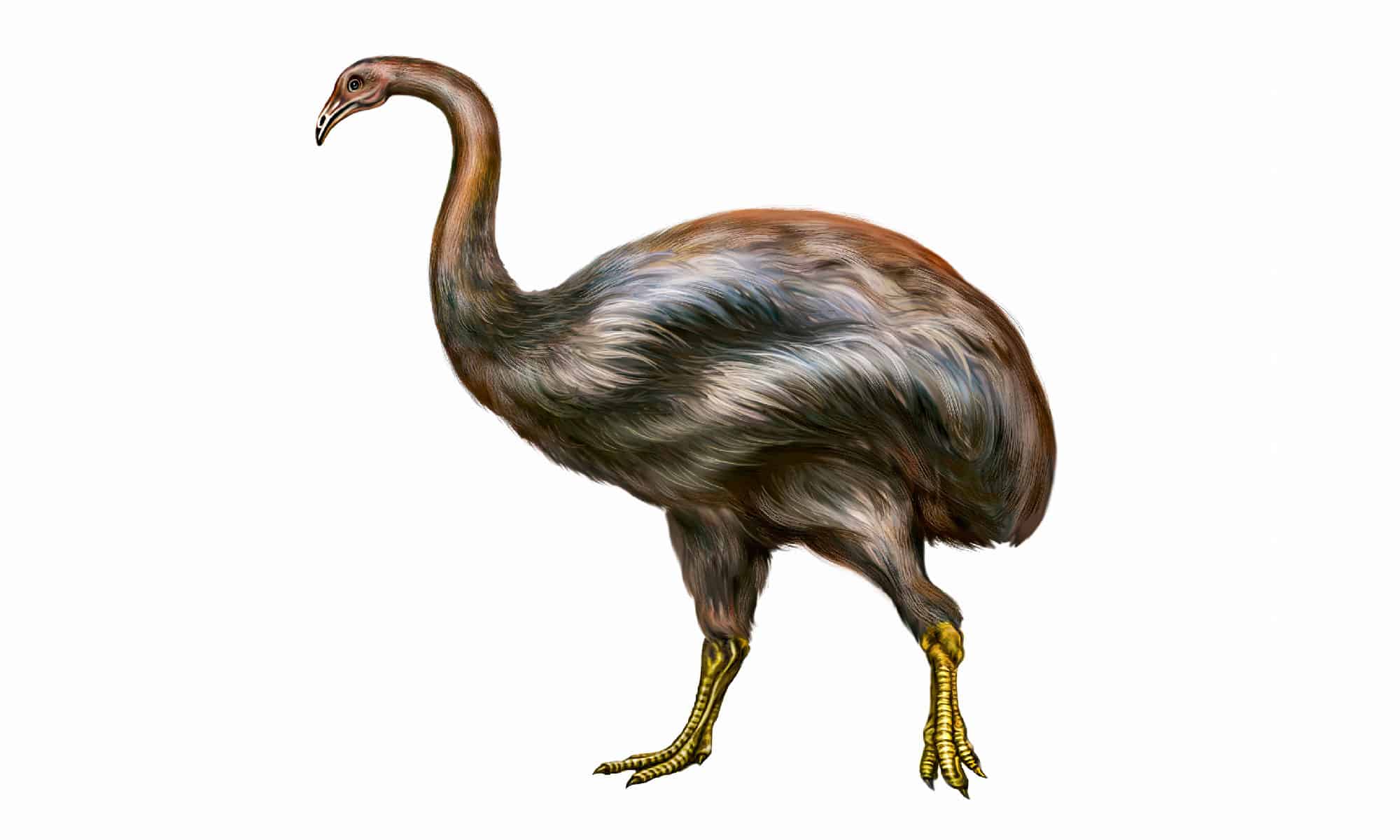
The moa comprised nine species across two families, ranging in size from the turkey-sized upland moa to the towering South Island giant moa, which could reach heights of 3.6 meters with its neck extended. Moa were herbivores, feeding on twigs, leaves, and fruit.
Because they had low reproductive rates—females likely laid only one or two eggs per clutch—populations could not sustain the hunting pressure exerted by early human settlers. Archaeological sites containing butchered moa bones indicate that hunting, combined with extensive forest burning, drove all moa species to extinction within less than two centuries of human arrival.
Haast's Eagle (Hieraaetus moorei)
While not flightless itself, Haast's eagle deserves mention as the apex predator that relied entirely on New Zealand's flightless bird ecosystem. It was the largest known eagle, weighing up to 15 kilograms, with a massive wingspan adapted for maneuvering through dense forest canopy. Its primary prey consisted of moa. When the moa population collapsed due to human hunting, Haast's eagle quickly followed into extinction.
Adzebills (Aptornis spp.)
Adzebills were large, ground-dwelling birds superficially resembling bustards, possessing powerful, pick-like bills and strong legs. DNA sequencing has revealed they were related to cranes and rails. They inhabited forest floors, using their specialized bills to tear open rotting logs in search of large invertebrates and lizards. Both the North Island and South Island species vanished rapidly following Polynesian settlement.
Latest Scientific Data and Genetic Insights
Recent advancements in ancient DNA (aDNA) extraction and paleogenomics have reshaped our understanding of New Zealand's extinct birds. Researchers from institutions such as the University of Otago and the Allan Wilson Centre have successfully sequenced mitochondrial and nuclear DNA from museum specimens and subfossil bones found in caves and sand dunes.
Genomic Diversity Before Extinction
Contrary to the assumption that island species were already in decline before human arrival, genetic studies on moa populations show that they maintained high genetic diversity and large population sizes right up until the point of human contact. This indicates that their ecosystems were stable and robust until the sudden introduction of hunting and habitat modification.
Evolutionary Origins Revealed
DNA analysis has also clarified the controversial taxonomy of several enigmatic birds. For example, genomic research confirmed that the kiwi's closest living relative is not the Australian emu or cassowary, as once morphology suggested, but the extinct elephant bird (Aepyornis) of Madagascar, challenging previous biogeographical theories about how these lineages reached the Southern Hemisphere.
Surviving Relatives and Modern Conservation Status
New Zealand retains several iconic flightless birds that survived the initial extinction waves, though many remain critically endangered and rely on intensive management.
- Kiwi (Apteryx spp.): Five distinct species of nocturnal, burrowing ratites persist today. They face ongoing threats from stoats, dogs, and ferrets, prompting extensive predator-fenced sanctuaries and trapping programs managed by the Department of Conservation (DOC).
- Kakapo (Strigops habroptila): The world’s only flightless, nocturnal, and lek-breeding parrot. Intensive recovery programs, including supplemental feeding, genetic tracking, and translocation to predator-free offshore islands, have increased population numbers from a low of around 50 individuals to over 250 in recent years.
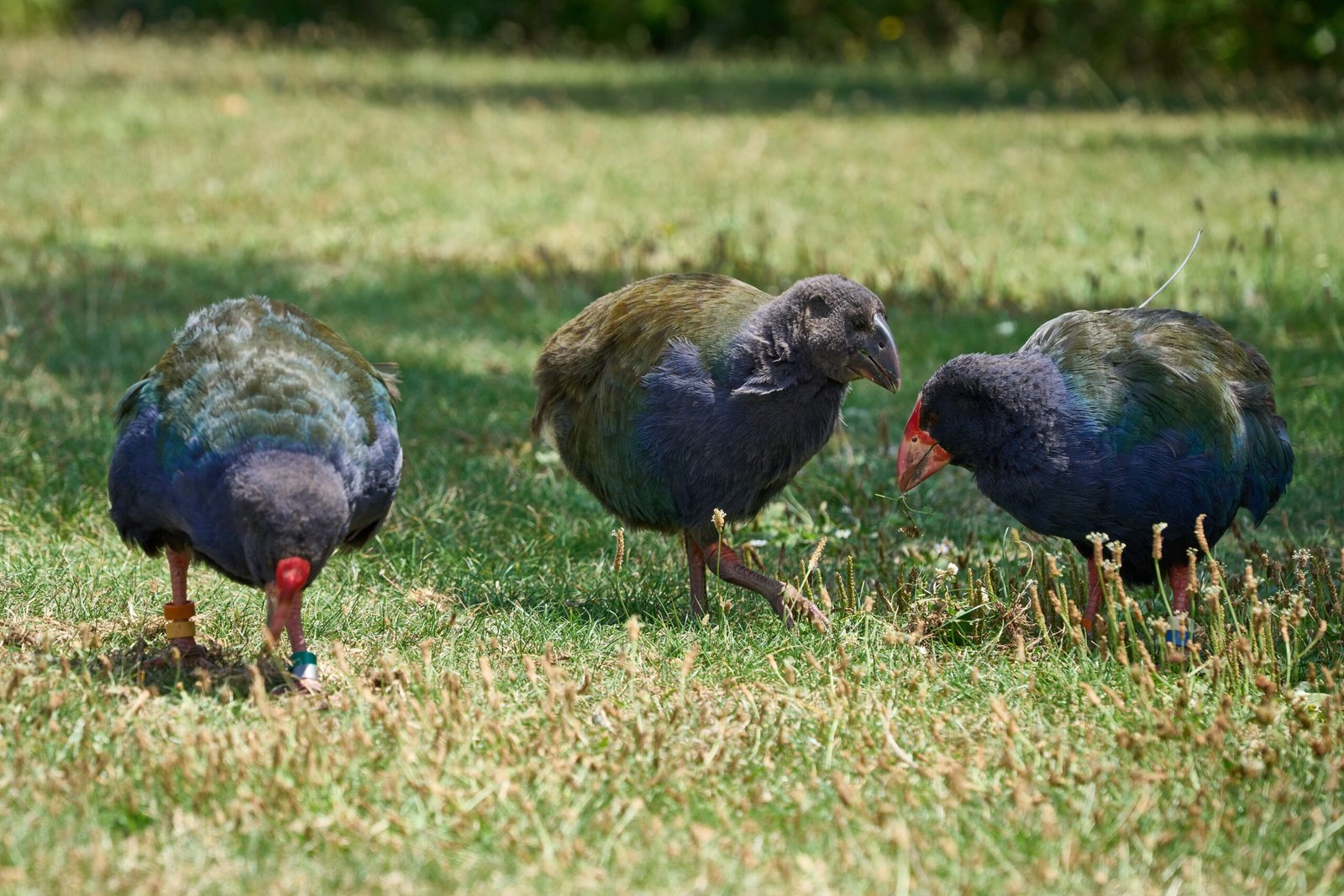
- Takahē (Porphyrio hochstetteri): A large, flightless rail once thought to be extinct until its dramatic rediscovery in the remote Murchison Mountains in 1948. Conservation efforts involve captive breeding and establishing wild populations on protected offshore islands and mainland sanctuaries.
Frequently Asked Questions
Why did so many New Zealand birds lose the ability to fly?
In the absence of native terrestrial predators, flying required an immense amount of metabolic energy that was better utilized for physical growth and foraging on the ground. Over millions of years, natural selection favored species that prioritized walking, running, and ground-feeding over flight adaptations.
When did the moa go completely extinct?
Current archaeological and radiocarbon dating evidence indicates that all species of moa were hunted to extinction by approximately the year 1450 CE, roughly two centuries after the arrival of East Polynesian settlers in New Zealand.
Are there any flightless birds currently at risk of extinction?
Yes. Species such as the kakapo, several kiwi species, and the takahē remain classified as threatened or endangered. Without ongoing predator control, habitat restoration, and active management by conservation authorities, these birds face a high risk of future extinction.
What role do predator-free sanctuaries play in modern conservation?
Predator-free sanctuaries—such as fenced mainland reserves and offshore islands cleared of introduced mammals like rats, stoats, and possums—provide safe habitats where endangered flightless birds can breed without high juvenile mortality rates. These areas serve as reservoirs for repopulating managed wild areas.
Conclusion and Next Actions
The extinction of New Zealand’s flightless birds serves as a major case study in island biogeography and the rapid ecological impacts of human expansion. While historical losses cannot be reversed, ongoing paleogenomic research continues to illuminate evolutionary pathways. For readers wishing to support modern preservation efforts, supporting organizations like the Department of Conservation or community-led pest eradication trusts provides direct aid to the surviving flightless species currently struggling against introduced predators.