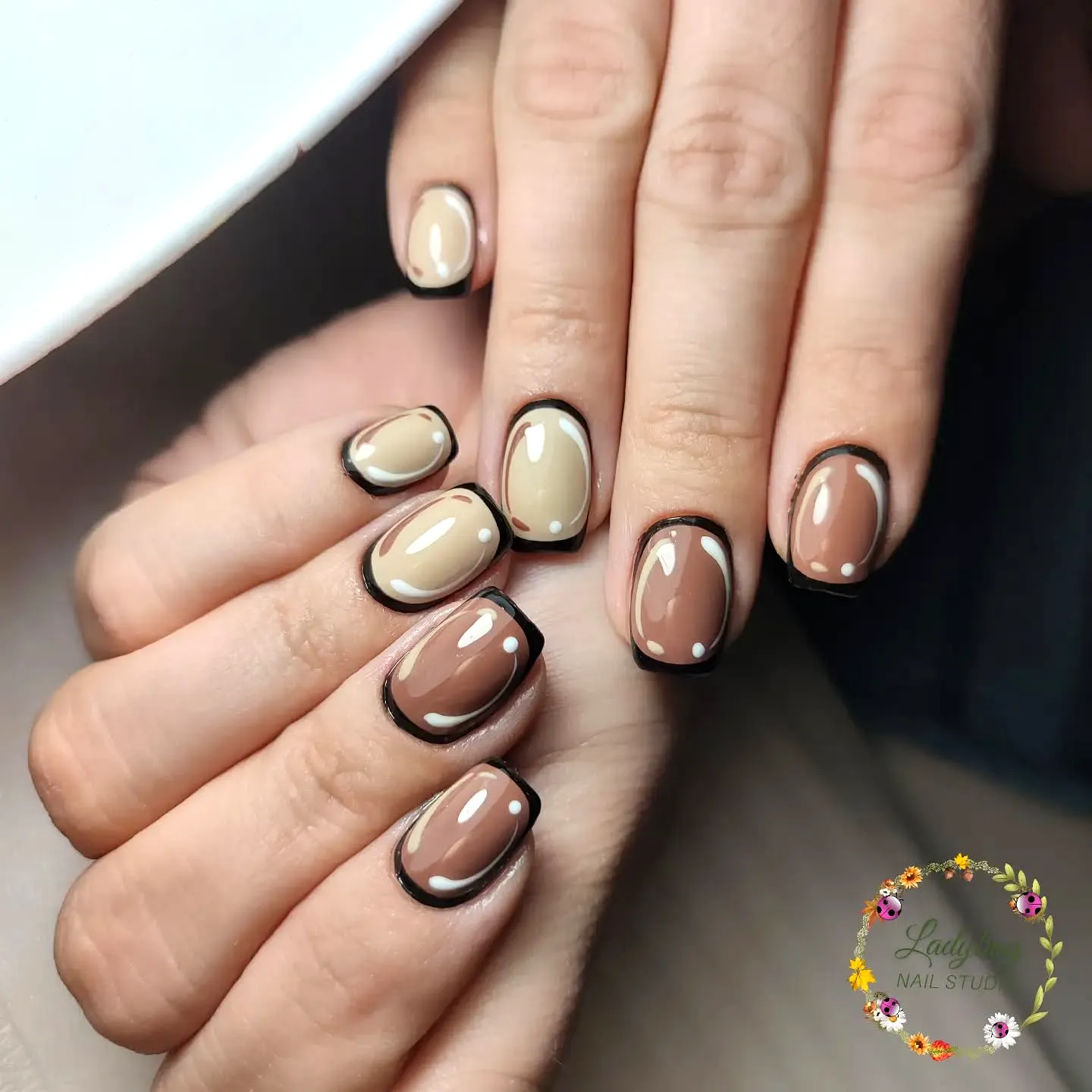
The rounded nail shape remains a timeless aesthetic choice, prized for its structural integrity, ease of maintenance, and ability to elongate the appearance of the finger. As we move through 2026, the focus has shifted toward high-precision cuticle work and minimalist color applications that highlight the natural curvature of the nail plate. This guide provides the technical expertise required to master, maintain, and style rounded nail shapes.
Technical Foundations of the Rounded Shape
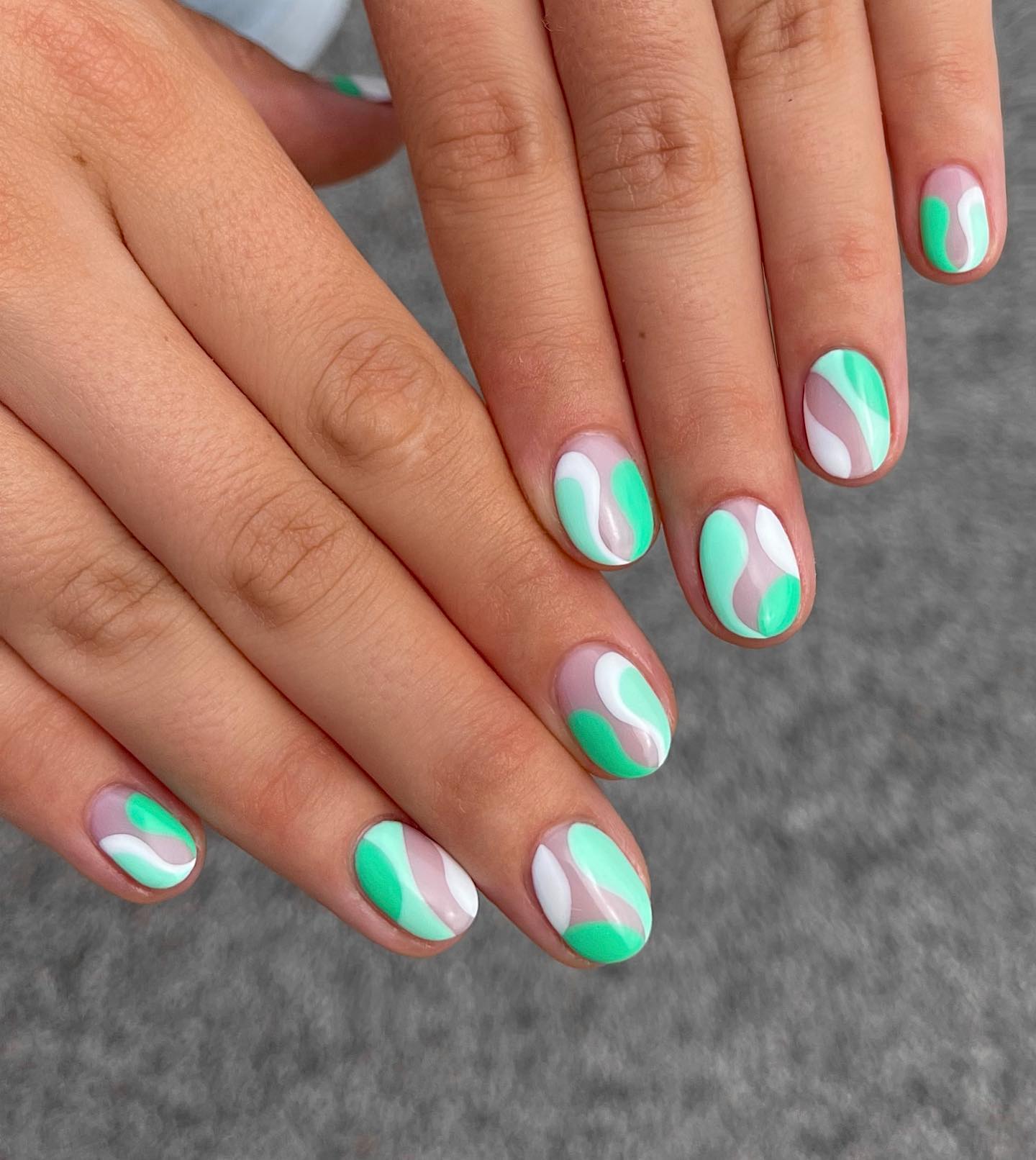
The rounded nail, often categorized alongside the oval shape, is defined by a soft, semi-circular edge that mimics the contour of the cuticle line. Unlike square shapes that are prone to corner snagging, the rounded shape is structurally superior for individuals with brittle or thin nail plates because it lacks sharp stress points.
To achieve a professional-grade rounded finish, technicians must employ a specific filing technique. Begin by filing the sidewalls of the nail in a single direction to create a straight foundation. Once the sides are parallel, tilt the file at a 45-degree angle to begin rounding the corners. The objective is to create a seamless transition from the side to the free edge, ensuring there are no jagged transitions.
Essential Geometry for Nail Shaping
- Stress Point Alignment: The rounded shape naturally redistributes pressure across the free edge, reducing the likelihood of lateral wall fractures.
- Cuticle Contouring: Ensure the shape of the free edge mirrors the lunula (the half-moon at the base of the nail) for maximum visual harmony.
- File Grit Selection: Use a 180-grit file for shaping natural nails to prevent peeling, and a 100/180-grit file for product-heavy enhancements like polygel or acrylic.
2026 Trends in Rounded Nail Aesthetics
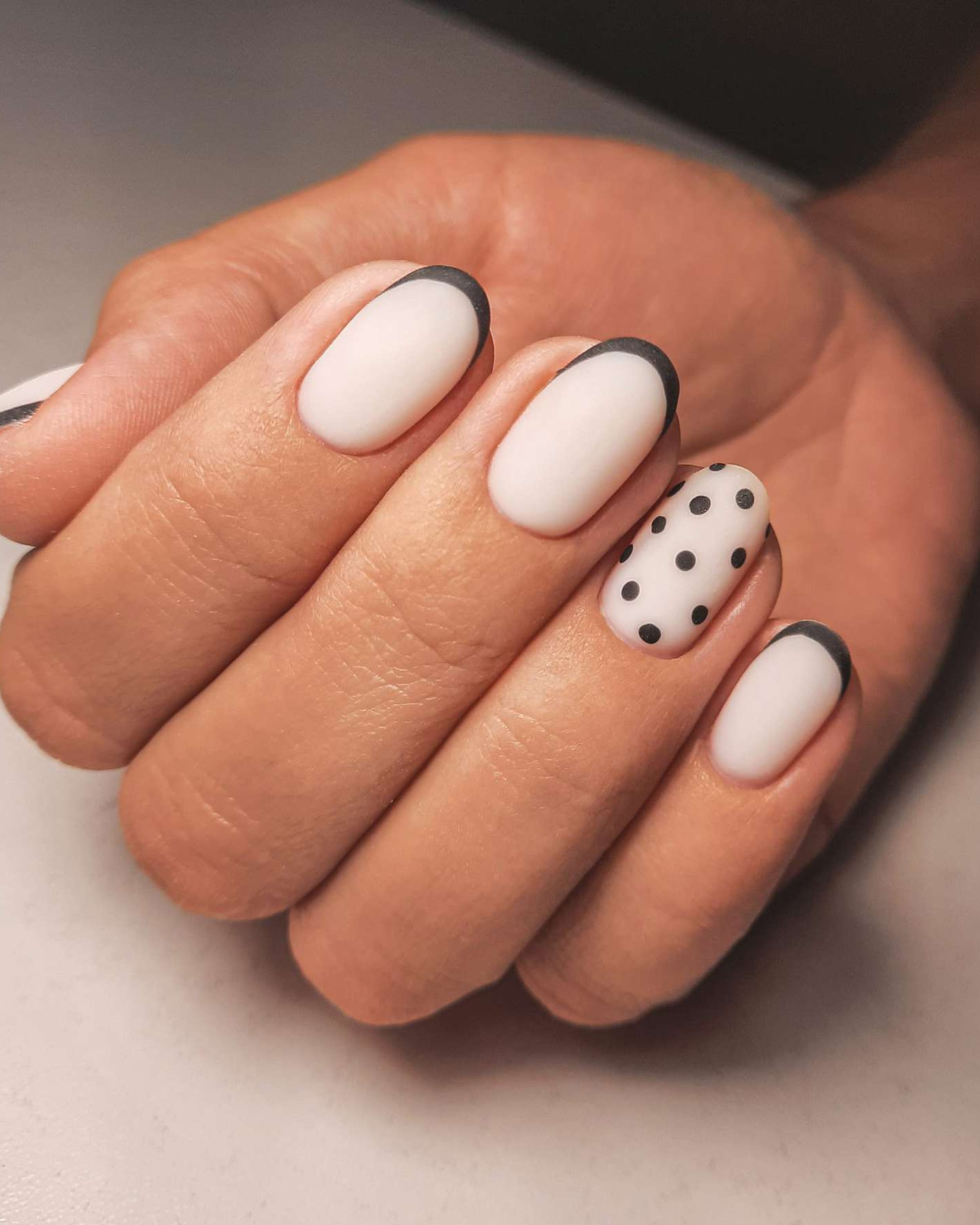
The year 2026 emphasizes the "quiet luxury" movement within the beauty industry. Rounded nails are currently being paired with monochromatic palettes and semi-sheer finishes. While intricate nail art remains popular, the application is increasingly focused on negative space designs that utilize the rounded shape to frame the finger rather than compete with it.
Popular Finishes and Techniques
- Glassy Top Coats: High-gloss, UV-stable top coats are the industry standard for 2026, providing a scratch-resistant barrier that maintains the integrity of the rounded tip.
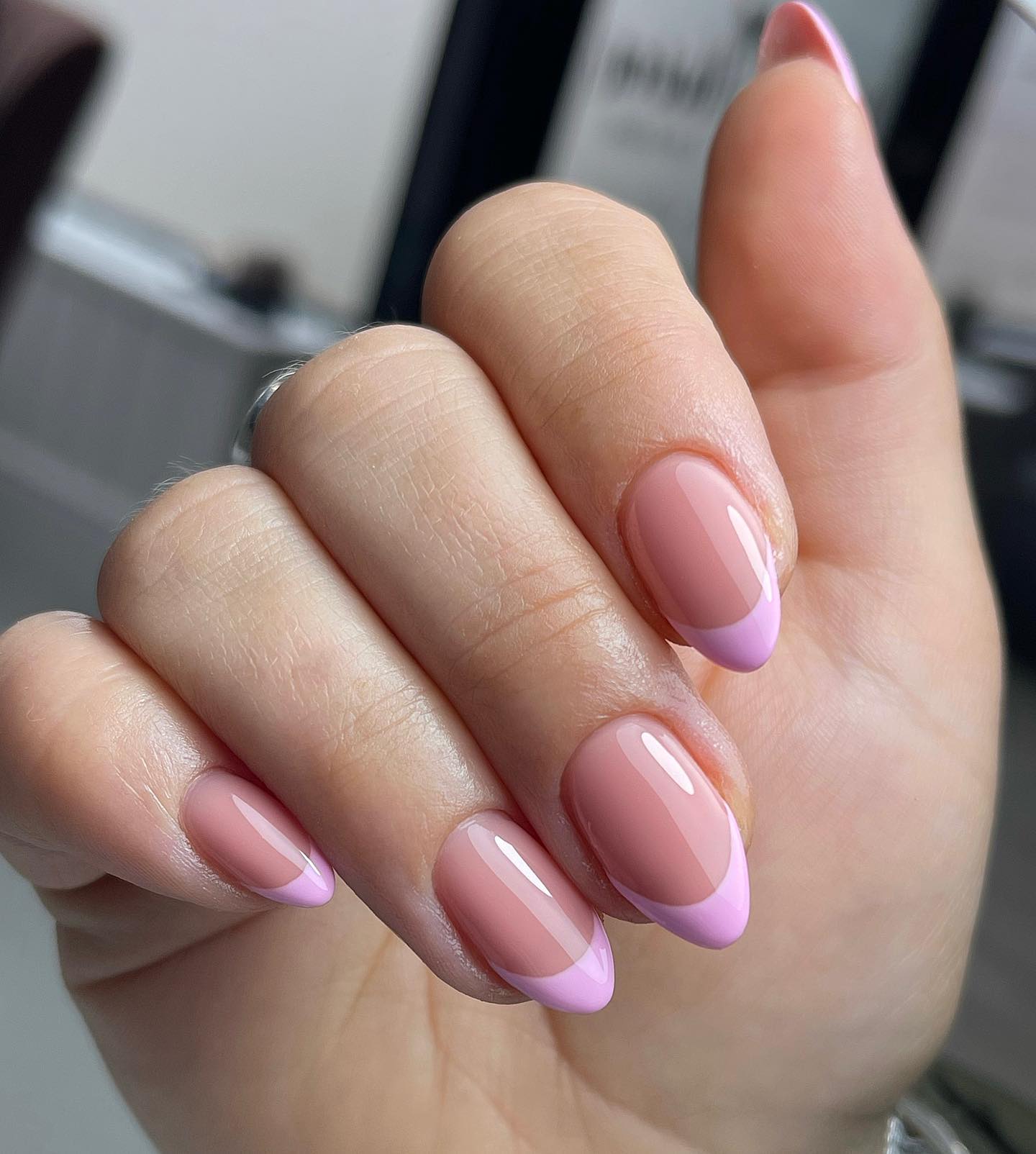
- Micro-French Tips: By drawing an ultra-thin line along the rounded free edge, the nail appears longer while maintaining a sophisticated, understated profile.
- Encapsulated Botanical Elements: Dried pressed flowers or gold leaf flakes placed at the center of the nail bed offer a refined texture that complements the soft silhouette of a rounded shape.
Comparison of Nail Shapes and Structural Suitability
When selecting a nail shape, it is critical to consider the natural growth pattern of your nail bed and your daily activities. The following table provides a comparison based on structural reliability and technical maintenance requirements for the 2026 season.
| Shape | Durability Index | Maintenance Level | Best For |
|---|---|---|---|
| Rounded | High | Low | Weak or brittle nails |
| Square | Moderate | High | Long, wide nail beds |
| Almond | Moderate | Medium | Short finger elongation |
| Stiletto | Low | Extreme | Advanced aesthetic styling |
| Squoval | High | Medium | All nail types |
Professional Maintenance and Troubleshooting
Maintaining a rounded nail shape requires weekly attention to the free edge. Because the shape relies on a continuous curve, any small chip or crack must be addressed immediately to prevent the fracture from traveling down the nail plate.
Structural Integrity Guidelines
Hydration Management: Use cuticle oils containing jojoba or squalane daily to keep the nail plate flexible. A rigid nail is more prone to snapping at the corners of a rounded edge.
Filing Protocol: Always file in one direction. Back-and-forth sawing motions create micro-tears in the keratin layers, which lead to premature chipping regardless of the quality of your polish or base coat.
If you encounter a break in a rounded nail, do not attempt to reshape it into a square. Instead, file the remainder of the nail down to a shorter rounded length to maintain the structural continuity of the curve. Using a protein-based ridge filler as a base coat can also provide the necessary reinforcement for nails that are prone to center-split.
Frequently Asked Questions
Why is the rounded shape considered the most durable for natural nails? The rounded shape is the most durable because it removes the sharp, vulnerable corners found in square or coffin shapes. By eliminating these stress points, the force of impact is distributed evenly across the curved edge, significantly lowering the risk of accidental breakage during daily tasks.
How do I transition from a square shape to a rounded shape? To transition, allow your nails to grow out slightly, then use a coarse file to soften the sharp corners by angling the file toward the center of the free edge. Do not attempt to round the nails significantly if they are currently very short, as this can result in an uneven look; wait for at least 2mm of free edge growth before finalizing the curve.
Does a rounded shape make short fingers look longer? Yes, if the rounded shape is groomed into a soft oval. By extending the shape slightly past the fingertip and using elongating color palettes, you create a visual illusion of length. Avoid very short, circular shapes if your goal is elongation, as these tend to emphasize the width of the nail plate.
What is the best way to prevent peeling at the rounded tips? Peeling occurs when the layers of the nail plate separate at the free edge. To prevent this, ensure your top coat "caps" the free edge by swiping the brush horizontally across the tip of the nail during application, creating a sealed barrier against moisture and environmental impact.
Are rounded nails compatible with gel enhancements? Absolutely. In fact, gel enhancements (hard gel or builder-in-a-bottle) are excellent for rounded shapes because the product provides the necessary thickness to hold the curvature. In 2026, many professionals prefer using a builder gel overlay on rounded natural nails to increase the "bounce" and resilience of the shape.
Professional Consultation and Care
For those seeking to perfect their nail health and shape throughout 2026, prioritize professional-grade tools. Use glass or crystal files rather than traditional emery boards, as these provide a smoother edge that prevents keratin fraying. If your nails are consistently splitting or failing to hold a rounded shape, consider a consultation with a certified nail technician to assess for vitamin deficiencies or potential environmental damage. Consistent hydration and the use of non-acetone removers remain the gold standard for maintaining the structural beauty of your manicure.