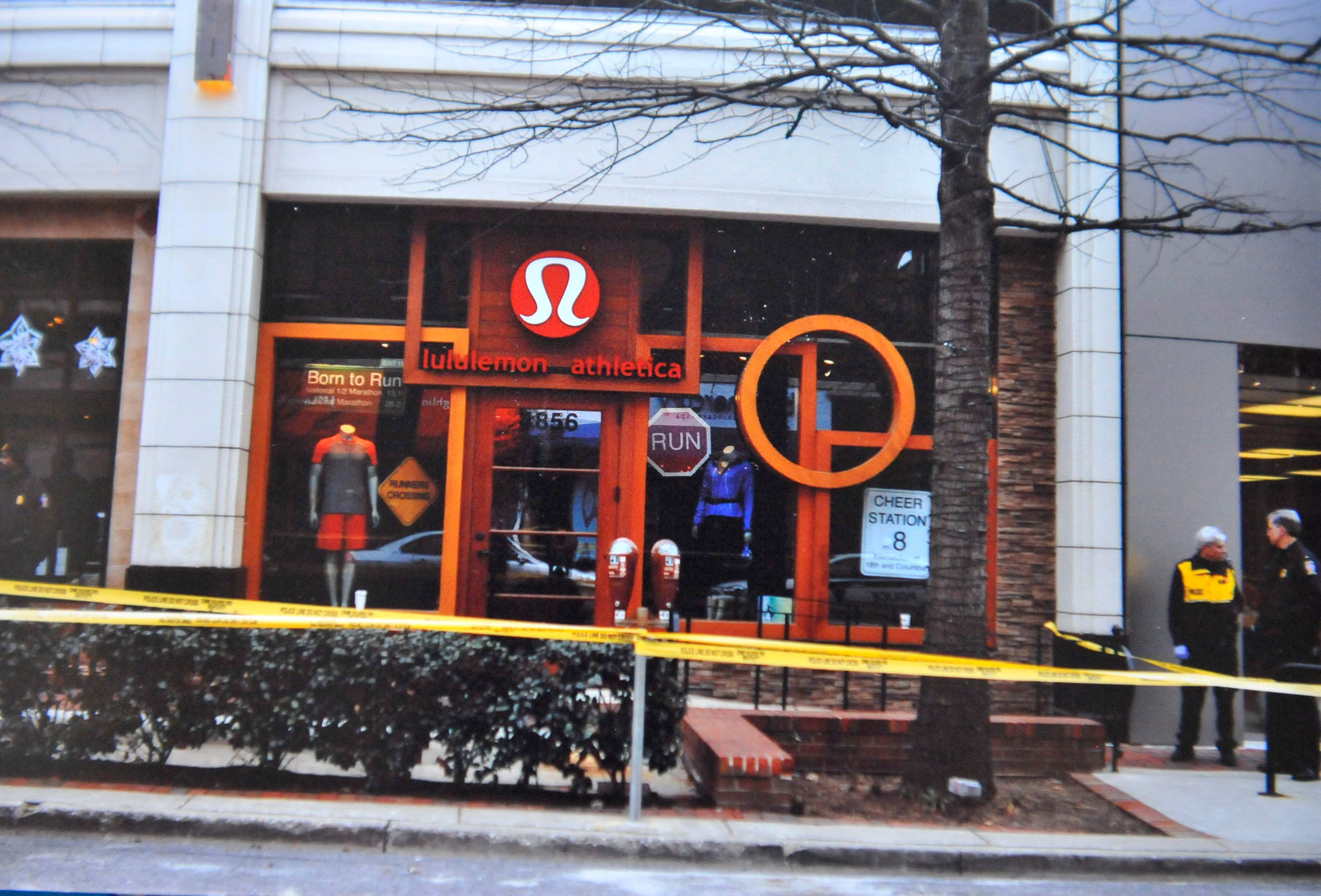
Note: This article examines the historical 2011 homicide at a Lululemon Athletica store in Bethesda, Maryland, detailing the legal outcomes and the ongoing discourse surrounding workplace safety and retail security standards.
The tragic events that unfolded on March 11, 2011, at a Lululemon Athletica retail store in Bethesda, Maryland, sent shockwaves through the retail industry and the American legal landscape. More than a decade later, the incident remains a stark case study in workplace violence, loss prevention protocols, and the complexities of criminal justice. As the retail sector continues to evolve through 2026, analyzing the details of this case provides critical insights into how corporate security policies have transformed to protect employees in commercial environments.
The 2011 Bethesda Incident and Initial Police Investigation
On the morning of March 12, 2011, authorities discovered two employees inside the Lululemon store on Bethesda Row. Brittany Norwood, then 28 years old, was found bound and injured, while 30-year-old Jayna Murray was found dead from multiple traumatic injuries. The initial narrative presented by Norwood suggested that two masked men had entered the store after closing hours, assaulted them, and fled.
However, Montgomery County police investigators quickly found discrepancies in the physical evidence and Norwood's statements. Forensic analysis at the crime scene revealed inconsistencies regarding footwear impressions, defensive wounds, and the timeline of events. Investigators determined that a dispute between the two co-workers over closing procedures and merchandise had escalated into a fatal assault. Norwood had staged the robbery scenario to conceal her actions.
Investigative Turning Point
The breakthrough in the case relied heavily on forensic podiatry, DNA evidence, and the meticulous reconstruction of the crime scene by Montgomery County detectives. The realization that the attack was internal rather than an external robbery shifted the focus of the community's response toward workplace dynamics and employee screening procedures.
Legal Proceedings, Trial, and Sentencing
The legal journey of the Lululemon case moved swiftly through the Maryland judicial system, culminating in a high-profile trial later that year. In October 2011, a Montgomery County jury convicted Brittany Norwood of first-degree murder in the death of Jayna Murray.
During the trial, prosecutors presented compelling evidence that Murray had attempted to catch Norwood leaving the store with unpaid merchandise the previous day, leading to a tense shift on the night of the murder. The defense argued that the crime was a sudden escalation of a dispute rather than premeditated murder, but the extent of the trauma inflicted upon the victim supported the state's argument for first-degree murder.
- Charge: First-degree premeditated murder
- Verdict: Guilty (October 2011)
- Sentence: Life imprisonment without the possibility of parole
- Appeals: Subsequent appeals upholding the conviction in Maryland state courts
In January 2012, the judge handed down a sentence of life without parole, emphasizing the brutal and calculated nature of the crime. Norwood's subsequent appeals were denied, solidifying the conviction and closing a painful chapter for the victim's family, who later established foundations in memory of Jayna Murray to promote community service and youth development.
Evolution of Retail Safety and Corporate Security Protocols
The tragedy forced a comprehensive re-evaluation of retail security, particularly for standalone stores operating in upscale shopping districts. In the years following the 2011 incident, national and international retailers overhauled their operational guidelines to mitigate risks associated with lone-worker scenarios, closing shifts, and asset protection policies.
Retail security strategies implemented across the industry now emphasize several foundational pillars designed to protect staff members:
- Dual-Employee Closing Mandates: Prohibiting single-person or isolated closing shifts to ensure no employee is left vulnerable in a retail environment.
- Advanced Surveillance Integration: Installing modern closed-circuit television (CCTV) systems with real-time monitoring and panic buttons directly linked to local emergency services.
- De-escalation Training: Providing comprehensive training for retail staff on how to handle loss prevention confrontations without putting personal safety at risk.
- Secure Access Control: Implementing strict protocols for locking exterior doors immediately after business hours before counting cash or processing inventory.
Comparative Analysis of Retail Security Standards: 2011 vs. 2026
The operational landscape of retail management has matured significantly over the past fifteen years. The following table contrasts standard retail security practices from the era of the 2011 incident with the advanced compliance frameworks standard across major brands today.
| Security Domain | 2011 Industry Standard | 2026 Modern Standard |
|---|---|---|
| Closing Protocols | Frequently relied on two employees, but enforcement and tracking varied widely. | Strictly enforced dual-employee policies monitored via automated digital shift-check systems. |
| Asset Protection | Employees often encouraged to intervene in suspected theft or internal discrepancies. | "No-touch" policies strictly prohibiting employees from physically confronting suspected shoplifters. |
| Emergency Response | Standard landline phones and manual panic alarms with delayed response tracking. | Wearable panic buttons, automated silent alarms, and direct GPS integration with law enforcement. |
| Employee Screening | Standard background checks and basic reference verifications. | Comprehensive multi-tier background vetting, continuous monitoring, and structured HR grievance pathways. |
Psychological Impact and Workplace Culture in Retail
Beyond physical security measures, the Lululemon case highlighted the critical importance of mental health support and conflict resolution within retail teams. High-pressure environments focused on sales metrics, loss prevention, and inventory accuracy can sometimes create toxic internal competition if not properly managed by corporate leadership.
Modern human resources frameworks in the retail sector now incorporate proactive conflict resolution strategies. Managers are trained to identify signs of interpersonal friction among staff members before grievances escalate. Furthermore, employee assistance programs (EAPs) provide confidential counseling services, ensuring that workers have access to mental health resources when dealing with workplace stress or traumatic incidents.
Frequently Asked Questions About the Lululemon Case
What happened at the Lululemon store in Bethesda?
In March 2011, store employee Jayna Murray was killed inside the Bethesda, Maryland location, while her co-worker, Brittany Norwood, was found injured. Investigators discovered that Norwood had fabricated a story about an outside robbery and convicted her of the murder.
Was Brittany Norwood convicted of the crime?
Yes, a Montgomery County jury convicted Brittany Norwood of first-degree murder in October 2011, and she was subsequently sentenced to life imprisonment without the possibility of parole.
How did the retail industry change after this incident?
Major retailers implemented stricter closing procedures, banning single-employee shifts, updating asset protection to emphasize non-confrontation, and investing in advanced security and alarm technology.
Are Lululemon stores considered safe today?
Retailers across the industry have significantly upgraded their physical security infrastructure, employee training programs, and monitoring systems to ensure safe working environments for all staff members.
Where can I find more information about the victim's legacy?
The family and friends of Jayna Murray established initiatives and scholarships in her honor to support educational opportunities and community service programs.
Navigating Modern Retail Security and Employee Advocacy
Understanding historical tragedies like the 2011 Lululemon case ensures that the lessons learned continue to drive accountability and safety within the commercial sector. Retail employees, managers, and corporate executives must maintain vigilance regarding store policies, emergency preparedness, and open communication channels. By prioritizing human life over asset recovery and enforcing rigorous operational safeguards, the retail industry strives to prevent similar tragedies from occurring in the future.