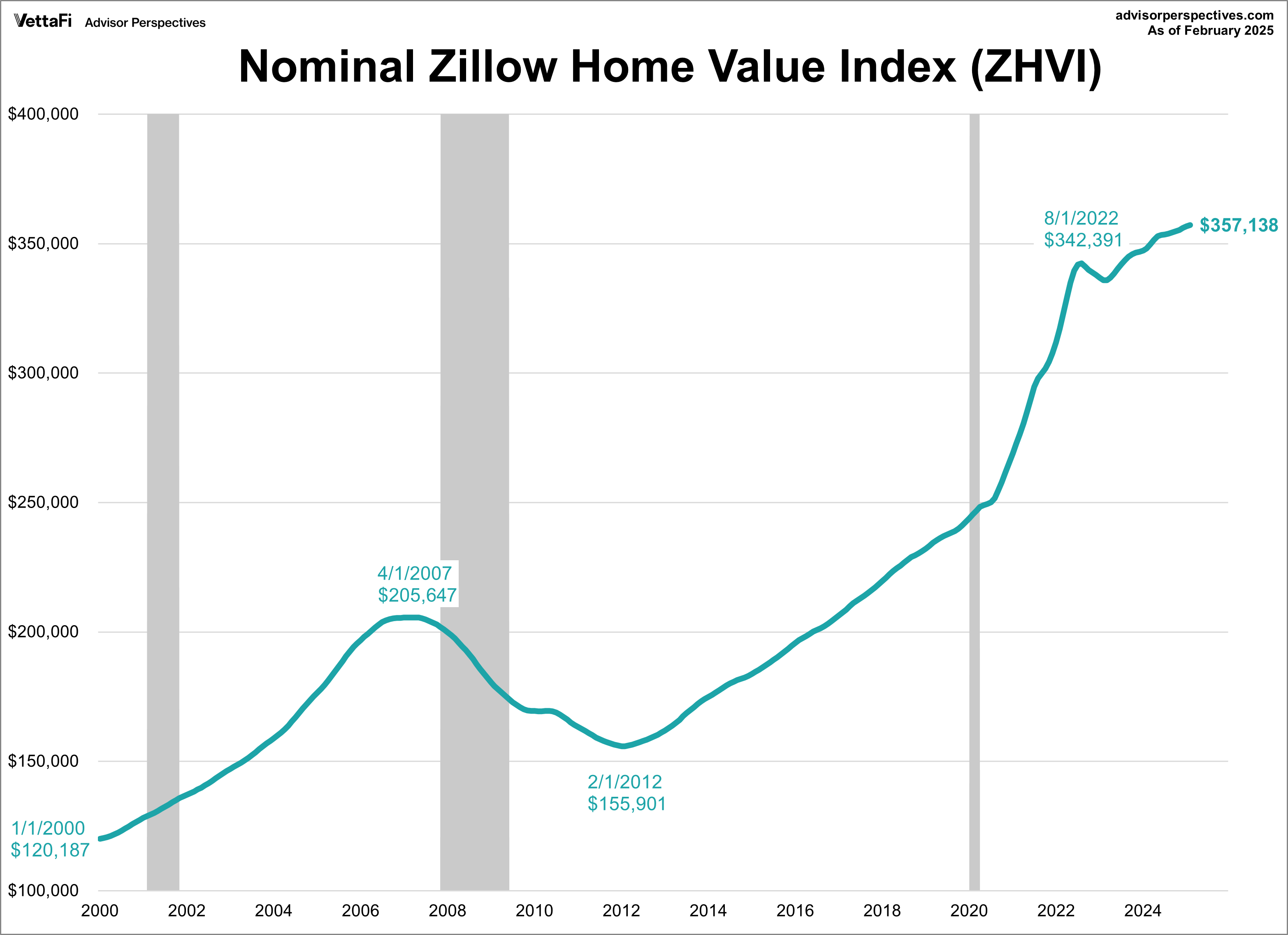
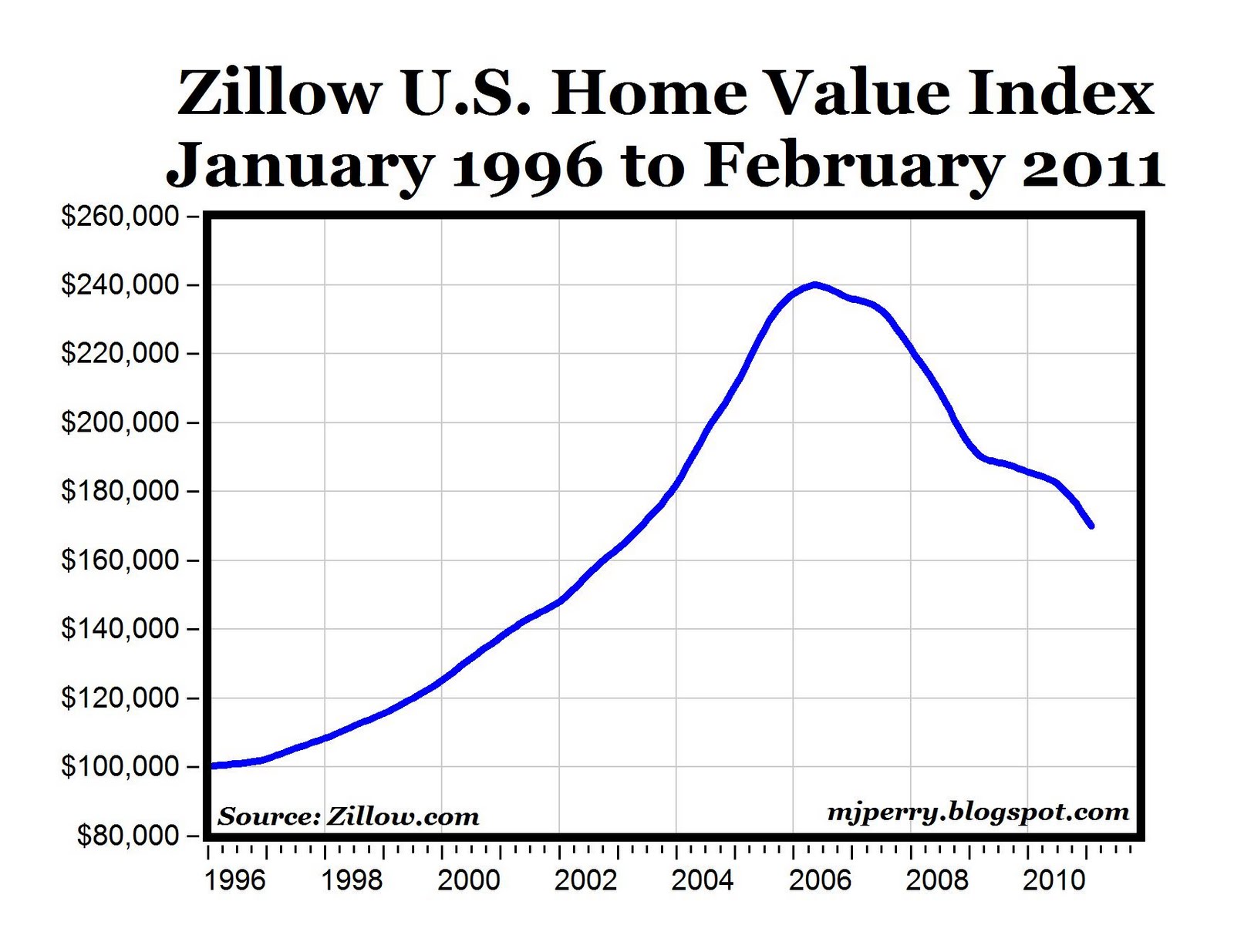
The real estate market of 2026 demands high-precision data for property valuation, making the Zillow Zestimate a primary reference point for homeowners and investors alike. This guide explores the technical mechanisms behind Zestimate calculations, their reliability in the current market, and how they compare to formal professional appraisals.
Technical Foundations of the 2026 Zestimate Algorithm
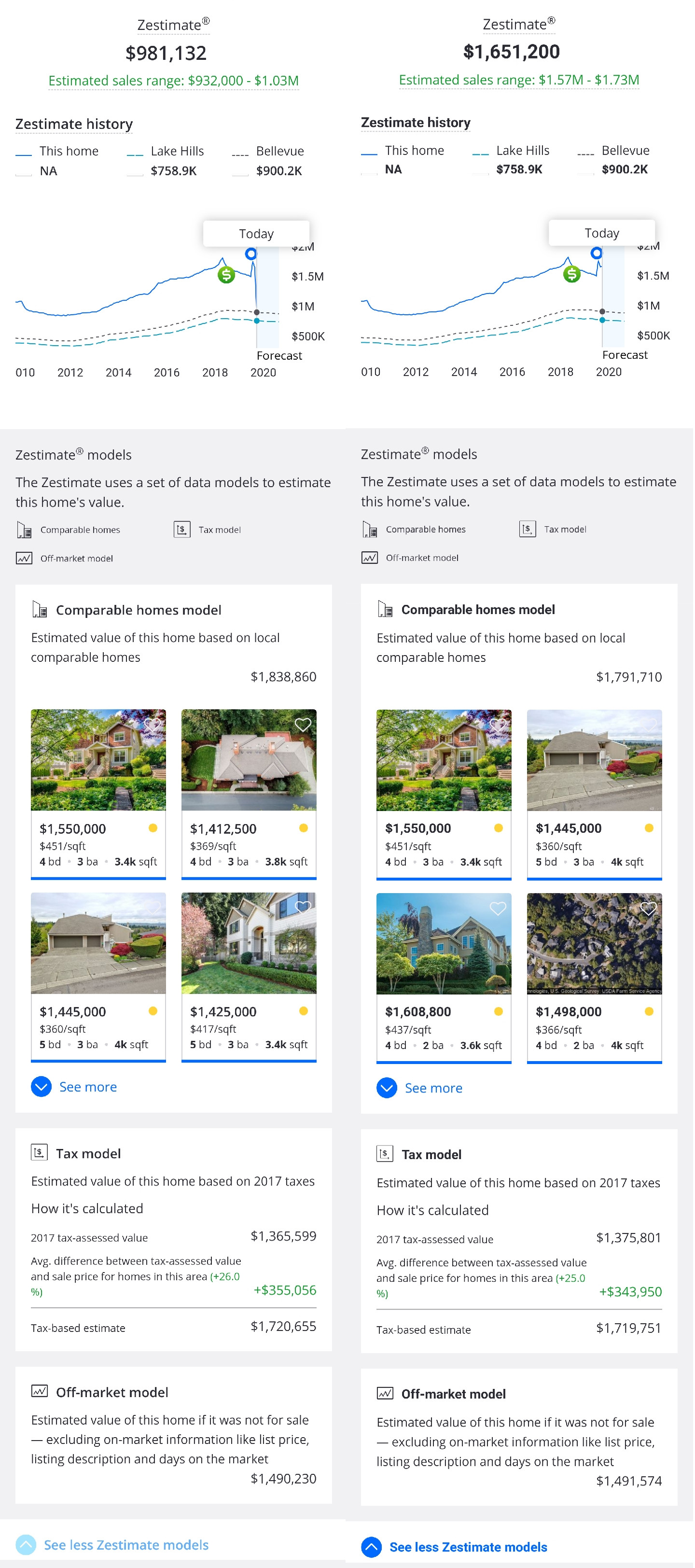
The Zestimate is not a human-generated opinion but a sophisticated machine-learning model that processes massive datasets to provide an estimated market value for individual residential properties. As of 2026, the algorithm has evolved to integrate more granular hyper-local data, including real-time school district performance shifts, regional municipal tax assessment updates, and high-frequency mortgage interest rate sensitivity analysis.
The engine relies on three core data pillars:
- Public Record Data: This includes tax assessor valuations, historical transaction deeds, and physical property characteristics such as square footage, lot size, and bedroom/bathroom counts.
- User-Submitted Information: When homeowners claim their Zillow profiles and update data—such as recent kitchen remodels, HVAC replacements, or structural upgrades—the algorithm ingests this information to refine the specific property’s model.
- Market Trends: The model utilizes proprietary comparative market analysis (CMA) logic, comparing the target property against recent sales of "comps" within a specific radius, adjusted for the time elapsed since those sales occurred.
Factors Influencing Valuation Accuracy in the Current Market
Zestimate accuracy is contingent upon the quality and availability of data. While the algorithm is exceptionally robust in high-density urban areas with frequent turnover, it may experience higher variance in rural or unique custom-built housing sectors.
Data Integrity Variables
Property-specific data remains the strongest predictor of value accuracy. If the municipal records are outdated or if a homeowner has not updated their property details, the Zestimate will default to baseline averages for that neighborhood. The algorithm cannot account for subjective visual appeal, interior design quality, or non-permitted structural changes that lack public documentation.
Comparative Reliability Analysis: Zestimate vs. Professional Appraisal
Understanding the distinction between an automated valuation model (AVM) and a licensed professional appraisal is essential for anyone considering a home sale or refinance in 2026.
| Feature | Zestimate (AVM) | Professional Appraisal |
|---|---|---|
| Primary Input Source | Big Data & Public Records | On-site Inspection & Local Market Nuance |
| Cost | Free | Paid (typically 500 to 1,200 USD) |
| Regulatory Status | Statistical Tool | Legal Documentation for Lenders |
| Speed | Instant | 3 to 10 Business Days |
| Human Oversight | Minimal | High (Certified Appraiser) |
Leveraging Zestimates for Real Estate Strategy
For homeowners, the Zestimate serves as an effective "pulse check" rather than a definitive sales price. Using it as a starting point for pricing strategy is common, but it should be augmented by a competitive market analysis performed by a licensed real estate professional who has toured the physical property.
When evaluating your property value in 2026, consider these actionable steps to maximize your market positioning:
- Claim Your Property: Log into the Zillow owner portal to verify that the listed square footage and amenities are accurate. Incorrect data here is the primary cause of valuation discrepancies.
- Monitor Local Inventory: Use the Zestimate as a baseline, then manually track the "Pending" and "Sold" prices of homes within a half-mile radius that share similar square footage and build years.
- Factor in Seasonal Nuances: The 2026 spring and fall markets show distinct variations in absorption rates. A Zestimate often struggles to capture immediate shifts in demand caused by sudden interest rate fluctuations or new local commercial development.
Addressing Valuation Discrepancies and Data Errors
If your Zestimate appears significantly off-market compared to similar homes in your area, the issue is almost certainly rooted in data input. The algorithm is sensitive to incorrect bedroom/bathroom counts or missing square footage from finished basements that may not be reflected in county tax records.
To resolve these errors, navigate to the "Edit Home Facts" section on your property's Zillow page. Updating these figures forces the algorithm to re-run your property profile. Note that while this may lead to a more accurate Zestimate, it does not guarantee a higher valuation if the surrounding market data does not support the increase.
Frequently Asked Questions Regarding Home Valuations
Is the Zestimate considered an official appraisal for mortgage lending? No, the Zestimate is not a substitute for a formal appraisal. Lenders in 2026 require an independent, physical assessment performed by a state-licensed appraiser to satisfy underwriting requirements for loans.
How often is the Zestimate updated? The Zestimate is typically updated daily or weekly depending on the availability of new data, such as recent sales in your area or changes to your specific property profile.
Why is my neighbor's house worth more than mine despite similar features? Variations can occur due to interior finishings, professional staging, unique view corridors, or proximity to high-value landmarks that the algorithm may weigh differently based on recent buyer preferences.
Does the Zestimate account for neighborhood amenities like parks or proximity to commercial hubs? Yes, the model incorporates location-based data. In 2026, walkability scores and transit connectivity are statistically significant variables that the algorithm adjusts for in major metropolitan regions.
Can I hide my Zestimate from the public? While you can claim and manage your home's data, the Zestimate is a public-facing analytical tool. If you choose to remove your property from the Zillow database, it may impact your visibility on real estate platforms used by potential buyers.
Consult a Professional for Strategic Financial Decisions
While the Zestimate provides a valuable high-level view of your home's potential market position, it is a tool for information, not a final financial directive. For those planning to list their property or seeking a HELOC in 2026, the most effective approach is to combine the data-driven insights of an AVM with the localized expertise of a licensed real estate advisor. Contact a local professional to receive a verified Comparative Market Analysis (CMA) tailored to the current 2026 economic environment, ensuring your financial planning is based on the most accurate market reality possible.