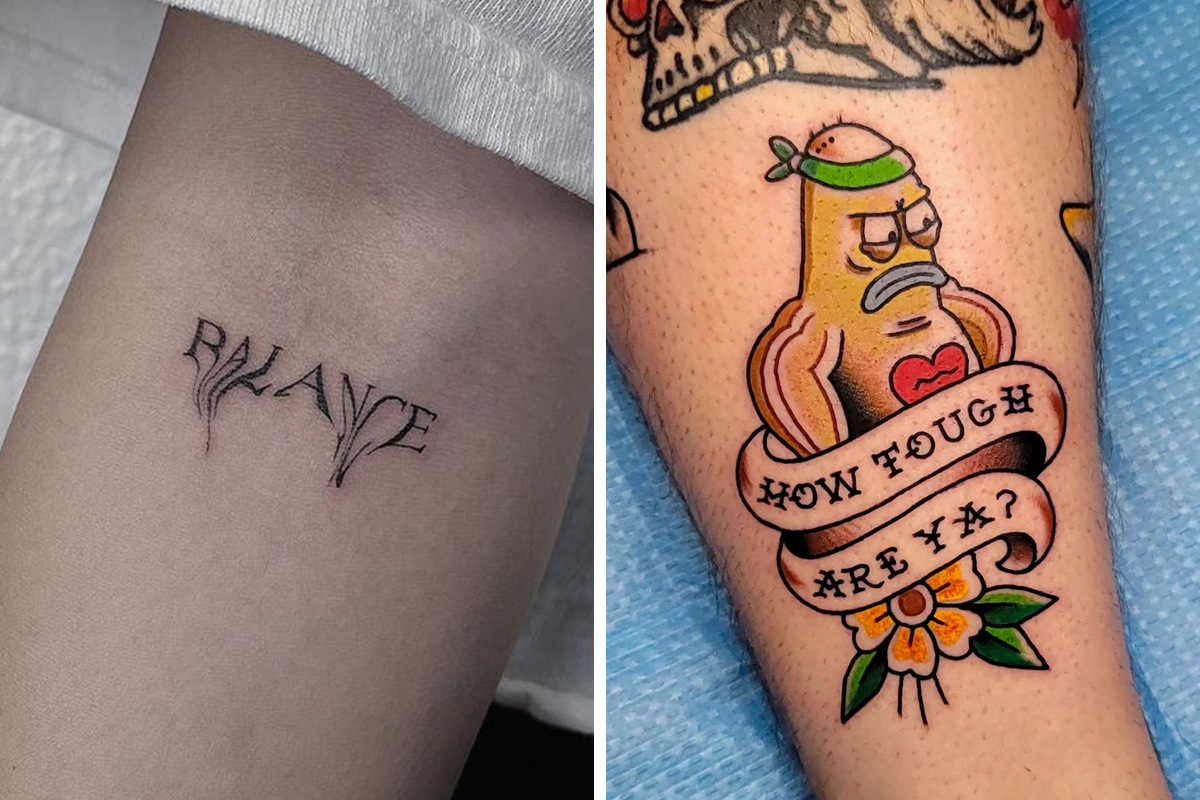
Choosing a tattoo is a significant commitment that requires balancing aesthetic vision with technical longevity. Whether you are seeking your first piece or adding to an existing collection, bold designs provide high-contrast, readable, and enduring results. This guide explores seventy distinct design concepts across various artistic styles, providing the necessary considerations for skin placement, maintenance, and artist collaboration.
Understanding Bold Tattoo Aesthetics
Bold tattoo designs—often categorized by thick lines, high contrast, and limited color palettes—are designed to withstand the natural aging process of human skin. Unlike hyper-realistic, fine-line, or micro-tattoos that may fade or blur over time, bold work utilizes a solid foundation of black ink that holds its shape for decades.
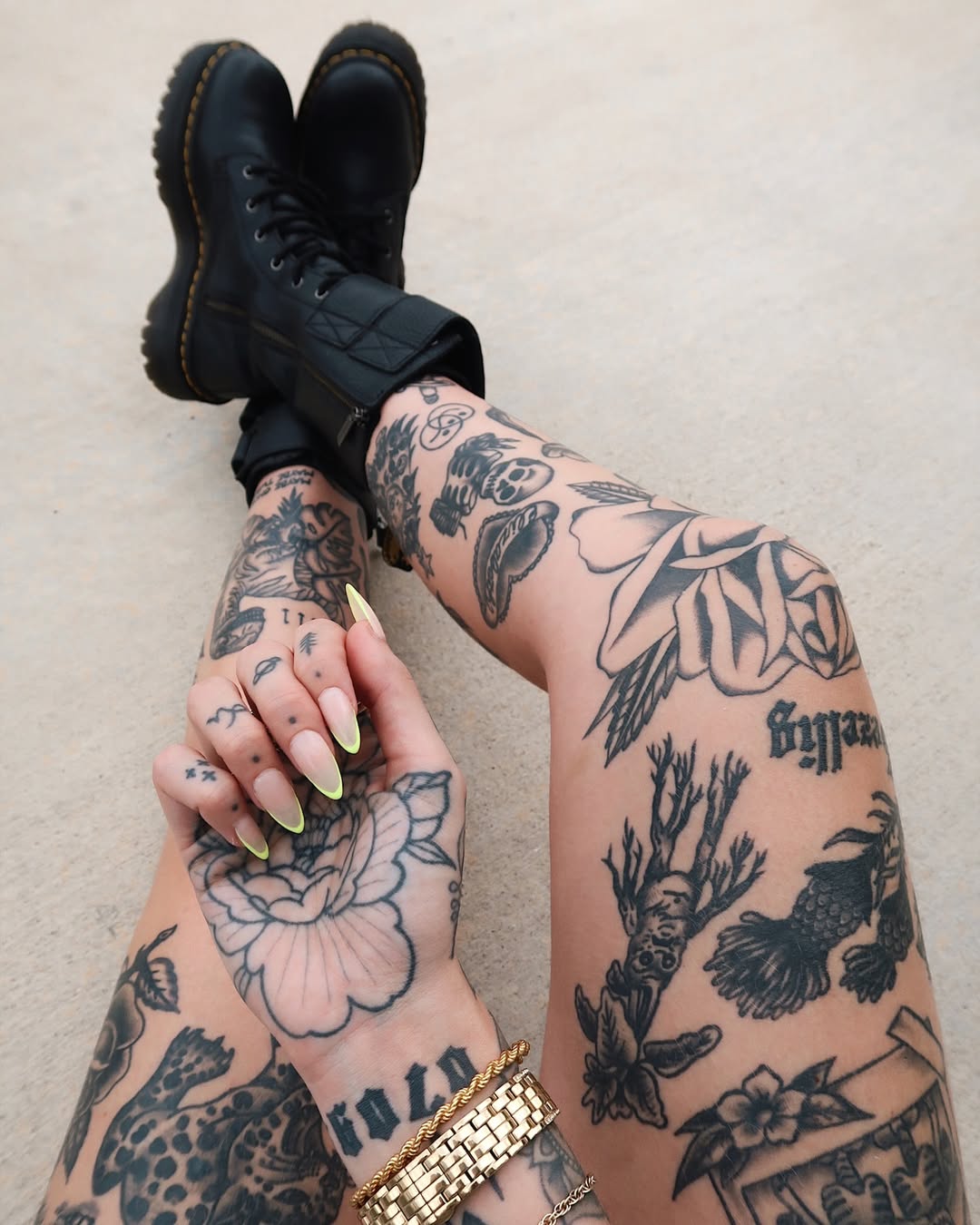
When discussing "bold" designs with an artist, you are typically referring to Traditional (Old School), Neo-Traditional, or Bold Illustrative styles. These styles prioritize silhouette and readability from a distance. A well-executed bold tattoo should remain recognizable even as the skin loses elasticity or is exposed to environmental factors like UV light.
Categories of Bold Tattoo Inspiration
To narrow your search, consider the following 70 concepts categorized by their visual language. These ideas are intended as starting points to discuss with a professional tattoo artist who specializes in your desired aesthetic.
Traditional and Neo-Traditional Imagery
- Classic panther heads showing ferocity.
- Traditional daggers piercing floral arrangements.
- Ships on turbulent seas.
- Eagle mid-flight with detailed wings.
- Traditional roses with deep shading.
- The nautical star in varied orientations.
- Snake motifs coiled around structural objects.
- Swallow silhouettes representing travel or home.
- Ornate pocket watches with cracked faces.
- Traditional Japanese Hannya masks.
- Dragons with heavy black scales.
- Samurai helmets with intricate iron detail.
- Koi fish swimming against strong currents.
- Peony flowers with bold, dark leaves.
- Crane figures in flight.
- Tiger faces with intense, focused eyes.
- Temple gate (Torii) structures.
- Waves depicted in the Ukiyo-e style.
- Traditional lanterns casting light.
- Fans with bold pattern work.
Bold Illustrative and Graphic Designs
- Geometric mandalas with thick, symmetrical lines.
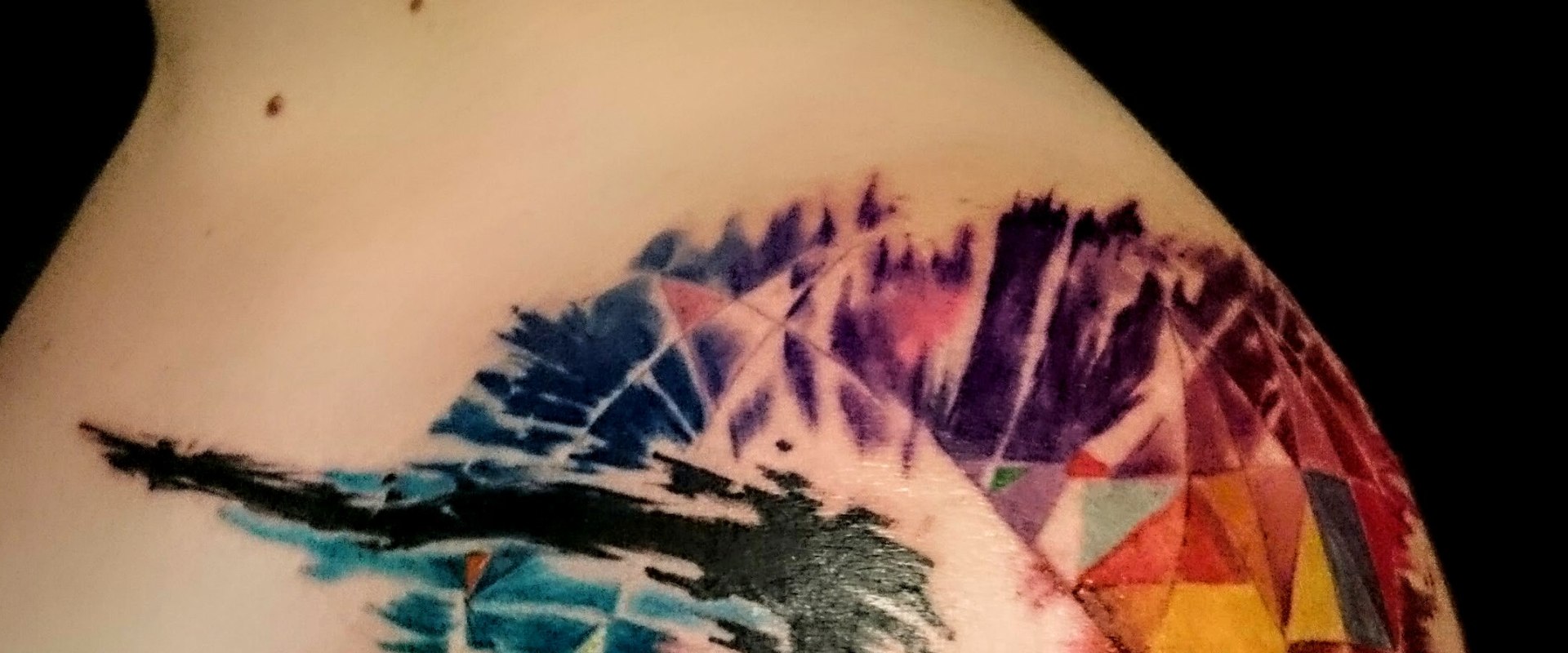
- Abstract heavy-ink brushstrokes.
- Dotwork constellations connected by bold bars.
- Negative space skull designs.
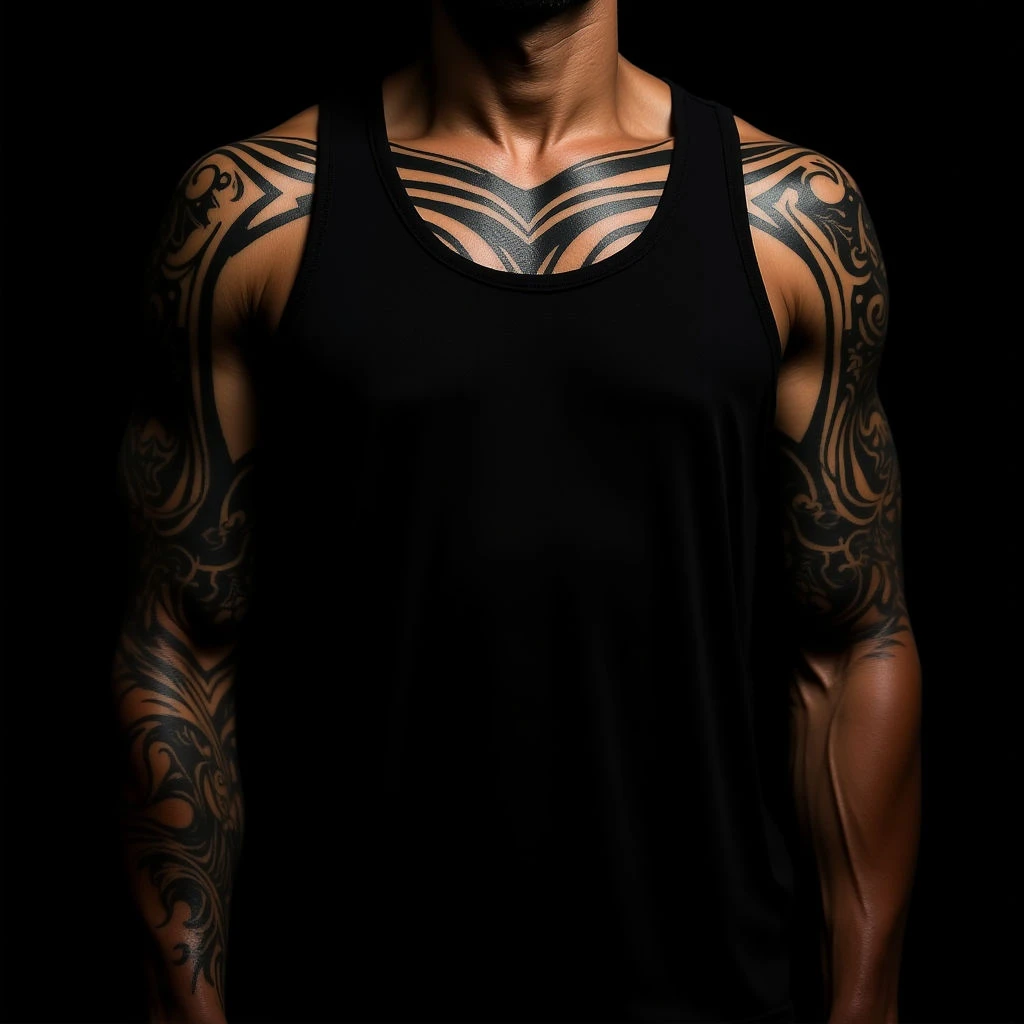
- Tribal-inspired armbands with modern thickness.
- Single-line typography that forms a silhouette.
- Thick-outlined botanical silhouettes.
- Binary code patterns arranged in large blocks.
- Optical illusions using stark black and white shapes.
- Architectural blueprints of a meaningful building.
- Heavy-ink tarot card motifs.
- Minimalist animal heads composed of bold triangles.
- Checkerboard patterns wrapped around limbs.
- Large-scale structural ironwork patterns.
- Bold ink splatters surrounding a centerpiece.
Organic and Nature-Inspired Concepts
- Stag antlers with thick, dark outlines.
- Forest silhouettes against a sunset horizon.
- Leaves with emphasized vein structures.
- Mountains rendered in block-print style.
- Deep-sea creatures with prominent tentacles.
- Mushrooms with thick, dark-spotted caps.
- Bees depicted with high-contrast stripes.
- Lightning bolts striking a solid shape.
- Tree roots winding around the ankle or wrist.
- Large, bold moth wings showing symmetry.
- Moon phases rendered as solid black circles and crescents.
- Feathers with distinct, heavy barbules.
- A sprawling vine that follows the muscle flow.
- A skull integrated with wild flowers.
- A mountain range reduced to three bold lines.
Conceptual and Symbolic Ideas
- Anchors with rope wrapped tightly.
- Keys with ornate, heavy handles.
- Hourglasses with sand depicted as dark geometric shapes.
- Playing card suits (spades or hearts).
- Compass rose with precise, thick needles.
- Swords placed vertically along the spine.
- A crown with minimal shading but heavy borders.
- Lightning striking a mountain peak.
- A classic lantern with thick glass outlines.
- A shield displaying a personal crest.
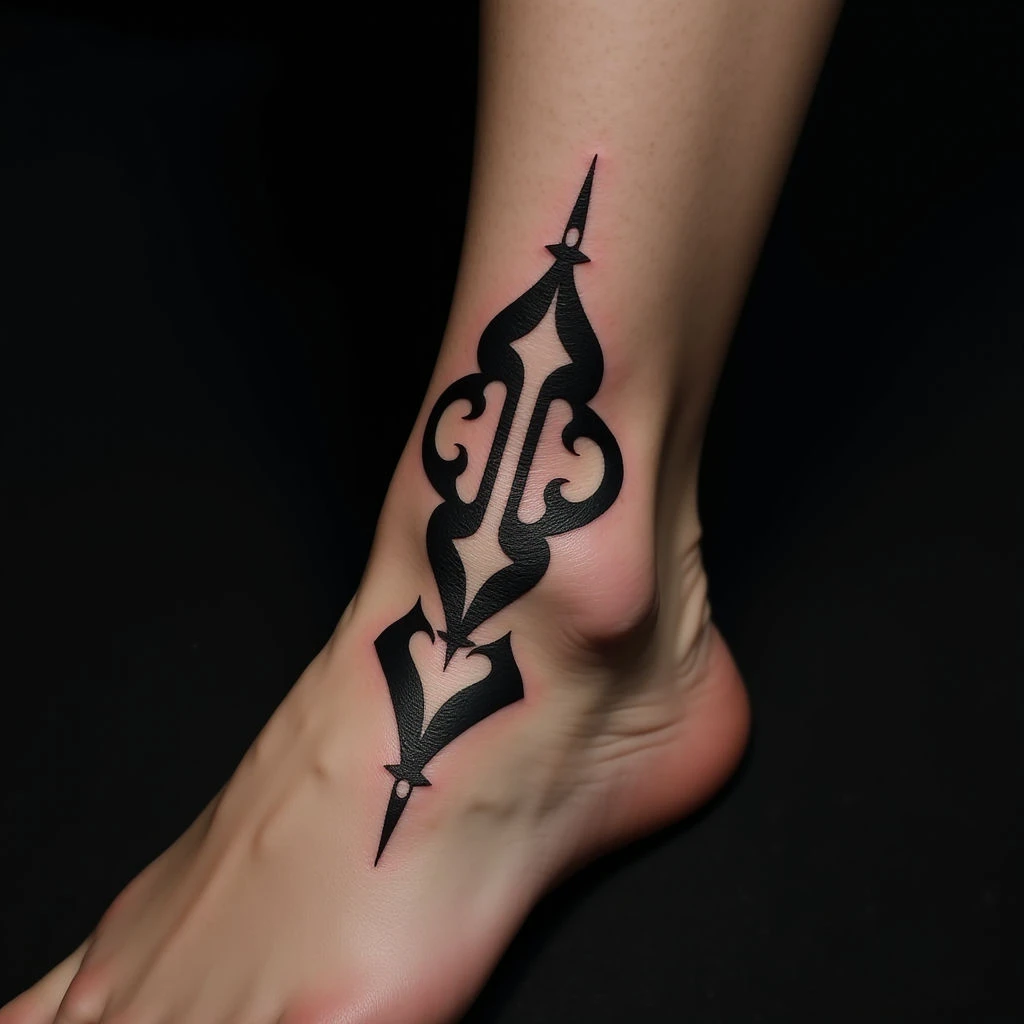
- An arrow pointing toward a specific joint.
- A chain link wrapped around the bicep.
- A solid heart with a thick, bold outline.
- An hourglass where the top half is solid black.
- A lighthouse beaming a thick light ray.
- An open book with bold page lines.
- A mountain climber silhouette.
- A bicycle gear chain link.
- A musical note with a heavy stem.
- An infinity symbol formed by a continuous heavy stroke.
Comparison of Tattoo Styles
When selecting your design, consider how the style influences the healing and aging process.
| Style | Line Weight | Shading Type | Longevity |
|---|---|---|---|
| Traditional | Very Thick | Solid/Minimal | Excellent |
| Fine-Line | Very Thin | Dotwork/Gray | Moderate |
| Neo-Traditional | Medium/Thick | Smooth Gradients | Good |
| Geometric | Variable | Solid Black | Excellent |
| Illustrative | Variable | Cross-hatching | Good |
Preparing for Your Tattoo
Once you have selected a design concept, your next step is finding an artist who specializes in the chosen style. Never ask a portrait artist to perform a traditional bold design, as their technical approach to ink depth and needle grouping will differ significantly.
- Research Portfolios: Review the artist's healed work, not just fresh photos. Healed work shows how the lines have settled after several years.
- Consultation: Bring your ideas, but remain open to the artist's professional feedback. They may suggest size adjustments to ensure the design fits your anatomy.
- Placement Considerations: Bold designs require enough surface area to maintain their impact. Avoid placing high-detail or large bold pieces on areas with thin skin or high friction, such as the palm of the hand or the side of the foot, where ink loss is higher.
- Health Requirements: Ensure you are well-rested and hydrated. Avoid alcohol consumption 24 hours prior to your session, as it acts as a blood thinner, which can make tattooing more difficult for the artist and affect ink saturation.
Managing Costs and Expectations
Tattoo pricing varies by region, artist experience, and the complexity of the design. In 2026, most reputable studios operate on an hourly rate or a flat "per-piece" fee based on a pre-agreed design.
Be wary of studios that significantly undercut standard market rates, as this often indicates a lack of experience or poor sanitary standards. Always verify that the studio is licensed and that the artist uses single-use, sterile needle cartridges.
FAQ
How long does it take for a bold tattoo to heal? Surface healing typically occurs within two to three weeks, during which the skin will scab and peel. However, the deeper layers of skin may take up to three months to fully settle. Avoid swimming, excessive sun exposure, and picking at the scabs during this period.
Does ink color affect the boldness of a tattoo? Yes. Black ink is the most durable. Colored inks, particularly lighter shades like yellow or pastels, tend to fade faster than heavy black ink. For maximum longevity, a black-and-grey or limited-color palette is recommended.
Can a bold tattoo be covered up later? Because bold tattoos rely on high concentrations of black ink, they are significantly harder to cover up than lighter, fine-line pieces. If you are uncertain about the design, consider a smaller placement first.
Does pain vary with bolder designs? Pain is subjective, but "bold" designs often require the artist to go over a line multiple times or use larger needle groupings, which can feel more intense than a single-pass fine-line tattoo. Areas closer to bone, such as the ribs or shins, are generally more sensitive.
What is the best way to maintain a bold tattoo over time? Sun protection is the most important factor. Apply SPF 50+ sunscreen to the tattooed area whenever it is exposed to the sun. UV rays break down ink particles, causing the boldest lines to eventually blur or fade over several decades.
Next Actions
To move forward, gather your top three preferences from the list provided. Save reference images that highlight the line thickness and contrast levels you admire. Once you have a clear vision, schedule a consultation with a local, highly-rated studio to discuss the technical feasibility of the design on your preferred body part. Ensure you are ready to commit to the aftercare process, as the longevity of your bold design depends entirely on how well you protect it during the healing stage and throughout the subsequent years.