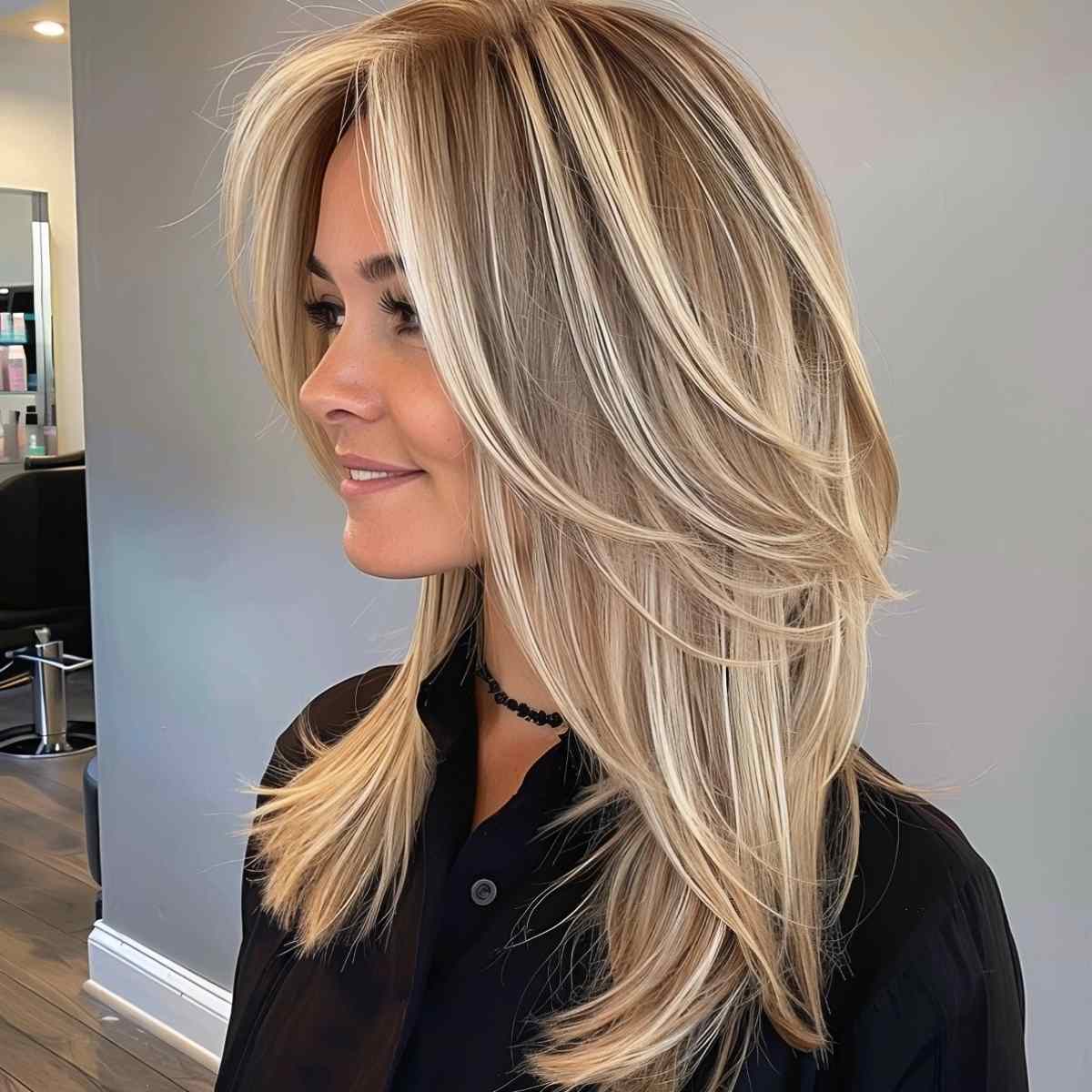
The landscape of modern hairdressing balances high-maintenance personalization with low-maintenance versatility, offering everything from razor-cut shags and fluid bobs to sculptural pixie crops designed for individual hair textures.
Introduction to Contemporary Hair Styling and Shifts
Choosing a hairstyle requires an understanding of how personal hair density, natural wave patterns, and daily maintenance routines interact with modern cutting techniques. The approach to styling has shifted away from rigid, heavily styled finishes toward effortless movement, lived-in layers, and cuts that require minimal thermal styling. Stylists emphasize customization, analyzing face shapes and growth directions to tailor globally recognized trends to individual wearers.
For those navigating salon choices, the decision-making process involves balancing aesthetic desires with practical lifestyle constraints. A cut that looks striking on a runway may demand daily blowouts and specific product regimens, whereas a well-executed texture cut can air-dry into a polished shape. Recognizing this balance helps consumers communicate effectively with stylists, ensuring the final result aligns with both personal style and realistic upkeep capacity.
The Evolution of the Modern Bob: Sharpness Meets Softness
The classic bob remains a staple of women's hair fashion, but recent iterations diverge significantly from the blunt, rigid lines of past decades. Stylists now employ internal texturizing and slide-cutting techniques to create movement within the perimeter, preventing the hair from appearing heavy or helmet-like.
The Micro-Bob and Jaw-Line Crops
Shorter lengths sitting precisely at the jawline or slightly above offer a striking silhouette that frames the face. These cuts often incorporate subtle graduation at the nape to maintain a clean line while allowing the front sections to hug the cheekbones. Ideal for straight to wavy hair textures, the micro-bob works well with a deep side part or a soft, undone center part.
The Italian Bob and Fluid Lengths
For those hesitant to go very short, the Italian bob provides a longer, more luxurious alternative. Resting just above the shoulders, this cut emphasizes volume, body, and a bouncy perimeter. It relies on minimal layering at the ends to keep the weight dense enough for a rich finish while using invisible layers throughout the interior to eliminate bulk.
Shags, Mullets, and Textured Layers: The Return of Movement
Textured cutting techniques continue to dominate salon requests, celebrating natural volume and rebellious shapes. These styles draw inspiration from vintage rock aesthetics but are refined with modern razor-cutting and point-cutting methods for a softer, more wearable finish.
| Haircut Style | Best Hair Textures | Maintenance Level |
|---|---|---|
| Textured Shag | Wavy, Curly, Thick Straight | Medium (Requires defining cream) |
| Italian Bob | Fine to Medium, Straight to Wavy | Low to Medium (Blowout or air-dry) |
| Sculptural Pixie | Straight, Fine, Coarse (Relaxed) | High (Trims every 4-6 weeks) |
| Modern Soft Mullet | Curly, Coily, Thick Wavy | Medium (Air-dry friendly) |
The Modern Shag
The modern shag incorporates choppy layers, curtain bangs, and tapered ends. Unlike its 1970s ancestor, today's shag is tailored to blend seamlessly into the hair's natural growth pattern. It reduces weight for thick hair types while creating the illusion of volume for finer strands when paired with sea salt sprays or lightweight mousses.
The Soft Mullet and Bixie Hybrids
Bridging the gap between a bob and a pixie, the bixie—alongside the soft mullet—offers an edgy yet approachable option for those looking to shed length. These styles feature shorter, textured layers on top and around the crown, with longer tendrils lingering at the nape or around the ears. They excel at highlighting bone structure and require minimal product to style into an intentionally messy, piece-y finish.
Fringe and Bangs: Framing the Face
Bangs remain one of the most effective ways to alter a haircut without sacrificing overall length. Current trends favor adaptable fringes that can be swept aside or worn forward depending on the desired look.
- Curtain Bangs: Parted down the middle and sweeping outward toward the cheekbones, curtain bangs offer a universally flattering frame that grows out gracefully without awkward awkward stages.
- Wispy Micro-Bangs: Sitting well above the eyebrow, these ultra-fine bangs add a bold, artistic touch to blunt bobs or pixie cuts, though they require frequent trimming to maintain their shape.
- Side-Swept Fringes: A nod to early 2000s revivalism, heavy side-swept bangs provide fullness and soften angular jawlines.
Maintenance, Consultation, and Salon Preparation
Achieving a successful salon outcome begins long before sitting in the stylist’s chair. Proper preparation ensures that both client and stylist share a clear vision of the final result.
Preparing for Your Salon Visit
- Collect Visual References: Gather multiple photographs showing the desired cut from different angles (front, side, back) to communicate specific shape preferences.
- Assess Your Routine: Be honest with your stylist about the time and effort you dedicate to daily styling. If you prefer air-drying, communicate this to avoid a cut that mandates a round-brush blowout.
- Discuss Maintenance Schedules: Ask about the required frequency of upkeep trims. Short crops and precision bobs generally require salon visits every 4 to 6 weeks, whereas layered shags can stretch to 8 to 12 weeks.
Common Mistakes to Avoid
- Ignoring Hair Density: Forcing a fine-haired individual into a heavily layered shag can result in stringy ends, just as a blunt micro-bob on extremely dense hair can create an unwanted triangular shape.
- Neglecting Scalp and Hair Health: Dramatic style changes often require altering your chemical treatments or heat-styling habits. Ensure your hair is structurally sound before undergoing major lightening or structural cutting processes.
Frequently Asked Questions
Which haircut is best for fine, thin hair?
Cuts that remove weight at the ends while maintaining structural integrity work best for fine hair. Blunt bobs, collarbone-length lobs with minimal layering, and textured pixie cuts create the optical illusion of greater density and fullness.
How do I know which fringe style suits my face shape?
Oval faces can carry almost any fringe, while round faces benefit from angular curtain bangs that elongate the visage. Heart-shaped faces often look balanced with side-swept or textured wispy bangs that camouflage a broader forehead.
Can curly hair wear a short bob?
Yes, curly bobs—often referred to as shape-cutting or curl-by-curl cutting—look exceptional when cut dry. Stylists cut curls individually to prevent the dreaded shelf effect, creating a rounded, voluminous silhouette.
What is the difference between a traditional shag and a modern texture cut?
Traditional shags rely on heavy razor thinning that can sometimes cause frizz on vulnerable hair types. Modern texture cuts utilize interior point-cutting and slide-cutting to create movement while preserving the health and strength of the outer cuticle.
How often should I trim my hair to maintain a trendy shape?
Maintenance depends entirely on the geometry of the cut. Precision bobs and pixies require trimming every 4 to 6 weeks, while longer, layered styles and curtain bangs can typically wait 8 to 10 weeks between salon appointments.
Final Recommendation
When exploring new haircut ideas, prioritize a style that harmonizes with your natural texture and daily routine over transient aesthetic fads. Schedule a dedicated consultation with an experienced stylist who can evaluate your hair’s elasticity, density, and growth patterns before making any drastic cuts. By bridging personal lifestyle needs with professional technical execution, you ensure a sustainable, flattering result that grows out gracefully.