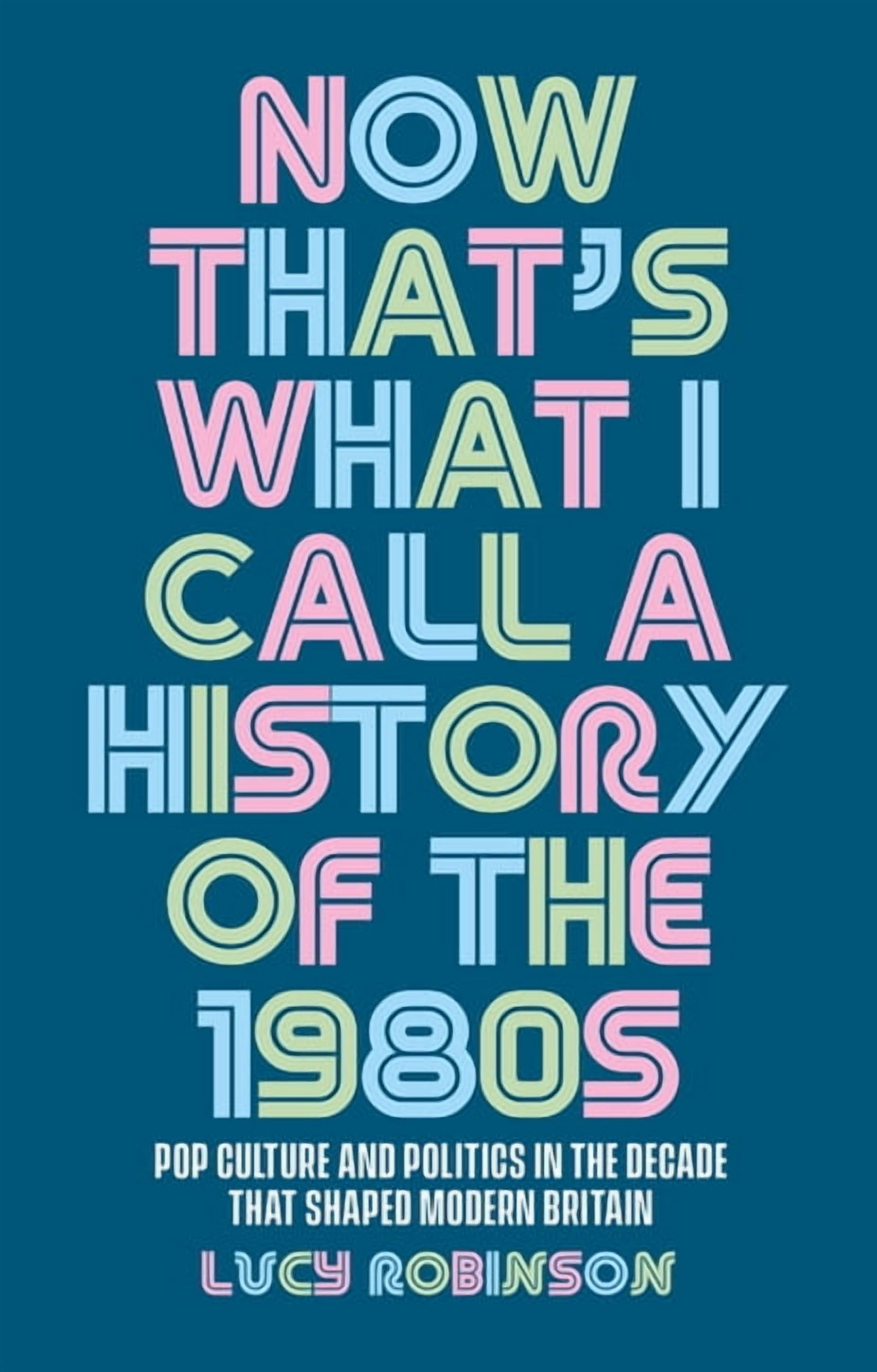
The 1980s culture was a vibrant, high-energy era defined by the rapid commercialization of personal computing, the dominance of MTV, bold neon fashion, and blockbuster cinema, all shaped by a backdrop of late-Cold War politics and aggressive economic deregulation.
The Socio-Political and Economic Landscape of the 1980s
To understand 1980s culture, one must first examine the socio-political framework that gave rise to its defining paradox: a synthesis of technological optimism and acute geopolitical anxiety. The decade was anchored politically by figures like U.S. President Ronald Reagan and British Prime Minister Margaret Thatcher. Their administrations championed free-market capitalism, deregulation, and a reduced role for the state, sparking an era of conspicuous consumption and wealth accumulation famously parodied in the film Wall Street through the mantra "greed is good."
At the same time, the Cold War entered its final, tense chapter. The Soviet invasion of Afghanistan in 1979, the deployment of intermediate-range nuclear missiles in Europe, and the rhetoric of the "Evil Empire" kept the threat of nuclear annihilation firmly in the public consciousness. This anxiety manifested in popular culture through apocalyptic science fiction, civil defense drills, and politically charged punk and alternative music. Yet, everyday life for the burgeoning middle class was characterized by suburban expansion, shopping malls, and an expanding consumer electronics market that promised a brighter, faster, and more entertaining future.
Technological Revolutions: The Birth of the Digital Age
The 1980s served as the foundational bridge between the analog world of the mid-20th century and the hyper-connected digital landscape of today. Computing shifted from room-sized mainframes used exclusively by universities and governments to affordable, accessible personal computers designed for the home and office.
The Rise of Personal Computing
The release of the IBM Personal Computer (IBM PC) in 1981 established the industry standard for hardware architecture, while Apple revolutionized human-computer interaction with the introduction of the Macintosh in 1984, featuring a graphical user interface (GUI) and a mouse. Concurrently, affordable home computers like the Commodore 64, Sinclair ZX Spectrum, and the Atari ST democratized programming and digital gaming for millions of households.
Home Entertainment and Gaming
Before the 1980s, video games were largely confined to commercial arcades. The decade transformed gaming into a domestic pastime. Following the catastrophic video game crash of 1983, the introduction of the Nintendo Entertainment System (NES) in North America in 1985 revitalized the industry, establishing franchises that remain cultural touchstones today. Simultaneously, the videocassette recorder (VCR) liberated viewers from television network schedules, creating the home-video rental market and fundamentally changing how films were consumed and distributed.
| Technology/Product | Release Year | Primary Impact on 1980s Culture |
|---|---|---|
| Sony Walkman | 1979 (Global rollout in '80s) | Pioneered portable, personalized music consumption on the go. |
| IBM PC | 1981 | Standardized personal computing for corporate and domestic use. |
| Compact Disc (CD) | 1982 | Introduced pristine digital audio, eventually replacing vinyl and cassettes. |
| Apple Macintosh | 1984 | Popularized the graphical user interface and desktop publishing. |
| Nintendo Entertainment System | 1985 (US) | Resurrected the home console market and launched global gaming franchises. |
Music, MTV, and the Audiovisual Shift
Music in the 1980s was radically altered by the advent of music television. Launched on August 1, 1981, MTV (Music Television) transformed audio recordings into narrative visual products. Artists who understood visual branding—most notably Michael Jackson and Madonna—became global multimedia superstars. Jackson’s Thriller (1982) shattered racial barriers on MTV and became the best-selling album of all time, redefining the commercial scale of the music industry.
The decade also witnessed the explosion of synthesizer-driven pop, New Wave, and post-punk. Bands like Depeche Mode, Duran Duran, and The Cure utilized electronic instruments to create atmospheric, futuristic sounds that defined the decade's sonic palette. Simultaneously, hip-hop emerged from the Bronx in New York City, transitioning from block parties to commercial viability with the release of records by Run-D.M.C., the Beastie Boys, and Public Enemy, laying the groundwork for a dominant global cultural force. Heavy metal and arena rock also achieved peak commercial success, with bands like Metallica, Mötley Crüe, and Guns N' Roses dominating stadium tours and airwaves.
Cinema: Blockbusters and Independent Milestones
The 1980s cinema landscape was polarized between high-concept, effects-driven commercial blockbusters and gritty, character-driven independent films. Building on the templates established by Jaws and Star Wars in the late 1970s, producer George Lucas and director Steven Spielberg cemented the modern summer blockbuster era.
Franchise Dominance and Sci-Fi
The decade delivered some of the most enduring cinematic franchises in history, including the original Star Wars trilogy (The Empire Strikes Back and Return of the Jedi), the Indiana Jones series, Back to the Future, Ghostbusters, and Blade Runner. Science fiction explored anxieties about technology, alienation, and corporate dominance, while action cinema thrived on muscular, hyper-masculine heroes portrayed by Sylvester Stallone and Arnold Schwarzenegger in films like Rambo: First Blood and Terminator.
Teen Culture and John Hughes
A distinct subgenre of cinema emerged focused on teenage angst, class divisions, and suburban life, spearheaded by writer-director John Hughes. Films such as The Breakfast Club, Ferris Bueller’s Day Off, and Pretty in Pink validated the emotional experiences of teenagers, elevating youth culture from a marketing demographic to a central cultural authority.
Fashion, Aesthetics, and Visual Culture
The visual aesthetics of the 1980s were characterized by maximalism, vibrant colors, geometric patterns, and bold silhouettes. Fashion served as a tool for both status signaling and counter-cultural expression.
- Power Dressing: Driven by women entering the corporate workforce in unprecedented numbers, professional attire featured structured shoulder pads, tailored suits, and bold jewelry designed to project authority in male-dominated corporate environments.
- Casual and Athletic Wear: The fitness craze led by Jane Fonda and the rise of hip-hop culture brought athletic wear into everyday fashion. Neon windbreakers, tracksuits, leg warmers, and canvas sneakers became ubiquitous.
- Subcultural Styles: Punk, goth, and new romantic subcultures rejected mainstream consumerism through asymmetric haircuts, heavy makeup, leather, lace, and thrift-store garments, heavily influenced by musicians like David Bowie, Boy George, and Siouxsie Sioux.
Frequently Asked Questions
What defined the music of the 1980s?
The 1980s music scene was defined by the integration of synthesizers, drum machines, and visual storytelling via MTV. It saw the commercial peak of synth-pop, the global dominance of pop icons like Michael Jackson and Madonna, the mainstream breakthrough of hip-hop, and the massive popularity of arena rock and heavy metal.
How did personal computers change daily life in the 1980s?
Personal computers transitioned from expensive enterprise tools to accessible home and office appliances. Machines like the IBM PC, Apple Macintosh, and Commodore 64 introduced word processing, digital spreadsheets, and home entertainment, laying the groundwork for the modern digital workforce and consumer habits.
Why is the 1980s considered the golden age of the blockbuster?
The decade perfected the high-concept, heavily marketed summer movie event. Driven by advances in practical and visual effects, directors like Steven Spielberg and George Lucas produced iconic franchise films that prioritized universal appeal, merchandising, and theatrical spectacle.
What role did MTV play in popular culture?
MTV revolutionized the music industry by linking audio tracks to high-production-value music videos. It created visual icons, dictated radio playlists, and established a direct, 24-hour visual marketing channel that shaped youth fashion, slang, and consumer behavior.
How did Cold War politics influence 1980s entertainment?
Geopolitical tensions between the United States and the Soviet Union inspired numerous films, novels, and songs dealing with nuclear war, espionage, and military heroism. Action movies often featured Soviet villains, while science fiction frequently explored dystopian futures shaped by technological or political collapse.
Conclusion and Legacy
The culture of the 1980s remains a powerful reference point in contemporary media, design, and entertainment. By laying the technological groundwork for personal computing, popularizing multi-platform entertainment through music videos and home video, and defining modern consumer aesthetics, the decade fundamentally shaped the modern world. Examining this era reveals not merely a nostalgic collection of pop-culture relics, but the crucible in which our current digital and globalized society was forged.