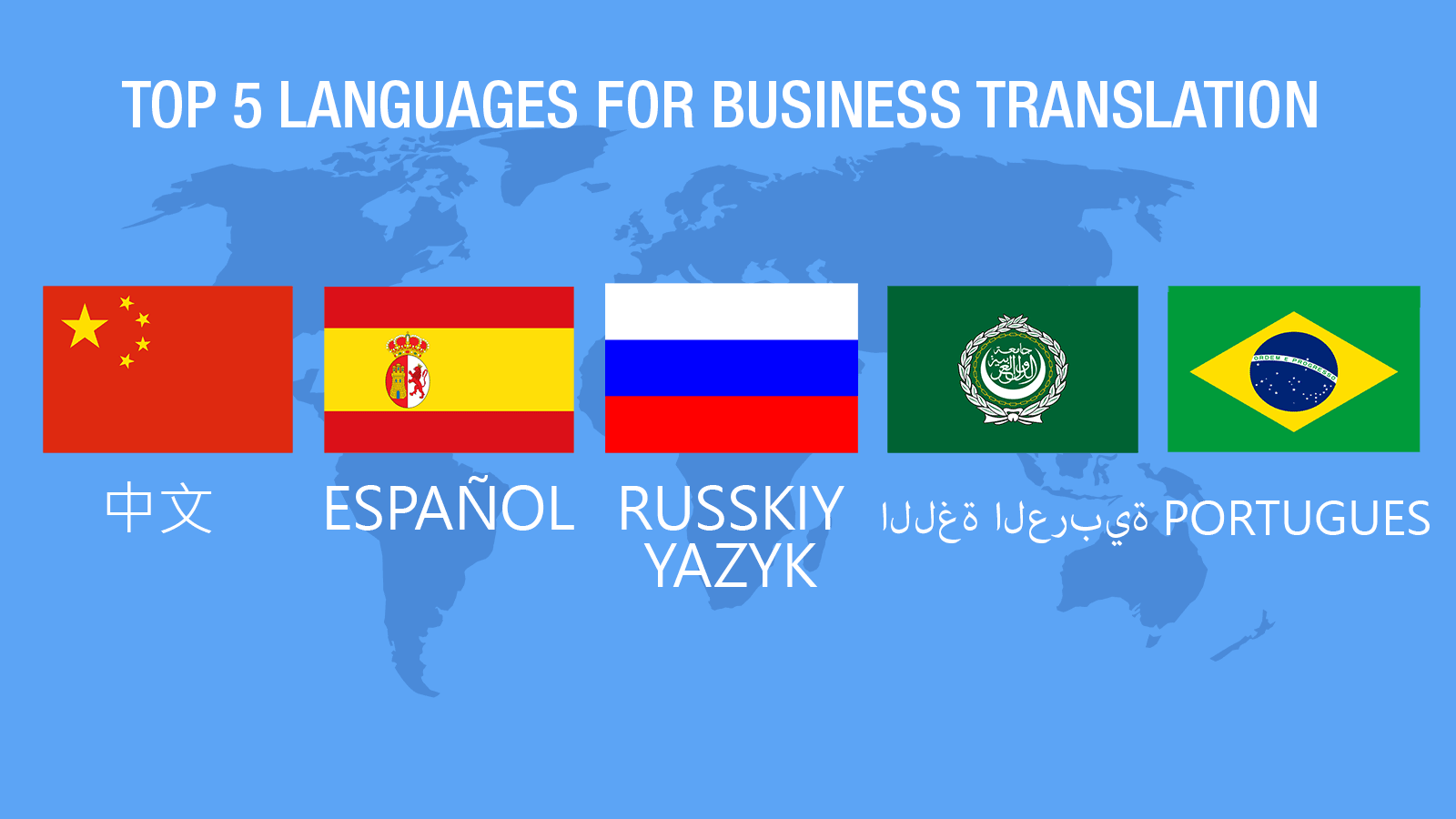
In 2026, English remains the primary global lingua franca, but Mandarin Chinese, Spanish, Arabic, and French have become indispensable for capturing high-growth markets. Proficiency in these languages facilitates direct negotiation, builds trust in emerging economies, and provides a distinct competitive advantage when navigating complex international trade regulations and multi-billion dollar investment landscapes.
The landscape of international commerce has shifted significantly over the last decade. While digital transformation and AI-driven translation tools have reached maturity, the "human element" of language remains the most critical factor in closing high-stakes deals and managing long-term institutional relationships. For investors and trade professionals, selecting a language to master—or a regional office to staff with native speakers—is no longer just a cultural choice; it is a calculated financial decision based on GDP growth, demographic shifts, and geopolitical stability.
1. English: The Universal Baseline of Global Commerce
Despite the rise of multipolar economic blocs, English continues to serve as the foundational language for international finance, aviation, and maritime trade. In 2026, an estimated 2 billion people speak English either natively or as a second language, making it the most practical tool for initial market entry.
The Legal and Financial Standard
Most international contracts, regardless of the parties' origins, are drafted in English. This is largely due to the maturity of English common law and its influence on global arbitration standards. For investment professionals, English is the language of the International Monetary Fund (IMF) and the World Bank, ensuring that fiscal policies and global market reports are accessible first in this medium.
The Language of Innovation
Technical specifications in the semiconductor industry, biotechnology, and artificial intelligence are predominantly written in English. For a business to remain competitive in global trade, English is not just a "useful" language; it is a prerequisite for entry into the global supply chain.
2. Mandarin Chinese: The Powerhouse of Manufacturing and Supply Chains
As China continues to lead in green technology, electric vehicles, and global infrastructure through the evolving Belt and Road initiatives, Mandarin Chinese is the most strategically significant language for trade in 2026. While many high-level executives in Beijing or Shanghai speak English, the ability to communicate in Mandarin is essential for mid-level negotiations and supply chain management.
Navigating the RCEP Bloc
The Regional Comprehensive Economic Partnership (RCEP), the world’s largest free trade agreement, has solidified Mandarin's role as a dominant regional language. For investors looking at Southeast Asia, Mandarin often acts as a secondary bridge language in business circles within Malaysia, Singapore, and Thailand.
Building Relationship Capital (Guanxi)
In Chinese business culture, the concept of Guanxi (personalized social networks and influential relationships) is paramount. Speaking Mandarin allows foreign investors to move beyond the transactional nature of a contract and build the deep, trust-based relationships required for long-term project success in the mainland.
3. Spanish: Unlocking the Americas and Nearshoring Trends
The importance of Spanish in 2026 cannot be overstated, particularly due to the massive shift toward "nearshoring." As North American companies move their manufacturing bases from Asia to Mexico and Central America to reduce lead times and logistics costs, Spanish has become a high-ROI language for trade professionals.
The US-Mexico-Canada Agreement (USMCA)
Under the mature framework of the USMCA, trade between the US and Mexico has reached record highs. Proficiency in Spanish allows logistics firms and manufacturers to navigate the local legal requirements and labor markets in Mexico, which has become a primary hub for automotive and aerospace manufacturing.
Emerging South American Markets
Beyond Mexico, countries like Colombia, Chile, and Argentina offer significant opportunities in commodities, fintech, and renewable energy. Spanish is the common denominator that allows a business to scale across an entire continent with relatively low linguistic friction.
4. Arabic: The Language of Sovereign Wealth and Energy Transition
In 2026, the Middle East is no longer just an oil-dependent region. Through initiatives like Saudi Vision 2030, the Gulf Cooperation Council (GCC) nations have diversified into tourism, tech, and massive infrastructure projects. Arabic is the key to accessing some of the world's most liquid sovereign wealth funds (SWFs).
Accessing High-Capital Investors
The Public Investment Fund (PIF) of Saudi Arabia and the Abu Dhabi Investment Authority (ADIA) are among the largest institutional investors globally. While English is spoken in these offices, the cultural nuance and the ability to review local regulatory filings in Arabic provide a significant edge during the due diligence phase of private equity and real estate deals.
Strategic Trade Hubs
Cities like Dubai and Doha serve as the re-export hubs for trade between Europe, Africa, and Asia. Arabic remains the primary language of government tenders and local administrative law in these jurisdictions, making it vital for firms looking to establish a physical presence in the MENA region.
5. French: The Future of African Consumer Markets
While French is often associated with Europe, its true business value in 2026 lies in Africa. With the fastest-growing population on earth, the African continent is the next frontier for global trade, and a significant portion of its growth is occurring in Francophone nations.
The African Continental Free Trade Area (AfCFTA)
The AfCFTA has begun to unify African markets, and French is a working language for many of the involved states, particularly in Western and Central Africa. Countries like Côte d'Ivoire, Senegal, and the Democratic Republic of the Congo (DRC) are seeing massive investments in mining (especially cobalt and copper for batteries) and telecommunications.
European Institutional Influence
French remains a primary administrative language of the European Union (EU) and the United Nations. For businesses involved in international law, diplomacy, or EU-specific trade regulations, French provides the necessary access to the corridors of power in Brussels and Strasbourg.
Comparison of Language Impact on Global Trade (2026 Data)
The following table compares the strategic value of these languages based on their primary economic drivers and geographic reach.
| Language | Primary Economic Region | Key Industries | Growth Potential (Investment) |
|---|---|---|---|
| English | Global / North America | Finance, Tech, Aviation | Stable / Essential |
| Mandarin | East Asia / RCEP | Manufacturing, Green Energy | High (Strategic) |
| Spanish | Latin America / US | Manufacturing, Fintech | High (Nearshoring) |
| Arabic | MENA Region | Energy, Real Estate, SWFs | Very High (Capital) |
| French | Francophone Africa / EU | Mining, Infrastructure, Law | Rapidly Emerging |
| German | European Union | Engineering, Automotive | High (Stability) |
| Portuguese | Brazil / Angola | Agribusiness, Energy | Moderate |
6. German: The Engine of European Engineering
German remains a powerhouse language for anyone involved in precision engineering, chemicals, or automotive manufacturing. Germany is the largest economy in the Eurozone, and its "Mittelstand" (small to medium-sized highly specialized companies) is the backbone of European exports.
B2B Dominance in Central Europe
German is the most widely spoken native language in the EU. For trade within the DACH region (Germany, Austria, Switzerland), being able to communicate in German is often the difference between being a preferred supplier and a secondary option. The German business culture prizes precision and "Fachkompetenz" (technical expertise), which is best demonstrated in the native tongue.
7. Portuguese: The Agribusiness and Commodity Bridge
With Brazil’s role as a "breadbasket" to the world, Portuguese has secured its place as a top-tier trade language. Brazil is a leading exporter of iron ore, soybeans, and crude oil, making it a critical partner for both China and the West.
The Lusophone Link
Beyond Brazil, Portuguese opens doors in Angola and Mozambique—two African nations with significant untapped mineral and energy wealth. As these nations modernize their infrastructure, the ability to negotiate in Portuguese is a niche but highly valuable skill for global investors.
Strategic Implementation: Beyond Translation
In 2026, the goal for a global business is not just to translate words, but to translate intent. Relying solely on AI can lead to "cultural blindness," where a message is grammatically correct but socially offensive or legally imprecise.
Cost-Benefit of Language Acquisition
For a business, the cost of training a senior executive in a new language can range from $5,000 to $20,000 depending on the intensity. However, the ROI is measured in the avoidance of contractual misunderstandings and the speed of market entry. For example, a firm proficient in Spanish may enter the Mexican market 30% faster than one relying entirely on third-party translators.
Common Pitfalls to Avoid
- Over-reliance on English: Assuming everyone speaks English leads to missing out on the "hidden" market of small and medium enterprises that don't operate internationally.
- Dialect Ignorance: Using European Spanish in Mexico or European Portuguese in Brazil can lead to confusion. Regional nuances matter in trade.
- Ignoring the "Middle Management": High-level officials may speak English, but the people managing the warehouse, the port, and the local permits likely do not.
Frequently Asked Questions
Is Mandarin or English more important for trade in 2026?
English remains the most important for global connectivity and finance, but Mandarin is arguably more important for physical trade, manufacturing, and supply chain logistics. If your business depends on Asian manufacturing, Mandarin is the higher-priority specialized language.
Should I learn a language or hire a local agent?
For most businesses, a hybrid approach is best. Having a local agent is essential for navigating bureaucracy, but having a senior internal leader who speaks the language provides a layer of verification and ensures that your company's interests are not "lost in translation" by the agent.
How has AI affected the need for learning business languages?
AI has made basic communication effortless, but it has actually increased the value of human fluency for high-stakes negotiation. Because everyone can use AI for email, the ability to speak fluently in person or on a call has become a rare and premium "trust signal" in international investment.
Which language is best for the energy sector?
Arabic is the most useful for the traditional and renewable energy sectors in the Middle East, while Portuguese and French are increasingly relevant for the mining of transition minerals (lithium, cobalt) in South America and Africa.
Is it too late to start learning a language for business?
No. In 2026, even "working proficiency" (the ability to hold a business meeting and understand a contract's gist) is highly valued. Most professionals can reach this level in 6-12 months of immersive study for languages like Spanish or French.
Final Recommendation
For businesses and investors looking to maximize their global footprint in 2026, the most effective strategy is a dual-language approach. Maintain English as the primary operational language, but invest heavily in one "Strategic Growth Language"—Mandarin for manufacturing, Spanish for the Americas, or Arabic for capital—based on your specific industry and target region. The ability to speak the language of your partner is the ultimate gesture of respect and the most reliable way to secure a seat at the global table.