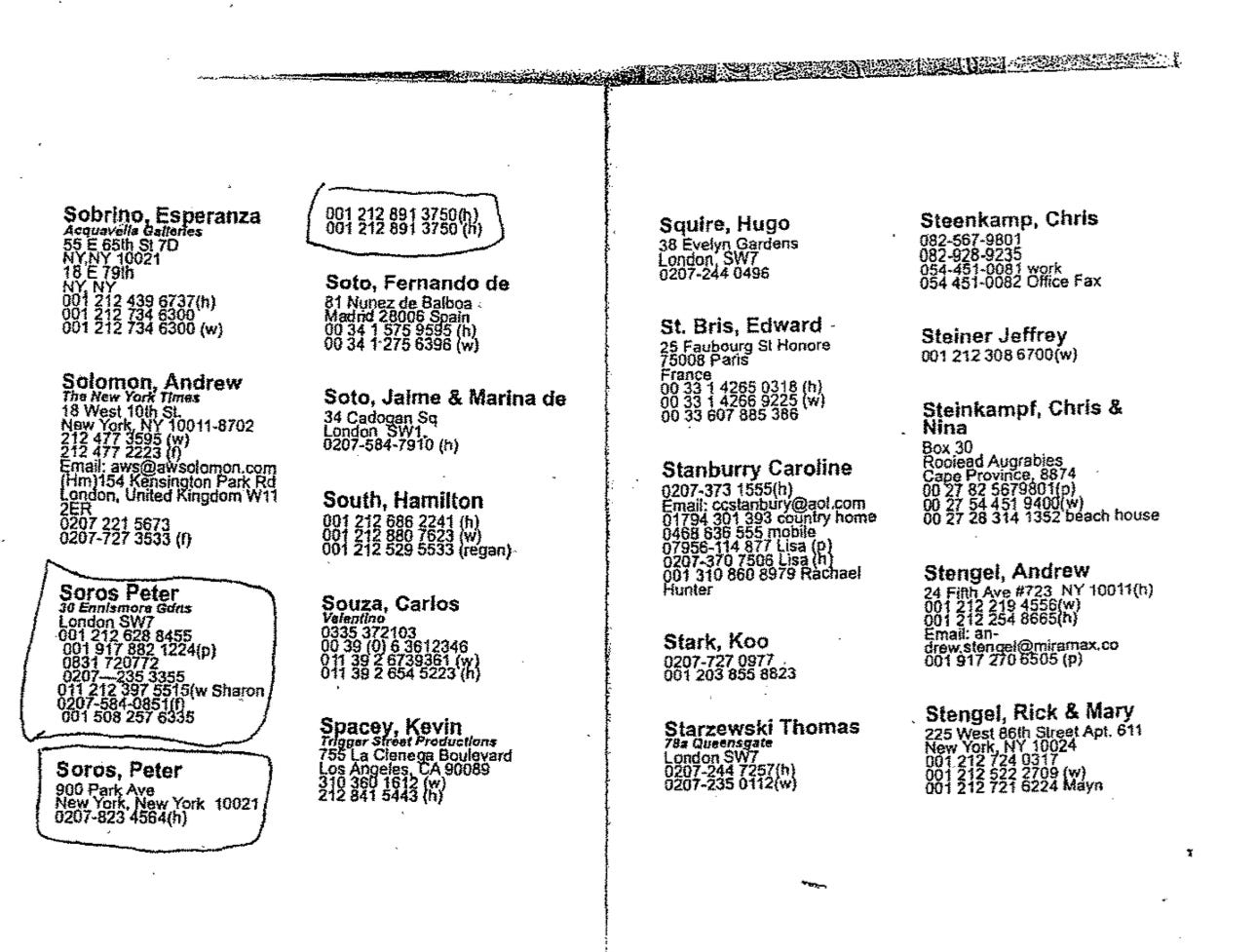
Jeffrey Epstein’s flight logs are a collection of aviation records documenting the movement of his private aircraft and passengers between the early 1990s and 2019. These logs, primarily surfaced through the 2021 trial of Ghislaine Maxwell and various civil lawsuits, detail thousands of trips involving high-profile politicians, celebrities, and business leaders traveling to Epstein’s residences in New York, Florida, New Mexico, and the U.S. Virgin Islands.
The Significance of the Epstein Flight Records
For over two decades, Jeffrey Epstein utilized a fleet of private aircraft to facilitate his global social and criminal network. The flight logs are not a single document but a compilation of pilot manifests, FAA records, and handwritten entries from various pilots, most notably David Rodgers and Larry Visoski. These records have become central to public interest and legal proceedings because they provide a verifiable timeline of Epstein’s movements and the individuals who traveled within his inner circle.
As of 2026, these logs remain the most definitive primary source for understanding the scope of Epstein’s influence. It is important to distinguish between the flight logs (records of actual travel) and the "Black Book" (Epstein’s personal contact directory) or the "Client List" (a term often used by the media to describe individuals named in unsealed court depositions). While being named in a flight log confirms presence on the aircraft, it does not, by itself, constitute evidence of illegal activity.
Primary Aircraft in the Epstein Fleet
Epstein’s transportation infrastructure was designed for privacy, luxury, and long-range travel. He owned and operated several aircraft through various shell companies, such as JEGE, Inc. and Planetenstein.
The Boeing 727-100 (N222CY)
Commonly referred to in the media as the "Lolita Express," this was the flagship of Epstein's fleet. The aircraft was a heavily modified commercial airliner capable of carrying over 20 passengers in a bespoke luxury configuration.
- Configuration: The interior included several lounges, a master bedroom, and multiple bathrooms. Unlike standard commercial 727s, which can hold nearly 100 passengers, N222CY was tailored for a small group of elite guests and Epstein's staff.
- Operational Role: This aircraft was primarily used for international transoceanic flights and large-group transport between New York (Teterboro) and Epstein's private island, Little St. James.
- Technical Legacy: The Boeing 727-100 was known for its three-engine design and its ability to operate from shorter runways than other large jets of its era, making it ideal for the Caribbean.
The Gulfstream IV (N120JE)
The Gulfstream IV was a staple of Epstein’s domestic travel. This mid-size business jet was frequently used for hops between Palm Beach, Florida, and Teterboro, New Jersey.
- Capabilities: The G-IV offered high-speed performance and could land at smaller executive airports where the Boeing 727 might face restrictions.
- Usage Frequency: Data indicates this was perhaps the most "hard-working" aircraft in the fleet for Epstein's day-to-day business and social movements.
The Gulfstream V (N550JS)
Later in his life, Epstein added a Gulfstream V to his collection. The G-V represented a significant upgrade in range and technology compared to the older G-IV.
- Ultra-Long Range: The G-V could fly non-stop from New York to Paris or even further, allowing Epstein to maintain his European social ties with minimal refueling stops.
- Modern Avionics: As a newer aircraft, its flight data was more thoroughly tracked by modern digital systems, providing more granular details for investigators in the years following Epstein's death.
Bell 430 Helicopter (N430JE)
To bridge the gap between the Cyril E. King Airport in St. Thomas and his private island, Little St. James, Epstein utilized a Bell 430 helicopter. This was the final leg for most guests visiting his Caribbean estate.
Analysis of Names and High-Profile Passengers
The names appearing in the flight logs have been the subject of intense scrutiny by the Department of Justice and the global media. The logs reveal a cross-section of global power players from the late 20th and early 21st centuries.
Political Figures
Several world leaders and political figures appear in the manifests.
- Bill Clinton: Records and pilot testimony confirm that the former President flew on Epstein's Boeing 727 on several occasions in the early 2000s, primarily for humanitarian trips to Africa. While Clinton has acknowledged these flights, he has denied visiting Epstein's private island.
- Donald Trump: Flight logs from the 1990s show Trump traveled on Epstein's plane between Palm Beach and New York. Unlike other figures, these flights occurred well before Trump’s presidency and primarily within domestic routes.
- Prince Andrew: The Duke of York is a recurring name in the logs, with entries documenting travel to various Epstein properties. These records served as critical evidence in the civil litigation brought by Virginia Giuffre.
Celebrities and Academics
The logs show Epstein’s desire to surround himself with "brilliance" and fame.
- Prominent Academics: Names like Marvin Minsky and Stephen Hawking appear in documents related to Epstein’s sponsored conferences, though not all participated in the same types of social travel as his political associates.
- Entertainment Industry: Figures such as Kevin Spacey, Chris Tucker, and Naomi Campbell appear in the logs. In many cases, these individuals were part of larger group delegations.
The Role of "Jane Does"
A tragic and significant portion of the flight logs includes young women and girls, often listed only by first names or initials (e.g., "Jane Doe #3"). In the 2021 Maxwell trial, these logs were used to prove that Epstein and Maxwell transported minors across state lines, a key component of the sex trafficking charges.
Flight Manifest Comparison Table
The following table summarizes the primary aircraft associated with Jeffrey Epstein and their typical operational profiles based on verified FAA and trial data.
| Aircraft Model | Tail Number | Passenger Capacity | Primary Use/Destinations | Key Pilot Records |
|---|---|---|---|---|
| Boeing 727-100 | N222CY | ~25 (Custom) | International / NY to USVI | David Rodgers / Larry Visoski |
| Gulfstream IV | N120JE | 14-19 | Domestic (FL, NY, NM) | Larry Visoski |
| Gulfstream V | N550JS | 14-19 | Long-range International | Various |
| Bell 430 (Heli) | N430JE | 6-8 | St. Thomas to Little St. James | Local Contractors |
| Cessna 421B | N10292 | 6-8 | Early transport (1990s) | David Rodgers |
Legal Procedures and the Unsealing of Records
The public's access to these names and flight details is the result of years of litigation. The two primary catalysts for the release of these documents were:
- Giuffre v. Maxwell (2015): A defamation lawsuit filed by Virginia Giuffre against Ghislaine Maxwell. This case resulted in the unsealing of thousands of pages of documents, including Epstein’s "Black Book" and significant portions of the pilot logs.
- United States v. Ghislaine Maxwell (2021): During this criminal trial, the government entered "Exhibit 52" into evidence—a comprehensive logbook maintained by pilot David Rodgers. This document provided the most detailed look at passenger lists from 1991 to 2006.
In January 2024, a New York judge ordered the final unsealing of dozens of documents related to the Giuffre case. This release clarified the identities of many "John Does" and "Jane Does" mentioned in previous depositions, though it did not necessarily add new "names to a list" in the way some had speculated; rather, it provided the full context of why those names were mentioned in legal testimony.
Geographic Hubs of Epstein's Aviation Network
The flight logs reveal a consistent pattern of travel between five primary "hubs." Understanding these locations is essential for interpreting the aircraft details and flight paths.
- Teterboro Airport (TEB), New Jersey: Serving as the gateway to Epstein’s Manhattan townhouse, Teterboro is the most frequent point of departure and arrival in the logs.
- Palm Beach International (PBI), Florida: Flights to and from PBI were common during the winter months, connecting Epstein’s Florida estate to his other properties.
- Cyril E. King Airport (STT), St. Thomas: This was the staging ground for all trips to Little St. James. Passengers would arrive via jet and transfer to the helicopter or a private ferry.
- Santa Fe Municipal (SAF), New Mexico: This airport served the Zorro Ranch. Logs show frequent travel to this location, often with different sets of passengers than those visiting the Caribbean.
- Paris-Le Bourget (LBG), France: Epstein’s apartment in Paris was a frequent destination for the Gulfstream fleet, particularly in the later years of his operations.
Data Verification and Accuracy Challenges
While the flight logs are historical documents, they are not infallible. There are several reasons why researchers and legal experts approach them with a degree of caution:
- Handwritten Discrepancies: Many early logs were handwritten by pilots who may have misspelled names or used shorthand.
- Manifest Omissions: It has been alleged in various depositions that not every passenger was always recorded on the official manifest, especially during short "hops" or when Epstein sought maximum discretion.
- Ownership Changes: Epstein frequently changed the tail numbers of his aircraft or moved them between different holding companies to obscure his travel patterns from public flight-tracking services like FlightAware.
- "Deadhead" Flights: Many entries in the logs represent "deadhead" legs—flights where the aircraft was being moved for maintenance or to pick up Epstein at another location, meaning no passengers were aboard.
Professional Perspective on Aviation Privacy
The Epstein case led to significant discussions within the aviation industry regarding the Privacy ICAO Address (PIA) program and the Limiting Aircraft Data Displayed (LADD) program. These programs allow aircraft owners to fly without their tail numbers being broadcast to public tracking websites. Epstein utilized these privacy measures extensively, which is why the physical pilot logs—rather than digital radar data—remain the primary source of truth for his passenger history.
The disclosure of these logs has significantly impacted how high-net-worth individuals handle flight manifests. In the years following the unsealing of the Epstein records, there has been a shift toward even more stringent privacy protocols in private aviation to prevent similar "long-tail" legal exposure.
Frequently Asked Questions
Is there a difference between the "Flight Logs" and the "Client List"?
Yes. The flight logs are actual records of travel maintained by pilots. The "Client List" is a colloquial term used by the public to refer to people mentioned in court documents, many of whom were never on the planes but were mentioned in depositions, emails, or the "Black Book."
Does appearing on the flight logs mean someone is guilty of a crime?
No. The flight logs record travel only. Many individuals on the logs were employees, family members of associates, or guests who may have been unaware of Epstein's criminal activities. Legal experts emphasize that presence on a flight is a matter of "proximity," not "culpability."
Which pilot provided the most information?
David Rodgers, who flew for Epstein for over a decade, provided the most comprehensive logs used in the Ghislaine Maxwell trial. His records are often considered the "gold standard" for researchers because of their detail.
Were there any flights recorded after Epstein's 2019 arrest?
No. Upon his arrest in July 2019, his aircraft were grounded as part of the civil and criminal asset forfeiture processes. The Boeing 727 was eventually sold and scrapped, while other assets were liquidated to fund the Epstein Victims' Compensation Program.
How can I access the official flight logs?
The logs are part of the public record for the United States v. Ghislaine Maxwell case. They can be accessed through the PACER (Public Access to Court Electronic Records) system or through various investigative journalism archives that have hosted the PDF versions of "Exhibit 52."
Next Actions for Researchers
For those looking to verify specific claims regarding the flight logs, the most reliable next step is to consult the unsealed court transcripts from the Southern District of New York (SDNY). Specifically, searching for "Exhibit 52" from the Maxwell trial provides the raw data without the editorial bias often found in social media summaries.
Additionally, checking the records against the FAA Registry can confirm the historical ownership and tail-number changes of the N222CY, N120JE, and N550JS aircraft. This ensures that the data being analyzed corresponds to the correct timeframe of Epstein's ownership.