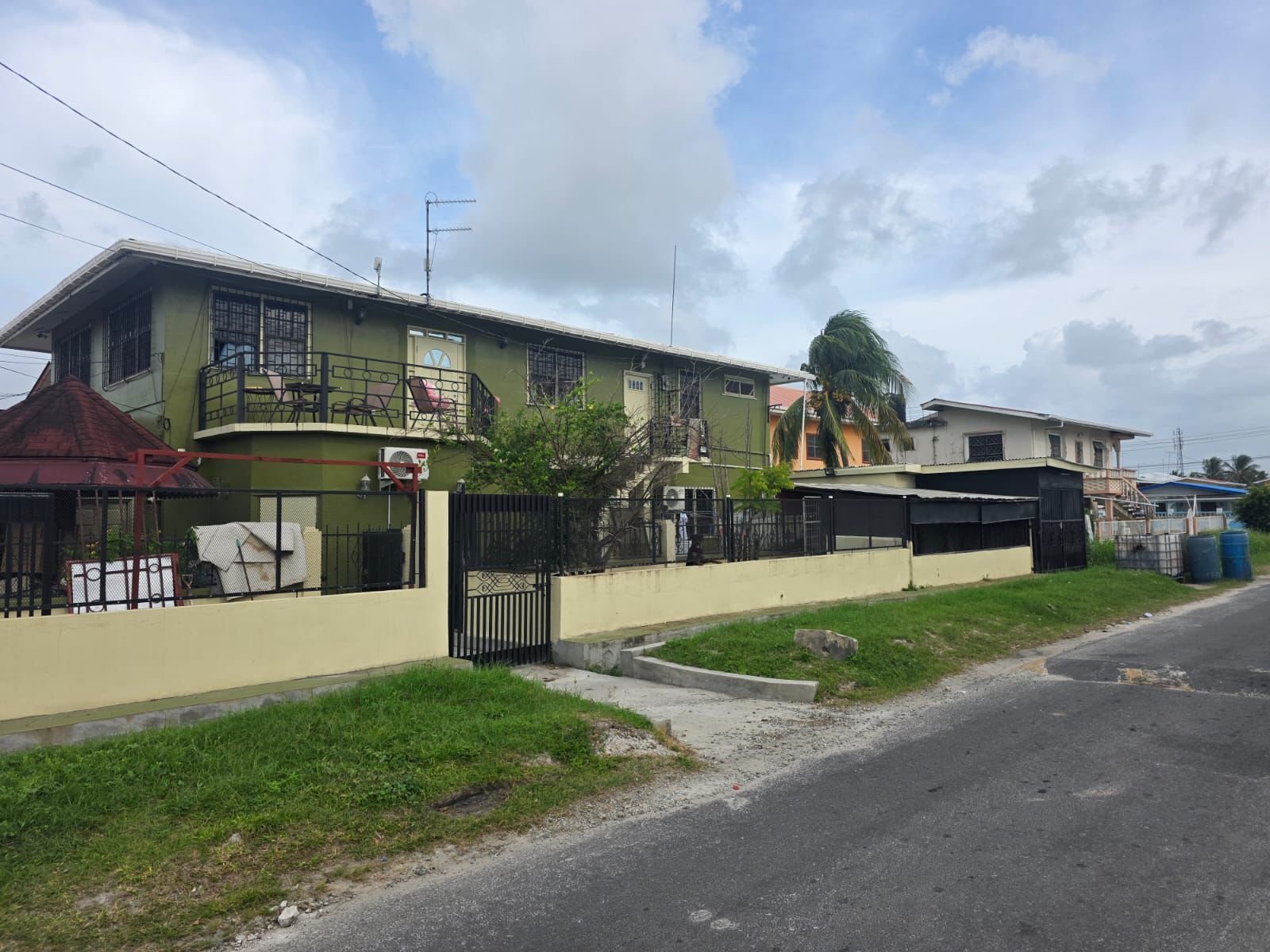
Purchasing real estate in Guyana requires a strategic understanding of the local land tenure systems, the evolving infrastructure landscape of 2026, and the legal framework governing foreign and domestic investment. As the Guyanese economy continues its rapid expansion, driven by the energy sector and significant government investments in housing infrastructure, the property market has become increasingly sophisticated. This guide outlines the essential processes, legal requirements, and market considerations for prospective buyers seeking residential properties in this emerging Caribbean-South American hub.
Understanding the Guyanese Real Estate Landscape in 2026
The market for residential real estate in Guyana is currently defined by a surge in demand across the Coastal Plain, specifically within the Demerara-Mahaica region. As of 2026, urban planning initiatives by the Ministry of Housing and Water have focused on expanding gated communities and planned residential schemes in areas like Eccles, Providence, and the newly developing Silica City.
Prospective buyers must distinguish between the three primary categories of property ownership prevalent in the country:
- Transported Titles: These represent the most secure form of ownership, recorded in the Deeds Registry, providing an absolute title to the land and structures.
- Land Certificates: Issued under the Land Registry Act, these are conclusive evidence of title and are often found in areas that have been brought under the compulsory registration system.
- Leasehold/Government Allotments: Often associated with government housing schemes, these involve specific stipulations regarding resale, residency requirements, and transferability that differ significantly from private freehold property.
Navigating the Legal Framework and Due Diligence
Executing a property transaction in Guyana requires engagement with the legal system to ensure clear title transfer. In 2026, the regulatory environment is stricter regarding anti-money laundering (AML) compliance, meaning all buyers must be prepared to provide documentation regarding the source of funds.
The fundamental steps for a secure transaction include:
- Agreement of Sale and Purchase: A legally binding document that outlines the price, payment terms, and conditions of the sale. It is standard practice to include a "subject to title" clause.
- Title Search: A certified lawyer must conduct a comprehensive search at the Deeds or Land Registry to ensure the property is free of liens, mortgages, or ongoing litigation.
- Valuation Report: Licensed valuers must assess the property to ensure the purchase price aligns with current 2026 market benchmarks.
- Payment of Property Taxes: Before a title can be transferred, all outstanding property rates and taxes owed to the local authorities (such as the Mayor and City Council) must be cleared.
Legal Verification Protocol
Verify Encumbrances Ensure the property has no active legal caveats. A caveat serves as a formal notice of a claim on the property, which can halt the transfer process indefinitely.
Confirm Ownership Always request the original Transport or Land Certificate. Photocopies are insufficient for verification purposes. Legal counsel should physically inspect the document at the relevant registry to confirm its authenticity against the master records.
Comparative Market Analysis: Rental vs. Acquisition
Buyers often weigh the benefits of purchasing a fixer-upper against investing in new construction within expanding developments. The table below compares the typical financial and operational metrics for these pathways in 2026.
| Metric | New Development (Gated) | Existing Coastal Home |
|---|---|---|
| Initial Capital Outlay | High | Moderate |
| Maintenance Requirements | Minimal (Modern Specs) | High (Structural/Plumbing) |
| Appreciation Potential | High (Strategic Location) | Moderate |
| Immediate Occupancy | Yes | Variable (Requires Renovation) |
| Regulatory Hurdles | Minimal (Standardized) | Complex (Title Verification) |
Financial Requirements and Mortgage Accessibility 2026
In 2026, the banking sector in Guyana, led by institutions such as Republic Bank, GBTI, and Citizens Bank, offers competitive mortgage products. However, these institutions have tightened their lending criteria to reflect the heightened value of residential assets.
Typical requirements for a mortgage application include:
- Debt-to-Income Ratio: Banks generally require this ratio to stay below 40% of the applicant’s gross monthly income.
- Down Payment: While some first-time buyer schemes allow for 5% to 10% down, the standard commercial rate for residential mortgages in 2026 is between 15% and 20%.
- Insurance: It is mandatory to maintain comprehensive building insurance and life insurance policies as conditions of the mortgage deed.
- Proof of Income: Self-employed applicants must provide at least two years of audited financial statements or bank records verified by a chartered accountant.
Essential Considerations for Overseas Buyers
Non-residents or members of the Guyanese diaspora looking to purchase property in 2026 face specific challenges regarding international wire transfers and power of attorney. If you cannot be present for the signing of the transport or the final handover, you must execute a Power of Attorney (PoA) that specifically grants your representative the authority to sign legal documents on your behalf. This document must be notarized and, in many cases, apostilled to be recognized by the Guyanese judicial system.
Frequently Asked Questions for Property Buyers
What is the average duration for a title transfer in 2026? The title transfer process typically takes between three to six months, depending on the efficiency of the Deeds Registry and the complexity of the title history. Delays often occur if there are outstanding property taxes or if a formal discharge of a previous mortgage is required.
Are there restrictions on foreign ownership of land in Guyana? There are no significant legal restrictions on foreigners owning property in Guyana, provided that all financial transactions comply with local anti-money laundering regulations. Foreigners have the same rights to hold title as citizens.
How does the government ensure the quality of new housing schemes? The Ministry of Housing and Water enforces strict building codes and infrastructure standards for new developments, including requirements for drainage, electrical grids, and potable water access. These standards are audited annually to maintain structural integrity.
Do I need a real estate agent to purchase a home? While not legally required, a reputable real estate agent provides critical access to off-market listings and facilitates negotiations. In 2026, ensure your agent is registered and has a proven track record of managing property transfers.
What are the primary utility costs associated with homeownership? Beyond the purchase price, owners must budget for electricity (Guyana Power and Light), water (Guyana Water Incorporated), and property rates. Rates are calculated based on the assessed valuation of the property and its location within a specific ward or neighborhood.
Strategic Approach for Prospective Buyers
To navigate the 2026 market successfully, prioritize location over aesthetics. Proximity to the East Bank Demerara corridor and the emerging commercial zones remains the strongest driver of long-term property appreciation. Conduct your own independent valuation, insist on a professional structural survey, and utilize a reputable law firm experienced in conveyancing. By maintaining strict adherence to legal and financial protocols, you can secure a valuable asset in one of the world's fastest-growing economies. Contact a licensed real estate consultant today to review the latest property listings that meet your specific investment criteria.