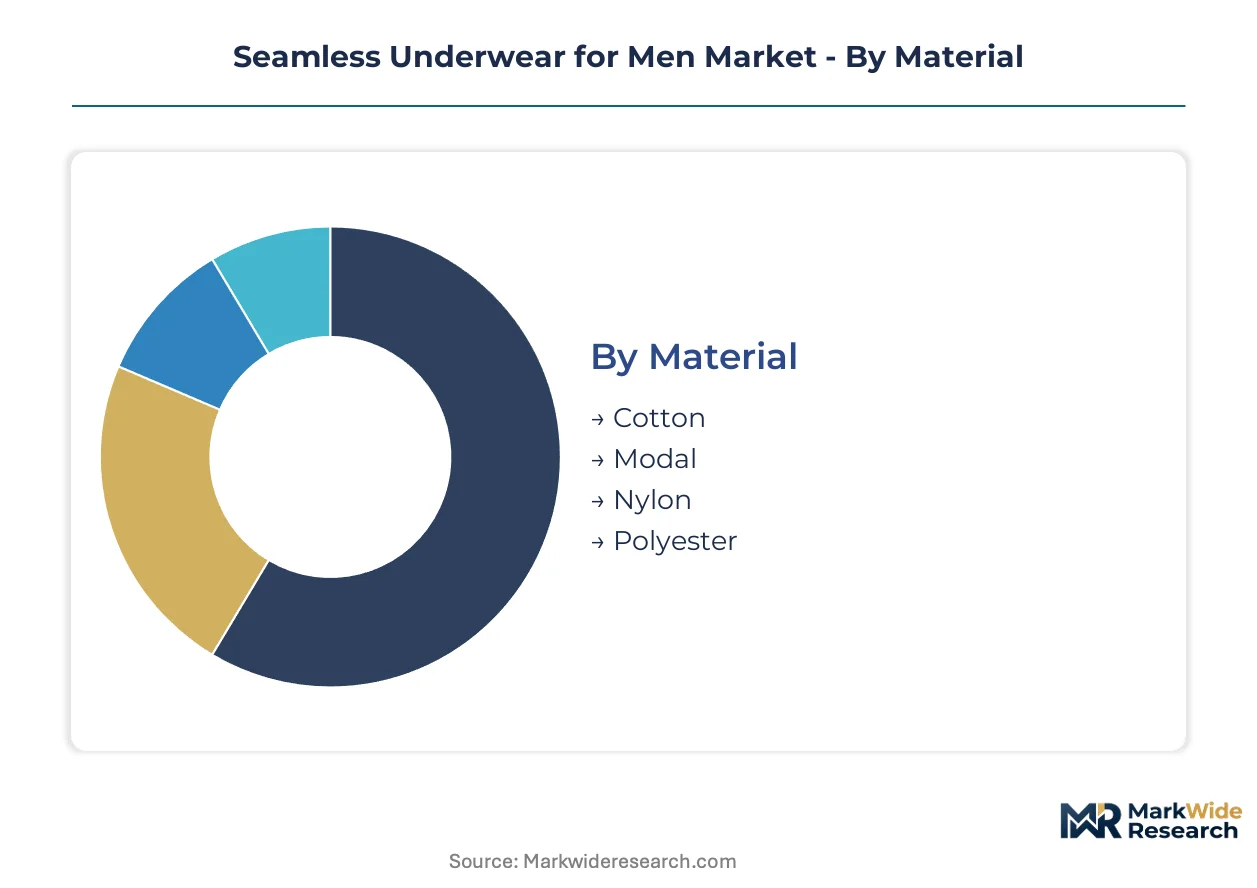
The modern men's underwear market is driven by shifting consumer preferences toward specialized performance fabrics, ergonomic support, and sustainability, dividing the industry into distinct segments ranging from budget basics to luxury designer labels.
Evolution and Market Overview
The men's underwear sector has undergone a profound transformation over the past decade. Once dominated by multi-packs of basic cotton boxers and briefs sold primarily through mass-market department stores, the category has evolved into a sophisticated lifestyle and performance segment. Today's consumers approach purchasing underwear with the same discernment they apply to outerwear or athletic gear, prioritizing technical specifications, proprietary waistbands, moisture-wicking properties, and specialized pouch designs that reduce friction and enhance support.
This maturation of the market has been accelerated by the direct-to-consumer (DTC) revolution. Digital-first brands bypassed traditional wholesale models, utilizing targeted social media marketing, subscription boxes, and customer feedback loops to iterate rapidly on fit and fabric. At the same time, legacy heritage brands responded by modernizing their core lines and introducing premium tier collections. Understanding the contemporary landscape requires looking closely at how the market is segmented, which brands dominate specific niches, and the overarching consumer trends shaping purchase decisions.
Key Market Segments in Men's Underwear
The men's underwear market is typically categorized by price point, intended use, and silhouette. Recognizing these segments helps consumers find products that align with their lifestyle requirements and budget constraints, while providing businesses with clear boundaries for product development and marketing.
1. Mass-Market and Basics
- Characteristics: High-volume production, accessible price points, dependable everyday durability.
- Primary Channels: Big-box retailers, supermarkets, and multi-brand department stores.
- Materials: Standard cotton or cotton-polyester blends.
2. Premium Everyday and Direct-to-Consumer (DTC)
- Characteristics: Focus on comfort innovations, specialized fabric blends (like modal or bamboo rayon), and modern aesthetics.
- Primary Channels: E-commerce websites, dedicated brand stores, and select specialty boutiques.
- Materials: Lenzing Modal, bamboo viscose, Tencel, and combed ringspun cotton.
3. Athletic and Performance
- Characteristics: Engineered for high-activity environments, featuring targeted ventilation zones, anti-chafing construction, and advanced moisture management.
- Primary Channels: Sporting goods retailers, outdoor specialty shops, and fitness brand ecosystems.
- Materials: Synthetic microfibers, nylon-spandex blends, and treated polyester.
4. Luxury and Designer
- Characteristics: High fashion house branding, exquisite Italian or French manufacturing, premium packaging, and statement aesthetics.
- Primary Channels: High-end department stores, luxury e-commerce platforms, and flagship boutiques.
- Materials: Silk, ultrafine merino wool, organic Egyptian cotton, and custom jacquard elastics.
Prominent Brands Across the Landscape
Different brands have carved out distinct territories within the market segments by focusing on unique value propositions, proprietary technologies, or distinct brand identities.
| Brand | Primary Market Segment | Core Differentiator / Technology | Typical Price Tier |
|---|---|---|---|
| Fruit of the Loom / Hanes | Mass-Market / Basics | Unbeatable value, multi-pack availability, enduring heritage | Budget / Economy |
| Calvin Klein | Premium / Designer | Iconic waistband branding, classic silhouettes, cultural cachet | Mid-to-High |
| Saxx | Athletic / Premium Everyday | BallPark Pouch™ technology for friction-free support | Premium |
| Mack Weldon | Premium / DTC | Daily Wear system, silver-ion anti-odor technology | Premium |
| Tommy John | Premium Everyday | Quick-access horizontal fly, non-pilling fabrics, stays-tucked designs | Premium / Luxury |
| ExOfficio | Performance / Outdoor | Give-N-Go antimicrobial travel fabrics, quick-drying | Mid-to-High |
Consumer Trends Shaping the Industry
Consumer behavior within the men's underwear market is heavily influenced by broader shifts toward health, environmental consciousness, and changing definitions of comfort.
Shift Toward Technical Fabrics and Ergonomics
Consumers are increasingly rejecting traditional 100% cotton in favor of advanced technical fabrics. Fabrics derived from sustainably sourced wood pulp, such as modal and Tencel, offer superior softness, breathability, and moisture absorption compared to standard cotton. Furthermore, ergonomic innovations—such as internal mesh pouches, anti-roll waistbands, and flatlock seams—have moved from niche athletic features to mainstream expectations for daily wear.
Sustainability and Ethical Manufacturing
Environmental concerns heavily impact purchasing decisions, particularly among millennial and Gen Z demographic segments. Shoppers look for OEKO-TEX certification, GOTS-certified organic cotton, and closed-loop manufacturing processes that minimize water waste and chemical usage. Brands that transparently communicate their supply chain practices and labor standards hold a distinct competitive advantage.
Inclusivity and Body Positivity
Marketing in the men's underwear space has evolved away from exclusively featuring hyper-muscular models in narrow settings. Modern brands embrace diverse body types, ages, and identities, reflecting a more realistic consumer base in their campaigns and sizing architectures—frequently offering extended size ranges from XS to 3XL and beyond.
Common Mistakes When Buying Men's Underwear
Navigating the vast array of choices can lead to common pitfalls that compromise comfort and value.
- Ignoring Fabric Composition for Specific Climates: Wearing heavy cotton in humid or high-activity environments traps moisture, leading to chafing and discomfort. Synthetic or modal blends are better suited for active or warm conditions.
- Sizing Inconsistencies Across Brands: Sizing is not universally standardized. Relying on a generic size without consulting a specific brand's waist measurement chart often results in waistbands that roll or leg openings that ride up.
- Overlooking Care Instructions: Premium technical fabrics and luxury materials like modal, silk, or bamboo require specific laundering protocols (such as cold water washes and line drying) to prevent shrinkage and degradation of elasticity.
- Sacrificing Support for Aesthetics: Prioritizing visual design over structural support—such as pouch design or waistband integrity—can lead to discomfort during prolonged wear.
Frequently Asked Questions
What fabric is best for everyday men's underwear?
Lenzing modal, bamboo rayon, and combed cotton blends are widely considered the best options for everyday wear. Modal and bamboo offer exceptional softness, moisture-wicking capabilities, and breathability that outperform standard cotton, keeping the wearer cool and dry throughout the day.
How often should men replace their underwear?
As a general hygiene and structural guideline, men should replace their everyday underwear every 6 to 12 months. Over time, frequent laundering breaks down elastic fibers, stretches waistbands, and can trap microscopic bacteria despite regular washing.
Are expensive underwear brands worth the investment?
Higher-priced underwear brands typically invest in superior fabrics, ergonomic construction, anti-chafing technology, and durable elastics that resist sagging. While initial costs are higher, premium underwear often outlasts budget multi-packs and provides significantly higher daily comfort.
What is the advantage of pouch underwear?
Pouch underwear features an engineered separation or supportive pocket that keeps skin-on-skin contact to a minimum. This design reduces friction, prevents chafing, improves airflow, and provides superior overall anatomical support compared to traditional single-layer briefs or boxers.
How do I prevent my underwear from riding up?
Riding up is usually caused by incorrect sizing, low-quality leg elastics, or a lack of proper fit in the thighs. Choosing boxer briefs with silicone gripper strips or longer inseams, and ensuring the correct waist and leg measurements are selected, will significantly minimize ride-up.
Final Recommendation
When selecting men's underwear, evaluate your daily routine first. For sedentary office work or casual wear, prioritize soft modal or bamboo blend boxers or trunks that emphasize breathability. For active jobs, workouts, or travel, invest in dedicated athletic or performance synthetic pairs equipped with moisture-wicking technology and ergonomic support pouches. Always consult individual brand size charts rather than relying on generic sizing assumptions to ensure optimal fit and longevity.