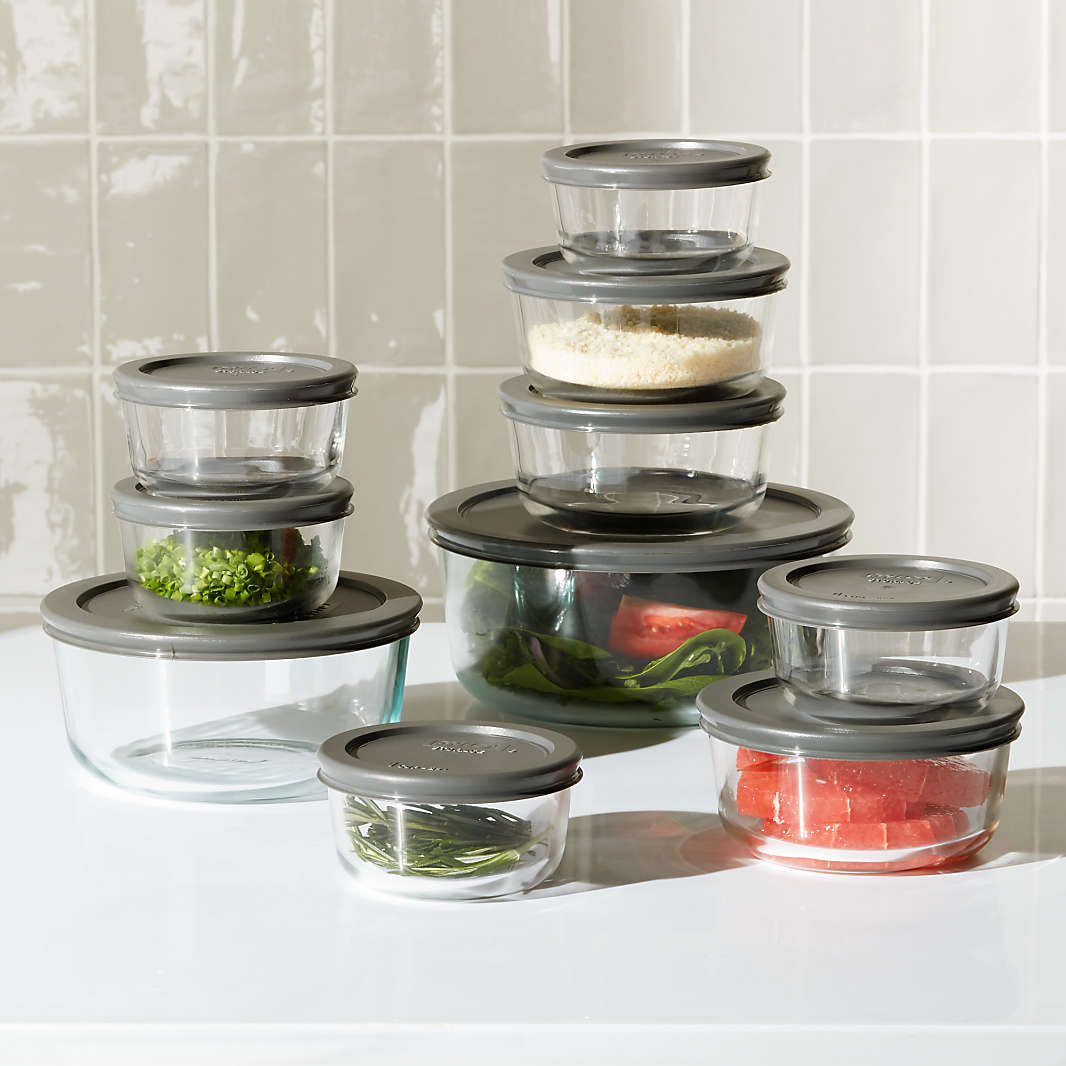
Selecting the ideal glass container brand involves balancing long-term durability, material purity, leak-proof integrity, and the environmental impact of the manufacturing process. Glass is the gold standard for food storage because it is non-porous, odor-resistant, and free from the endocrine-disrupting chemicals often found in lower-grade plastics, making it the most sustainable choice for a kitchen focused on reducing waste and chemical exposure.
Why Glass Containers Are the Standard for Sustainability
The primary argument for transitioning from plastic to glass in food storage is chemical neutrality. Glass, specifically borosilicate or high-quality tempered soda-lime glass, does not leach chemicals into food, even when heated. From a sustainability standpoint, glass is infinitely recyclable. Unlike plastic, which degrades in quality each time it is recycled and eventually reaches a "death" point in a landfill, glass can be melted down and reformed indefinitely without loss of clarity or purity.
However, "sustainability" in the context of food storage containers extends beyond the material itself. It encompasses the longevity of the product—how well it survives daily use, the recyclability of its lids, and the ethical practices of the manufacturing brand. A container that cracks within six months is less sustainable than one that lasts for a decade. By choosing brands that offer replacement parts (such as gaskets or lids) rather than requiring the consumer to discard the entire unit, you participate in a circular economy that minimizes household waste.
Key Factors for Evaluating Glass Brands
To identify the best brand for your specific needs, you must evaluate three core pillars: thermal shock resistance, seal integrity, and manufacturing transparency.
Thermal Shock Resistance
Thermal shock occurs when glass transitions rapidly between extreme temperatures, such as moving a dish from a freezer directly into a preheated oven. Borosilicate glass is chemically formulated with boron trioxide, which allows it to have a lower coefficient of thermal expansion, making it highly resistant to thermal shock. While tempered soda-lime glass is physically tougher regarding impact, it is generally more susceptible to shattering under extreme temperature fluctuations compared to borosilicate.
Seal Integrity and Lid Material
The lid is the weakest point of any storage system. Most "glass" containers rely on plastic or silicone lids. Sustainability-focused users should look for brands that utilize BPA-free, BPS-free, or medical-grade silicone for gaskets. Silicone is generally more durable than plastic and maintains its shape and seal integrity through hundreds of dishwasher cycles. Brands that utilize high-grade snap-locking mechanisms provide a superior barrier against oxidation, which extends the shelf life of produce and leftovers, further reducing food waste—an often overlooked but critical aspect of household sustainability.
Manufacturing Transparency and Supply Chain
The environmental footprint of shipping heavy glass across the globe is significant. Brands that prioritize local manufacturing or have transparent carbon-offset programs for their shipping logistics often represent the better choice for the environmentally conscious consumer.
Comparison of Leading Glass Container Manufacturers
The following table categorizes popular brands based on their material construction and primary use-case scenarios.
| Brand | Glass Type | Best For | Lid Sustainability |
|---|---|---|---|
| Pyrex (Corelle Brands) | Tempered Soda-Lime | Oven-to-table baking | Standard BPA-free plastic |
| Glasslock | Tempered Soda-Lime | Pantry and fridge storage | Snap-lock plastic with silicone |
| Zwilling Fresh & Save | Borosilicate | Vacuum-sealing / Freshness | Silicone/Plastic with pump |
| Weck | Soda-Lime | Fermentation and canning | Glass lid with rubber seal |
| Duralex | Tempered Soda-Lime | Extreme impact resistance | Not included (purchased sep) |
Deep Dive into Top Contenders
Zwilling Fresh & Save
This system is a modern leader in food preservation. By using a handheld vacuum pump to remove air from the container, these borosilicate glass vessels significantly slow the oxidation process. From a sustainability perspective, this is highly effective; keeping produce and meats fresh for longer periods directly mitigates food waste. The materials used are durable, though the proprietary pump is an additional electronic component that should be factored into the lifecycle cost.
Weck Jars
For those who prioritize plastic-free storage above all else, Weck jars are the industry benchmark. They utilize a glass lid, a rubber gasket, and stainless steel clamps. Because there is no plastic involved in the seal mechanism, these jars are entirely recyclable and exceptionally long-lasting. They are the preferred choice for canning, dry pantry storage, and bulk buying, as they eliminate the need for plastic wraps or lids that degrade over time.
Duralex
If your household is prone to accidental drops, Duralex, a French manufacturer, is the gold standard for durability. Their glass is tempered specifically to be highly resistant to mechanical shock. While they do not typically come with integrated airtight lids, purchasing aftermarket silicone covers can turn these into highly durable, sustainable storage solutions that are meant to last a lifetime.
Common Mistakes in Glass Storage
- Ignoring the Seal: Users often assume that because the container is glass, it is "airtight." If the gasket is worn or if you are using a lid that does not lock, air exchange will cause food to spoil prematurely. Inspect your gaskets annually.
- Overfilling Containers: When storing liquids in the freezer, always leave at least one inch of "headspace" at the top. Glass does not expand; if the contents freeze and expand, the pressure will cause the glass to crack or shatter regardless of the brand’s quality.
- Using Abrasive Cleaners: While glass is hardy, using steel wool or abrasive scrubbers can create micro-scratches. Over time, these micro-scratches weaken the structural integrity of the glass, making it more prone to shattering during high-heat cycles.
Troubleshooting Your Glass Containers
If you notice that your glass container is not sealing properly, do not discard the vessel. In 90% of cases, the failure lies in the silicone gasket. Check the manufacturer's website for "replacement gaskets." Most premium brands, such as Zwilling or select lines of Pyrex, offer these components. If a jar (like a Weck) loses its vacuum seal, check the rubber gasket for cracks or debris. A simple hot water rinse of the rubber ring often restores the elasticity needed to maintain an airtight seal.
If you encounter cloudy white spots on your glass, this is likely calcium buildup from hard water rather than a defect in the glass. This can be easily removed by soaking the container in a solution of white vinegar and water for 30 minutes, followed by a standard wash.
Frequently Asked Questions
1. Is borosilicate glass better than tempered soda-lime glass? Borosilicate is superior for thermal shock resistance (going from cold to hot). Tempered soda-lime is generally harder and more resistant to impact (dropping on the floor). If you plan to bake in your containers, prioritize borosilicate. If you are using them primarily for fridge storage and transport, tempered soda-lime is excellent.
2. Can I put all glass containers in the oven? No. Only containers explicitly labeled as "oven-safe" should be placed in an oven. Even then, ensure the lids are removed, as plastic and silicone components will melt at standard baking temperatures. Always verify the manufacturer's maximum temperature rating.
3. Are glass containers truly plastic-free? Most glass container sets include plastic lids. If your goal is zero-plastic, seek out brands that use glass lids with rubber or silicone gaskets, such as Weck jars, or purchase universal silicone stretch lids to replace plastic ones.
4. How do I recycle broken glass containers? Unfortunately, most tempered or borosilicate glass cannot be placed in curbside recycling bins because it has a different melting point than standard glass bottles. You must check with your local waste management facility; if they do not accept heat-resistant glass, it must be disposed of with regular trash.
Final Recommendation for Sustainable Storage
For the most sustainable and versatile setup, we recommend a hybrid approach. Utilize Weck jars for dry goods, pantry items, and bulk storage to eliminate plastic entirely. For daily refrigerated leftovers and meal prep, invest in Zwilling Fresh & Save or a similar vacuum-sealing borosilicate system. The vacuum function provides a functional benefit—prolonged food freshness—which is the most effective way to reduce the overall environmental footprint of your kitchen by minimizing wasted food.
Always prioritize purchasing containers that offer replacement parts. A brand that supports the repairability of its products is fundamentally more sustainable than one that treats its items as disposable. By investing in high-quality borosilicate glass and maintaining the seals, you ensure a decade or more of reliable, chemical-free food storage.