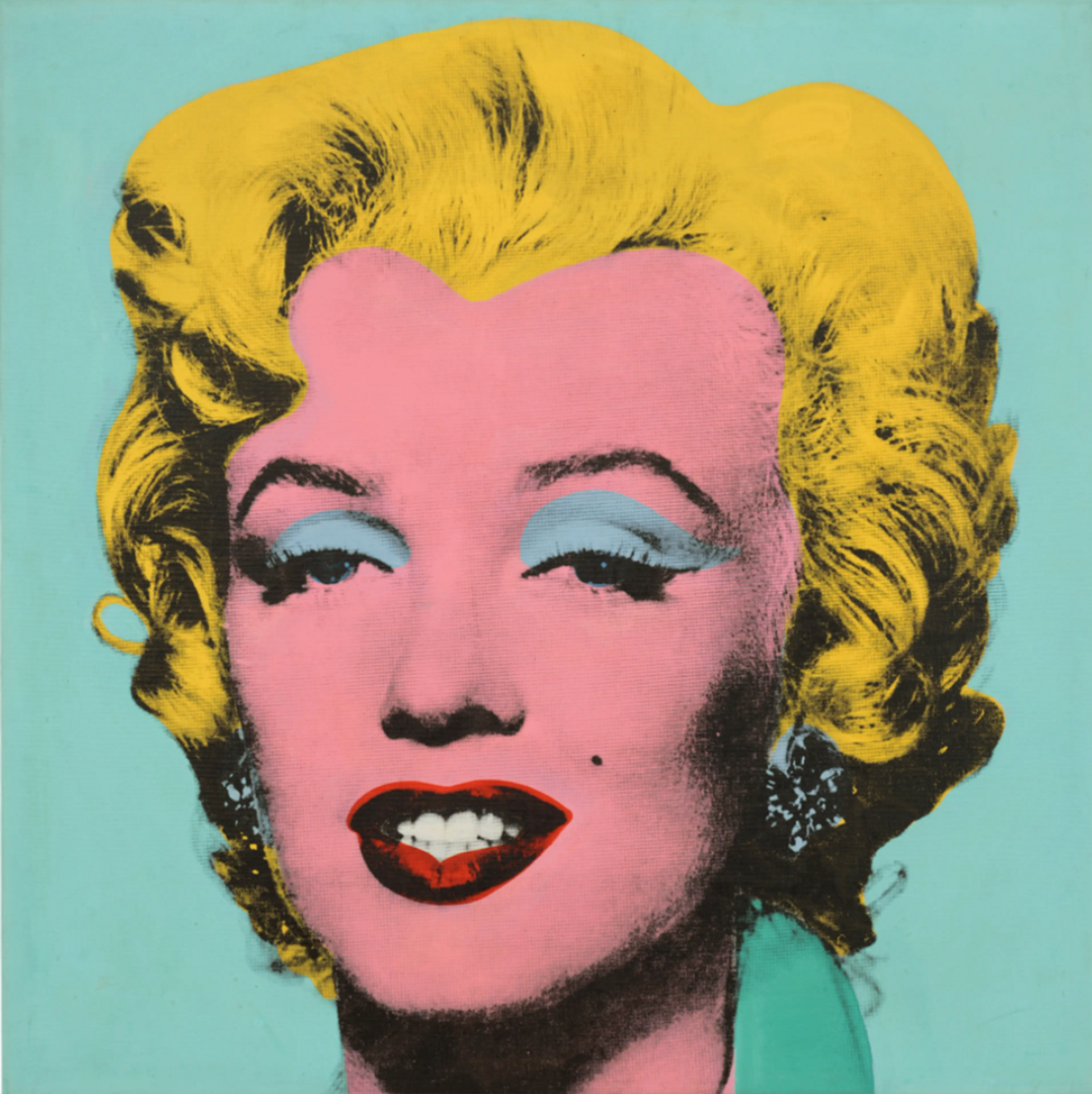
Andy Warhol’s art holds massive market worth driven by iconic Pop Art imagery, record-breaking auction sales exceeding $195 million, and status as a liquid asset class for institutional collectors and high-net-worth investors.
Introduction to the Andy Warhol Art Market
The market for works by Andy Warhol (1928–1987) occupies a singular position in the global art economy. As the preeminent figure of the Pop Art movement, Warhol transformed mass-culture iconography—soup cans, celebrity portraits, dollar bills, and disaster scenes—into high-art commodities that challenge the traditional boundaries between commercial production and fine art. Evaluating Andy Warhol art worth requires examining a complex ecosystem defined by public auction records, private dealer transactions, authentication committees, condition reports, and macroeconomic shifts.
Unlike emerging contemporary artists whose valuations can fluctuate wildly based on critical fashion, Warhol’s market has achieved blue-chip status. It behaves similarly to a mature asset class, supported by institutional backing from major auction houses like Christie’s, Sotheby’s, and Phillips, as well as acquisitions by elite museums worldwide. However, understanding Warhol's true investment value requires navigating a nuanced landscape where scale, medium, subject matter, and provenance dictate multimillion-dollar divergences in market prices.
Historical Evolution of Warhol Market Prices
The valuation of Warhol’s portfolio has undergone a dramatic transformation since his passing in 1987. In the immediate aftermath of his death, the Andy Warhol Estate flooded the market with thousands of works through a massive estate sale handled by Sotheby's, alongside gifts and sales managed by the Andy Warhol Foundation for the Visual Arts. This influx initially depressed short-term prices, as supply briefly outstripped institutional demand.
By the late 1990s and early 2000s, the market absorbed this inventory. A structural re-evaluation took place among international collectors who recognized that Warhol’s prophetic commentary on consumerism, fame, and media saturation resonated deeply with the burgeoning digital age. Prices for major canvases shifted from hundreds of thousands of dollars to tens of millions.
| Period | Market Characterization | Average Price Range (Major Canvases) | Key Market Drivers |
|---|---|---|---|
| 1987–1995 | Post-estate stabilization | $50,000 – $500,000 | Estate inventory absorption; initial institutional repositioning. |
| 1996–2007 | Global liquidity boom | $1,000,000 – $15,000,000 | Entry of international hedge fund and private equity collectors. |
| 2008–2019 | Institutionalization and mega-sales | $10,000,000 – $100,000,000 | Scarcity of top-tier paintings; emergence of ultra-high-net-worth Asian buyers. |
| 2020–Present | Record-breaking valuation peaks | $20,000,000 – $195,000,000+ | Safe-haven asset behavior; historic public trophy auctions. |
During the 2008 financial crisis, while many sectors of the art market contracted sharply, top-tier blue-chip artists like Warhol demonstrated remarkable resilience. Collectors increasingly viewed physical masterpieces as inflation hedges and alternative stores of value, driving competition for museum-quality pieces.
Anatomy of Record-Breaking Warhol Sales
Public auction results serve as the primary barometer for Andy Warhol art worth. Over the decades, several landmark sales have shattered previous ceilings, cementing his position among the most expensive artists in history.
Shot Sage Blue Marilyn (1964)
In May 2022, Christie’s New York sold Shot Sage Blue Marilyn, a 40-by-40-inch silkscreen portrait of Marilyn Monroe, for $195 million including buyer's premium. Purchased by art dealer Larry Gagosian, this sale set the absolute record for a work by an American artist at auction. The painting’s exceptional provenance, flawless condition, and iconic status within the artist's Shot Marilyn series (named after performance artist Dorothy Podber fired a pistol through a stack of four canvases in Warhol's studio) made it the ultimate trophy asset.
Silver Car Crash (Double Disaster) (1963)
Sold at Sotheby’s New York in November 2013 for $105.4 million, this monumental 8-foot-by-13-foot canvas from Warhol’s Death and Disaster series underscored the market's appetite for his darker, more politically and socially charged imagery. The canvas features a repeating image of a wrecked automobile wrapped in a stark silver background, demonstrating that Warhol's cultural critique commands just as much financial respect as his celebratory celebrity portraits.
Triple Elvis [Flip Side] (1963)
Fetching $81.9 million at Christie’s in 2014, this silkscreen painting depicts the rock-and-roll icon armed and posed like a cowboy. It illustrates how serial repetition—a hallmark of Warhol’s Factory technique—amplifies visual impact and, consequently, market valuation.
Key Drivers of Warhol Investment Value
Not all Warhols are valued equally. A small, unsigned screenprint on paper may trade for a few thousand dollars, while a large, unique, hand-painted canvas with historical significance commands nine figures. Investors and collectors evaluate specific structural variables to determine authenticity, desirability, and long-term appreciation potential.
1. Medium and Unique Status
Unique paintings executed directly by Warhol using acrylic and silkscreen ink on canvas hold the pinnacle of market value. They are finite in number and cannot be replicated. Conversely, Warhol’s extensive output of prints—including portfolios like Marilyn, Campbell’s Soup Cans, and Electric Chair—are editioned. While blue-chip prints by Warhol have experienced extraordinary appreciation, their liquidity and price ceilings differ fundamentally from unique paintings.
2. Period and Subject Matter
Art historians and market analysts generally agree that Warhol’s "golden period" spans from 1962 to 1964. Works created during these years capture the genesis of his Pop Art breakthrough at the Factory.
- Most Valuable Subjects: Death and Disaster series, early Campbell’s Soup Cans, large-scale Marilyn Monroes, Elizabeth Taylors, and Jackie Kennedys.
- Moderate to Lower Value: 1970s commissioned portraits (e.g., corporate executives, society figures), late-career collaborations (such as those with Jean-Michel Basquiat), and abstract experimental series like Oxidation Paintings or Shadows (though certain monumental installations of Shadows have recently seen significant institutional reassessment and price growth).
3. Condition and Scale
Conservation history plays a decisive role in valuation. Canvases that have undergone restorative interventions or suffer from flaking ink, stretching, or unstable emulsion layers command lower prices. Monumental scale also drives competition; large, multi-panel works that dominate architectural spaces satisfy the demands of contemporary museum-scale collectors.
4. Provenance and Exhibition History
A documented chain of ownership tracing back to reputable galleries, prominent private collections, or foundational museum exhibitions adds verifiable authenticity and prestige. Works featured in major retrospective exhibitions—such as those organized by the Museum of Modern Art (MoMA) or the Whitney Museum of American Art—carry a distinct market premium.
Risks, Costs, and Market Liquidity
While Andy Warhol art functions as a robust alternative asset, prospective buyers and investors must account for significant frictions that differentiate art from traditional financial instruments like equities or bonds.
- Illiquidity: Selling a major painting can take months or years. Unlike public stocks, you cannot instantly liquidate a multi-million-dollar canvas without potentially accepting a discounted private-sale offer or waiting for a major auction cycle (typically held in May and November).
- Transaction and Carrying Costs: Acquiring art involves substantial friction. Buyer's premiums at major auction houses typically range from 20% to 26% for the first tier of pricing, in addition to seller's commissions, shipping, secure climate-controlled storage, insurance premiums, and professional appraisal fees.
- Authentication Challenges: The Warhol market requires rigorous due diligence. The former Andy Warhol Art Authentication Board, which was dissolved in 2012 following protracted legal battles, once certified works. Today, vetting falls to specialized committees, the Andy Warhol Catalogue Raisonné, and independent scholars. Unverified works or those with disputed attribution carry near-zero market value.
- Tax and Regulatory Complexities: High-value art transactions involve complex tax structures, including capital gains taxes, luxury import tariffs, and estate planning considerations. Many investors utilize specialized art-secured loans or establish structured viewings through freeports to manage tax exposure legally.
Frequently Asked Questions
How much are Andy Warhol paintings worth today?
Andy Warhol paintings range in value from tens of thousands of dollars for minor sketches, unique Polaroids, or early commercial illustrations to upwards of $100 million for iconic, museum-grade Pop Art canvases from the early 1960s.
Are Andy Warhol prints a good investment?
Yes, authenticated, editioned screenprints by Warhol—such as his Campbell’s Soup portfolios or Marilyn Monroe series—have historically demonstrated steady appreciation. However, condition, sheet completeness, signatures, and proper documentation are critical to maintaining their secondary market value.
What is the most expensive Andy Warhol artwork ever sold?
The most expensive Warhol artwork sold at public auction is Shot Sage Blue Marilyn (1964), which achieved $195 million at Christie’s New York in May 2022.
How can I verify if an Andy Warhol artwork is authentic?
Verification requires consulting the Andy Warhol Catalogue Raisonné (volumes detailing his paintings, sculptures, and early drawings), reviewing comprehensive provenance records, and engaging recognized Warhol scholars or specialized forensic conservators before making a purchase.
Why are early 1960s Warhol works worth more than later pieces?
Works created between 1962 and 1964 represent the foundational peak of the Pop Art movement. During this era, Warhol introduced groundbreaking conceptual frameworks regarding mass production and celebrity culture that redefined modern art history.
Practical Guidance for Prospective Buyers and Collectors
Entering the Andy Warhol art market requires a strategic, risk-managed approach. First, define your acquisition goals: are you purchasing for aesthetic enjoyment, long-term capital preservation, or portfolio diversification? Second, establish relationships with reputable primary-market galleries, established private dealers, and senior specialists at major auction houses who can provide transparent condition reports and historical comps.
Avoid speculative buying of unsigned, uncatalogued, or loosely attributed works. Prioritize quality over quantity; owning a single, well-documented, museum-caliber screenprint or small canvas with pristine provenance offers superior liquidity and long-term stability compared to acquiring multiple lower-tier pieces. Finally, consult qualified legal, tax, and financial advisors who specialize in fine art assets to structure your acquisitions efficiently and securely.