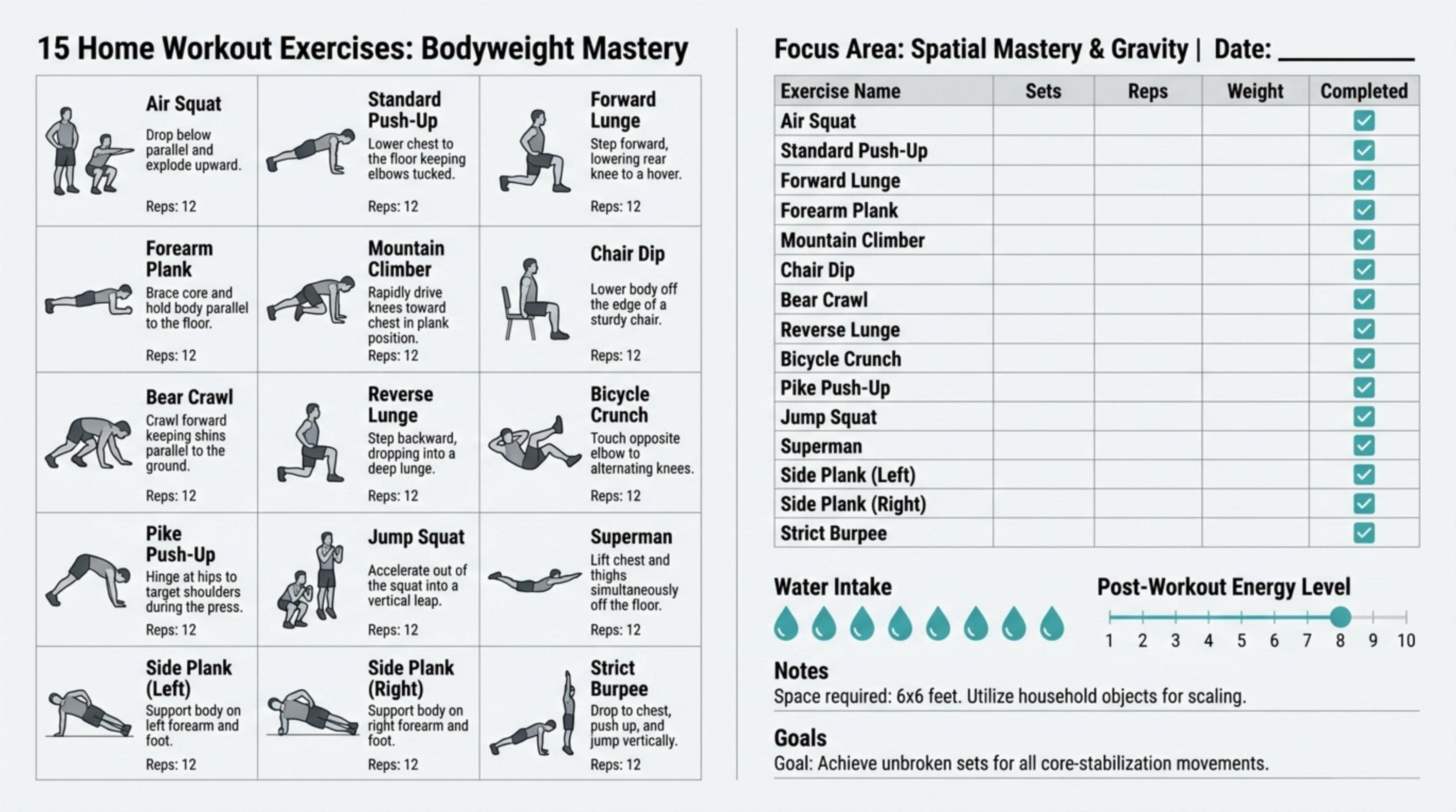
The 75 Hard Challenge is a rigorous mental toughness program that spans 75 consecutive days, often expanded by participants into a 3-month framework for habit solidification. It requires strict adherence to five daily non-negotiable tasks designed to foster discipline, grit, and long-term behavioral change through a combination of physical activity, nutritional structure, and cognitive engagement.
Understanding the Architecture of the Challenge
Created by entrepreneur Andy Frisella, the 75 Hard program is explicitly branded as a "mental toughness program" rather than a fitness routine. While the physical transformations—weight loss, muscle definition, and improved endurance—are common byproducts, the core objective is to rewire the brain to prioritize consistency over convenience.
The program is structured as a series of binary pass-fail tasks. If any single task is missed or modified, the participant must restart at Day 1. This "all or nothing" approach is intended to eliminate the "I'll do it tomorrow" mindset, forcing individuals to manage their time and environment effectively regardless of external circumstances.
The Five Non-Negotiable Daily Rules
To successfully complete the 75-day period, you must perform all five of the following actions every single day without exception:
- Follow a Diet: You must choose a diet plan—any diet—and follow it with zero deviations. There is no requirement for a specific macronutrient split, but you cannot have cheat meals or alcohol. The goal is to prove to yourself that you possess the self-control to stick to a nutritional protocol.
- Two 45-Minute Workouts: You are required to complete two 45-minute workouts daily. Crucially, one of these workouts must take place outdoors, regardless of the weather conditions. This element is designed to strip away the "conditions are perfect" excuse.
- Drink One Gallon of Water: Hydration is a baseline health requirement that is often overlooked. You must consume one gallon of plain water each day.
- Read 10 Pages of Non-Fiction: The reading must be educational or self-development focused. Audiobooks do not count. This task ensures daily cognitive growth and prevents the stagnation of intellectual habits.
- Take a Progress Photo: You must take one progress photo every day. This provides a visual record of your physical changes and reinforces the reality of your daily commitment.
Extending to a 3-Month Transformation
While the core program spans 75 days, many individuals adopt a 3-month (approximately 90-day) framework to transition from the intensity of the challenge into a sustainable lifestyle. By adding roughly two weeks to the standard program, participants often use this "buffer" time to refine their nutritional plan based on the data collected during the first 75 days, allowing for a more gradual shift into long-term maintenance.
Comparative Overview of Transformation Phases
| Phase | Duration | Primary Focus | Objective |
|---|---|---|---|
| Phase 1: Initiation | Days 1–25 | Discipline | Building the habit of showing up daily. |
| Phase 2: Fortification | Days 26–50 | Mental Toughness | Overcoming fatigue and the "mid-challenge" slump. |
| Phase 3: Consolidation | Days 51–75 | Habit Retention | Normalizing the workload and refining diet adherence. |
| Phase 4: Integration | Days 76–90 | Transition | Sustaining new habits as part of a permanent lifestyle. |
Prerequisites and Safety Considerations
Before embarking on this regimen, it is essential to assess your current physical baseline. The requirement of two 45-minute workouts—totaling 90 minutes of daily exercise—is a significant volume increase for sedentary individuals.
Medical Disclaimer: This guide is for informational purposes only and does not constitute medical or professional health advice. The high volume of exercise, combined with strict dieting, may not be appropriate for everyone. Individuals with underlying health conditions, history of disordered eating, or cardiovascular concerns should consult a physician before beginning any high-intensity, long-term challenge.
Operational Strategy: How to Succeed
The most common reason for failure in the 75 Hard program is poor time management. To survive the 75-day period, consider these practical strategies:
- The Calendar Audit: Map out your daily schedule before the challenge starts. If your work hours fluctuate, identify the specific blocks where you will fit in your two workouts. If you fail to plan, you will eventually find yourself at 10:00 PM without your second workout completed.
- Weather Preparedness: The outdoor workout rule is frequently the source of failure. Invest in appropriate gear for the climate in your area. If you live in a region with extreme heat or cold, plan your outdoor sessions for the least oppressive times of day.
- Strategic Hydration: Don't leave your gallon of water for the final hours of the day. Consuming large amounts of water shortly before bed will disrupt sleep, which is critical for physical recovery. Front-load your water intake by drinking at least 32 ounces before lunch.
- The "No Cheat" Mindset: When choosing your diet, avoid vague categories like "eating clean." Define your parameters clearly. If your diet is "no sugar," ensure you have vetted labels for hidden ingredients. Being overly specific saves you from the gray areas that lead to cheating.
Troubleshooting Common Pitfalls
The Mid-Point Plateau: Around Day 40, many participants experience a dip in motivation. The novelty of the challenge wears off, and the reality of the daily labor sets in. During this time, shift your focus away from the "end date" and back to the "daily task." Treat each day as an isolated event rather than a marathon.
Injury Management: If you feel the onset of an injury, prioritize recovery during your indoor workout session. Opt for low-impact activities like yoga, mobility work, or walking. Remember that the challenge requires movement, but it does not specify the intensity of that movement.
Social Integration: Navigating social events while adhering to a strict diet and alcohol-free rule can be difficult. Communicate your goals clearly to your social circle. Often, simply stating that you are on a "no-compromise, 75-day program" is enough to preempt peer pressure.
The Role of Physical Documentation
The daily photo requirement is not just for tracking body fat or muscle mass; it is a psychological tether. Looking back at a series of 75 photos provides undeniable proof of the effort you have invested. On days when you feel as though your progress has stalled, reviewing your past photos can serve as a necessary reminder that change is a slow process of accumulation, not a sudden event.
Sustaining Results Beyond the Timeline
The transition from a 75-day sprint to a sustainable lifestyle is the most critical phase. Once you hit Day 76, do not immediately revert to your previous habits. Instead, use the data you have gathered. Which of the two workouts did you enjoy the most? Which nutritional changes resulted in the best energy levels?
Many participants find that the habit of drinking a gallon of water and reading for 10 minutes a day are the easiest to maintain, while the double workout may need to be scaled back to a single 45-minute session to avoid burnout. Integrate these successful habits into your long-term routine to ensure that the mental and physical transformations persist well into 2026 and beyond.
Frequently Asked Questions
1. Can I change the diet plan midway through? No. The rules of the challenge state that you must choose a diet and stick to it for the entire duration. If you change your plan, you are technically deviating from your initial commitment.
2. What counts as a workout? A workout must be an intentional session focused on physical activity. Household chores, walking to the grocery store, or light movement generally do not count. Choose activities that get your heart rate up and require dedicated time, such as lifting, running, cycling, or dedicated yoga sessions.
3. What if I am physically exhausted? If you are genuinely exhausted, use one of your two daily sessions for active recovery. Low-intensity work like walking, stretching, or light foam rolling is acceptable, provided it is a planned, 45-minute intentional session.
4. Why is the outdoor workout required? The outdoor workout is specifically designed to remove the luxury of a controlled environment. By requiring you to face the elements, the challenge builds psychological resilience, teaching you to perform regardless of external conditions.
5. Does coffee or tea count toward my gallon of water? No. The gallon of water requirement refers to plain, unflavored water. Other beverages do not contribute to this total.
6. What happens if I miss a reading session or a photo? If you miss a task, you must restart from Day 1. The program is intentionally binary; you either complete the daily requirements as specified, or you do not.
Next Actionable Steps
To begin your transformation, finalize your chosen diet plan and confirm your daily exercise schedule. Prepare your environment by stocking your pantry to align with your diet and identifying locations for your daily outdoor workouts. Once you have defined your parameters and established your schedule, commit to starting on a specific date. Document your Day 1 progress photo and initiate your first 75-day cycle with total commitment to the established rules.