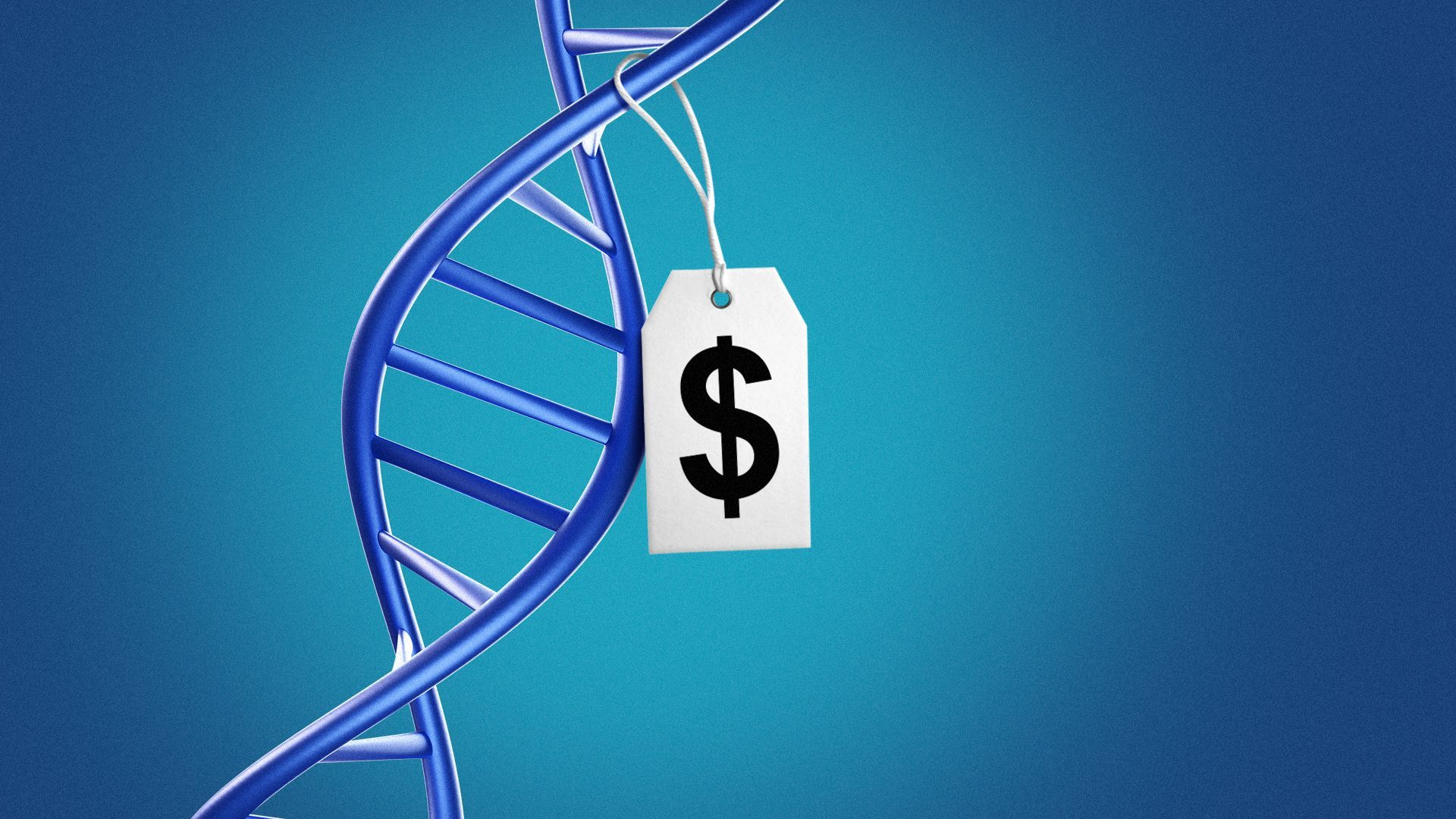
If 23andMe files for bankruptcy, your DNA data and personal health information are legally treated as corporate assets that may be sold or transferred to a successor company. To protect your genetic privacy, you must act quickly to download your raw data, revoke research consent, and request permanent account deletion before the court-ordered sale of assets finalizes.
The financial instability of 23andMe has moved from speculative market analysis to a critical concern for millions of consumers who have used the service since its inception. As the company navigates the complexities of restructuring or liquidation in 2026, the primary asset remaining on its balance sheet is not its hardware or its branding, but the massive repository of genetic information belonging to over 15 million customers. This database represents one of the most comprehensive private collections of human genetic data in existence, and its fate hangs in the balance of federal bankruptcy proceedings.
Understanding the implications of this filing requires a look at how bankruptcy law interacts with privacy policies. While 23andMe’s terms of service have historically promised privacy and user control, those promises face significant pressure when a company enters Chapter 11 or Chapter 7 bankruptcy. In these scenarios, the objective of the court is to maximize the value of the estate for creditors, which often means selling the company's most valuable asset—the data—to the highest bidder.
The Legal Reality: DNA Data as a Bankruptcy Asset
In the eyes of the United States bankruptcy code, specifically Section 363, a company's database is an intangible asset. When a company like 23andMe faces insolvency, this asset can be sold to satisfy debts. The concern for consumers is that a purchaser may not be bound by the same ethical guidelines or privacy promises made by the original company.
The Role of the Consumer Privacy Ombudsman
Under the Bankruptcy Abuse Prevention and Consumer Protection Act of 2005, if a company's privacy policy prohibits the transfer of personally identifiable information to an unaffiliated third party, the court must appoint a Consumer Privacy Ombudsman (CPO). The CPO’s role is to act as an independent voice, advising the court on whether the sale would violate the company's stated privacy promises and whether the sale should be permitted under certain conditions.
However, the CPO can only provide recommendations. The bankruptcy judge has the final authority to approve a sale even if it contravenes original privacy agreements, provided the court finds the sale "just and proper." This creates a window of uncertainty where data could transition from a health-focused tech company to a pharmaceutical giant, a data broker, or a private equity firm with different long-term objectives.
De-identification vs. Re-identification Risk
Most genetic data sales involve "de-identified" or "aggregate" data. 23andMe has long maintained that it strips names and contact information from the genetic sequences used for research. While this sounds reassuring, the unique nature of DNA makes it arguably the most "identifiable" piece of information a human possesses. In the context of a bankruptcy sale, the entire database—including the "key" that links de-identified data back to individual profiles—is often part of the transaction. If the "key" and the "data" end up with the same successor, the anonymity of the data becomes a legal technicality rather than a technical reality.
What Happens to Your Physical DNA Sample?
A frequently overlooked aspect of the 23andMe bankruptcy is the fate of the physical biobank. When you send your saliva kit to the lab, 23andMe extracts the DNA for genotyping. Unless you specifically opted out at the time of registration, the company may have stored your physical DNA sample in a third-party temperature-controlled facility for "future use."
In a bankruptcy scenario, these physical samples are also assets. The cost of maintaining a biobank is high, and a liquidating company may seek to sell these samples to research institutions or biotech firms. If your sample is stored, the risk is not just the digital data currently in the cloud, but the potential for future sequencing (such as Whole Genome Sequencing) that could reveal significantly more information than the original genotyping test.
Immediate Steps to Secure Your Genetic Privacy
If you are a 23andMe customer, you should not wait for the finalization of bankruptcy proceedings to take action. Once a sale is approved by a judge, the terms of the data transfer are set, and your ability to intervene may be legally restricted.
1. Download Your Raw DNA Data
Before closing your account, you should secure a copy of your genetic information. This "Raw Data" file contains the specific SNPs (Single Nucleotide Polymorphisms) that 23andMe tested.
- Why it matters: This file belongs to you. You can use it with other reputable services or keep it for your own medical records.
- How to do it: Navigate to your Account Settings, find the "Download Raw Data" section, and follow the multi-factor authentication steps. 23andMe will typically email you a link to a .txt or .zip file within 24 to 72 hours.
2. Revoke Research Consent
23andMe’s business model relies heavily on its research arm, where users "opt-in" to allow their data to be used in studies.
- Why it matters: Withdrawing consent complicates the company's ability to sell your data as part of a "research-ready" package.
- How to do it: In the "Privacy" or "Consent" section of your settings, ensure that all research checkboxes are unchecked. Specifically, look for "Individual Level Data Sharing" and "Biobanking."
3. Request Permanent Account Deletion
Requesting a deletion is the most definitive step a consumer can take, but it comes with nuances.
- The Process: Under most state laws (like the CCPA in California) and 23andMe’s own policy, you can request that they delete your account. This triggers a process where they remove your profile and instruct their labs to destroy your physical sample.
- The Retention Catch: Be aware that federal law, specifically the Clinical Laboratory Improvement Amendments (CLIA), requires labs to retain certain records—including your name and test results—for a minimum of two to ten years. Bankruptcy does not exempt a company from these federal record-keeping requirements.
Comparing Your Rights: Before vs. After a Bankruptcy Sale
The following table outlines how your rights and the status of your data may shift during the transition from 23andMe to a potential successor entity.
| Data Feature | Status Under 23andMe (Active) | Status After Bankruptcy Sale | Recommended Action |
|---|---|---|---|
| Ownership Rights | Contractual right to delete data at any time. | Subject to the purchaser's new Terms of Service. | Delete account prior to sale finalization. |
| Research Usage | Voluntary opt-in; can be revoked at any time. | Could be packaged as "perpetual consent" in a sale. | Revoke all research consents immediately. |
| Physical Samples | Stored in biobank if opted-in; destroyed upon request. | Physical assets may be transferred to new lab owners. | Request sample destruction via account settings. |
| Law Enforcement | Strictly resisted without a warrant (Transparency Reports). | Successor policies may be more or less lenient. | Download data and delete account to minimize footprint. |
| Personal Access | Full access to ancestry and health reports. | Access may be gated behind new fees or discontinued. | Download raw data and save PDF copies of all reports. |
The Role of GINA and Legal Protections
It is important to remember that regardless of who owns 23andMe’s database, certain federal protections remain in place. The Genetic Information Nondiscrimination Act (GINA) of 2008 prevents health insurers and employers from using your genetic information against you.
However, GINA has significant gaps that become more relevant as data changes hands:
- Life and Disability Insurance: GINA does not apply to life insurance, long-term care insurance, or disability insurance. If these companies were to acquire genetic data through a secondary market or if the data were leaked, they could potentially use it to deny coverage or increase premiums.
- Employment: GINA only applies to employers with 15 or more employees. Small businesses are not strictly covered by the federal statute.
Because of these gaps, the "assetization" of DNA data in a bankruptcy court remains a high-stakes issue for long-term financial and personal security.
Potential Successors: Who Would Buy 23andMe's Data?
The value of the 23andMe database lies in its scale. There are three primary types of buyers who might bid on the data in a 2026 bankruptcy auction:
- Pharmaceutical Companies: These are the most likely buyers. Firms like GSK (GlaxoSmithKline), who previously partnered with 23andMe, value the data for drug discovery. Their interest is primarily in the correlation between genetic markers and disease.
- Health Technology Conglomerates: Companies looking to build "all-in-one" health ecosystems may want the data to fuel AI-driven diagnostic tools.
- Data Brokers: This is the worst-case scenario for privacy. Data brokers specialize in aggregating information from various sources to create "shadow profiles" of consumers, which are then sold to marketers or other interested parties.
Frequently Asked Questions
Can I stop the sale of my DNA data if 23andMe goes bankrupt?
Individually, you cannot stop the legal sale of the company's assets. However, you can remove your specific data from the "pool" of assets by deleting your account before the sale is finalized. Once the data is deleted and the sample destruction is requested, that information should no longer be part of the inventory available for purchase.
If a new company buys 23andMe, will they have to follow the old privacy policy?
Initially, yes. The Consumer Privacy Ombudsman usually requires the buyer to honor the existing policy or provide a "notice and opt-out" period for users. However, once the new company takes over, they can issue a new Terms of Service. If you continue to use the service under the new owner, you are typically deemed to have accepted the new terms.
Is my DNA data at risk of being hacked during a bankruptcy?
Financial distress often leads to reduced staff in IT and cybersecurity departments. The 2023 data breach at 23andMe already highlighted vulnerabilities. During a bankruptcy transition, the risk of "lame duck" security increases as key personnel may leave the company, potentially leaving the database less protected against sophisticated cyberattacks.
Will I lose access to my ancestry results?
If 23andMe enters Chapter 7 (liquidation), the website and servers could eventually be shut down, leading to a total loss of access. If they enter Chapter 11 (restructuring), services may continue, but certain features might be moved behind a paywall to generate quick revenue for creditors. You should save all your ancestry reports and "DNA Relatives" lists as PDFs now.
What happens to the "DNA Relatives" feature?
If the database is sold to a company that does not prioritize the consumer-facing side of the business (such as a pure research firm), social features like "DNA Relatives" could be discontinued. If you have found biological family members through the platform, ensure you have established contact with them outside of the 23andMe messaging system.
Practical Recommendation: Act While the System is Functional
The most critical piece of advice for any 23andMe user in 2026 is to act while the company's infrastructure is still operational. In a bankruptcy scenario, there often comes a "dark period" where services are suspended, websites are taken offline, or customer support becomes non-existent.
To ensure your privacy is maintained:
- Log in today and verify your account credentials.
- Download your raw genotype data and store it on an encrypted drive.
- Print or save PDFs of all health predisposition and carrier status reports.
- Initiate the account deletion process. Remember that this process can take up to 30 days to complete, so starting it before a major court hearing is vital.
The collapse of a major genetic testing firm is a landmark event in the history of digital privacy. While 23andMe provided significant value to millions seeking to understand their heritage and health, its bankruptcy serves as a reminder that in the digital economy, your most personal information is often just another line item on a corporate balance sheet. Taking proactive steps now is the only way to ensure your genetic legacy remains under your control.