In 2020, crime patterns underwent a massive and historically unprecedented shift. While property crimes and robberies saw significant declines due to pandemic-related lockdowns, the United States experienced a staggering 30% increase in homicides—the largest single-year jump since national record-keeping began. This "Great Divergence" was fueled by a complex mix of economic instability, social unrest, and the disruption of community-based violence intervention programs during the COVID-19 pandemic.
The Historic Surge in Violent Crime
The most defining characteristic of 2020 crime was the explosion in lethal violence. According to official data from the Federal Bureau of Investigation (FBI), the homicide rate in the United States rose by nearly 30% compared to 2019. To put this in perspective, the previous record for a single-year increase was a 12.7% jump in 1968.
This surge was not localized to a specific region or type of city. While large metropolitan areas like Chicago, New York, and Philadelphia saw headline-grabbing increases, the trend was observed across cities of all sizes, as well as in suburban and rural areas. Aggravated assaults also rose by approximately 12%, indicating that the increase in violence was not limited to homicides alone but represented a broader escalation in serious physical confrontations.
Several factors contributed to this spike. First, the pandemic disrupted the social fabric that typically moderates violence. Schools, community centers, and houses of worship—all of which serve as "protective factors" in high-risk neighborhoods—were closed. Second, the pandemic strained the capacity of hospitals and emergency services, potentially turning non-fatal shootings into fatal ones due to delayed response times or overwhelmed trauma centers.
The Decline in Property and Opportunistic Crimes
In sharp contrast to the rise in violence, 2020 saw a marked decrease in many types of property crime. This phenomenon is largely attributed to the "routine activities theory," which suggests that crime occurs when a motivated offender, a suitable target, and the absence of a capable guardian converge.
Because of stay-at-home orders and the shift to remote work, residential areas were rarely without "capable guardians." Burglary rates fell by roughly 7% nationally because homes were rarely left unoccupied. Similarly, larceny-theft, which includes crimes like shoplifting and pickpocketing, dropped by over 10% as retail foot traffic plummeted and public gatherings were canceled.
However, motor vehicle theft was a notable exception to this downward trend. Car thefts increased by about 11% in 2020. Analysts suggest this was driven by several factors, including the increased number of vehicles left parked on the street for long periods and a decrease in police patrols focused on traffic and property enforcement as resources were diverted to managing social unrest or pandemic response.
Sociological and Environmental Catalysts of 2020
The shifts in crime during 2020 cannot be understood without examining the unprecedented environmental stressors of the year. The COVID-19 pandemic created a "perfect storm" of psychological, economic, and social pressures.
The Economic Fallout and Social Disorganization
The sudden and massive loss of employment in the spring of 2020 created immense financial strain, particularly in low-income communities. While government stimulus packages provided a temporary cushion, the underlying instability contributed to a sense of "social disorganization." When traditional institutions fail to provide stability, informal social controls break down, often leading to an increase in localized conflict and crime.
The Firearm Factor
2020 saw a record-breaking surge in firearm sales. Data from the National Shooting Sports Foundation (NSSF) and FBI background check systems indicated that millions of Americans purchased firearms for the first time. The sheer volume of guns in circulation, combined with heightened stress and the absence of conflict-resolution services, likely exacerbated the lethality of disputes. Research from the University of California, Davis, found a correlation between the spike in gun purchases and the subsequent rise in gun-related injuries and deaths during the pandemic.
Civil Unrest and the Crisis of Police Legitimacy
The murder of George Floyd in May 2020 sparked the largest wave of civil unrest in American history. The protests that followed had a dual impact on 2020 crime trends.
First, the massive scale of the protests required law enforcement agencies to reallocate personnel away from standard neighborhood patrols and investigative duties. This "de-policing" or temporary absence of proactive enforcement may have emboldened offenders in certain areas.
Second, the crisis of police legitimacy—often referred to in sociological circles as "cynicism toward the law"—deepened. When communities lose trust in the police, they are less likely to report crimes, act as witnesses, or cooperate with investigations. This breakdown in the "social contract" can lead to an increase in retaliatory violence, as individuals feel they must settle disputes themselves rather than relying on a legal system they perceive as unjust or ineffective. Some researchers refer to this as the "Minneapolis Effect," a variation of the Ferguson Effect observed in 2014.
The Hidden Crisis: Domestic and Cyber Crime
While street crime and homicides dominated the news, 2020 also saw significant shifts in crimes that occur behind closed doors or in digital spaces.
Intimate Partner Violence
Lockdowns forced victims of domestic abuse to remain in close quarters with their abusers for extended periods. While some jurisdictions reported a decrease in official domestic violence arrests (often because victims were unable to safely call the police), hotlines and emergency shelters reported a massive surge in requests for help. This suggests that "2020 crime" in the domestic sphere was likely underreported in official police statistics but was significantly more frequent and severe than in previous years.
The Digital Shift: Fraud and Cybercrime
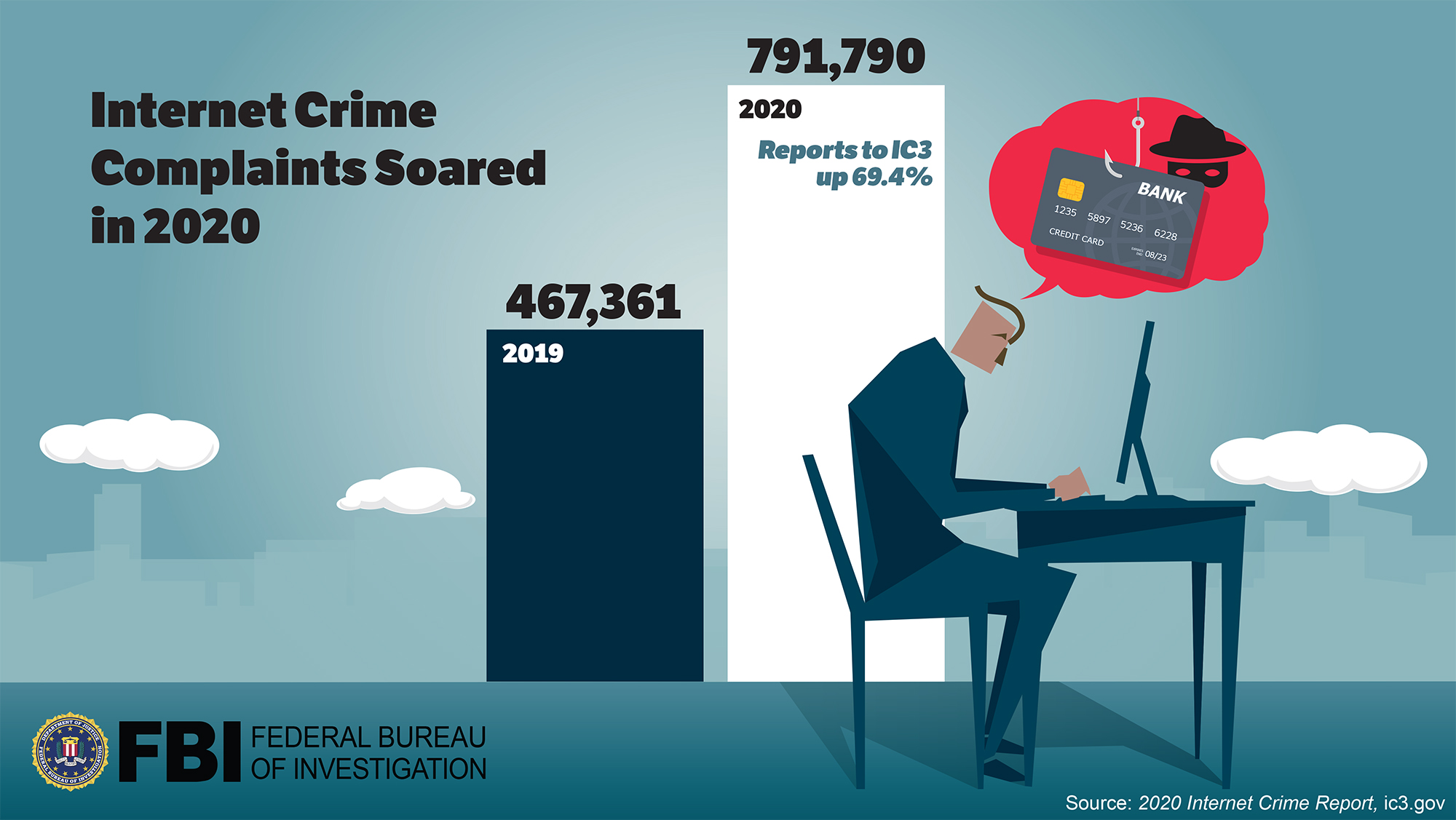
As the world moved online for work, school, and shopping, criminals followed. The FBI's Internet Crime Complaint Center (IC3) reported a record number of complaints in 2020, with losses exceeding $4.2 billion. Common schemes included:
- Business Email Compromise (BEC): Exploiting the lack of face-to-face verification in remote work environments.
- Government Program Fraud: Scams targeting COVID-19 relief funds, such as the Paycheck Protection Program (PPP) and unemployment insurance.
- Phishing and Ransomware: Targeting healthcare systems and individuals looking for pandemic-related information.
Comparative Analysis of Crime Categories (2019 vs. 2020)
The following table highlights the percentage change in major crime categories in the United States, based on aggregated data from the FBI Uniform Crime Reporting (UCR) program.
| Offense Category | 2019 Rate (per 100k) | 2020 Rate (per 100k) | Percentage Change |
|---|---|---|---|
| Homicide | 5.0 | 6.5 | +29.4% |
| Aggravated Assault | 250.2 | 279.7 | +11.8% |
| Motor Vehicle Theft | 220.8 | 246.0 | +11.4% |
| Robbery | 82.0 | 73.9 | -9.9% |
| Burglary | 341.1 | 314.2 | -7.9% |
| Larceny-Theft | 1,550.0 | 1,380.0 | -10.9% |
| Rape (Legacy Definition) | 42.6 | 38.4 | -12.0% |
Methodological Challenges in 2020 Data
It is important to note that 2020 was a transitional year for crime reporting in the U.S. The FBI was in the final stages of moving from the Summary Reporting System (SRS) to the National Incident-Based Reporting System (NIBRS). This transition meant that many police departments were struggling with new reporting requirements, leading to some gaps in the data.
Furthermore, the pandemic itself hindered the ability of many agencies to process and report data on time. While the 30% jump in homicides is widely accepted as accurate due to the high reporting rate of deaths, other categories—particularly non-fatal violent crimes and property crimes—may suffer from reporting bias or undercounting depending on the specific jurisdiction's capacity during the lockdowns.
Frequently Asked Questions
Why did the homicide rate rise while other crimes fell?
The divergence occurred because property crimes are heavily dependent on opportunity. Lockdowns reduced opportunities for burglary (because people were home) and shoplifting (because stores were closed). Homicides, however, are often the result of interpersonal conflict, which was exacerbated by the stress, gun prevalence, and social disruption caused by the pandemic and civil unrest.
Did "Defund the Police" policies cause the 2020 crime spike?
The data suggests the spike began in the spring of 2020, before the "Defund the Police" movement gained national traction following the death of George Floyd. While changes in police morale and proactive enforcement (de-policing) likely played a role later in the year, the initial surge was more closely linked to the pandemic's disruption of social services and economic stability.
Was the 2020 crime surge unique to the United States?
Not entirely, but the U.S. homicide spike was much more severe than in other developed nations. While many countries saw an increase in domestic violence and cybercrime during lockdowns, most did not experience a massive rise in lethal street violence. This is often attributed to the high prevalence of firearms in the U.S. compared to Europe or Asia.
How did 2020 crime rates compare to the 1990s?
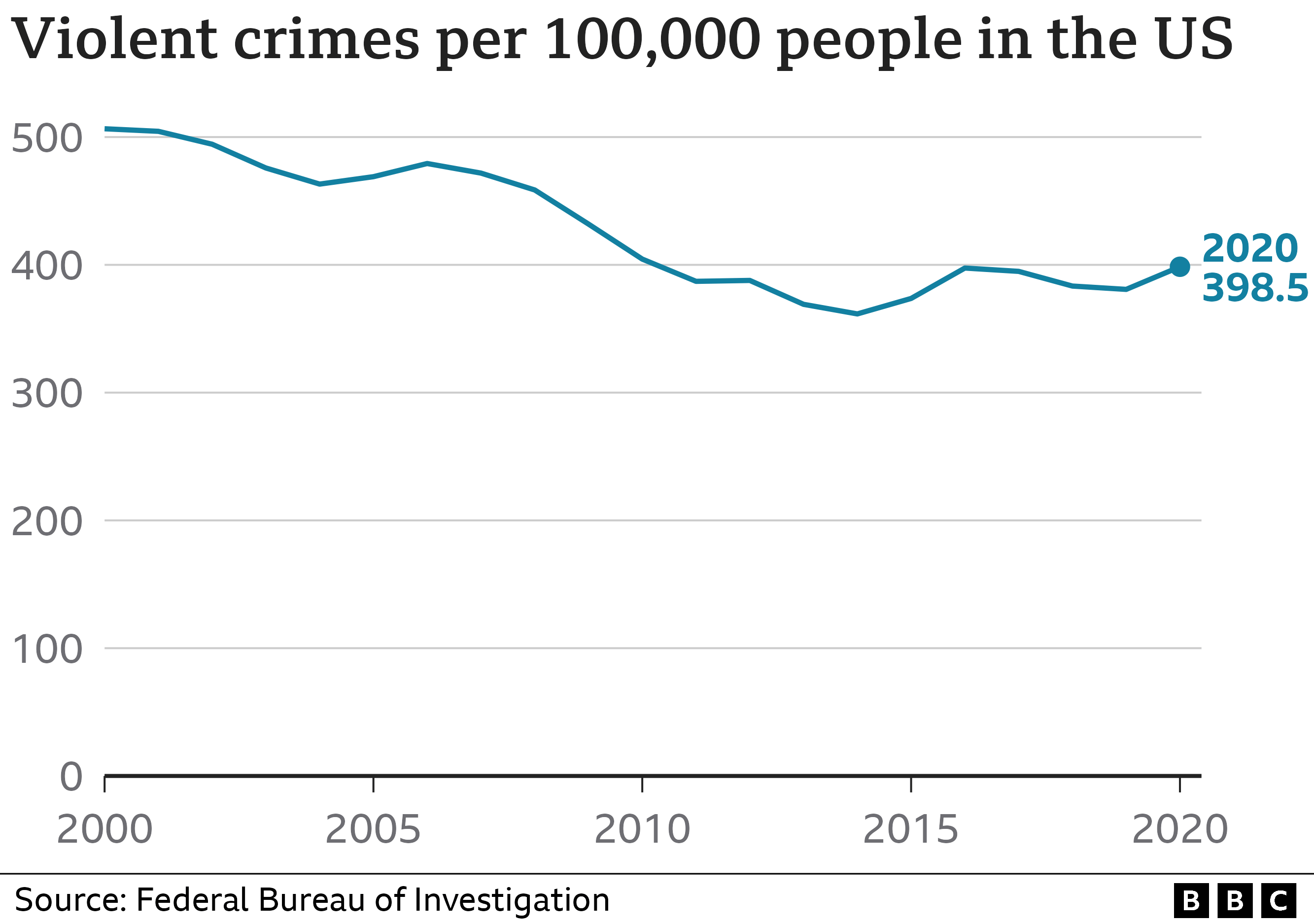
Despite the 30% increase in homicides, the overall crime rate in 2020 remained significantly lower than the peaks seen in the early 1990s. For example, the homicide rate in 1991 was 9.8 per 100,000 people, whereas in 2020 it was approximately 6.5 per 100,000. While the increase was historic, the absolute level of violence was still lower than the "crack era" highs.
What was the impact of COVID-19 on prison populations in 2020?
In response to the virus's spread in congregate settings, many jurisdictions reduced their jail and prison populations. This was achieved through early releases of non-violent offenders and a reduction in new admissions for minor offenses. Some critics argue this contributed to crime, but most studies found no direct link between these specific releases and the surge in homicides.
Moving Forward: Lessons from 2020
The data from 2020 serves as a stark reminder that public safety is not merely a product of law enforcement, but a result of social stability. The "Great Divergence" showed that when community institutions fail and public trust in the law erodes, violence can escalate rapidly even as other types of crime decline.
For policymakers and community leaders in 2026, the primary takeaway is the importance of "community violence intervention" (CVI) programs. These programs, which use street outreach workers to mediate conflicts before they turn lethal, were largely sidelined during 2020. Rebuilding and funding these non-police interventions is now seen as a critical component of preventing a repeat of the 2020 spike. Additionally, addressing the digital shift in crime requires a modernization of investigative tools to combat the ongoing rise in fraud and cyber-enabled offenses.