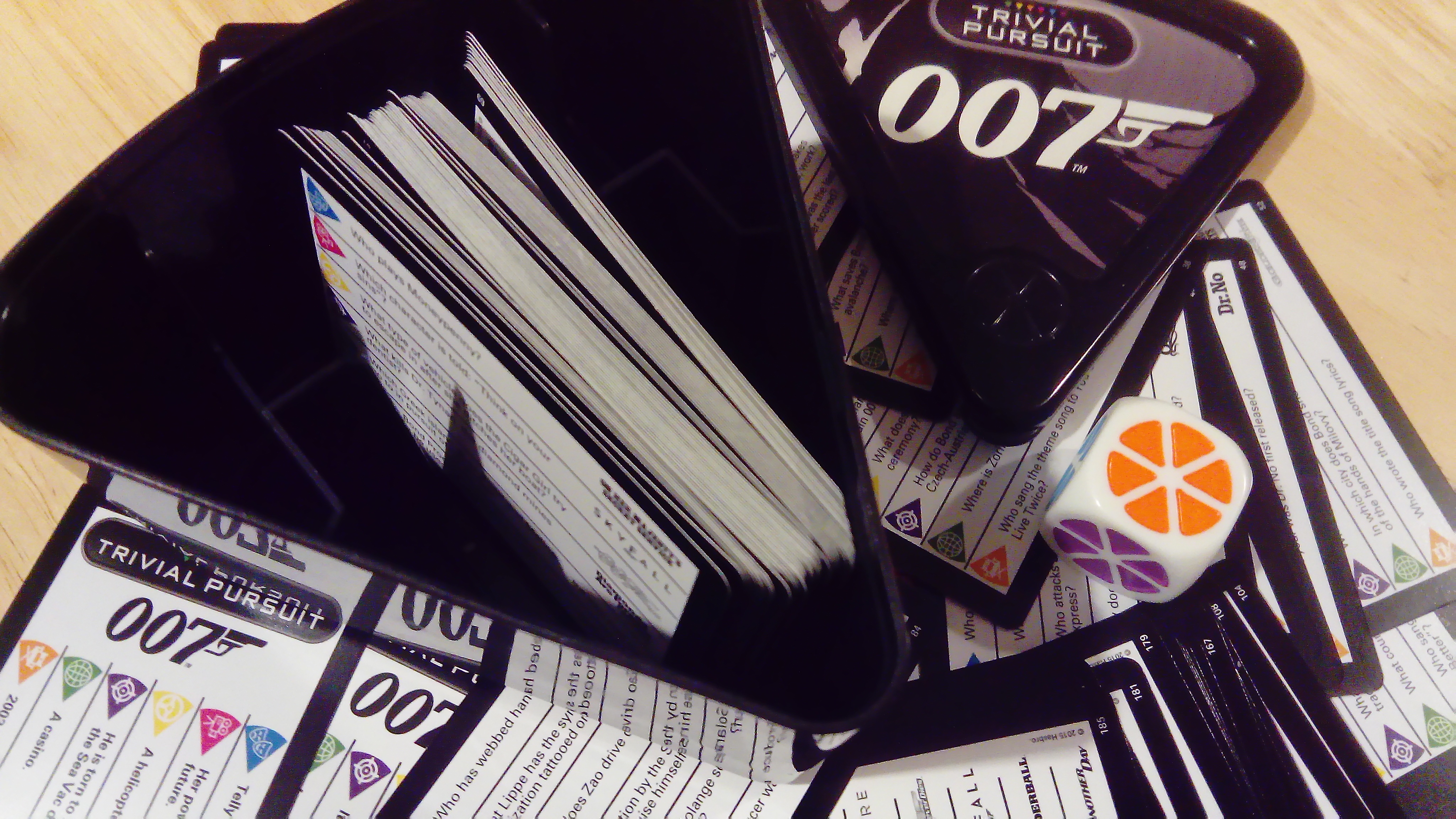
James Bond trivia encompasses the vast history, behind-the-scenes production secrets, casting decisions, and narrative intricacies of Ian Fleming’s legendary secret agent across literature, cinema, and popular culture. Whether exploring the cinematic universe launched by Eon Productions or diving into the original literary canon, mastering this trivia requires an understanding of how a British intelligence officer became a global multi-billion-dollar cultural phenomenon.
The Origins of James Bond: From Ian Fleming’s Desk to the Page
The foundation of all James Bond lore begins with creator Ian Fleming, a former British naval intelligence officer who utilized his wartime experiences to craft the ultimate espionage thriller. Fleming wrote the first Bond novel, Casino Royale, at his Goldeneye estate in Jamaica, publishing it in 1953.
Fleming named his protagonist after the American ornithologist James Bond, an expert on Caribbean birds and the author of the field guide Birds of the West Indies. Fleming, an avid birdwatcher living in Jamaica, owned the book and felt the name sounded ordinary, brief, and unromantic—traits he desired for his lethal operative.
The Literary Canon vs. The Cinematic Universe
While the films popularized catchphrases like "shaken, not stirred," the literary Bond possesses distinct traits that differ from his cinematic counterparts:
- The Scar: In the novels, Bond bears a faint vertical scar down his right cheek, a detail largely omitted from the films to preserve the actors' clean-cut appearances.
- The Car: While cinema famously linked Bond to the Aston Martin DB5, Fleming’s literary Bond initially drove a 1930s Bentley equipped with heavy-duty modifications before transitioning to later Aston Martin models.
- The Smoking Habit: Literary Bond is a heavy smoker, famously consuming up to seventy custom-made Morland cigarettes per day laced with Balkan and Turkish tobacco.
Eon Productions and the Cinematic Evolution
The cinematic journey of James Bond began in 1962 with Dr. No, produced by Albert R. "Cubby" Broccoli and Harry Saltzman under their company Eon Productions. Securing the rights to Fleming’s novels (with the notable exception of Casino Royale, which was adapted independently in 1967 and later remade in 2006), Broccoli and Saltzman established a production formula that would sustain the series for over six decades.
Cinematic Milestone Overview
| Film Title | Release Year | James Bond Actor | Director | Box Office Gross (Unadjusted) |
|---|---|---|---|---|
| Dr. No | 1962 | Sean Connery | Terence Young | $59.5 million |
| Goldfinger | 1964 | Sean Connery | Guy Hamilton | $124.9 million |
| On Her Majesty's Secret Service | 1969 | George Lazenby | Peter R. Hunt | $64.6 million |
| The Spy Who Loved Me | 1977 | Roger Moore | Lewis Gilbert | $185.4 million |
| The Living Daylights | 1987 | Timothy Dalton | John Glen | $191.2 million |
| GoldenEye | 1995 | Pierce Brosnan | Martin Campbell | $356.4 million |
| Casino Royale | 2006 | Daniel Craig | Martin Campbell | $616.5 million |
| No Time to Die | 2021 | Daniel Craig | Cary Joji Fukunaga | $774.2 million |
Casting Secrets and Near-Misses
The role of James Bond is widely considered one of the most coveted and career-defining parts in cinema history. Over the decades, numerous actors were approached, auditioned, or turned down the tuxedo before producers settled on their final choices.
The Sean Connery Search
When casting Dr. No, producers initially envisioned an established star like Cary Grant, but Grant was only willing to sign on for a single film. Ian Fleming initially favored David Niven, who would later play a satirical version of Bond in the 1967 non-Eon adaptation of Casino Royale. Ultimately, a wrestling and bodybuilding background helped propel Sean Connery to the audition, where his unconventional grace and swagger convinced Cubby Broccoli’s wife, Dana, that he embodied the lethal charm of the character.
Actors Who Turned Down or Missed the Role
- Patrick McGoohan: Offered Dr. No first, McGoohan turned down the role due to personal moral objections regarding the character's promiscuity and violence. He later achieved fame in the cult series The Prisoner.
- Burt Reynolds: The American actor was approached to succeed Sean Connery in the early 1970s but declined, famously stating that an American could not play James Bond.
- Sam Neill: Screen-tested extensively for The Living Daylights before studio executives and producers disagreed on his casting, leading to Timothy Dalton securing the role at the eleventh hour.
- Hugh Jackman: Approached ahead of Casino Royale while filming X-Men 2, Jackman declined because he felt the scripts had become too unbelievable and lacked grit. His refusal opened the door for Daniel Craig to redefine the character.
Iconic Gadgets, Vehicles, and Production Lore
No exploration of James Bond trivia is complete without examining the technological marvels supplied by MI6’s Q Branch. The integration of high-tech gadgetry became a franchise staple, shifting from grounded espionage tools to elaborate weaponry and vehicles.
The Aston Martin DB5
First appearing in Goldfinger (1964), the Aston Martin DB5 became synonymous with James Bond. Equipped with revolving license plates, oil slicks, smoke screens, tire slashers, and an ejection seat, the car was a masterpiece of special effects designed by John Stears. Originally, Ian Fleming’s novel featured an Aston Martin DB Mark III equipped with more modest gadgets like homing beacons. Following the immense success of Goldfinger, the car was permanently woven into cinematic history.
The Evolution of Q Branch
Major Boothroyd, designated as "Q" (short for Quartermaster), appeared as early as Dr. No, played initially by Peter Burton, though Desmond Llewelyn assumed the role starting with From Russia with Love (1963). Llewelyn played Q for 17 films, spanning from Sean Connery to Pierce Brosnan, making him the longest-serving recurring actor in the franchise.
Frequently Asked Questions About 007 Trivia
Which actor played James Bond the most times?
Sir Roger Moore holds the record for playing James Bond the most times in the official Eon Productions series, starring in seven consecutive films from Live and Let Die (1973) to A View to a Kill (1985). Sean Connery also played the role seven times, but that total includes the 1983 independent, non-Eon production Never Say Never Again.
Who sang the most James Bond theme songs?
Shirley Bassey holds the record for performing the most official James Bond theme songs, having lent her iconic vocals to three distinct films: Goldfinger (1964), Diamonds Are Forever (1971), and Moonraker (1979).
Is "007" a real British intelligence designation?
In real-world British intelligence (MI6), the "00" prefix does not exist. The designation was a creation of Ian Fleming, who adapted it from historical fact: during World War I, British naval intelligence successfully intercepted and decrypted German diplomatic communications known as the Zimmermann Telegram. Because the intelligence was handled at the highest level of secrecy, documents relating to it carried the classification "Room 40," which inspired Fleming's conceptualization of double-oh clearance licenses to kill.
Why was George Lazenby’s tenure as James Bond limited to one film?
George Lazenby starred in On Her Majesty's Secret Service (1969) after Sean Connery's initial departure. Despite critical reappraisal praising the film as one of the strongest in the series, Lazenby declined to sign a multi-picture contract prior to the film's release. Advised by his agent that the spy genre was dying in favor of counter-culture movements, Lazenby walked away from the franchise before the film premiered.
What was the first James Bond film to deviate from an Ian Fleming novel?
While Dr. No adhered closely to the source material, The Spy Who Loved Me (1977) was the first Eon film to bear almost no resemblance to its namesake novel. Ian Fleming had disliked his original 1962 book so intensely that he stipulated in his contract that film adaptations could only use the title, forcing screenwriters to invent an entirely original plot involving nuclear submarines and global extortion.
Final Recommendations for Bond Enthusiasts
To deepen your understanding of James Bond trivia, start by reading Ian Fleming’s original novels in publication order, beginning with Casino Royale. Next, explore behind-the-scenes documentaries such as Everything or Nothing: The Untold Story of 007 (2012) to understand the business, legal battles, and creative risks that kept the franchise alive for over half a century. Whether studying the cinematic framing of cinematographer Ted Moore or analyzing the musical scores of John Barry, the world of 007 offers an endless archive of cinematic history.