Nigerian music represents a dynamic fusion of traditional African rhythms, highlife, fuji, afrobeat, and contemporary genres like Afrobeats, hip-hop, andalte, which have collectively captured a massive global audience through digital streaming platforms, international collaborations, and cultural diplomacy.
The evolution of Nigerian music spans decades of socio-political transformation, technological advancement, and cross-cultural exchange. From the pioneering Afrobeat stylings of Fela Kuti in the 1970s to the modern digital era dominated by global superstars like Burna Boy, Wizkid, and Davido, the Nigerian music industry has evolved into one of the most vibrant creative economies in Africa. Understanding this sonic landscape requires examining its historical roots, its structural pillars, the distinct subgenres that define its sound, and the economic infrastructure driving its current international expansion.
Historical Foundations and Roots of Nigerian Music
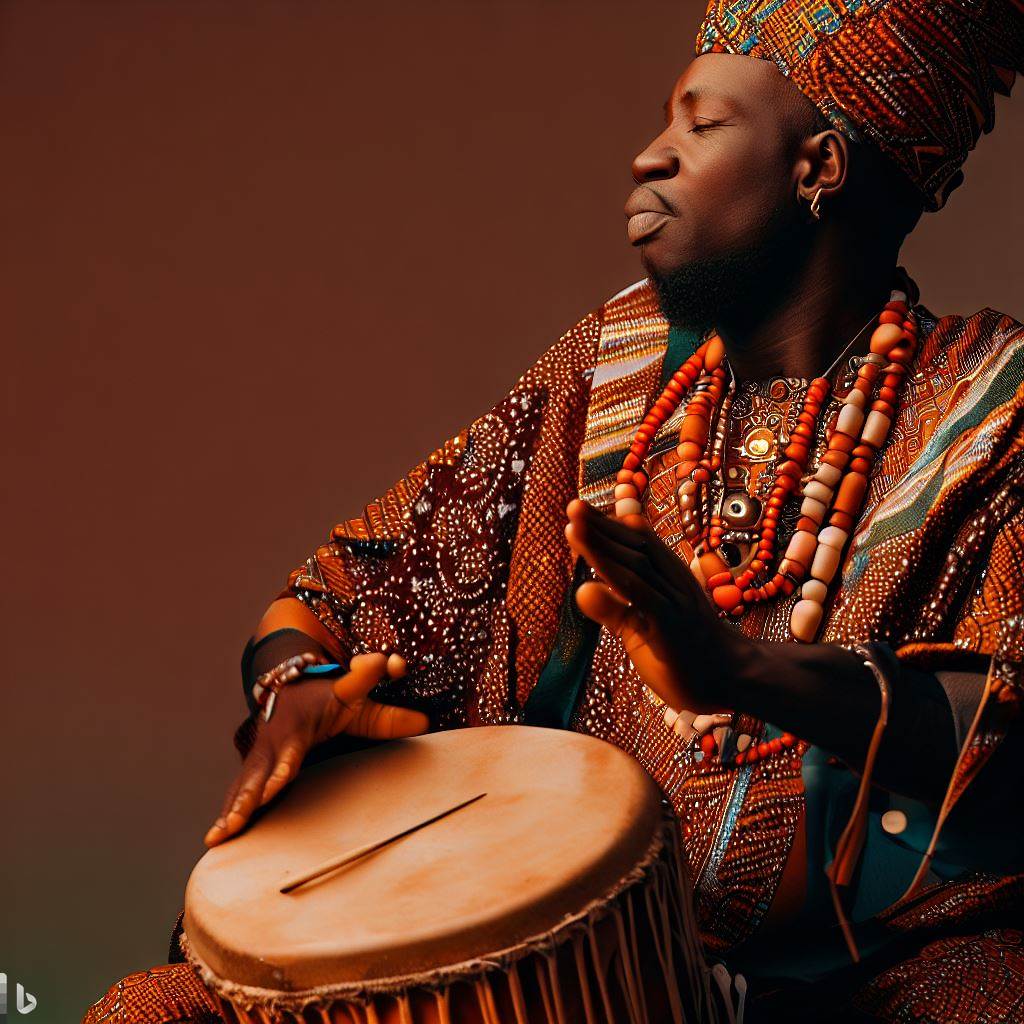
Long before the advent of digital recording studios and global streaming, Nigerian music was deeply rooted in communal traditions, storytelling, and ceremonial rituals. Nigeria’s hundreds of ethnic groups—principally the Yoruba, Igbo, and Hausa—each developed rich musical traditions utilizing indigenous instruments such as the gangan (talking drum), shekere, algaita, and various xylophones and flutes. These traditional sounds served religious, social, and political functions, preserving oral histories and marking milestones in community life.
The Rise of Highlife and Jùjú
As urbanization accelerated in the mid-20th century, particularly in cities like Lagos, Ibadan, and Onitsha, traditional music began to merge with foreign influences such as jazz, brass band music, and Latin rhythms. This fusion birthed Highlife, a genre characterized by jazzy horns, upbeat guitar melodies, and prominent basslines. Pioneer acts like I.K. Dairo, Tunde Nightingale, and later Chief Commander Ebenezer Obey and King Sunny Ade popularized Jùjú music, a style rooted in Yoruba percussion and praise-singing that incorporated Western electric guitars and synthesizers.
Fela Kuti and the Birth of Afrobeat
In the late 1960s and 1970s, multi-instrumentalist and political activist Fela Anikulapo-Kuti created Afrobeat (distinct from the modern plural "Afrobeats"). Afrobeat combined heavy, hypnotic funk grooves, highlife horns, jazz improvisation, and pidgin English lyrical commentary addressing government corruption, social injustice, and Pan-Africanism. Fela’s resistance music established Lagos as a major cultural epicenter and laid the ideological and rhythmic foundation for generations of artists to come.
Defining Subgenres in the Modern Nigerian Soundscape
Today, what the world broadly calls "Nigerian music" is actually a rich ecosystem of distinct, highly specialized subgenres. While Afrobeats commands the global spotlight, the local and regional markets thrive on a diverse palette of sounds.
| Subgenre | Defining Characteristics | Key Pioneer / Modern Exponent |
|---|---|---|
| Afrobeat | Horn-heavy, complex percussion, extended political tracks | Fela Kuti / Seun Kuti |
| Afrobeats | Uptempo synth beats, pop sensibilities, dancehall and R&B fusion | Wizkid, Burna Boy, Davido |
| Alternative (Alté) | Experimental production, lo-fi aesthetics, counter-culture themes | Odunsi (The Engine), Santi, Tems |
| Fuji / Apala | Percussion-driven, Islamic-Yoruba heritage, vocal-heavy | K1 De Ultimate, Asake (infusions) |
| Nigerian Hip-Hop | Rap over boom-bap or trap beats, heavy use of Pidgin and local languages | M.I Abaga, Vector, Olamide |
The Afrobeats Phenomenon
Modern Afrobeats (often spelled with an 's' to distinguish it from Fela's 1970s genre) emerged in the late 1990s and early 2000s, spearheaded by producers and artists who blended American hip-hop and R&B production techniques with local rhythms, highlife melodies, and dancehall bounce. Artists like 2Baba (formerly 2face Idibia), D'banj, and Don Jazzy commercialized the sound, creating a blueprint for catchy, rhythmic club anthems.
The Rise of Alté and Experimental Sounds
In parallel to mainstream commercial Afrobeats, an underground movement known as Alté (alternative) emerged in the 2010s. Characterized by non-conformist fashion, independent distribution, and eclectic musical influences ranging from 90s R&B to indie rock and reggae, artists like Tems, Odunsi (The Engine), and Lady Donli proved that the Nigerian scene extended far beyond standard club tracks. Tems subsequently achieved historic international success, earning Grammy recognition and high-profile collaborations with global icons like Drake and Rihanna.
The Economic and Technological Infrastructure
The explosive growth of Nigerian music over the past two decades is not merely cultural; it is heavily tied to shifts in technology, distribution, and monetization.
The Cassette to CD Era and Piracy Challenges
During the 1980s and 1990s, the Nigerian music industry suffered severe revenue losses due to widespread physical piracy and a lack of robust copyright enforcement. Record labels struggled to protect intellectual property, forcing artists to rely heavily on live performance bookings and corporate sponsorships rather than album sales. The Alaba International Market in Lagos became the epicenter of physical distribution—both legal and unauthorized—acting as the primary gateway for reaching mass audiences across West Africa.
The Digital Shift and Global Streaming
The proliferation of affordable smartphones and mobile internet data in the 2010s completely transformed the landscape. Independent distribution platforms like Spinlet, and later global giants such as Spotify, Apple Music, and YouTube, provided transparent streaming metrics and direct access to international markets.
Furthermore, social media platforms like TikTok played an instrumental role in driving viral engagement. Dance challenges choreographed to tracks like CKay’s "Love Nwantiti" or Rema’s "Calm Down" propelled Nigerian songs to the top of international charts, transforming local hits into global phenomena.
Major Milestones and International Recognition
The globalization of Nigerian music has reached unprecedented heights, marked by historic milestones that underscore its cultural and commercial viability:
- First Grammy Wins: In 2021, Burna Boy won the Grammy Award for Best Global Music Album with Twice As Tall, signaling mainstream international validation for contemporary Nigerian sounds. Wizkid also shared a Grammy win for his feature on Beyoncé's "Brown Skin Girl" (2020).
- Major Label Partnerships: International record labels, including Universal Music Group, Sony Music, and Warner Music Group, have established physical headquarters in Lagos and signed multi-album deals with top Nigerian acts.
- Sold-Out Arena Tours: Nigerian artists routinely sell out iconic international venues, including London's O2 Arena, Madison Square Garden in New York, and the Accor Arena in Paris, proving their drawing power as live performers.
Frequently Asked Questions
What is the difference between Afrobeat and Afrobeats?
Afrobeat (singular) refers to the 1970s musical style pioneered by Fela Kuti, which blends traditional Nigerian rhythms, jazz, highlife, and funk with extensive horn arrangements and political lyrics. Afrobeats (plural) is a modern umbrella term describing the contemporary pop music that emerged in Nigeria and West Africa during the 2000s, characterized by electronic production, danceable tempos, and influences from R&B, dancehall, and hip-hop.
How has social media impacted the success of Nigerian music?
Platforms like TikTok, Instagram, and YouTube have democratized music distribution. Viral dance challenges and short-form video content allow songs by Nigerian artists to reach global audiences instantly without relying solely on traditional radio or television promotion. This direct-to-consumer model has accelerated international chart success.
Who are some of the most influential pioneers of modern Nigerian Afrobeats?
Key pioneers of the modern commercial era include 2Baba (2face Idibia), whose track "African Queen" became a continental anthem; D'banj and producer Don Jazzy, who popularized high-energy pop hits and established the Mo' Hits Records blueprint; and later generation superstars like Wizkid, Davido, and Burna Boy, who successfully bridged the gap between African markets and Western mainstream charts.
Where can listeners discover new and underground Nigerian music?
Music enthusiasts can explore curated editorial playlists on streaming platforms like Spotify (such as African Heat or Afrometa), Apple Music (such as Afrobeat Hits), and dedicated music blogs and digital publications like Native Magazine, Turntable Charts, and MoreBranches, which focus on both mainstream and alternative Nigerian artists.
Next Actions for Music Industry Professionals and Researchers
For those looking to engage with, study, or invest in the Nigerian music ecosystem, the primary step is to immerse oneself in local digital charts and industry analysis reports provided by organizations like TurnTable Charts and the Recording Academy. Stakeholders should also monitor copyright updates from the Nigerian Copyright Commission (NCC) and build relationships with independent Lagos-based management agencies to understand the operational realities of the world's most rapidly expanding regional music market.