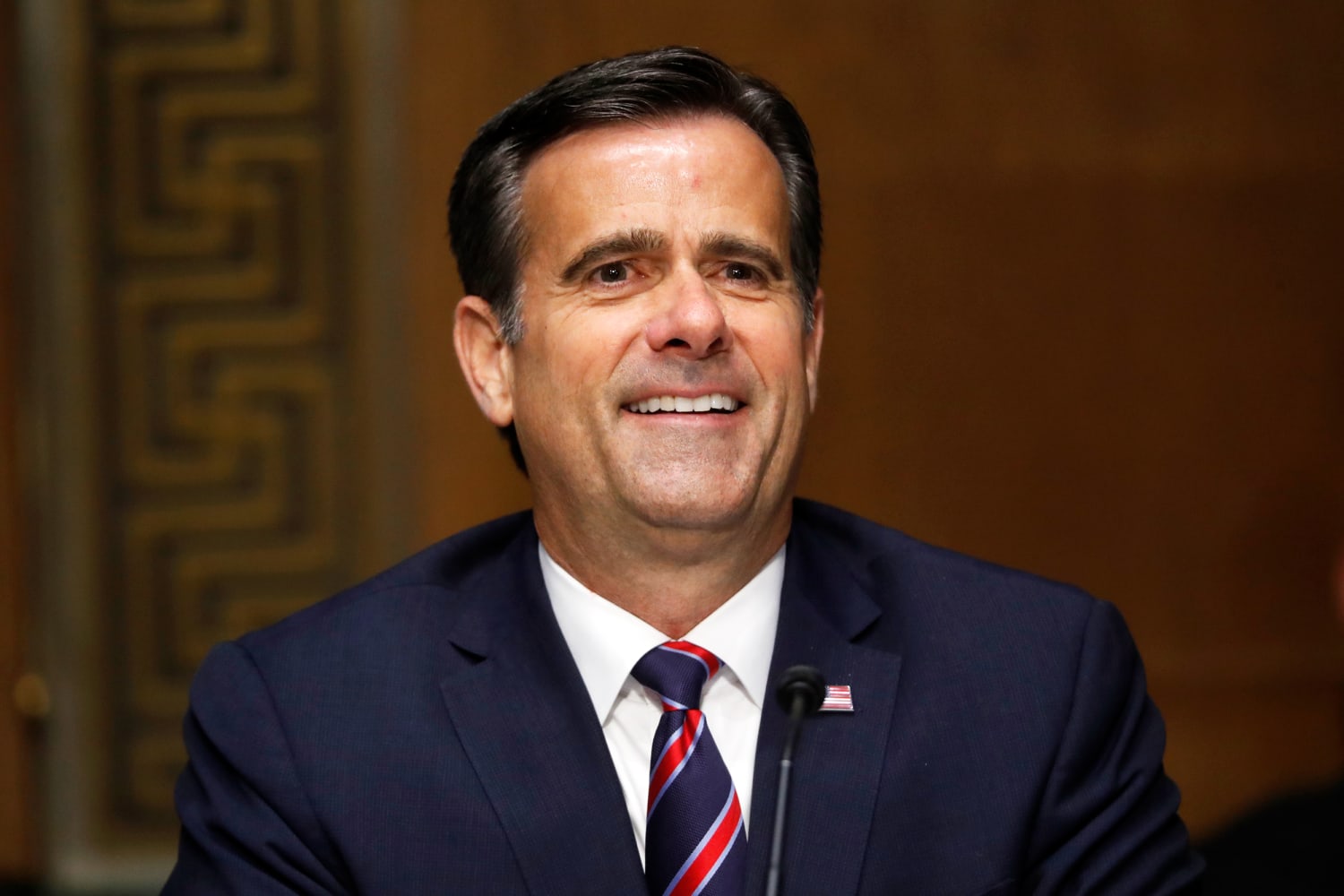
John Ratcliffe’s net worth is estimated to be between $1.5 million and $7 million as of 2026. His financial profile is built on a combination of high-level government salaries, a successful career as a federal prosecutor and private attorney, and strategic investments in diversified mutual funds and Texas real estate.
The Financial Evolution of John Ratcliffe
John Ratcliffe has maintained a prominent presence in American law and national security for over two decades. His financial journey reflects a common trajectory for high-ranking officials who alternate between public service and the private sector. Unlike many career politicians who spend decades in Washington, Ratcliffe’s wealth was initially established through his legal practice and his tenure as a U.S. Attorney, providing a solid foundation before he ever entered the halls of Congress.
By 2026, Ratcliffe’s financial status is largely defined by his return to public service in a senior intelligence capacity following a period of private-sector consulting and policy leadership. His wealth is not characterized by the massive "centimillionaire" status seen in some Congressional leaders, but rather by the upper-middle-class stability typical of successful legal professionals and Cabinet-level executives.
Historical Salary and Compensation Structure
To understand Ratcliffe's current financial profile, one must examine the specific pay scales associated with his various roles in the federal government. These salaries are public record and provide the most concrete data points for his annual income.
U.S. House of Representatives (2015–2020)
As the Representative for Texas's 4th congressional district, Ratcliffe earned the standard salary for a Member of Congress, which has remained at $174,000 per year since 2009. During his five years in the House, this provided a consistent, albeit fixed, income stream. Congressional pay is often supplemented by perks such as a robust pension plan and health benefits, though members are responsible for maintaining residences in both their home district and the District of Columbia.
Director of National Intelligence (2020–2021)
Upon his confirmation as the 6th Director of National Intelligence (DNI), Ratcliffe transitioned to the Executive Schedule. The DNI position is classified as Level I of the Executive Schedule, the highest tier for non-presidential federal employees. In 2021, this salary was approximately $221,400. This role significantly increased his earning power compared to his time in the House, though the tenure was relatively brief, lasting through the end of the Trump administration's first term.
Private Sector and Consulting (2021–2024)
Following his departure from the DNI role, Ratcliffe engaged in various private-sector activities that likely increased his net worth. He served as a co-chair for the Center for American Security at the America First Policy Institute (AFPI). While the exact compensation for such roles is not always publicly disclosed, senior fellows at prominent think tanks and policy institutes often receive six-figure stipends. Furthermore, his expertise in cybersecurity and national security made him a valuable consultant for private firms, where hourly rates can exceed $1,000.
Return to Public Service in 2025
With the transition to a new administration in January 2025, Ratcliffe was nominated and confirmed for another high-level role, currently serving as the Director of the CIA. This position again places him at the top of the federal pay scale. By 2026, his government salary remains at the cap for Level I Executive officials, which is adjusted periodically for inflation but generally hovers around the $225,000 to $235,000 range.
Analysis of Net Worth and Assets
Public financial disclosures filed with the Office of Government Ethics (OGE) provide a window into Ratcliffe's asset portfolio. These forms require officials to report assets in ranges rather than exact dollar amounts, which accounts for the variability in net worth estimates.
Investment Portfolio
Ratcliffe’s disclosures have historically shown a preference for low-to-moderate risk investments. His portfolio includes:
- Brokerage Accounts: Managed accounts through major institutions like Charles Schwab or Vanguard.
- Mutual Funds and ETFs: Broad-market index funds that track the S&P 500 or total stock market, providing diversification and steady growth.
- Retirement Accounts: Traditional and Roth IRAs, as well as the federal Thrift Savings Plan (TSP) accumulated during his years of government service.
Real Estate Holdings
A significant portion of Ratcliffe’s wealth is tied to real estate. He maintains a primary residence in Heath, Texas, a high-income suburb of the Dallas-Fort Worth metroplex. Texas real estate has seen substantial appreciation over the last decade. Historically, Ratcliffe has not been a high-volume real estate speculator, preferring to hold residential property for personal use and long-term value.
Legal Practice and Business Interests
Before entering politics, Ratcliffe was a partner at a law firm and served as the U.S. Attorney for the Eastern District of Texas. His private legal career allowed him to accumulate capital that serves as the "floor" for his net worth. Even while in office, some officials retain interest in former practices or receive trailing payments, though these are strictly regulated by ethics rules to prevent conflicts of interest.
Comparative Financial Profile
The following table compares the compensation levels of the various roles John Ratcliffe has held throughout his career, adjusted for the timeframes in which he served.
| Position | Tenure | Estimated Annual Salary | Primary Income Source |
|---|---|---|---|
| U.S. Attorney (EDTX) | 2007–2008 | $145,000 - $155,000 | Department of Justice |
| Private Law Practice | 2009–2014 | $250,000+ (Estimated) | Legal Fees / Partnership |
| U.S. Representative | 2015–2020 | $174,000 | Federal Government |
| Dir. of National Intelligence | 2020–2021 | $221,400 | Federal Government |
| Consulting/Think Tank | 2021–2024 | $300,000 - $500,000 | Private/Non-profit |
| CIA Director | 2025–Present | $230,000 - $240,000 | Federal Government |
Transparency and Ethical Compliance
As a high-level government official, Ratcliffe’s financial profile is subject to intense scrutiny. The Ethics in Government Act of 1978 requires him to file annual Public Financial Disclosure Reports (OGE Form 278e). These reports are designed to identify potential conflicts of interest between an official’s private financial interests and their public duties.
Recusal and Divestiture
During his confirmation processes in 2020 and 2025, Ratcliffe was required to sign ethics agreements. These agreements often involve:
- Divestiture: Selling off specific stocks in companies that do business with the intelligence community (e.g., major defense contractors like Lockheed Martin or Raytheon).
- Recusal: Agreeing not to participate in any "particular matter" that has a direct and predictable effect on his remaining financial interests.
- Blind Trusts: While not always required, some officials place their assets in a blind trust to avoid any appearance of impropriety.
The rigor of these requirements often limits the short-term growth of an official's net worth, as they are frequently forced to sell assets at times that may not be optimal for market gains, and they are restricted from active trading while in office.
Factors Influencing Net Worth in 2026
Several variables contribute to the current 2026 estimate of Ratcliffe's wealth. The transition from a private-sector income back to a capped government salary usually results in a flattening of the net worth growth curve.
- Market Performance: Like most investors, Ratcliffe’s net worth is sensitive to the performance of the U.S. equity markets. The growth of his mutual fund holdings between 2021 and 2025 likely provided the largest boost to his overall valuation.
- Cost of Living: Maintaining a presence in Northern Virginia or the D.C. area while keeping a home in Texas is a significant financial burden. The high cost of housing and living expenses in the capital region acts as a "drain" on the liquid assets of many cabinet-level officials.
- Legal Fees: High-profile political figures often incur significant legal expenses for compliance, vetting, and representation during confirmation hearings, though some of these costs can be covered by legal defense funds or campaign accounts depending on the nature of the work.
Long-term Financial Outlook
Looking beyond 2026, Ratcliffe’s financial future appears robust. Former high-ranking intelligence officials are in high demand for corporate boards, particularly in the cybersecurity, aerospace, and defense sectors. Upon leaving his current post, Ratcliffe would likely be eligible for board positions that pay between $200,000 and $400,000 per year for part-time service.
Furthermore, his experience as CIA Director and DNI makes him a prime candidate for a "seven-figure" memoir or book deal, a common path for outgoing intelligence chiefs to significantly increase their liquid net worth.
FAQ: John Ratcliffe’s Finances
What is John Ratcliffe's main source of wealth?
His wealth is primarily derived from his career as a partner in private law firms and his service as a federal prosecutor. These roles allowed for capital accumulation that has since grown through diversified investments in the stock market and Texas real estate.
Does John Ratcliffe own any significant stocks?
While his specific holdings change based on ethics requirements, his historical disclosures show a preference for broad-based index funds and mutual funds rather than individual "meme stocks" or high-volatility assets. He is generally required to divest from specific defense or tech stocks that could pose a conflict of interest with his role at the CIA or DNI.
How does his net worth compare to other intelligence officials?
Ratcliffe’s net worth is relatively modest compared to some predecessors who came from the private equity or high-finance sectors. However, it is consistent with officials who have spent the majority of their careers in law and public service.
What is the salary of the CIA Director in 2026?
The salary is determined by the Executive Schedule for Level I positions. In 2026, this is estimated to be approximately $235,000, subject to annual cost-of-living adjustments approved by Congress.
Does he receive a pension from his time in Congress?
Yes, as a former Member of Congress with at least five years of service, Ratcliffe is eligible for a pension under the Federal Employees Retirement System (FERS) once he reaches the required age. This provides long-term financial security regardless of his current employment status.
Practical Recommendation for Further Research
To gain the most accurate and up-to-date information on John Ratcliffe's financial profile, interested parties should consult the U.S. Office of Government Ethics (OGE) website. Publicly available OGE Form 278 reports provide the exact ranges of assets and liabilities reported during his most recent confirmation process. Additionally, the Federal Election Commission (FEC) archives contain historical data regarding his campaign finances, which, while separate from personal wealth, provide context on his financial support network during his time in elective office.