Navigating the intersection of premium travel credit cards and rideshare loyalty programs requires a precise strategy, especially as card issuer partnerships and point valuations shift. For cardholders of the Chase Sapphire Reserve or Chase Sapphire Preferred, maximizing Lyft rides through point multipliers is one of the most lucrative ways to squeeze everyday value out of a digital wallet. As of 2026, understanding how to stack Chase Ultimate Rewards points with Lyft Pink memberships, leverage transfer partner architectures, and avoid common redemption pitfalls separates the novice points enthusiast from the advanced travel hacker.
The Core Partnership Mechanics: Chase Sapphire and Lyft in 2026
The structural relationship between Chase and Lyft centers around accelerated earning rates on eligible rides. While previous promotions offered temporary five-fold or tenfold multipliers, the enduring framework provides distinct baseline advantages depending on which tier of the Sapphire portfolio you hold.
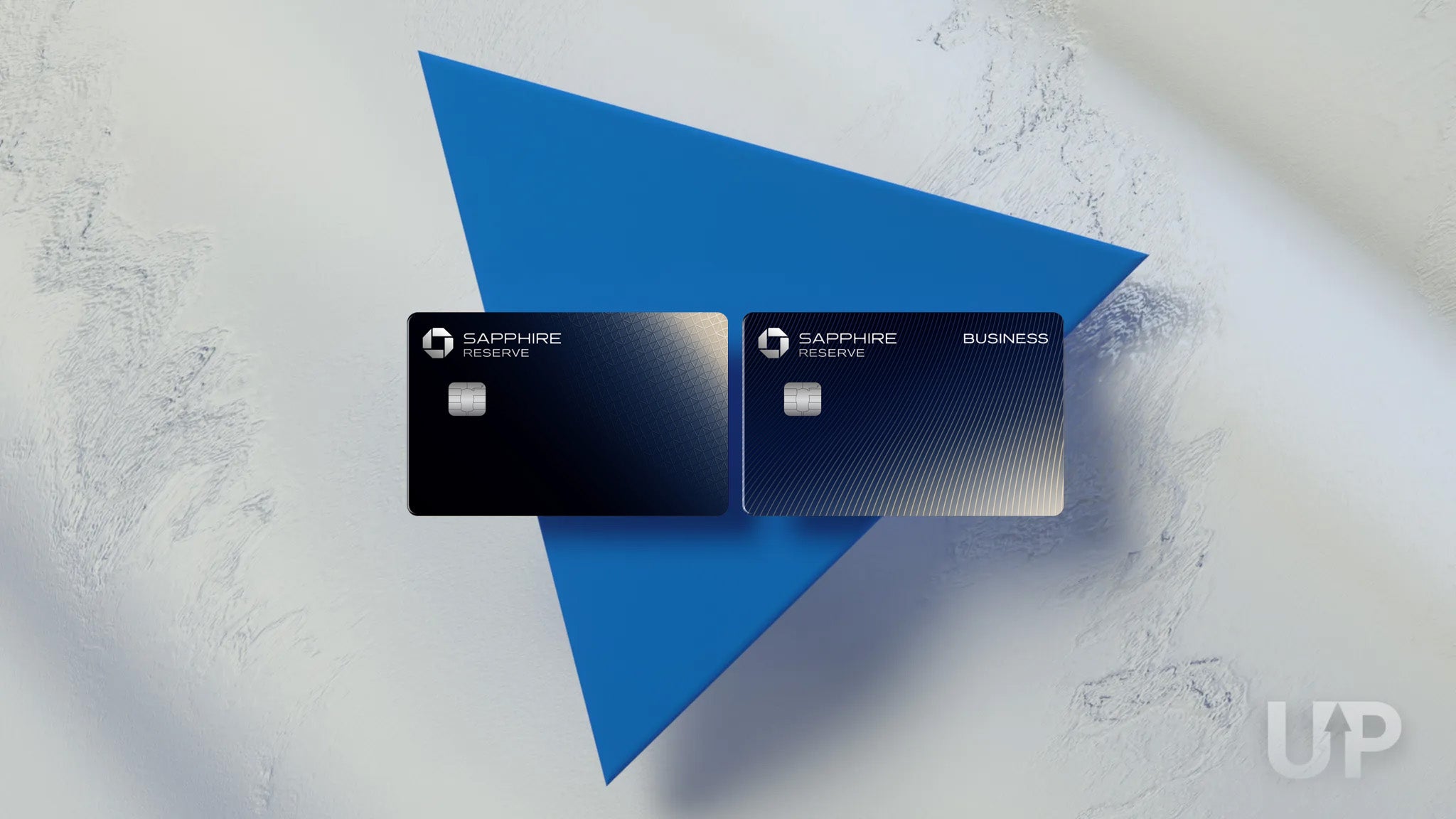
- Chase Sapphire Reserve: Cardholders earn a baseline of 10x total points on eligible Lyft rides when paying with the card. This breaks down into 3x points standard travel earnings plus an additional 7x bonus points through the ongoing partnership agreement.
- Chase Sapphire Preferred: Cardholders earn a baseline of 5x total points on eligible Lyft rides, comprising 2x standard travel earnings plus 3x bonus points.
- Excluded Transactions: Gift card purchases through the Lyft app, business profile transactions that do not route correctly, and certain non-ride services may fail to trigger the accelerator.
To capture these earnings, the Sapphire card must be set as the primary payment method within the Lyft application. Cardholders must also ensure their Lyft and Chase accounts are properly linked through the promotional landing pages provided within the Chase mobile banking app or the Lyft rewards portal.
Maximizing Value: Stacking Rewards and Lyft Pink Perks
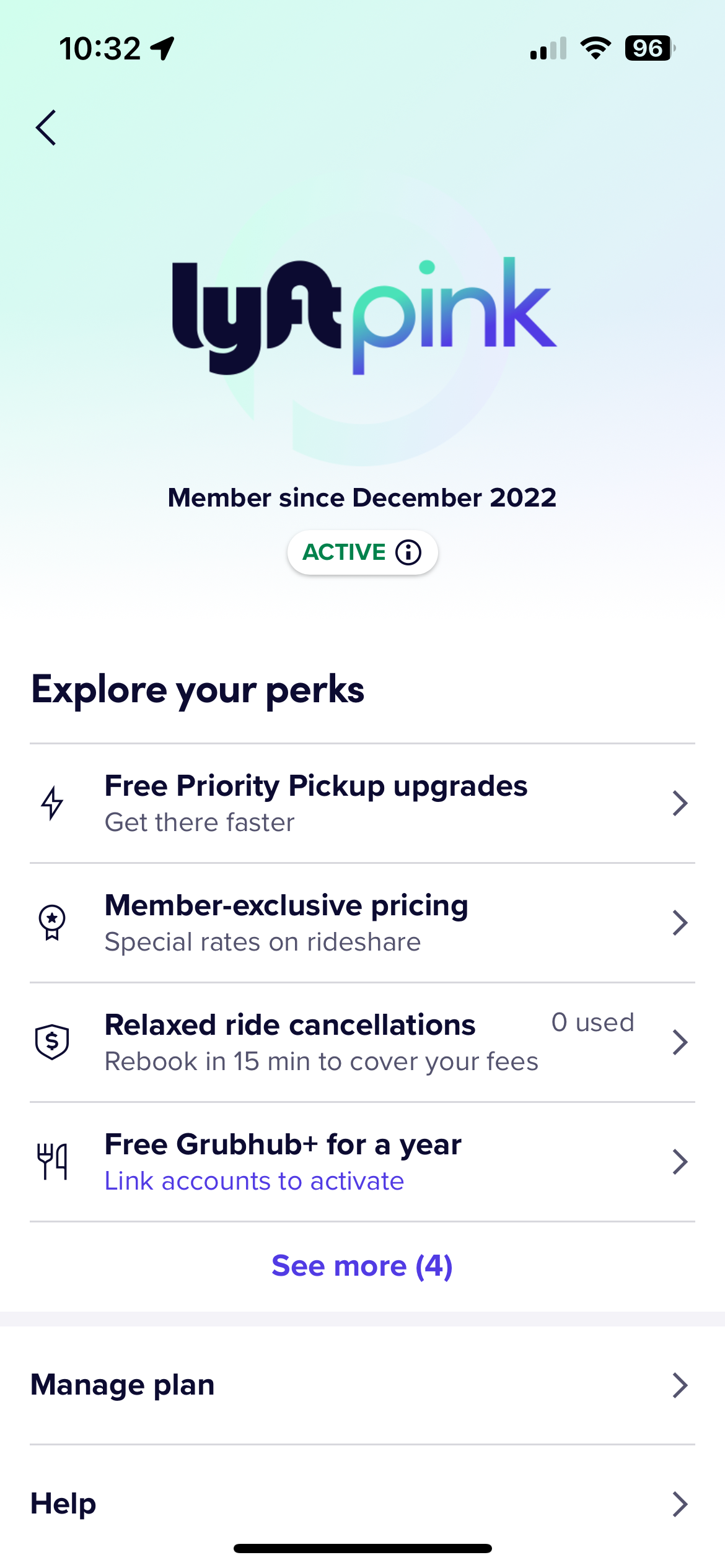
Earning accelerated points on rides is only the first layer of an optimized rideshare strategy. To extract maximum value in 2026, travelers must combine point earnings with Lyft's loyalty ecosystem, specifically leveraging Lyft Pink benefits often bundled or discounted with premium cards.
Strategic Priority Note: Always activate your complimentary or discounted Lyft Pink membership through your Chase Sapphire Reserve benefits dashboard before booking rides. This unlocks priority pickups, free scooter or bike unlocks, and relaxed cancellation policies that compound the financial return of your rideshare spend.
Furthermore, cardholders should check the Chase Offers tab monthly. Chase frequently issues targeted cash-back or bonus point offers for rideshare spend that can stack on top of the base 5x or 10x earnings. By activating these targeted offers, a standard airport transit ride transforms into an aggressive point-accrual event.
Direct Cash Back vs. Ultimate Rewards Transfer Partners
A critical decision point for Chase Sapphire cardholders is determining how to deploy the points earned from Lyft spend. Payout options range from simple statement credits to high-value airline and hotel transfers.
| Redemption Method | Sapphire Preferred Value | Sapphire Reserve Value | Strategic Viability |
|---|---|---|---|
| Lyft Ride Payment | 1.0 cent per point | 1.0 cent per point | Poor; generally undervalues Ultimate Rewards |
| Chase Travel Portal | 1.25 cents per point | 1.5 cents per point | Good for baseline flights and hotels |
| Transfer Partners | Variable (1.5 to 3.0+ cents) | Variable (2.0 to 4.0+ cents) | Excellent for business class and luxury stays |
| Statement Credit | 1.0 cent per point | 1.0 cent per point | Poor; liquidates asset below market value |
Utilizing Ultimate Rewards points to pay for Lyft rides directly within the app at a rate of 1 cent per point is mathematically inefficient. Advanced strategists transfer these points to airline partners like United Airlines, Air France/KLM Flying Blue, or hotel partners like Hyatt, where point valuations routinely exceed 2 cents each.
Step-by-Step Guide to Linking Your Cards and Activating Multipliers
Ensuring your account is properly configured prevents missed points and tracking errors. Follow this operational checklist to audit your setup:
- Open the Chase Mobile App and navigate to the "Rewards" section under your Sapphire card account.
- Scroll to the "Partners" or "Benefits" tab to locate the active Lyft partnership banner.
- Click through the secure promotional link to open the Lyft application or website, which registers your Sapphire card for the boosted earning tier.
- Open your Lyft app, navigate to the "Payment" menu, and verify that your Chase Sapphire Reserve or Preferred is designated as the default payment method.
- Check your Lyft profile to ensure your Delta SkyMiles or Hilton Honors accounts are also linked if you wish to double-dip across multiple loyalty programs simultaneously.
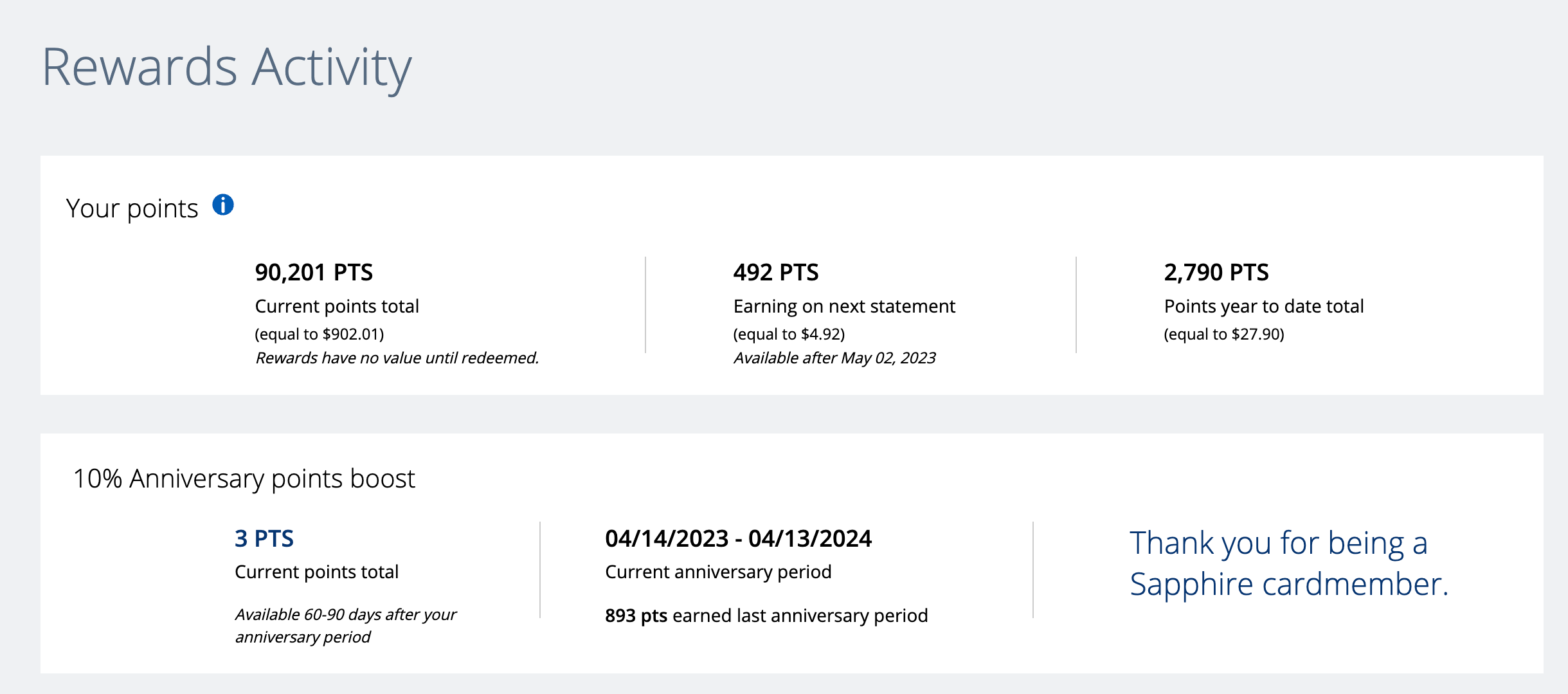
- Take a test ride and review your Chase account activity 3 to 5 days post-ride to confirm that the point multiplier is posting correctly (split into base travel points and bonus promotional points).
Troubleshooting Common Point Tracking Failures
Even with careful setup, tracking anomalies can occur. If your Lyft rides are posting at the standard 2x or 3x travel rate instead of the accelerated 5x or 10x rate, apply these troubleshooting steps:
- Payment Routing Errors: If you paid via Apple Pay or Google Pay rather than swiping or selecting the physical card number stored directly in the app, the merchant category code may bypass the specific partnership trigger. Always store the primary card number directly in the app settings.
- Expired Partnerships: Promotional integration terms update periodically. If a promotional window closes, re-link your accounts through the current portal to re-establish the multiplier.
- Authorized User Accounts: Authorized users on a Sapphire Reserve or Preferred account can trigger the multiplier, but the primary account holder must ensure the benefit is recognized across all associated cards tied to the main billing profile.
Frequently Asked Questions
Can I earn Lyft points and Chase Ultimate Rewards points simultaneously?
Yes, you can earn Lyft Rewards credits alongside your Chase Ultimate Rewards points by linking your Lyft account with partner loyalty programs like Delta Air Lines or Hilton Honors. This allows you to stack rideshare spend across three distinct ecosystems at once.
Does paying for Lyft rides with points count toward meeting a Chase Sapphire welcome bonus?
No, redeeming Ultimate Rewards points to cover the cost of a Lyft ride does not count as cash spend toward minimum spending requirements for credit card sign-up bonuses. Only cash or credit card purchases qualify for bonus spend tracking.
What happens to my Lyft multiplier if I downgrade my Chase Sapphire Reserve to a Preferred?
Your earning rate will automatically adjust from the Reserve's 10x rate down to the Preferred's 5x rate effective on the date the product change processes. You will also lose access to complimentary Lyft Pink All Access benefits if downgrading away from the Reserve card.
Are business rides eligible for the Chase Sapphire Lyft multiplier?
Yes, provided you use your eligible personal or Chase Ink business card through a linked account, but ensure the transaction codes properly as a travel expense rather than an unverified corporate ledger entry. Personal Sapphire cards used on personal Lyft profiles offer the most reliable point posting consistency.
How long does it take for Chase Lyft bonus points to post to my account?
Bonus points typically post within one to two billing cycles following the month in which the eligible Lyft rides were charged to your Chase Sapphire statement. Base points usually appear immediately when the transaction clears, while the bonus promotional increment arrives later.
Optimizing Your Rideshare Strategy Moving Forward
Maximizing the partnership between Chase Sapphire and Lyft requires intentional payment routing, careful program linking, and a refusal to liquidate high-value points for low-value redemptions. By treating every rideshare trip as a micro-earning opportunity and leveraging transfer partners for downstream travel, cardholders can substantially offset annual fees while accelerating progress toward luxury dream trips.