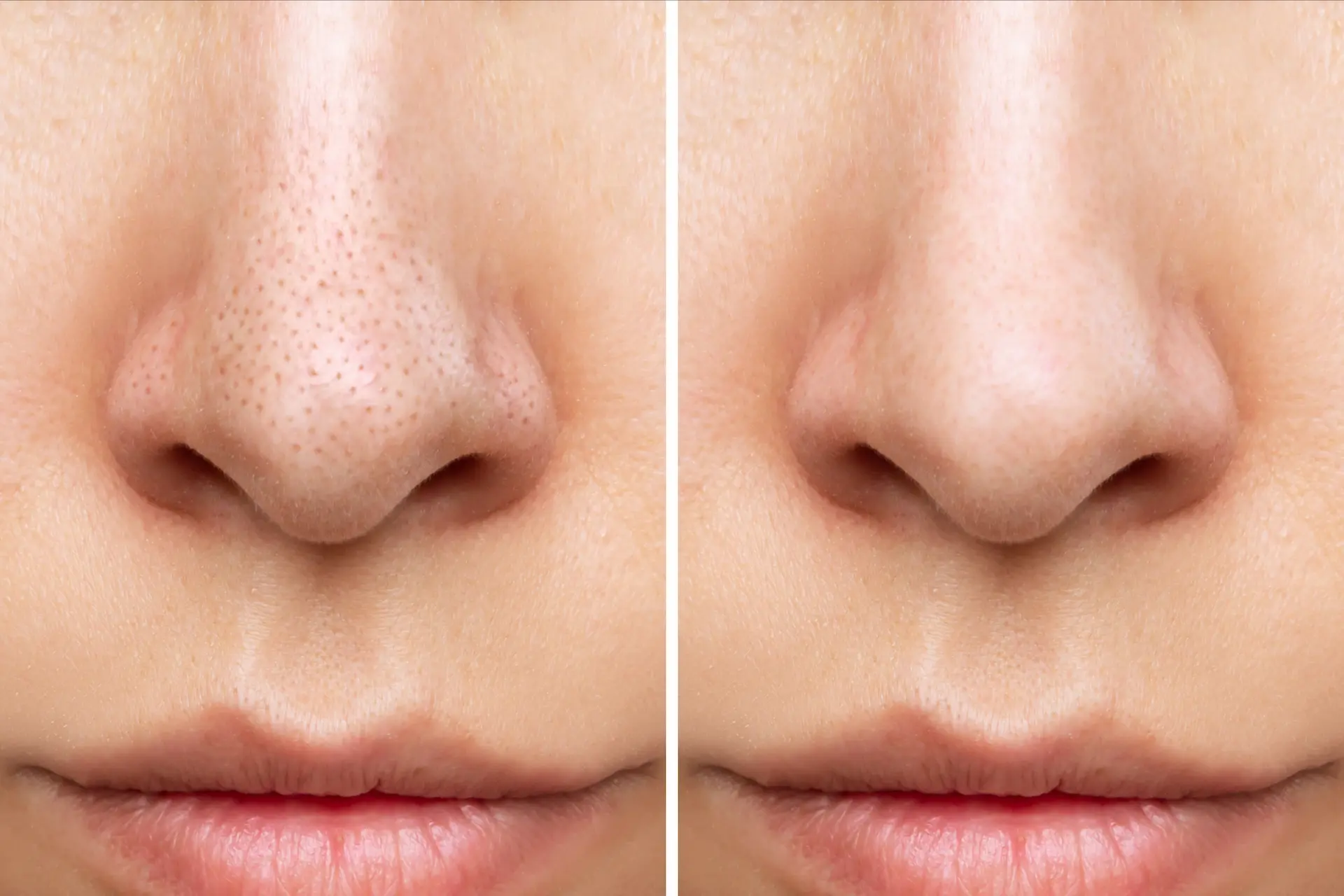
Note: While commonly referred to as "lip blackheads," these blemishes actually form along the vermilion border where facial skin transitions into the sensitive mucosal tissue of the lips. This anatomical distinction changes how they must be treated compared to standard blackheads on the nose or forehead.
The appearance of dark spots or tiny bumps along the lip line can be alarming, often mistaken for stubborn blackheads. Because the skin surrounding the mouth is exceptionally thin, highly vascularized, and densely packed with sebaceous glands, managing imperfections here requires a specialized approach. In 2026, advanced dermatological protocols emphasize gentle, non-abrasive extraction and targeted follicular decongestion to protect the delicate lip barrier while clearing pores.
Anatomical Reality: Why Blackheads Form on the Vermilion Border
True blackheads, scientifically known as open comedones, develop when hair follicles become clogged with a combination of excess sebum and dead skin cells. When this plug is exposed to the air, oxidation occurs, turning the trapped material dark or black.
Unlike standard facial skin, the vermilion border features a unique transition zone. While the lips themselves lack oil and sweat glands, the immediate perimeter is home to numerous sebaceous glands that actively produce sebum.
- High Mobility: The constant movement of talking, eating, and smiling stretches the skin around the mouth, making follicles prone to stretching and trapping debris.
- Product Occlusion: Heavy lip balms, waxes, and long-wear lipsticks frequently migrate past the lip line, sealing off pores and exacerbating comedone formation.
- Thin Epidermis: The skin here has a thinner stratum corneum, meaning harsh physical scrubs can easily cause micro-tears and inflammation.
Differentiating Lip Blackheads from Similar Conditions
Before initiating any treatment regimen, correct identification is essential. What appears to be a blackhead on the lip line is often an entirely different dermatological entity that will not respond to standard acne medications.
| Condition | Appearance | Primary Cause | Recommended Approach |
|---|---|---|---|
| Open Comedones (Blackheads) | Tiny dark dots flush with or slightly raised above the skin. | Oxidized sebum and keratin trapped in hair follicles. | Salicylic acid, gentle chemical exfoliation, professional extraction. |
| Fordyce Spots | Pale, whitish, or flesh-colored small papules clustered near the border. | Visible, enlarged sebaceous glands that are entirely normal. | Do not treat; strictly benign and non-extractable. |
| Milia | Tiny, firm, white or pearl-like bumps under the skin. | Keratin trapped beneath the surface of the skin. | Professional dermatological extraction; avoid DIY popping. |
| Solar Lentigines | Flat, darkened brown spots caused by sun exposure. | Excess melanin production from ultraviolet radiation. | Broad-spectrum SPF 30+, topical brightening agents, lasers. |
Dermatological Treatment Protocols for 2026
Treating congestion around the mouth demands a delicate balance between efficacy and barrier preservation. Modern skincare routines prioritize low-concentration chemical exfoliants over aggressive mechanical scrubbing.
Chemical Exfoliation with Beta-Hydroxy Acids
Salicylic acid (BHA) remains the gold standard for treating blackheads because it is oil-soluble, allowing it to penetrate deep inside the pore lining to dissolve sebum and dead skin cells.
- Apply a low-percentage (0.5% to 2%) salicylic acid toner or serum exclusively to the perimeter of the lips 2 to 3 times per week.
- Avoid formulas containing high levels of denatured alcohol, which can dry out and chap the delicate lip border.
Retinoid Integration
Over-the-counter retinol or prescription adapalene can regulate cellular turnover, preventing dead skin cells from sticking together and forming new clogs.
- Use a pea-sized amount of a gentle retinol formulation near the lip line only at night.
- Buffer the application by applying a light moisturizer first if irritation, peeling, or redness occurs around the corners of the mouth.
Professional Extractions
If a blackhead on the lip line refuses to clear with topical treatments, attempting to squeeze it with bare fingers risks pushing the infection deeper, causing scarring, or triggering cold sore outbreaks if the skin barrier is compromised. A licensed estheticians or dermatologist can safely clear stubborn comedones using sterile metal extractors or specialized lancets.
Preventive Strategies to Stop Future Breakouts
Preventing blackheads along the vermilion border requires auditing both your skincare and makeup routines to eliminate pore-clogging ingredients.
- Audit Lip Products: Check your lip balms, glosses, and lipsticks for heavy, comedogenic ingredients such as isopropyl myristate, heavy mineral oils, and certain waxes. Opt for non-comedogenic, lightweight formulas labeled oil-free.
- Mind Your Toothpaste: Sodium lauryl sulfate (SLS) and certain flavoring agents in toothpastes can irritate the perioral skin and contribute to follicular plugging. Always wash your face after brushing your teeth to remove any residual paste left on the skin around the mouth.
- Daily Sun Protection: Ultraviolet radiation degrades collagen and thickens the outer layer of skin, trapping sebum more easily. Apply a mineral-based lip balm containing zinc oxide with an SPF of 30 or higher daily.
Frequently Asked Questions
Can I pop a blackhead on my lip like a regular pimple?
No, you should never attempt to forcefully squeeze or pop a blackhead on your lip. The skin here is exceptionally delicate, and aggressive pressure can easily cause bruising, tearing, secondary bacterial infections, or permanent hyperpigmentation.
Why do I keep getting blackheads right on my lip line?
Perioral blackheads are typically caused by a combination of genetics, overactive sebaceous glands in the area, and the occlusive nature of heavy lip balms or cosmetics. Constant friction from masks, clothing, or musical instruments can also play a role.
Are Fordyce spots the same thing as blackheads?
No, Fordyce spots are completely normal, enlarged sebaceous glands that do not have hair follicles attached to them. They are harmless, do not contain trapped debris, and cannot be extracted or cured with acne treatments.
How long does it take for salicylic acid to clear lip blackheads?
With consistent, gentle application of a low-percentage BHA product, you can typically expect to see visible improvements in skin texture and pore clarity within 4 to 6 weeks of use.
Can lip makeup cause blackheads around the mouth?
Yes, long-wear and heavy wax-based lip products frequently migrate outside the natural lip line, settling into pores and creating blockages that lead to blackheads. Removing makeup thoroughly with a gentle cleansing balm every night is essential.
Professional Consultation and Care
Persistent, painful, or cystic lesions around the mouth that do not respond to targeted over-the-counter treatments require professional medical evaluation. To establish a personalized skincare regimen tailored to your skin type and eliminate stubborn perioral congestion safely, schedule a consultation with a board-certified dermatologist today for expert diagnostics and advanced therapeutic options.