Fifty Shades of Grey is a 2011 erotic romance novel by British author E L James that evolved into a massive global publishing and cinematic phenomenon. The story follows the intense relationship between college graduate Anastasia Steele and billionaire entrepreneur Christian Grey, focusing on their exploration of BDSM (bondage, discipline, dominance, submission, sadism, and masochism) and pushing mainstream publishing boundaries.
Origins and Publication History
The trajectory of Fifty Shades of Grey stands as one of the most unconventional publishing success stories of the twenty-first century. E L James initially wrote the narrative as a work of Twilight fan fiction titled Master of the Universe, published online chapter by chapter between 2009 and 2011 on fan fiction platforms.
Following concerns regarding the explicit nature of the content within the fan fiction community, James removed the stories from the web, rebranded the characters as Christian Grey and Anastasia Steele, and published the work independently as an e-book and print-on-demand paperback through the Australian virtual publisher The Writer's Coffee Shop in May 2011.
Word-of-mouth recommendations, digital book club discussions, and the widespread adoption of e-readers propelled the self-published title into viral territory. Recognizing the explosive market demand, Vintage Books—an imprint of Random House—acquired the rights in March 2012. Vintage republished the novel, alongside its sequels Fifty Shades Darker and Fifty Shades Freed, launching a massive marketing campaign that cemented the trilogy as an international bestseller.
Plot Overview and Character Dynamics
The narrative centers on Anastasia Steele, a literature student at Washington State University in Vancouver, Washington, who steps in to interview wealthy twenty-seven-year-old businessman Christian Grey for her campus newspaper in place of her roommate, Kate Kavanagh.
A mutual attraction sparks immediately, characterized by Christian's controlling demeanor and Anastasia's naive yet resilient disposition. As their paths continue to cross, Christian pursues Anastasia, eventually revealing his deep-seated psychological scars and his strict preference for unconventional relationships.
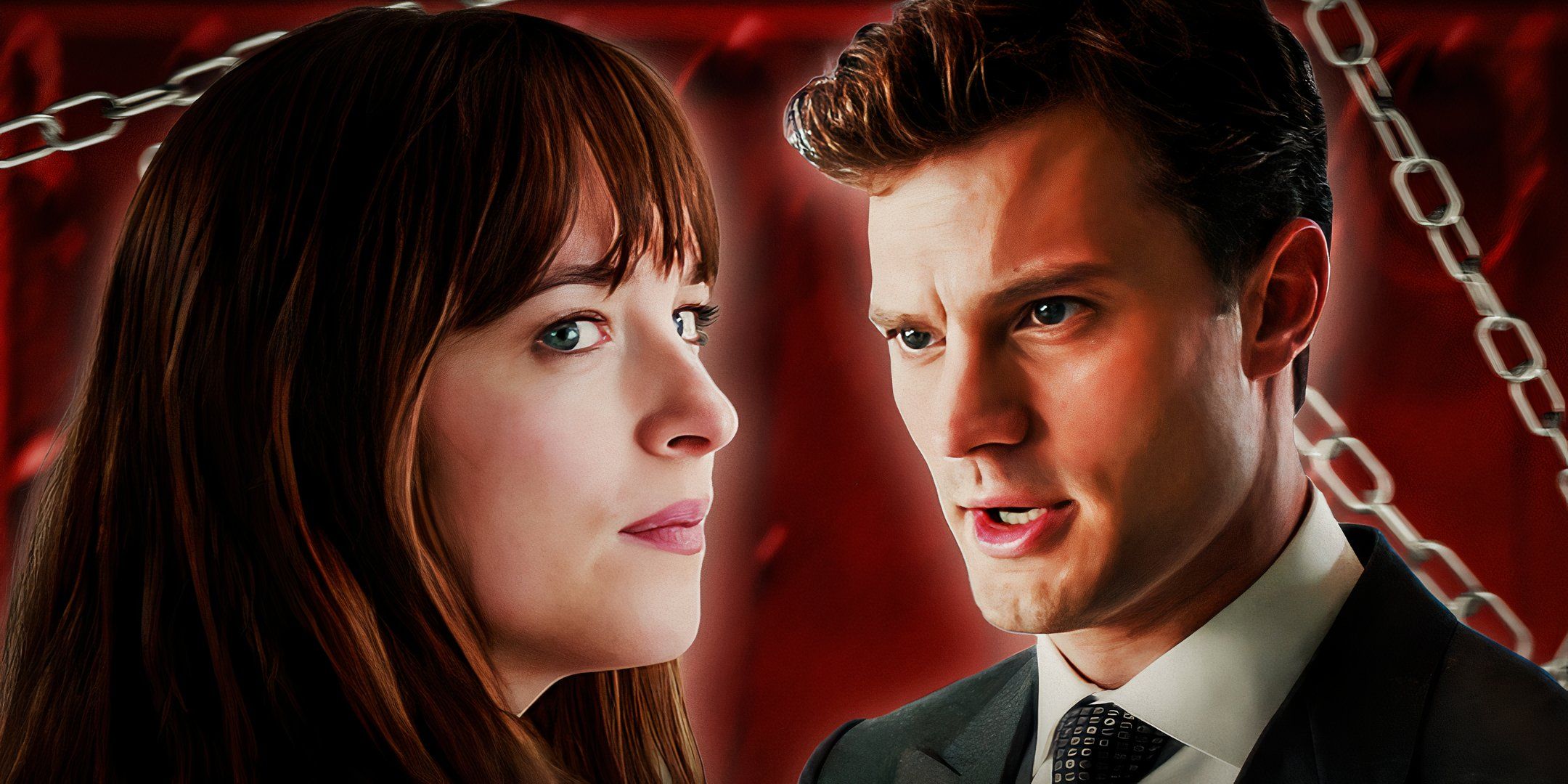
Christian introduces Anastasia to his "Red Room of Pain"—a private, secure apartment space outfitted for BDSM practices. He presents her with a legally binding non-disclosure agreement and a negotiated contract outlining the exact boundaries, protocols, and limitations of a dominant-submissive dynamic.
The core conflict of the novel and the subsequent trilogy explores Anastasia’s navigation of this complex world, her attempts to understand Christian's traumatic childhood and emotional detachment, and her desire for a more conventional romantic partnership built on emotional vulnerability rather than contractual control.
Key Characters in the Trilogy
| Character Name | Role in the Narrative | Primary Traits and Motivations |
|---|---|---|
| Anastasia Steele | Protagonist and narrator | An observant, literature-loving college graduate who challenges Christian’s emotional detachment and tests the boundaries of his lifestyle. |
| Christian Grey | Male protagonist and love interest | A traumatized, highly successful billionaire entrepreneur who seeks absolute control in his personal life to cope with a troubled past. |
| Elena Lincoln ("Mrs. Robinson") | Antagonist/Complex associate | A business partner and older woman who introduced Christian to BDSM as an adolescent, representing his past trauma and generating conflict with Anastasia. |
| Kate Kavanagh | Anastasia's best friend and roommate | An aspiring journalist whose scheduled interview sets the plot in motion; later becomes romantically involved with Christian's brother, Elliott. |
| Dr. Gillian Flynn / Medical Professionals | Supporting therapeutic figures | While fictional therapists appear in the narrative, the real-world discourse often analyzes Christian's psychological profile through established clinical lenses. |
Cultural Impact and Reception
Fifty Shades of Grey generated intense polarization across literary, cultural, and sociological spheres. Critics frequently targeted the novel's prose style, character development, and depiction of power dynamics. Literary critics argued that the dialogue was repetitive and the writing lacked stylistic nuance.
Concurrently, advocates and cultural commentators noted that the book played a pivotal role in bringing conversations regarding female sexuality, desire, and consent into mainstream public discourse.
The trilogy is often credited with sparking the "mummy porn" publishing trend—a colloquial media term describing erotic fiction marketed primarily toward women and mothers who consumed literature digitally. By normalizing the purchase of explicit digital content via tablets and e-readers without physical book covers, the franchise helped dismantle traditional retail taboos surrounding adult romance novels.
BDSM Community Perspectives
The representation of BDSM within Fifty Shades of Grey remains a subject of ongoing debate among practitioners and educators within the kink community. Many community members expressed concern that Christian Grey's behavior violated fundamental safety principles recognized within ethical BDSM frameworks—specifically regarding informed consent, emotional manipulation, and the absence of robust communication protocols (such as safe words that are respected without repercussion).
Conversely, educators acknowledged that the mainstream visibility of the book prompted broader educational discussions regarding consent, negotiation, and the distinction between fantasy and abusive interpersonal behavior.
Adaptation into Film
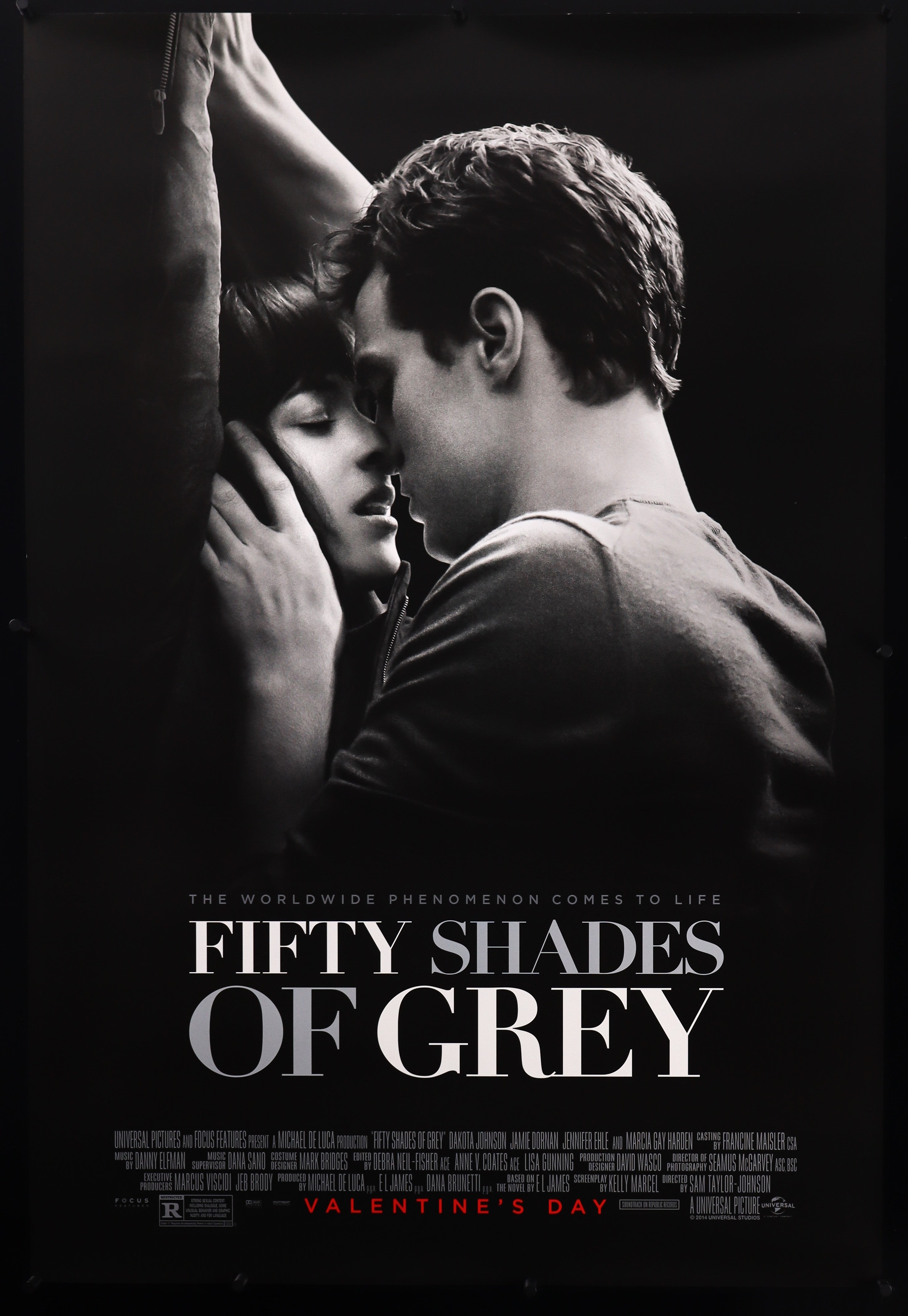
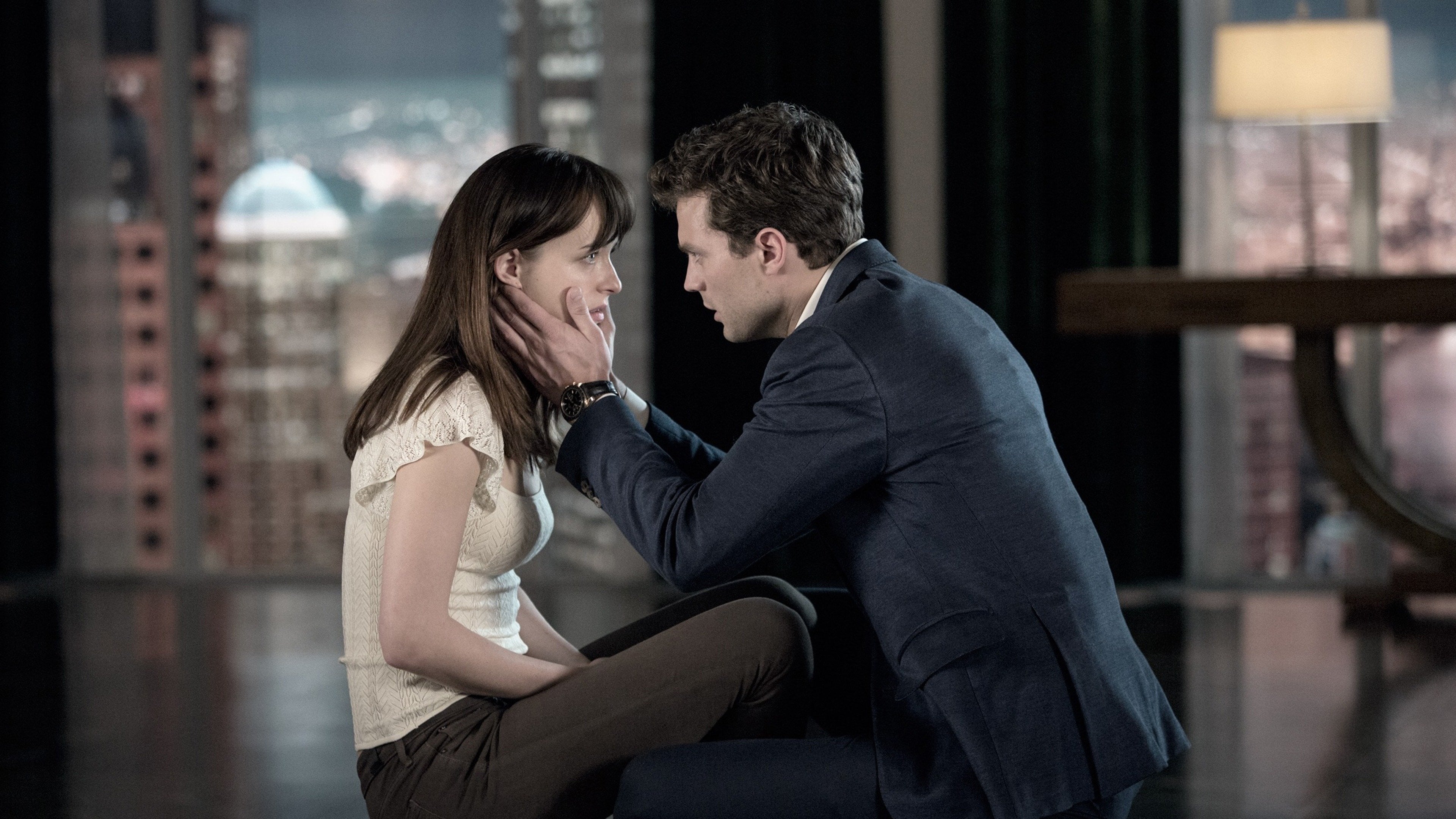
In 2013, Universal Pictures and Focus Features acquired the cinematic rights to the trilogy. The film adaptation of Fifty Shades of Grey, directed by Sam Taylor-Johnson and starring Dakota Johnson as Anastasia Steele and Jamie Dornan as Christian Grey, was released theatrically in February 2015.
Despite receiving mixed-to-negative reviews from film critics, the movie became a massive box office success, grossing over $570 million worldwide.
The cinematic adaptation navigated significant production hurdles, including creative differences between the author and the director, strict censorship evaluations in international markets, and the challenge of translating explicit literary scenes into a commercially viable motion picture rated R by the Motion Picture Association.
Two sequels, Fifty Shades Darker (2017) and Fifty Shades Freed (2018), followed, concluding the cinematic franchise.
Economic and Publishing Milestones
The commercial footprint of the Fifty Shades franchise reshaped contemporary publishing economics:
- Global Sales: The trilogy sold over 150 million copies worldwide by the mid-2020s, making it one of the best-selling book series in history.
- Translation Reach: The books were translated into more than 50 languages globally.
- Digital Adoption: The surge in e-reader sales during the early 2010s is frequently correlated with readers purchasing the books anonymously on digital devices.
- Merchandising: The brand expanded into licensed products, including beauty items, bedding, wine collections, and adult novelty items.
Frequently Asked Questions
What genre does Fifty Shades of Grey belong to?
The novel belongs primarily to the erotic romance and contemporary romance genres. It incorporates elements of romantic suspense and introduces mainstream readers to BDSM themes, though literary analysts often classify it specifically as erotica due to its explicit sexual content and focus on physical intimacy dynamics.
Is Fifty Shades of Grey based on Twilight?
Yes, the novel originated as an unauthorized work of Twilight fan fiction titled Master of the Universe. The author wrote the initial drafts using the names Bella Swan and Edward Cullen before scrubbing the text of trademarked names, altering character backgrounds, and publishing it as an independent original work.
How many books are in the main Fifty Shades series?
The core narrative consists of three primary novels: Fifty Shades of Grey (2011), Fifty Shades Darker (2011), and Fifty Shades Freed (2012). E L James later expanded the universe with companion novels written from Christian Grey’s perspective, including Grey (2015), Darker (2017), and Freed (2021).
Did the book face censorship or bans?
Yes, several public libraries and school districts in the United States and international markets restricted or removed the book from their shelves due to its explicit sexual content. Furthermore, certain international jurisdictions required substantial edits or restricted cinematic distribution based on local media classification laws.
What is the primary criticism of the relationship in the book?
Psychologists and domestic violence advocates frequently critiqued the relationship for romanticizing toxic behavior, emotional control, and stalking. Critics argued that Christian's obsessive monitoring of Anastasia crossed lines from alternative lifestyle exploration into abusive control, regardless of the consensual framework depicted in the narrative.
Conclusion and Next Steps
Analyzing Fifty Shades of Grey requires examining both its literary merits and its undeniable cultural footprint. For researchers, writers, and publishing professionals, studying the franchise provides valuable insights into digital self-publishing mechanics, viral marketing, and shifting consumer attitudes toward erotic literature.
Readers exploring the broader romance genre should evaluate the series within its historical context as a transitional work that bridged niche online fan fiction communities with mainstream global publishing.